10 Biophilic Secrets to Transform Your Multi-Level Home into a Modern Tropical Oasis
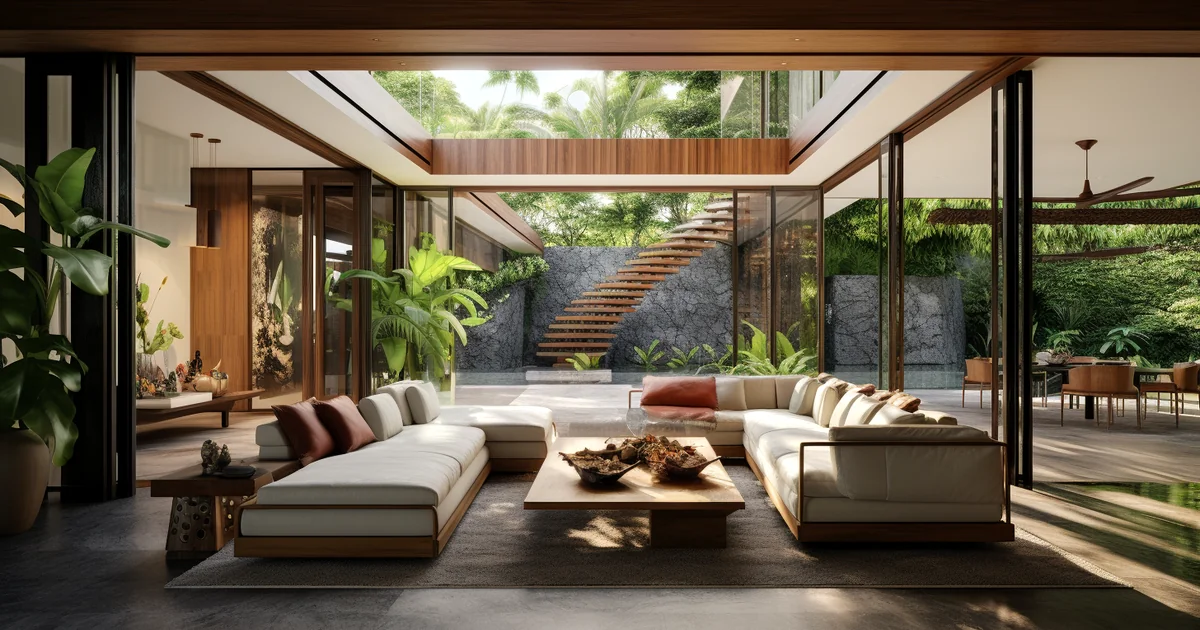
Imagine stepping into a home that instantly transports you to a tranquil, sun-drenched sanctuary, where lush greenery intertwines with sophisticated design, and every breath feels like a mini-vacation. This dream is entirely achievable, even within the most expansive and complex architectural footprints. For those blessed with the grandeur of a spacious, multi-level living room and entrance hall, the opportunity to craft a truly breathtaking environment is immense. It’s a canvas waiting to be painted with nature’s finest hues and forms, creating an immersive experience that delights the senses. We’re diving deep into a design philosophy that marries the vibrant energy of Modern Tropical with the calming, health-boosting principles of Biophilic design and the refined simplicity of Contemporary Organic aesthetics. This isn’t just about decorating; it’s about curating an experience, a lifestyle that prioritizes well-being, connectivity to nature, and understated luxury. It’s about creating spaces that not only look stunning but also contribute positively to your mental and physical health, fostering a sense of peace and rejuvenation from the moment you cross the threshold. The Modern Tropical style, at its heart, celebrates the lushness of the tropics, but with a refined, contemporary edge. It sheds the kitsch for clean lines, natural textures, and a sophisticated color palette that echoes the earth and sky. Biophilic design amplifies this by intentionally integrating natural elements and processes into the built environment, a proven method for reducing stress, enhancing creativity, and promoting healing. When fused with Contemporary Organic principles, we embrace fluid forms, sustainable materials, and a harmonious balance that feels both modern and inherently natural. Think expansive views, abundant natural light, the gentle rustle of leaves, and the tactile comfort of wood, stone, and natural fibers underfoot. In this comprehensive guide, we’ll unlock ten transformative strategies designed specifically for your multi-level living room and entrance hall. From optimizing natural light and integrating grand-scale greenery to selecting organic furnishings and crafting seamless indoor-outdoor transitions, you’ll discover how to convert your expansive canvas into a personal retreat that’s not just beautiful, but deeply nourishing. Prepare to redefine luxury living through the lens of nature-inspired elegance, creating a home that truly breathes with life and sophistication.
1. Harnessing the Power of Natural Light & Views
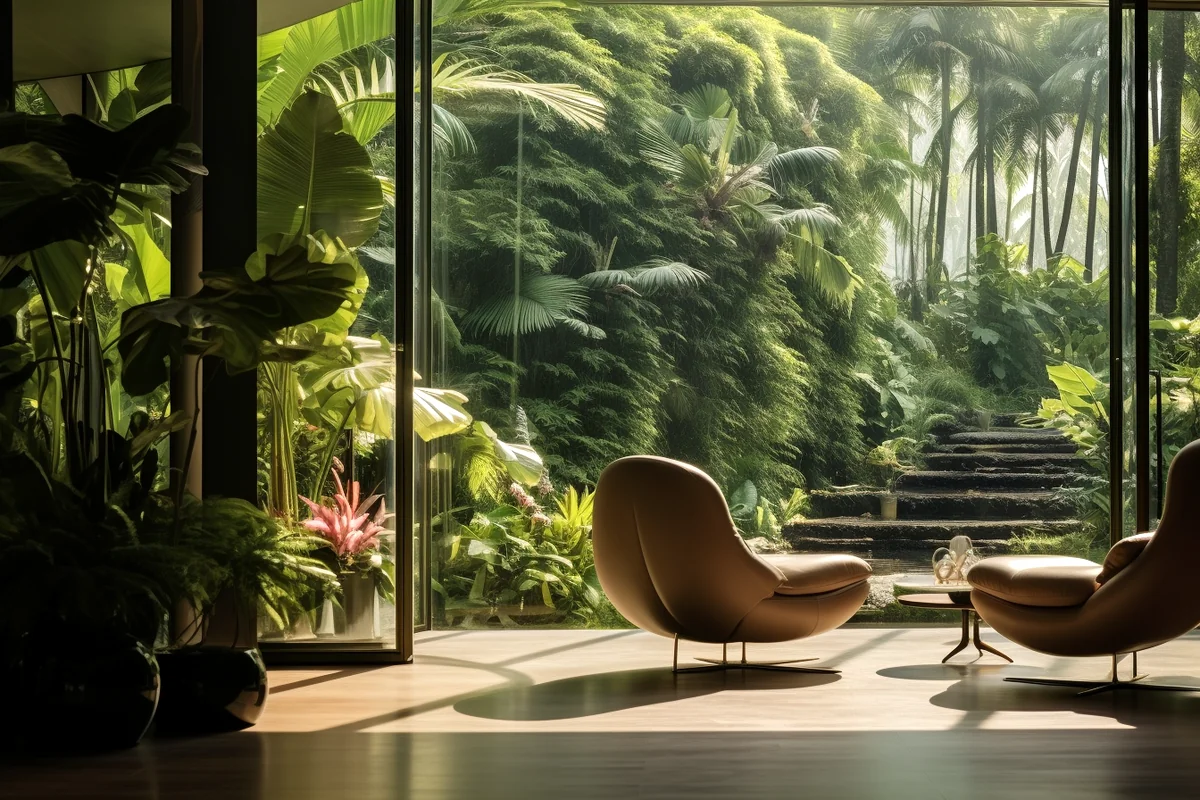
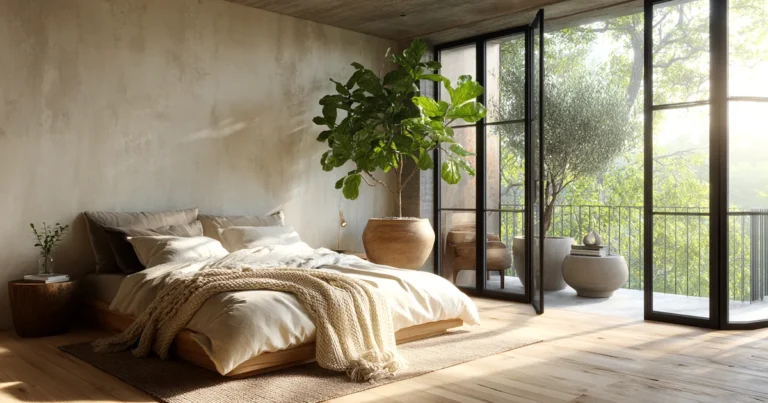
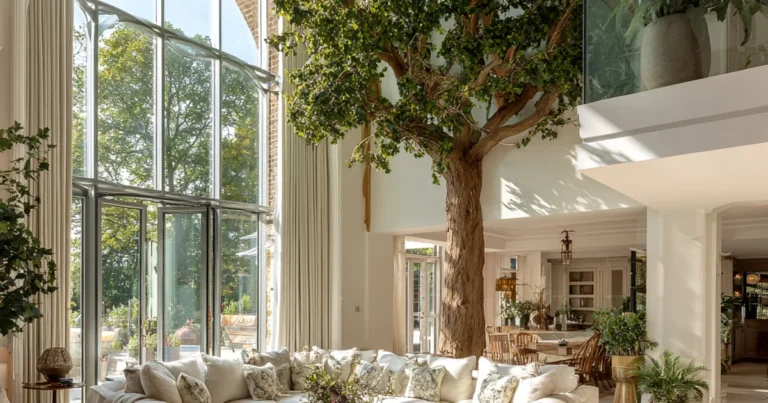
For spacious, multi-level interiors, maximizing natural light is paramount. It’s not merely about brightness; it’s a core biophilic principle that connects occupants to the outside world, regulating circadian rhythms and fostering a sense of well-being. Floor-to-ceiling windows, strategically placed skylights, and even internal glass partitions can dramatically flood the space with daylight, making it feel larger, airier, and more invigorating. When designing, consider the solar orientation to manage heat gain and glare, perhaps incorporating automated light-filtering sheers or intelligent glazing. The ‘why’ is clear: light is life, and an abundance of it makes a house feel like a home. The ‘how’ involves thoughtful architectural choices and reflective surfaces like polished concrete floors or light-toned walls that bounce light deeper into the space. Practical styling advice includes keeping window treatments minimal, opting for sheer linen or cotton drapes that soften light without obstructing views. Position key furniture pieces to take advantage of captivating exterior vistas, turning a beautiful landscape into living art. For multi-level spaces, ensure light penetrates to lower levels through open risers on staircases or internal balconies. Texture pairings that enhance light include smooth, reflective surfaces alongside matte, natural ones: think a polished stone hearth contrasting with a rough-sawn timber beam, or sleek glass railings alongside warm wood flooring. This interplay amplifies both the light and the natural aesthetic, contributing to the Modern Tropical and Contemporary Organic feel.
2. Biophilic Integration: Grand-Scale Living Greenery
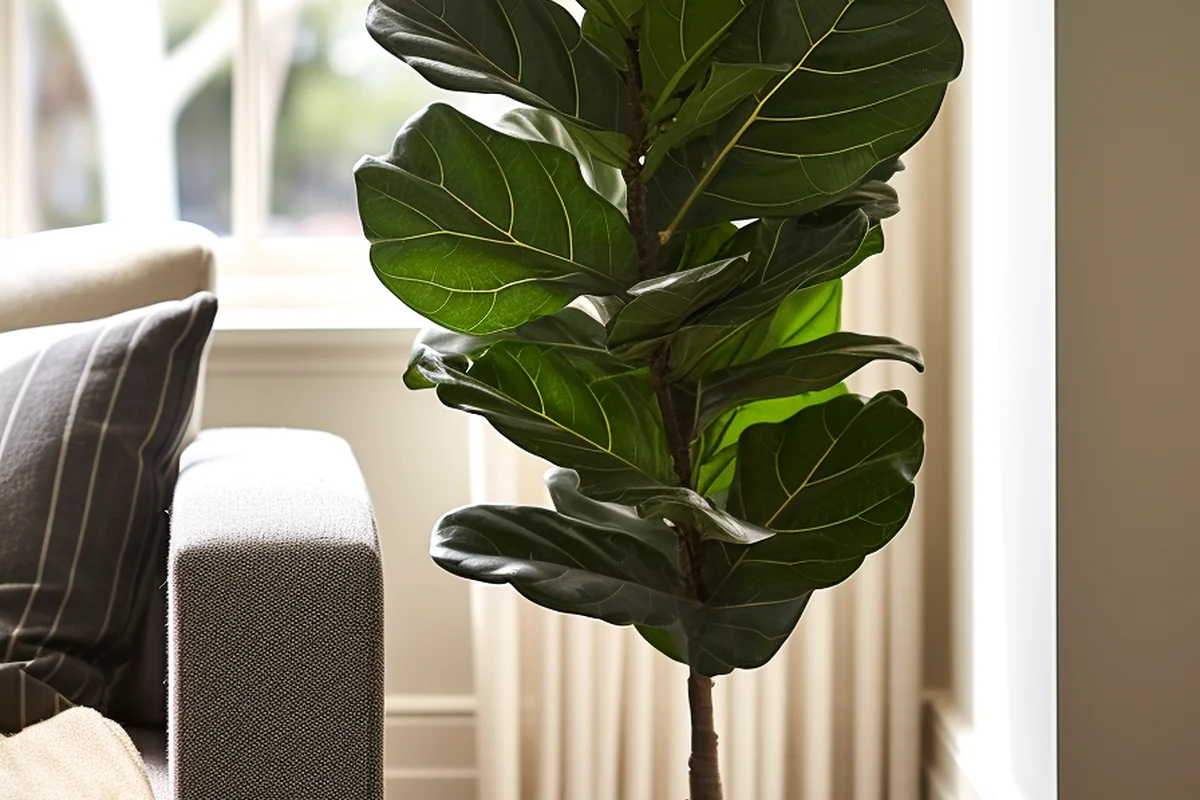
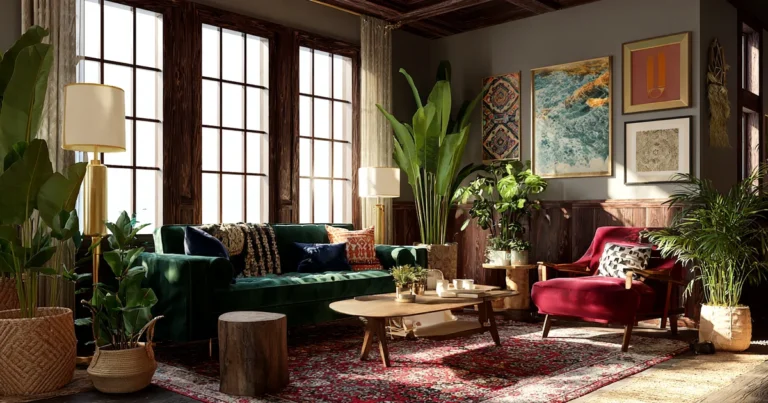
At the heart of Modern Tropical and Biophilic design lies the intentional and generous integration of living plants. In a spacious, multi-level environment, this means thinking beyond small potted plants to grand-scale botanical statements. The ‘why’ is profound: plants purify the air, reduce stress, enhance focus, and visually soften architectural lines, creating an undeniable connection to nature. For large spaces, consider towering specimen plants like Fiddle Leaf Figs, Bird of Paradise, or sprawling Monsteras that can command a corner or define a zone. Vertical gardens on an accent wall or integrated planters built into architectural features, such as under a floating staircase or within a room divider, offer a dramatic and immersive green experience. These aren’t just decorations; they are living installations. When planning, consider the light requirements of your chosen plants and group varieties with similar needs. Low-maintenance options like ZZ plants, Snake Plants, or various philodendrons can thrive with less fuss. For very large installations, integrating a drip irrigation system can simplify care. Practical styling advice includes housing plants in natural material planters – think large terracotta pots, woven rattan baskets, or sleek concrete vessels – to complement the Contemporary Organic aesthetic. Textural pairings are crucial: the lush, varied foliage against smooth stone walls, warm wooden floors, or cool metal accents creates a vibrant contrast. Moss walls or terrariums can add delicate, intricate layers of green, bringing nature’s tranquility to every level.
3. Embracing Organic Forms & Natural Materials
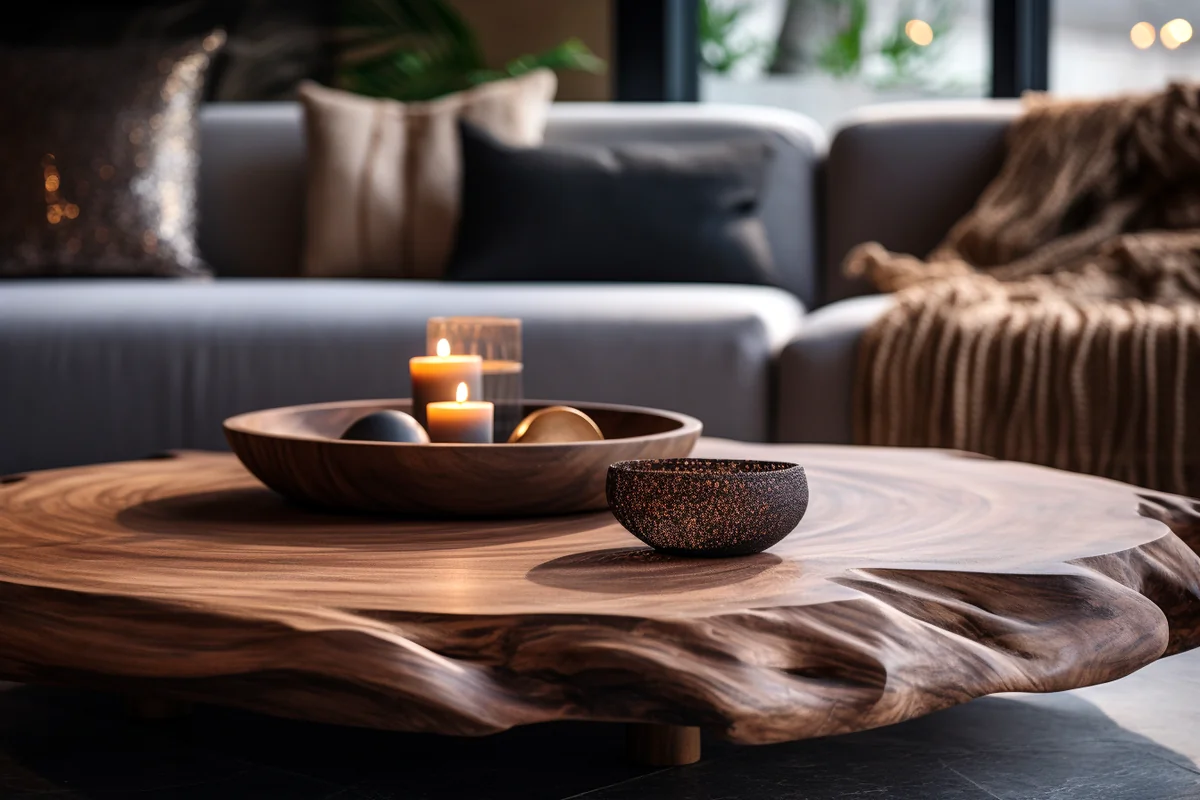
The essence of Contemporary Organic and Modern Tropical design is a deep respect for natural materials and forms. This philosophy dictates a departure from rigid, angular lines, embracing instead the gentle curves, tactile textures, and inherent imperfections found in nature. The ‘why’ is simple: these elements create a sense of warmth, authenticity, and calm, grounding the sophisticated modern aesthetic with an earthy, approachable feel. For multi-level spaces, this means selecting furnishings and finishes that echo the environment – think live-edge wood tables that celebrate the tree’s natural shape, pebble-shaped coffee tables, or sofas with soft, rounded profiles. Materials like rough-hewn timber, polished or honed natural stone (travertine, marble, slate), rattan, bamboo, and woven jute are not just decorative; they are foundational. They introduce a rich tapestry of textures that invites touch and exploration. Practical styling advice involves layering these materials thoughtfully. Pair a substantial oak console table in the entrance hall with a woven pendant light, or a linen sofa with a raw silk throw. Avoid overly polished or synthetic surfaces; instead, let the natural grain of wood, the subtle variations in stone, and the organic irregularities of handmade ceramics speak for themselves. This creates a space that feels both luxurious and genuinely connected to the earth, fostering a serene atmosphere that is both visually stimulating and deeply comforting.
4. Multi-Level Zoning: Crafting Defined Yet Fluid Spaces
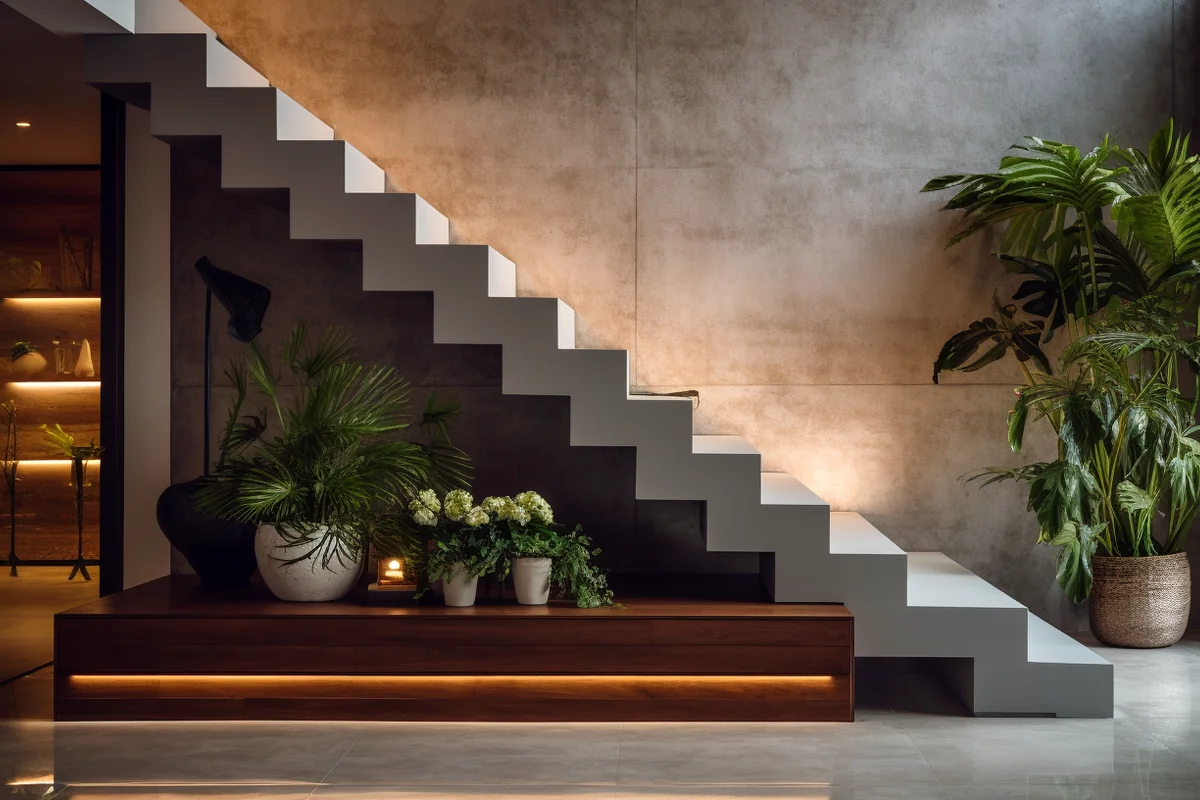
In a spacious, multi-level living room and entrance hall, the challenge is often to prevent the vastness from feeling overwhelming or undefined. Effective zoning is crucial, creating distinct functional areas while maintaining an open, fluid connection between levels and spaces. The ‘why’ is about optimizing functionality and flow: it guides movement, defines purpose, and creates intimate moments within a grand setting. Rather than solid walls, consider subtle transitions: changes in flooring material (e.g., polished concrete in the entrance flowing into warm wood in the living area), elevated platforms, or strategic furniture placement can delineate zones without sacrificing an open feel. For example, a sunken living room instantly creates a cozy, defined conversation pit. Low-level partitions, such as a slatted timber screen or a large, linear planter filled with lush greenery, can offer visual separation without blocking light or air. Area rugs are powerful zoning tools, anchoring seating arrangements and adding warmth and texture. Practical styling advice includes ensuring each zone has a clear purpose – a main lounge area, a quiet reading nook by a window, a dedicated entrance hall seating zone for removing shoes. Textural pairings like a plush wool rug defining a seating area against a backdrop of smooth plaster walls, or a woven screen providing privacy while allowing light to filter through, enhance both the aesthetic and functional aspects of these defined spaces, maintaining the Contemporary Organic flow.
5. Curated Furnishings & Intentional Textural Layers
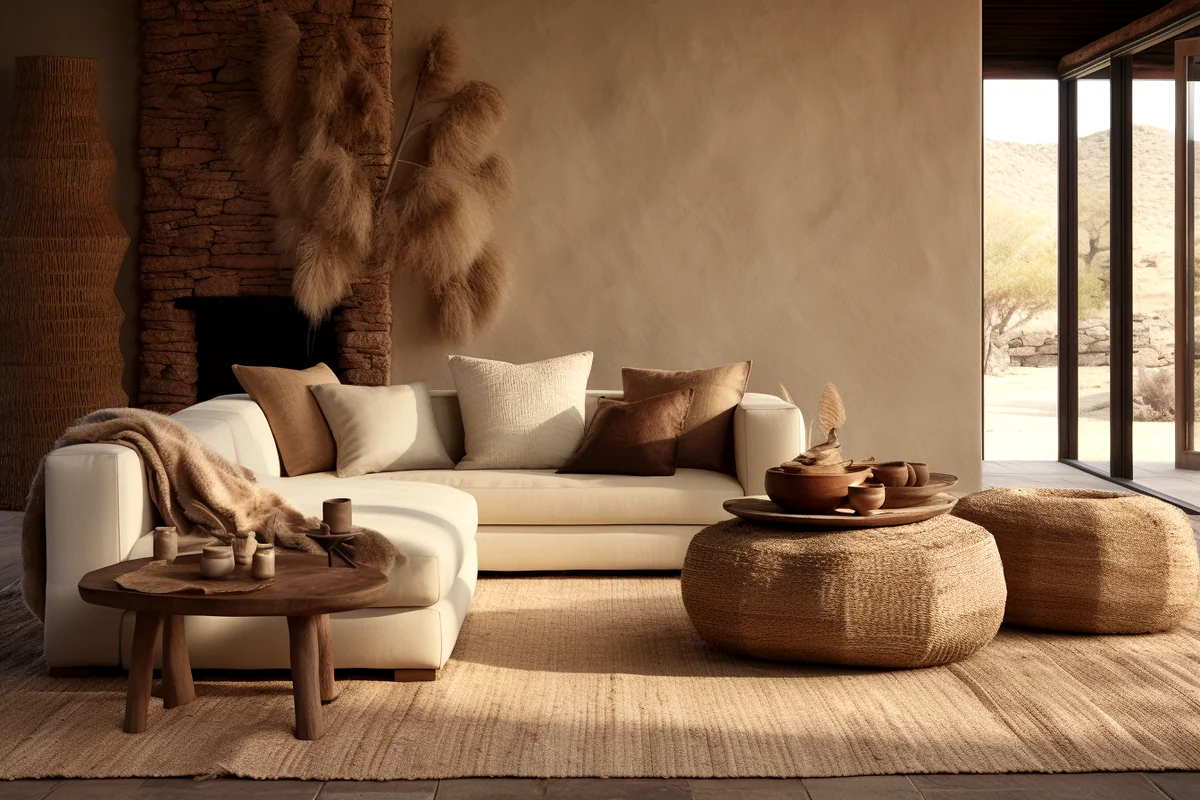
The furniture in a Modern Tropical, Biophilic, and Contemporary Organic space should be more than just functional; it should be an extension of the natural world, curated for comfort, aesthetics, and sustainability. For multi-level living areas, select pieces that offer both grandeur and inviting intimacy. The ‘why’ behind this curation is to provide visual interest, tactile comfort, and to reinforce the overall design narrative. Opt for low-slung, deep-seated sofas and lounge chairs in natural, breathable fabrics like linen, cotton, or raw silk. Modular pieces can offer flexibility, adapting to various social configurations. Introduce accent tables crafted from reclaimed wood, stone, or woven materials like rattan or bamboo. Poufs and ottomans, upholstered in earthy tones or natural fibers, add versatility and extra seating. Layering is key to adding depth and warmth: rich throws in natural wool or boucle, an array of cushions in varying textures and subtle patterns (think botanical prints or abstract organic shapes), and statement rugs made of jute, sisal, or hand-knotted wool. Practical styling advice involves selecting a neutral base palette – creams, sands, soft greys – and introducing pops of color through deep forest greens, earthy terracotta, or muted blues, mirroring nature’s own spectrum. Textural pairings are fundamental: the smooth coolness of a stone tabletop contrasting with the softness of a linen sofa, or the ruggedness of a woven rug against a sleek concrete floor, create a sensory-rich environment that is both luxurious and deeply comforting.
6. Statement Lighting: Sculpting Ambiance & Form
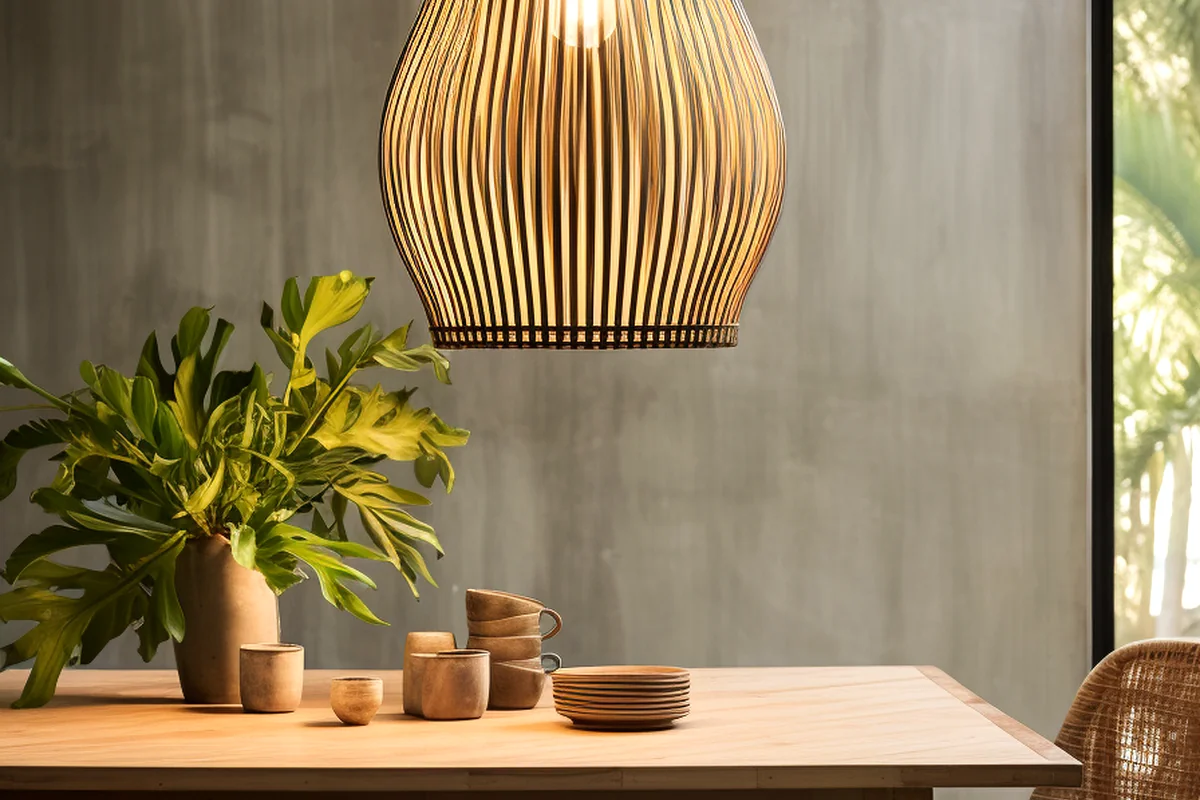
Lighting in a multi-level Modern Tropical space transcends mere illumination; it becomes an architectural element, a sculptural accent, and a master of ambiance. The ‘why’ is multifaceted: it highlights the grandeur of high ceilings, defines zones, creates focal points, and, crucially, sets the mood from energetic daytime to serene evening. For vast volumes, a single, oversized pendant light or a cluster of cascading fixtures over a stairwell or double-height living area can become a breathtaking centerpiece, drawing the eye upwards and emphasizing the verticality of the space. Beyond grand statements, a layered lighting scheme is essential. Recessed lighting provides ambient general illumination, while floor lamps and table lamps offer task lighting and intimate pools of light for reading nooks or conversation areas. Wall sconces, especially those made from natural materials or casting interesting shadow patterns, can add atmospheric glow and highlight textured walls. Practical styling advice includes utilizing dimmers on all lighting circuits to allow for versatile mood setting. Choose fixtures crafted from natural materials like woven rattan, bamboo, wood beads, or even recycled glass, reinforcing the Contemporary Organic aesthetic. Warm color temperature bulbs (2700K-3000K) are vital for creating a cozy, inviting atmosphere. The interplay of light and shadow, combined with the textures of the fixtures themselves, contributes significantly to the biophilic experience, mimicking the dappled light of a tropical canopy.
7. Sensory Elements: Soothing Water Features & Aromatics
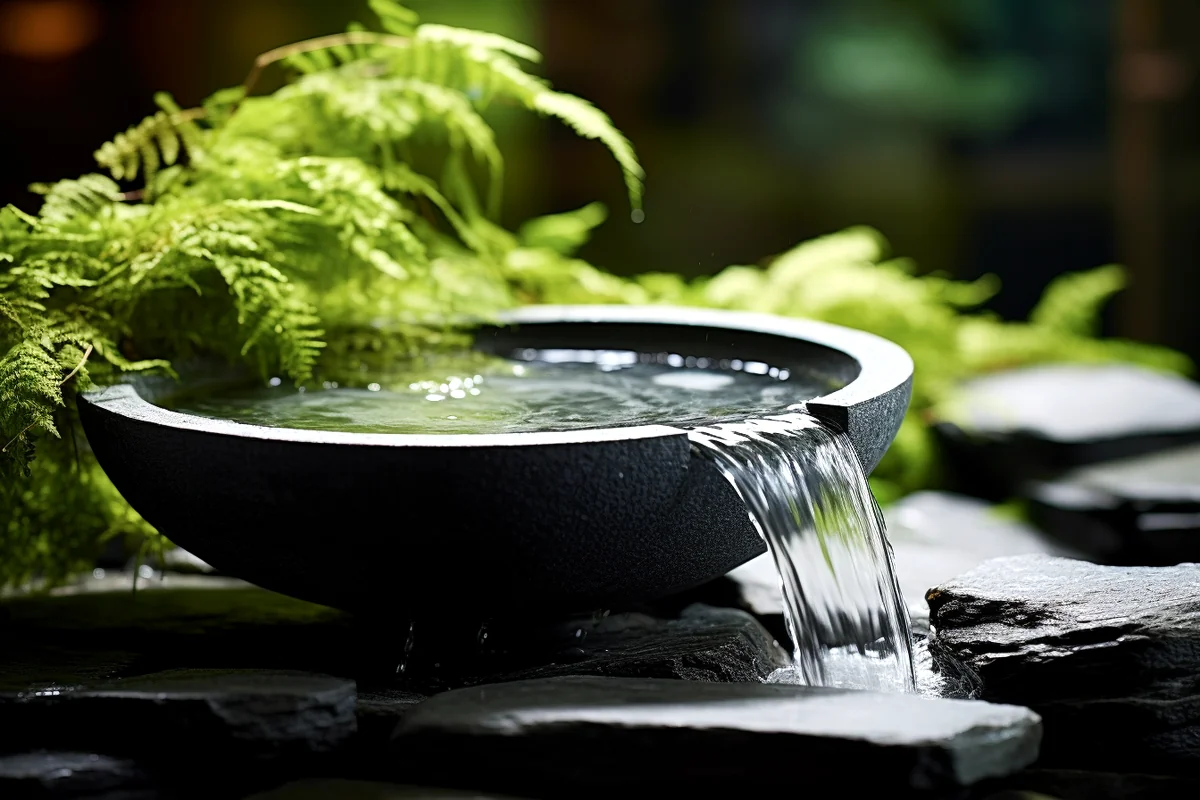
To truly immerse the multi-level home in a Modern Tropical and Biophilic experience, engaging all the senses is crucial. The gentle sound of flowing water and subtle, natural aromas can dramatically enhance the tranquility and restorative qualities of a space. The ‘why’ is rooted in biophilic principles: the presence of water has a calming effect, reduces stress, and adds a natural humidity to the air, while natural scents can evoke a sense of peace and connection to the outdoors. For a grand entrance hall or a spacious living area, consider an integrated indoor water feature – perhaps a shallow reflecting pool at the base of a staircase, or a subtle wall-mounted fountain with a gentle trickle. These features not only provide soothing auditory input but also act as visually captivating sculptural elements. Practical styling advice includes ensuring proper drainage and maintenance for water features, and choosing pumps that operate quietly. For aroma, rather than artificial air fresheners, opt for natural essential oil diffusers with scents like sandalwood, cedarwood, eucalyptus, or subtle floral notes that evoke a natural, tropical forest. Strategically placed diffusers can subtly scent different levels, creating a cohesive sensory journey throughout the home. Textural pairings for water features often involve smooth, polished stone or river pebbles at the base, contrasting with the fluid movement of water, enhancing the Contemporary Organic feel and inviting a moment of calm reflection.
8. Nature-Inspired Art & Sculptural Accents

In a spacious, multi-level environment, art and sculptural accents play a vital role in adding personality, focal points, and reinforcing the Modern Tropical, Biophilic, and Contemporary Organic themes without being overly literal. The ‘why’ is to elevate the aesthetic, tell a story, and introduce elements of wonder and contemplation. For expansive walls or double-height spaces, large-scale abstract art with organic shapes, earthy color palettes, or botanical motifs can make a dramatic statement. Think canvases that evoke swirling water, lush canopies, or abstract interpretations of natural textures. Beyond paintings, consider sculptural elements crafted from natural materials – a towering piece of driftwood, a polished stone sculpture, or a large, intricately woven wall hanging made from natural fibers like jute or sisal. These pieces add three-dimensional interest and tactile appeal. Practical styling advice suggests a ‘less is more’ approach; allow each significant piece to breathe and command its space rather than cluttering. In the entrance hall, a single, striking sculptural element on a console table or a grand floor sculpture can set an immediate tone. Textural pairings are key: a rough-hewn timber sculpture against a smooth, light-colored wall, or a vibrant botanical print framed in natural wood above a linen-upholstered bench. These curated accents deepen the connection to nature and elevate the overall sophistication of the design, ensuring every glance offers a moment of aesthetic pleasure.
9. Seamless Indoor-Outdoor Transition Zones
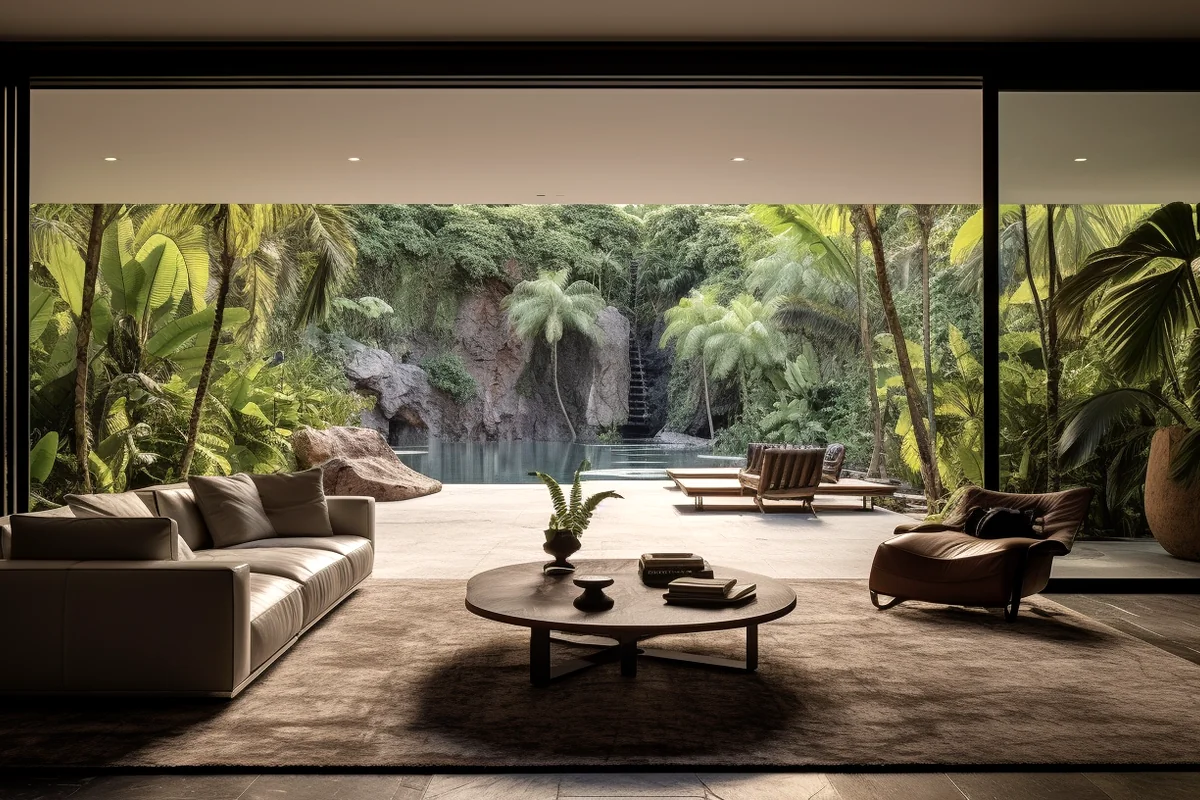
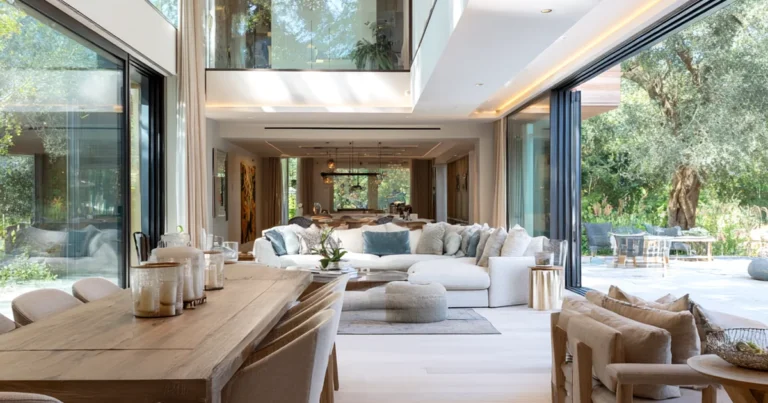
One of the hallmarks of Modern Tropical and Biophilic design is the blurring of boundaries between interior and exterior spaces. For a multi-level home, creating seamless indoor-outdoor transition zones effectively expands the living area, floods the interior with fresh air, and enhances the connection to nature. The ‘why’ is rooted in the desire to live in harmony with the environment, allowing the home to breathe and its occupants to effortlessly move between different ambiances. Large sliding glass doors, bifold doors, or expansive pivot doors are key architectural elements that can literally open up an entire wall to the outside. Consistency in flooring materials is crucial for this seamless effect – consider using the same large-format porcelain tiles, natural stone pavers, or even durable engineered wood that can withstand both indoor and outdoor conditions. Extend the style of your indoor living room to an adjacent outdoor lounge area with complementary furniture, weather-resistant fabrics, and similar planting schemes. Practical styling advice includes integrating pergolas or retractable awnings over outdoor seating areas for shade and comfort. Choose outdoor furniture made from natural materials like teak, acacia, or recycled plastics that mimic organic forms. Plantings should appear to flow uninterrupted from the interior out into the garden, reinforcing the idea of a continuous, living landscape. This creates an expansive, airy feel that is deeply refreshing and inherently luxurious, making the most of your home’s connection to its surroundings.
10. The Grand Welcome: Elevating the Entrance Hall
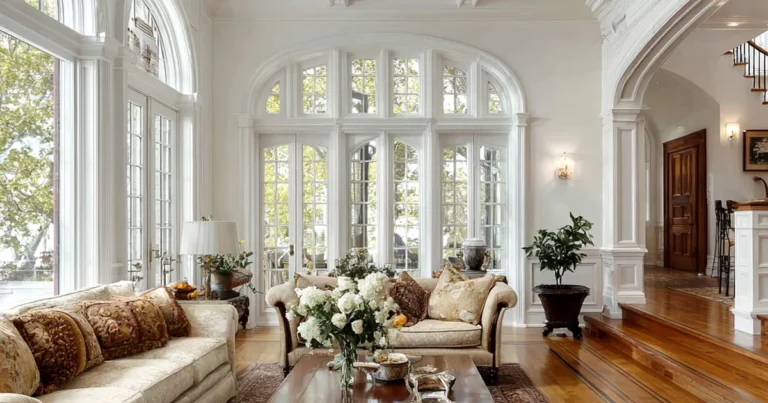
The entrance hall of a multi-level home is more than just a thoroughfare; it’s the first impression, setting the tone for the entire Modern Tropical, Biophilic, and Contemporary Organic experience within. Its design should be both functional and breathtaking, guiding visitors into the home with a sense of wonder and tranquility. The ‘why’ is about creating an immediate connection to the home’s design philosophy, offering a moment of transition from the outside world to a personal oasis. For a grand entrance, scale is important. Think beyond a simple console table to a statement piece that can hold its own in a vast space. A substantial console table crafted from live-edge wood or solid stone serves as an anchoring element. Above it, a large, organically shaped mirror or a striking piece of nature-inspired art creates a focal point and reflects light, expanding the perceived space. A grand-scale plant, such as a towering Areca palm or a cluster of varied foliage, immediately infuses biophilic energy. Integrated seating, perhaps a long, low bench upholstered in natural linen, provides a practical spot for removing shoes while maintaining aesthetic appeal. Captivating lighting, such as an oversized pendant or a series of delicate woven lanterns, draws the eye upward, emphasizing the verticality of the multi-level space. Practical styling advice includes keeping the area uncluttered, using woven baskets for discreet storage, and selecting pottery or decorative objects that echo the natural material palette of the home. Textural pairings of solid wood, cool stone, and the softness of woven textiles create an inviting, sophisticated welcome.
We’ve journeyed through ten deliberate strategies to transform your spacious, multi-level living room and entrance hall into a modern tropical, biophilic, and contemporary organic masterpiece. From the strategic integration of living greenery and the thoughtful selection of organic materials to defining distinct zones and crafting seamless indoor-outdoor connections, each element plays a vital role in creating a harmonious and invigorating environment. We’ve explored how maximizing natural light and views not only brightens your space but also nourishes your soul, and how curated furnishings and sensory elements elevate the comfort and unique character of your home. This design philosophy isn’t merely about aesthetics; it’s about fostering a profound sense of well-being. By inviting nature indoors and embracing sustainable, tactile materials, you’re not just decorating a house; you’re cultivating a home that breathes, rejuvenates, and inspires. The result is a space that feels both grand and intimate, sophisticated and utterly serene, a personal oasis that reflects a deep appreciation for both design excellence and the natural world. It’s a testament to living consciously, surrounded by beauty that heals and uplifts. Whether you’re embarking on a full renovation or simply seeking to refresh your current space, these principles offer a robust framework for creating an environment that resonates with peace and natural elegance. Each recommendation is designed to work synergistically, building layers of comfort, style, and biophilic benefit. Embrace the power of modern tropical design, biophilic integration, and contemporary organic forms to craft a multi-level haven that truly transcends the ordinary, inviting you to live in perpetual harmony with nature’s timeless beauty. Your tropical oasis awaits, ready to inspire and restore.