Elevate Your Open-Concept: 10 Biophilic & Modern Organic Design Secrets
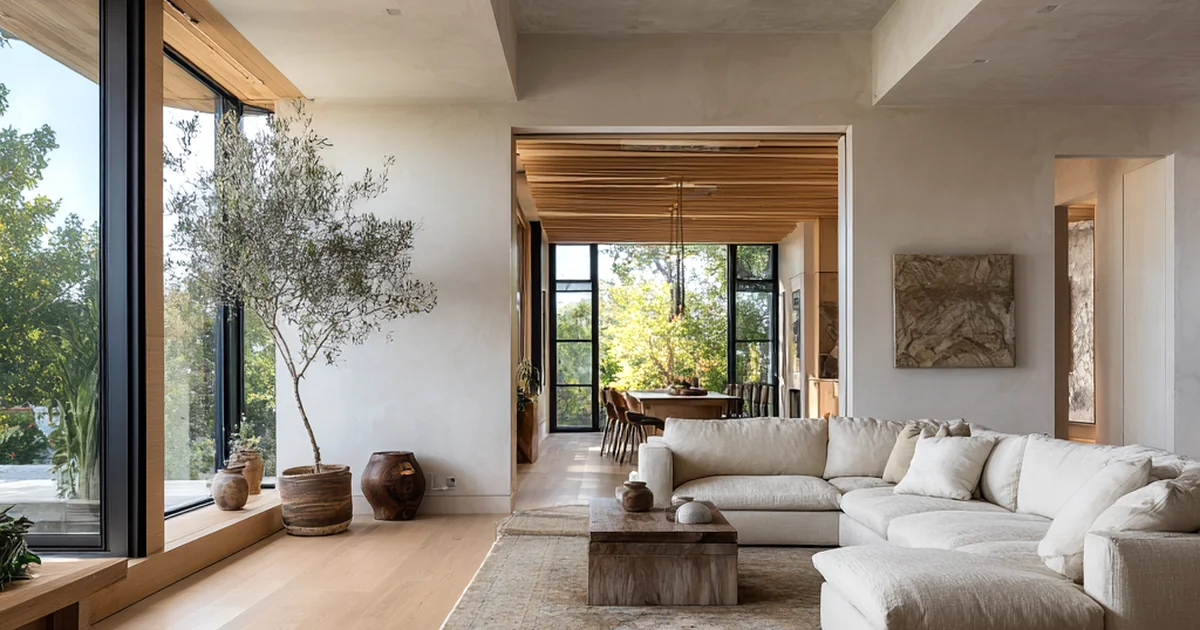
The allure of open-concept living is undeniable. It promises spaciousness, seamless flow, and a profound sense of connection within your home. Yet, transforming this vast potential into a cohesive, aesthetically pleasing, and functional reality can be a significant design challenge. How do you define distinct zones without erecting walls? How do you maintain a sense of intimacy within an expansive area? The answer lies in a thoughtful blend of Biophilic, Modern Organic, Contemporary, Natural, and Warm Minimalist design principles. This sophisticated fusion moves beyond stark modernism, embracing the inherent beauty of the natural world while upholding clean lines and uncluttered spaces. Biophilic design, at its heart, aims to connect inhabitants with nature, promoting well-being and tranquility through natural light, materials, and living elements. Modern Organic softens contemporary aesthetics with tactile textures, irregular forms, and an earthy color palette, creating environments that feel both current and timelessly comfortable. Paired with a Natural aesthetic, which prioritizes authentic, unprocessed materials, and Warm Minimalist principles that strip away excess without sacrificing comfort, this approach creates an interior that is both breathtakingly elegant and profoundly inviting. Imagine a living room that flows effortlessly into a state-of-the-art kitchen, then into a serene dining area, all while feeling harmoniously connected by a shared design language. This isn’t just about knocking down walls; it’s about artfully crafting a narrative where each space complements the next, fostering a sense of calm and clarity. In this comprehensive guide, we’ll unveil ten expert strategies to help you master the art of open-concept living. From strategic spatial planning to the judicious use of textures and lighting, you’ll discover how to create a breathtaking biophilic and modern organic sanctuary that is as functional as it is beautiful.
1. Masterful Zonation: Defining Spaces Without Walls
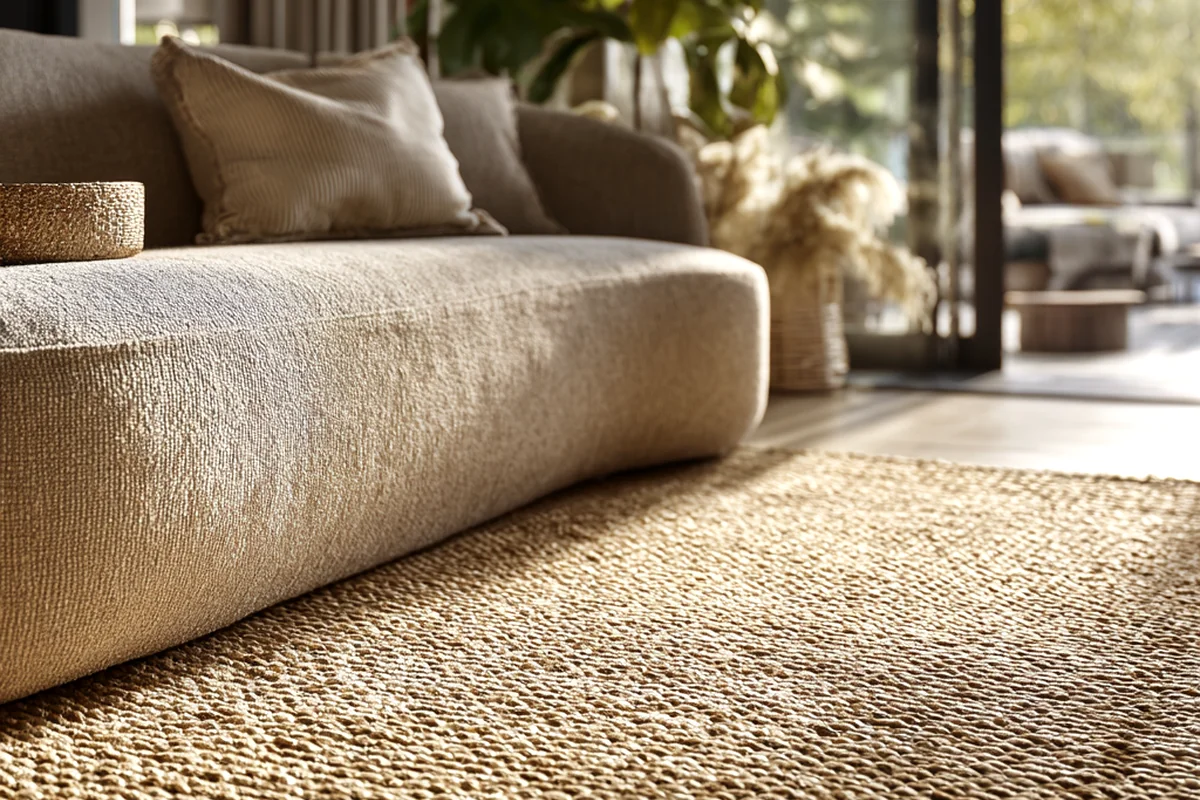
The cornerstone of successful open-concept design is the art of subtle zonation. Instead of physical barriers, we employ visual cues to delineate different functional areas while preserving an expansive feel. Begin with strategic rug placement; a large, textured wool or jute rug can anchor your living room, clearly distinguishing it from the adjacent kitchen or dining space. For the dining area, consider a rug that mirrors the table’s shape, creating a defined island of activity. Furniture arrangement is equally crucial. Position the back of a sofa or a console table to act as a gentle divider, creating a ‘soft wall’ that visually separates the living room from the kitchen’s periphery. Low-profile bookshelves or open-shelving units can also serve this purpose, offering storage and display opportunities without blocking sightlines. Experiment with lighting: a cluster of pendants above the dining table or kitchen island immediately signals a specific zone, while ambient floor lamps in the living area create a cozy, distinct mood. Even a change in ceiling height or a subtle shift in flooring material (e.g., wood in the living area transitioning to a large-format tile in the kitchen) can artfully define boundaries, maintaining flow while providing distinct purpose to each area.
2. Biophilic Integration: Nurturing Nature Indoors
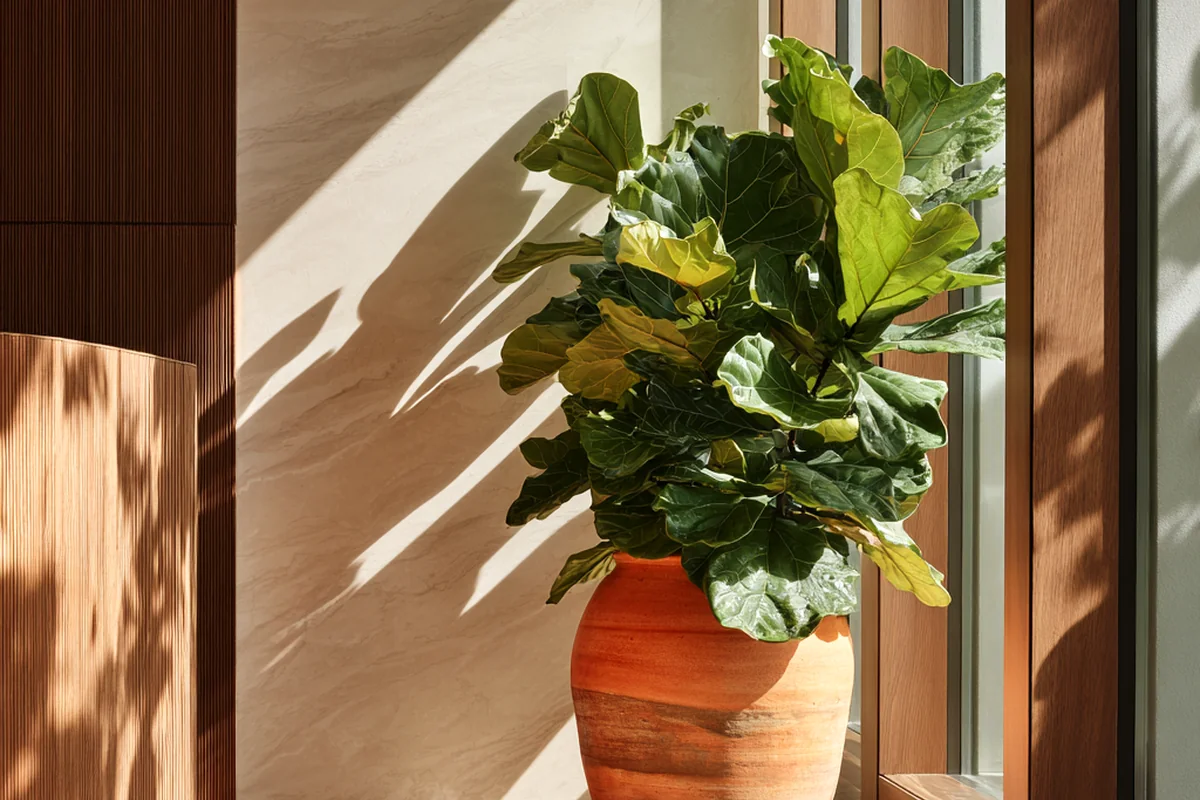
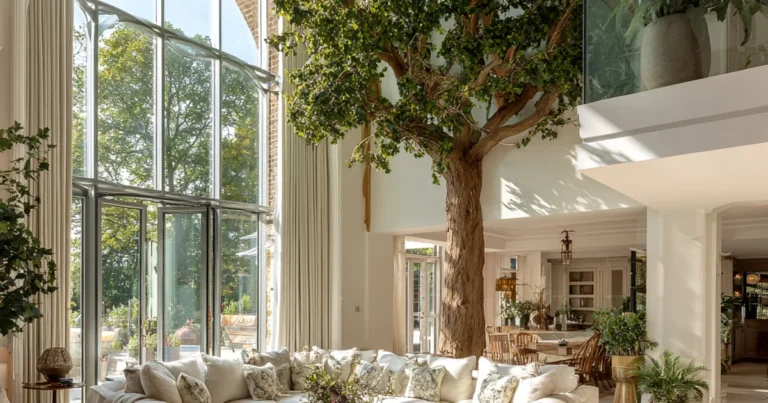
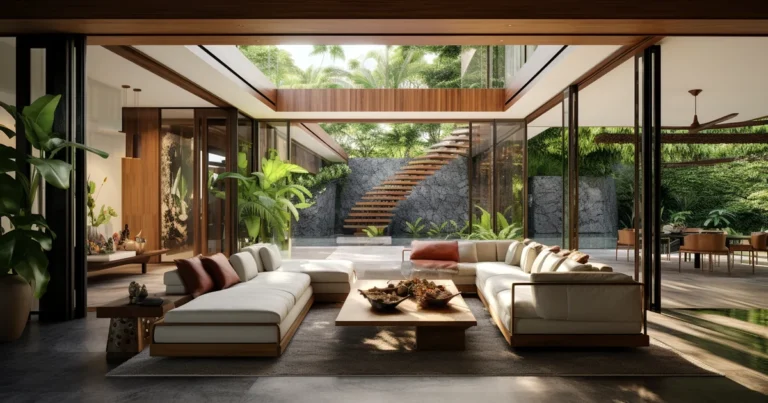
Embracing biophilic design is paramount in creating a harmonious, open-concept space that soothes the soul. This principle goes beyond merely adding plants; it’s about fostering a profound connection to the natural world within your home. Maximize natural light by ensuring windows are unobstructed, perhaps opting for sheer, natural linen curtains that filter rather than block light. Consider strategically placed mirrors to amplify natural illumination and reflect outdoor views, blurring the lines between inside and out. Introduce an abundance of living plants, varying their sizes and species to create visual interest and improve air quality. Large, sculptural plants like Fiddle Leaf Figs or Olive Trees can anchor a corner, while smaller trailing plants or succulents add charm to shelves and tabletops. Incorporate natural materials throughout: a raw wood coffee table, stone countertops, jute poufs, or a woven rattan armchair instantly bring an organic texture and warmth. Even subtle elements like a bowl of polished river stones or a small, tabletop water feature can evoke a sense of calm and connection to nature, infusing your open space with vital, refreshing energy.
3. The Modern Organic Palette: Earthy Hues & Natural Textures
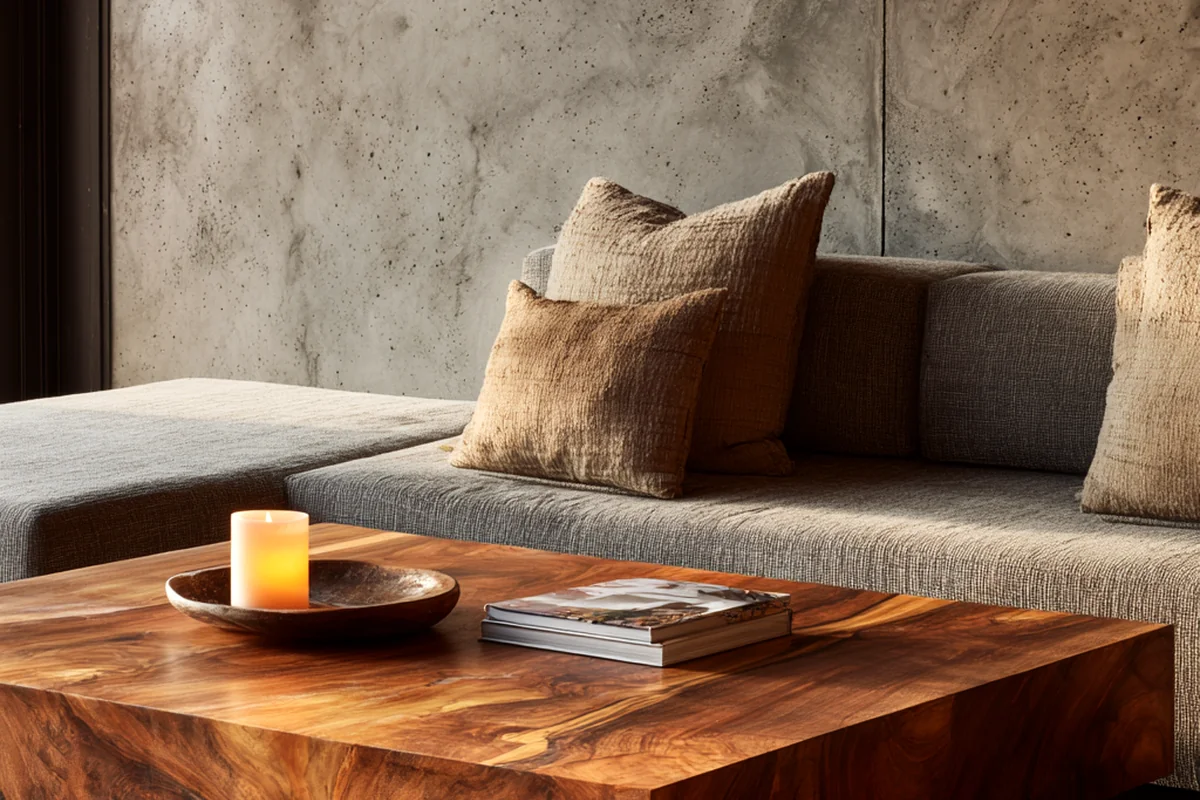
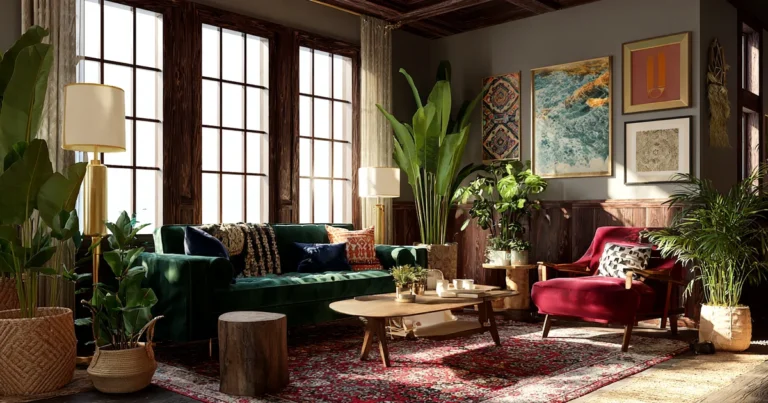
The foundation of a cohesive biophilic and modern organic open concept lies in its serene color and material palette. Opt for a spectrum of earthy neutrals that evoke the outdoors: warm whites, creamy beiges, soft greys, taupes, muted sage greens, and terracotta undertones. These colors create a calming backdrop that allows natural light to play beautifully and prevents the vastness of an open space from feeling cold or sterile. Pair these hues with an emphasis on authentic, unprocessed materials. Think light-toned woods like white oak or ash for flooring and cabinetry, offering warmth and natural grain. Introduce stone elements such as travertine, limestone, or a subtly veined marble for countertops or a fireplace surround, lending a touch of grounded elegance. Textiles should follow suit: linen, organic cotton, wool, and boucle fabrics for upholstery, throws, and curtains add layers of inviting texture. Avoid stark, high-contrast colors and synthetic materials, which can disrupt the natural, calming aesthetic. The goal is to create a soft, inviting visual flow that feels inherently connected to the earth.
4. Strategic Layered Lighting: Ambiance & Function
Lighting is a powerful tool in an open-concept layout, serving both functional and aesthetic purposes to define zones and set the mood. Employ a layered lighting approach, combining ambient, task, and accent lighting. Ambient lighting, such as recessed fixtures, cove lighting, or a central statement pendant, provides overall illumination and uniform brightness across the entire space. This foundational layer should be soft and warm, ideally in the 2700K-3000K range to enhance the cozy, biophilic atmosphere. Task lighting is crucial for specific activity areas: under-cabinet lighting in the kitchen, a dramatic pendant over the dining table, or a focused floor lamp beside a reading nook in the living room. These fixtures highlight work zones and add visual interest. Finally, accent lighting, like picture lights for artwork, uplights for plants, or dimmable wall sconces, creates focal points and adds depth. Install dimmers on most fixtures to allow for flexible control over intensity, enabling you to effortlessly transition from bright, functional illumination during the day to a warm, intimate glow for evening entertaining, enhancing the dynamic nature of your open space.
5. Furniture as Flow Facilitators: Guiding Movement with Grace
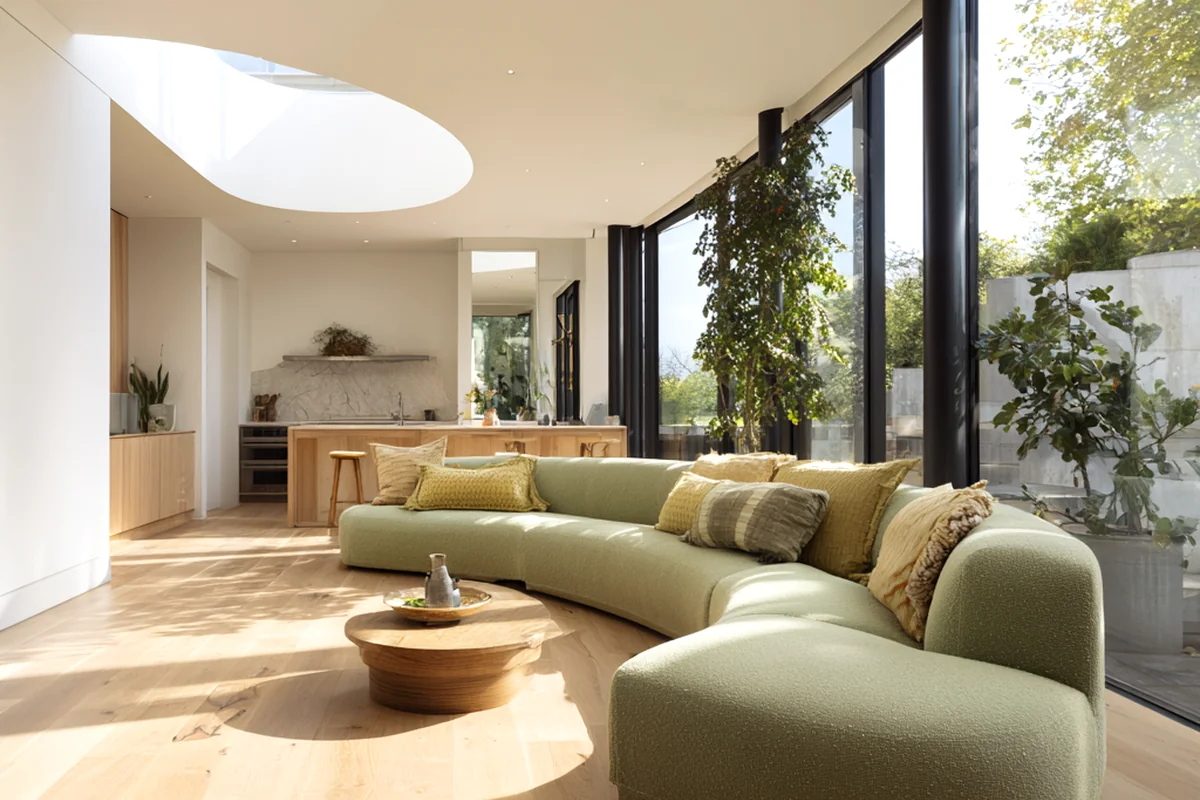
In an open-concept environment, furniture isn’t just about comfort; it’s about guiding movement and maintaining visual lightness. Choose pieces that facilitate an effortless flow between zones, avoiding overly bulky or heavy designs that can obstruct sightlines or make the space feel cramped. Low-profile sofas with clean lines and armless chairs are excellent choices, offering comfort without imposing visual weight. Opt for furniture with exposed legs or open bases to allow light and air to pass through, reinforcing the sense of spaciousness. Prioritize natural materials and soft, organic shapes. A rounded coffee table or an oval dining table can soften the room’s geometry and encourage smoother transitions. Ensure there’s a consistent design language in materials and colors across your furniture selections in different zones. For instance, if your living room sofa features a natural linen fabric, echo that texture or color in your dining chairs or kitchen bar stools. Arrange furniture to create clear pathways, ensuring easy navigation from the living area to the kitchen and dining space, fostering an inviting and functional flow throughout your home.
6. The Integrated Kitchen: A Modern Organic Culinary Hub
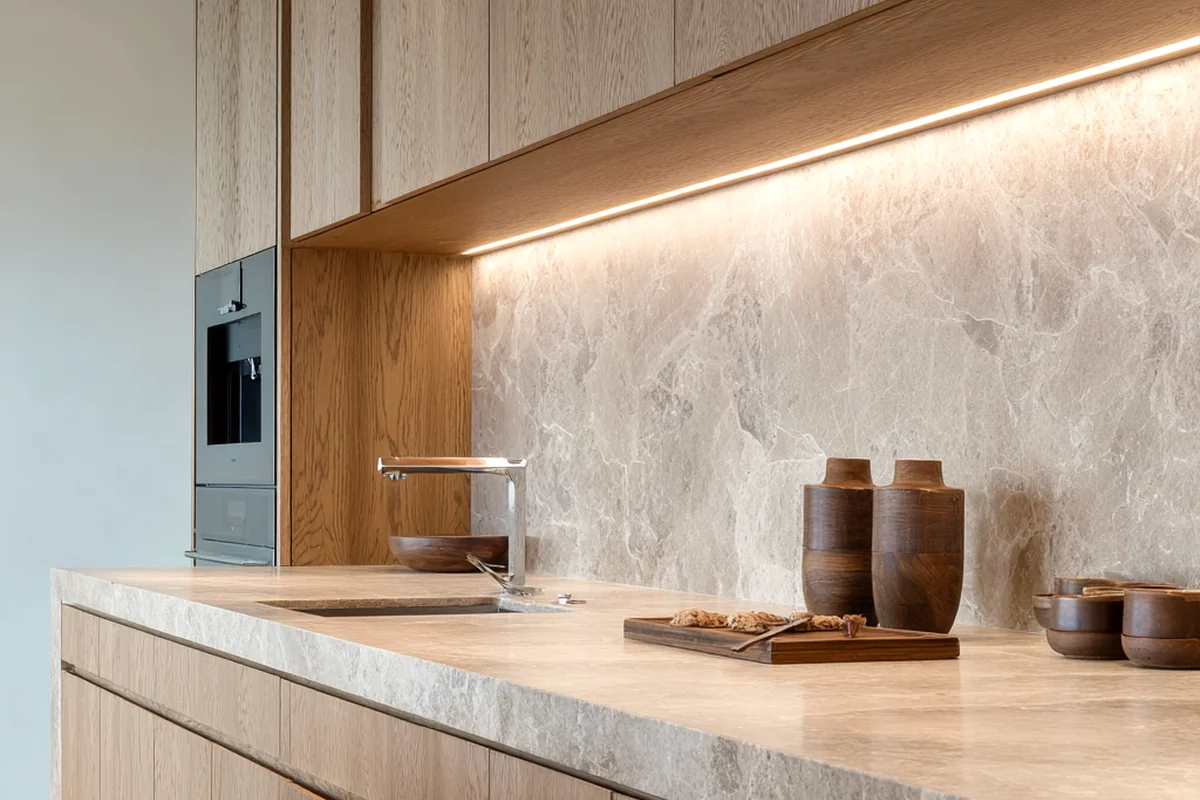
In an open-concept layout, the kitchen is often the visual and social heart of the home, demanding seamless integration with adjacent living and dining areas. Embrace a modern, minimalist aesthetic for cabinetry, opting for flat-panel, handleless designs in natural wood tones like light oak or walnut, or a warm matte white or grey. This creates a clean, uncluttered backdrop that blends effortlessly into the overall scheme. Countertops should continue the natural material story; consider quartz with subtle veining, honed granite, or a sophisticated travertine that complements the earthy palette. Conceal appliances behind integrated panels to maintain a sleek, uniform look. A waterfall island design, where the countertop material flows down the sides, creates a sculptural, furniture-like element that acts as a focal point without being overly decorative. Open shelving with carefully curated natural ceramics, wooden bowls, or small plants can add personality and warmth, ensuring the kitchen feels like an extension of your living space rather than a separate, utilitarian zone. It becomes a refined stage for both culinary creation and social interaction.
7. Dining Area Harmony: An Inviting Natural Gathering Spot
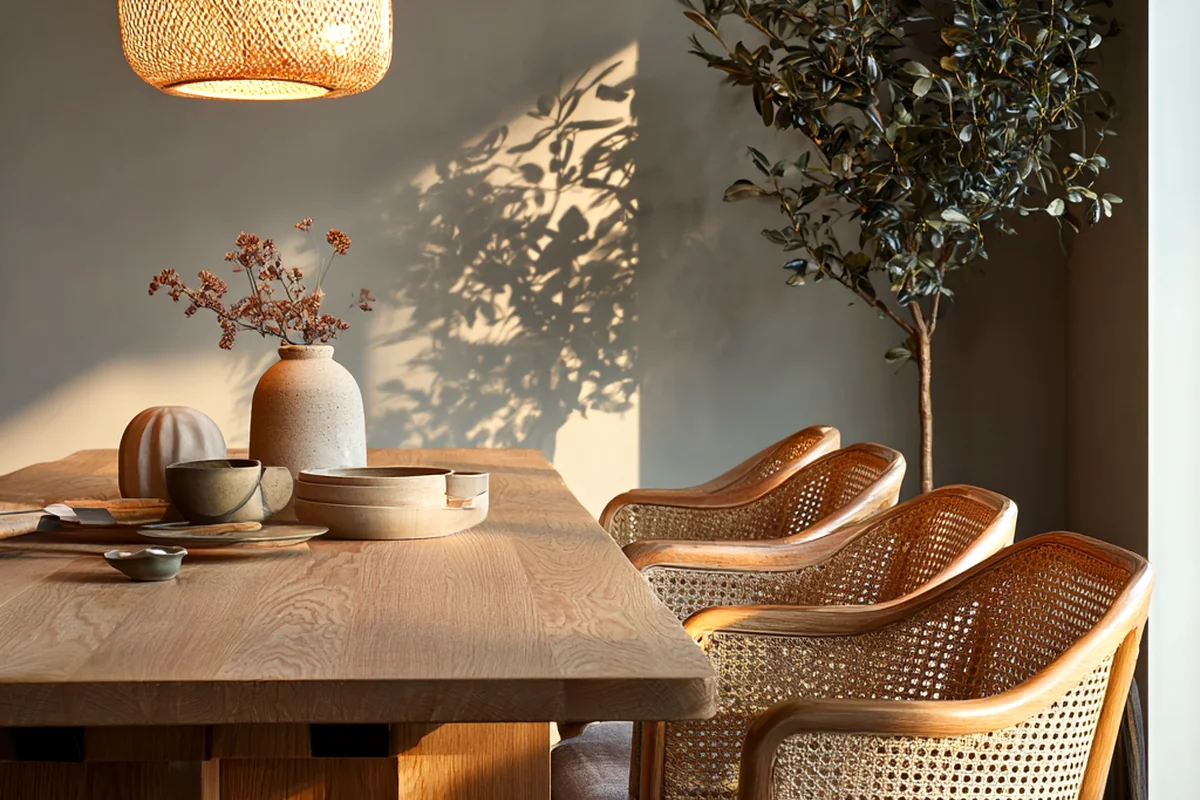
The dining area in an open-concept space must strike a delicate balance: feeling distinct enough for intimate meals, yet entirely harmonious with its surroundings. The table itself often serves as the central anchor. Opt for a solid wood dining table – perhaps a live-edge slab for a raw organic feel, or a refined light oak with clean lines for a more contemporary touch. The warmth of natural wood is essential here, grounding the space. Pair the table with comfortable, inviting chairs upholstered in natural fabrics like linen, boucle, or even a soft leather in an earthy tone. Consider chairs with a subtle curve or organic shape to soften the area’s geometry. A strategically placed pendant light, perhaps a sculptural design made from natural fibers or a minimalist metal fixture with a warm glow, will define the zone without creating a visual barrier. Keep styling minimalist but warm: a simple ceramic vase with dried botanicals, a wooden fruit bowl, or a selection of handcrafted placemats can elevate the space, ensuring it feels both sophisticated and welcoming for everyday meals and special occasions alike.
8. Textural Richness: A Sensory Tapestry of Depth
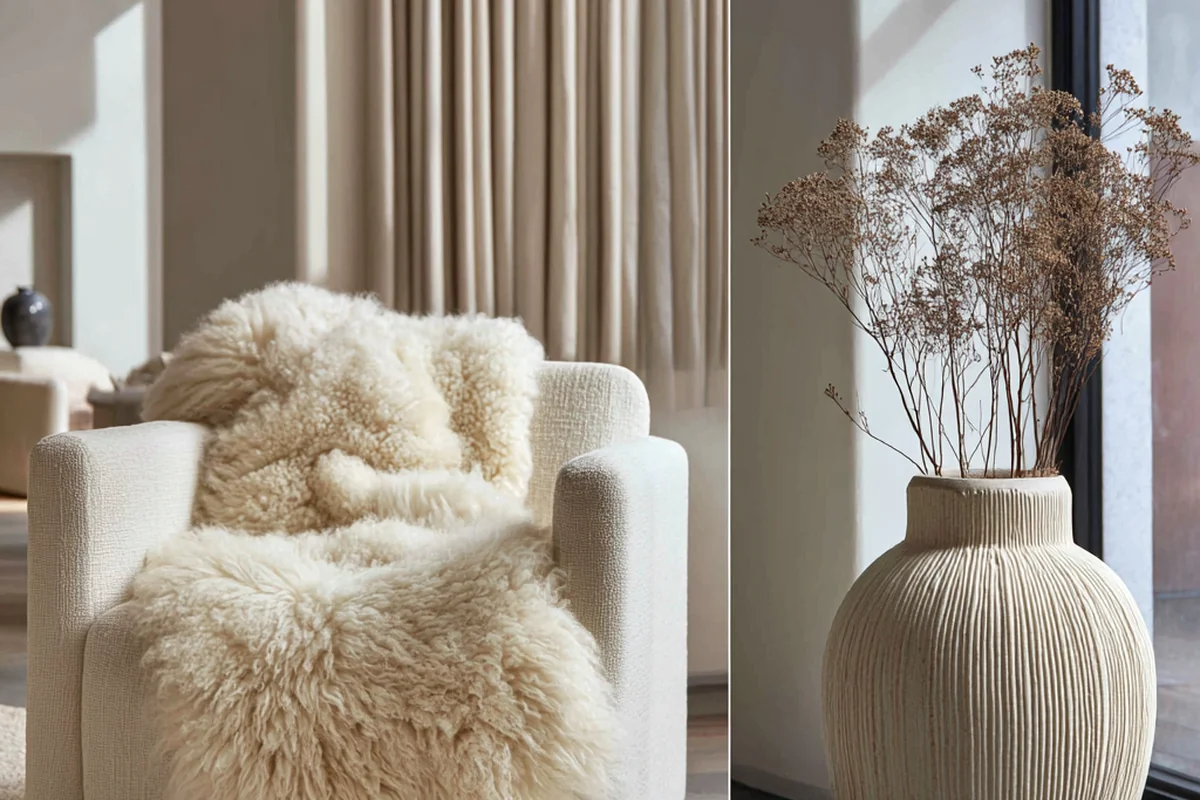
To prevent an open-concept space from feeling flat or sterile, introduce a diverse array of textures that appeal to both sight and touch. This textural richness is key to achieving that coveted warm minimalist and modern organic aesthetic. Juxtapose smooth, refined surfaces with rough, tactile ones. For example, a polished concrete floor or a sleek glass side table can be beautifully complemented by a chunky knit wool throw, a woven jute rug, or a raw wood console table. Layering is essential: think about soft linen curtains contrasting with a rough plaster wall finish, or a smooth stone countertop against textured ceramic dinnerware. Incorporate materials like boucle, velvet, shearling, or organic cotton for upholstery and cushions to add plush comfort. Don’t shy away from natural elements like exposed brick, reclaimed wood beams, or even a small indoor water feature, which introduces both visual and auditory texture. By thoughtfully combining different textures, you create a sensory landscape that adds depth, visual interest, and an undeniable sense of warmth and inviting comfort to your expansive open space.
9. Curated Art & Organic Decor: Intentional & Impactful
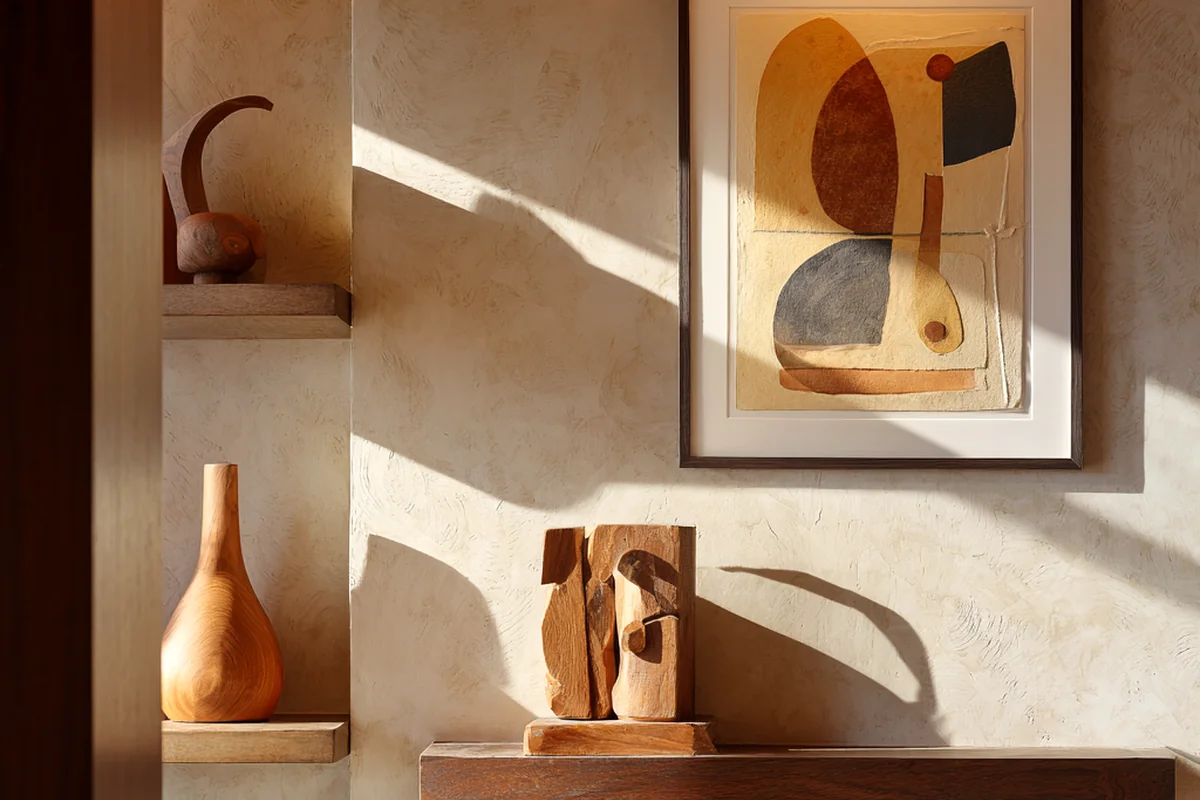
In a warm minimalist, biophilic space, every decorative element must be intentional, enhancing the overall aesthetic rather than contributing to clutter. Think of art and decor as carefully curated statements that reinforce your design philosophy. Opt for large-scale, abstract artwork with organic shapes, muted colors, or natural motifs that evoke landscapes or botanical forms. These pieces can serve as powerful focal points without overwhelming the sense of calm. Embrace sculptural ceramics, handcrafted wooden bowls, or unique stone pieces as tabletop decor. These items celebrate natural imperfections and artisanal craftsmanship. Dried botanicals, such as pampas grass, eucalyptus, or preserved branches, offer a touch of nature without the maintenance of living plants, adding texture and organic form. Avoid excessive small trinkets; instead, select a few impactful pieces that resonate with the natural and minimalist theme. The goal is to create moments of visual interest and beauty that feel effortless and integrated, contributing to the serene, uncluttered atmosphere while reflecting a sophisticated appreciation for natural artistry.
10. Smart Storage & Decluttering: The Minimalist Foundation
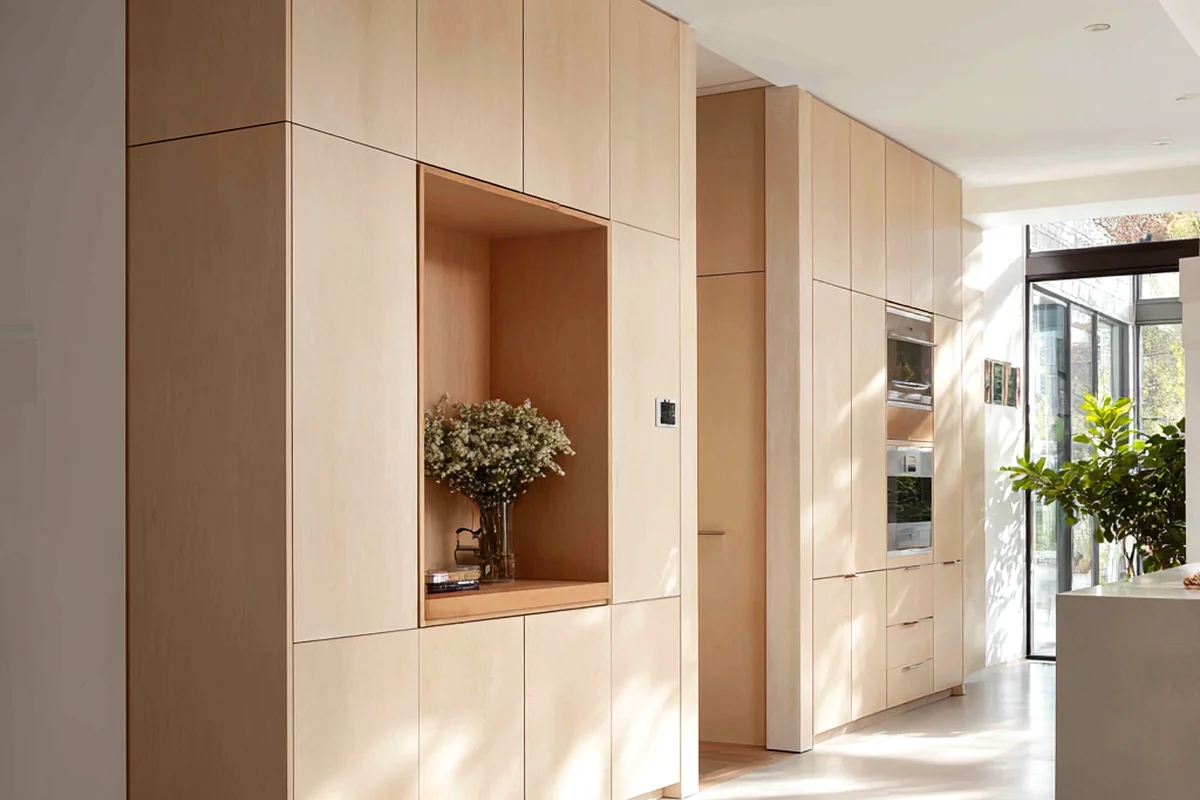
The success of a warm minimalist and open-concept design hinges on effective storage and a commitment to decluttering. An uncluttered space is a calm space, and in an open layout, any visual noise is amplified. Integrate smart storage solutions seamlessly into your design. Built-in cabinetry along a wall can provide ample hidden storage for books, media, and everyday items, maintaining sleek lines and a cohesive look. In the kitchen, prioritize deep drawers, pantry systems, and appliance garages to keep countertops clear. Ottoman storage in the living room can discreetly house blankets or magazines. Utilize stylish baskets made from natural materials like rattan or jute for organizing items in plain sight, adding to the organic aesthetic. Regularly practice the art of decluttering, ensuring that only items that are beautiful, functional, or truly meaningful remain. This disciplined approach to storage and organization is not just practical; it’s fundamental to preserving the serene, expansive feel and allowing the carefully chosen biophilic and modern organic elements to truly shine.
Crafting an open-concept living space that embodies biophilic, modern organic, contemporary, natural, and warm minimalist principles is a journey toward creating a home that truly nurtures the soul. By thoughtfully applying these ten design strategies, you move beyond merely connecting rooms; you weave a cohesive narrative that celebrates nature, promotes well-being, and elevates everyday living. From defining zones with subtle cues to layering textures that invite touch, and from integrating a modern kitchen to curating every piece of art, each decision contributes to a sanctuary of calm and beauty. Embrace the power of natural light, the grounding presence of organic materials, and the serenity of an uncluttered environment. Your open-concept home will become more than just a series of interconnected spaces; it will transform into a flowing, breathable ecosystem that reflects a sophisticated appreciation for design and a deep connection to the world around us. Start small, experiment with textures, and trust your instincts. The result will be a home that not only looks stunning but genuinely enhances your quality of life, offering a peaceful retreat where modern elegance meets the timeless embrace of nature. Create a space where every breath feels like a gentle sigh of contentment.