10 Ways to Transform Your Desk into a Cozy Botanical Sanctuary
Welcome to the ultimate guide on transforming your stark, uninspiring workspace into a lush, productivity-boosting botanical sanctuary. In today’s remote-first and hybrid working world, the home office has evolved from a simple afterthought—a cramped desk shoved into a spare corner—into one of the most vital spaces in our homes. We spend countless hours staring at screens, answering emails, and bringing our creative visions to life. It is absolutely crucial that this environment supports not just our physical posture, but our mental well-being and creative energy. The sterile, cold, and clinically white corporate aesthetic is completely out; instead, we are ushering in the era of biophilic design, warm natural textures, and deeply personal styling. This aesthetic—often referred to as ‘cozy botanical’ or ‘earthy modern’—is fundamentally rooted in the psychological principle that human beings possess an innate desire to connect with nature. By bringing the outdoors inside, layering rich, organic textures, and meticulously controlling the ambient lighting, we can create a workspace that feels less like a cubicle and more like a serene cabin retreat. In this comprehensive guide, we are going to dissect the anatomy of the perfect nature-inspired home office setup. You will learn exactly how to balance high-performance ergonomic technology with rustic, vintage-inspired decor. We will explore the critical importance of a solid wood foundation, the art of layering ambient lighting to completely eliminate eye strain, and the secrets to curating an indoor jungle that thrives even if you don’t have a green thumb. Furthermore, we will delve into spatial arrangement, discussing how to utilize vertical space with stylish pegboards and floating shelves so your desk remains a clutter-free zone of pure focus. Whether you are a digital artist utilizing large drawing tablets, a coder requiring dual vertical and horizontal monitors, or simply someone who wants to enjoy sitting at their desk again, this article will provide you with the actionable, step-by-step interior design advice you need. Get ready to rethink your environment, ditch the harsh overhead lighting, and cultivate a workspace that not only fuels your daily productivity but also deeply nourishes your soul.
1. The Foundation: Anchoring with a Solid Walnut Desk
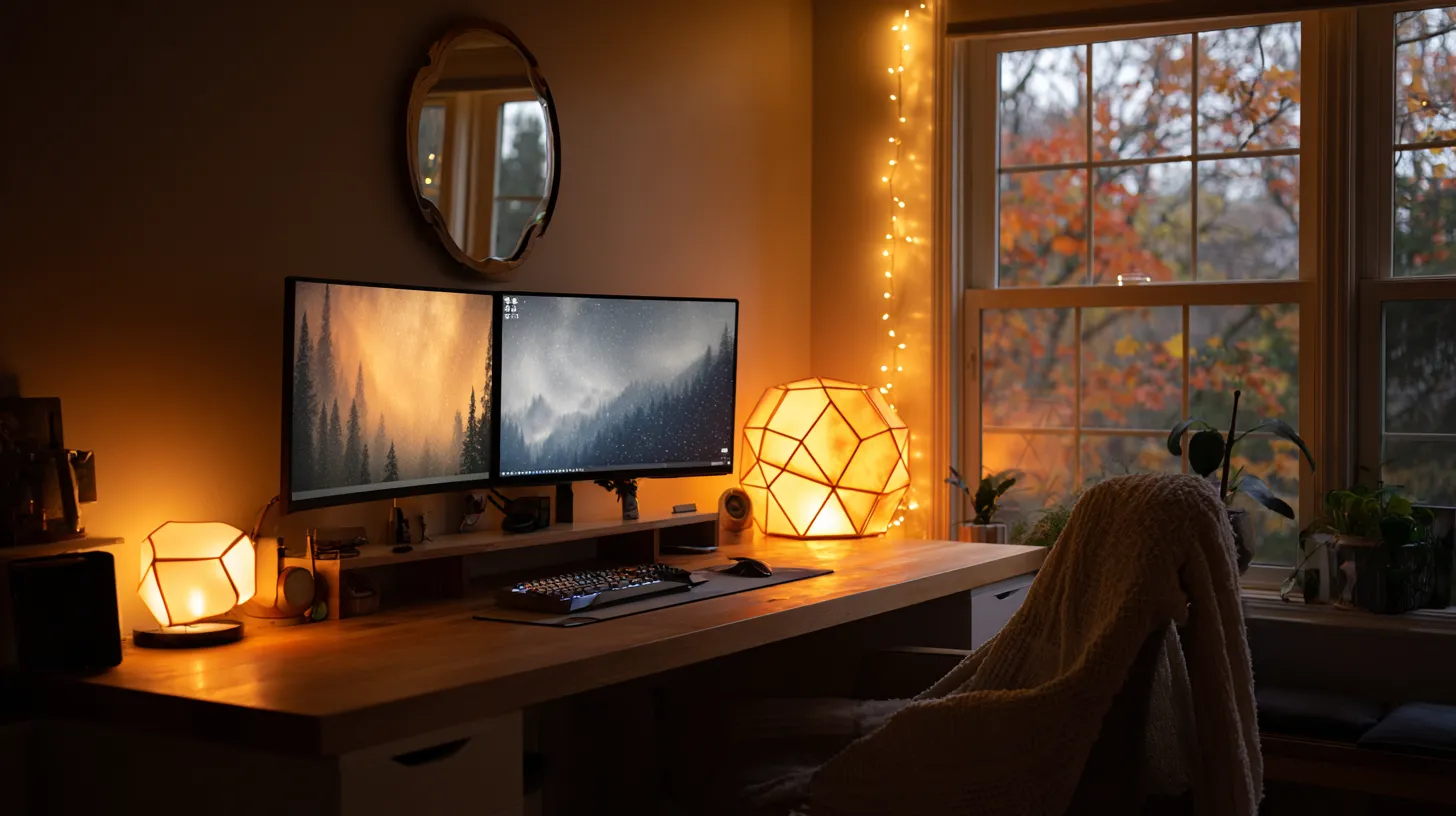
At the very heart of any cozy, earthy workspace lies its foundation: the desk itself. When aiming for a nature-inspired aesthetic, the material of your primary work surface dictates the entire energy of the room. You must completely avoid cold materials like glass, chrome, or stark white melamine, which instantly read as clinical and sterile. Instead, you need to invest in a thick, solid wood desk, preferably in a rich, warm tone like walnut, dark oak, or acacia. Why is this so critical? Psychologically, wood provides a grounding, stabilizing effect. The organic, unpredictable grain patterns draw the eye and provide a subtle, calming visual texture that manufactured materials simply cannot replicate. From a practical styling perspective, a deep walnut desk creates the perfect high-contrast backdrop for modern technology. Black monitor bezels, matte black keyboards, and dark gray drawing tablets look incredibly sleek and intentional when resting on dark wood, whereas they often look harsh and cluttered against white surfaces. When selecting your desk, consider depth just as much as width. A truly ergonomic setup that accommodates a drawing tablet, a keyboard, and proper monitor viewing distance requires a minimum depth of thirty inches. To style this foundation, use an oversized, textured desk mat—perhaps a subtle checkerboard pattern or a deep forest green felt—to protect the wood while simultaneously defining your active working zone. This mat acts as an anchor for your peripherals, creating a tidy workspace on the desk surface itself. Pair this rich wood with matte black metal legs to introduce a subtle industrial edge that prevents the space from feeling too traditional.
2. Biophilic Design: Cultivating an Indoor Jungle
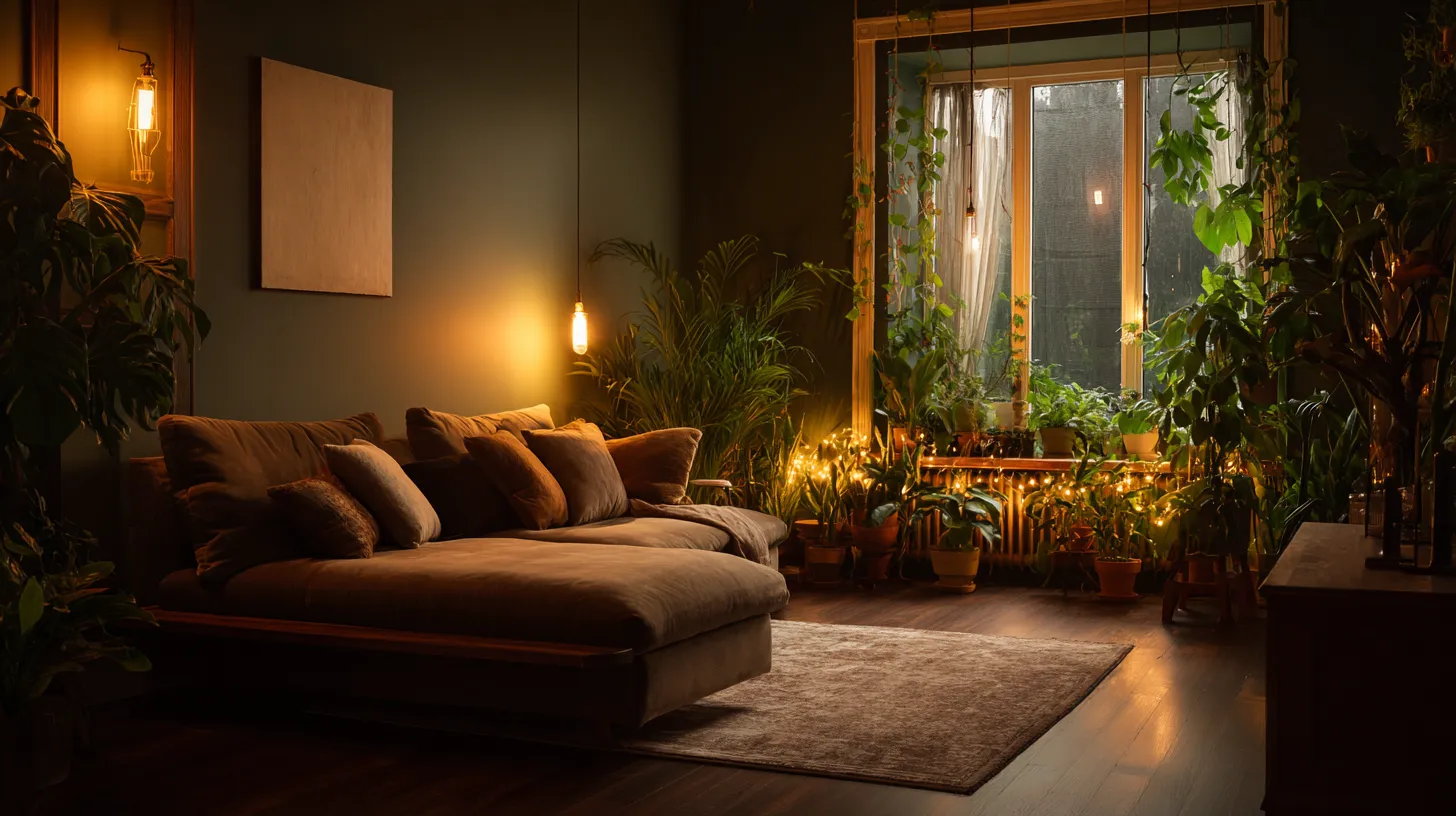
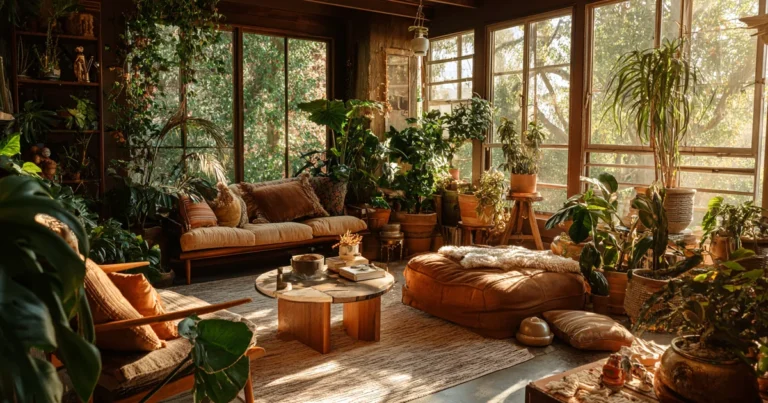
A botanical workspace is entirely defined by its greenery, but successfully integrating plants requires more than just placing a single fern on your desk. True biophilic design is about layering nature at multiple eye levels to create an immersive, canopy-like experience. The key to achieving this look without sacrificing valuable desk real estate is utilizing trailing plants on elevated surfaces. Golden Pothos, Heartleaf Philodendrons, and English Ivy are magnificent choices for high floating shelves; as they grow, their vines cascade downwards, framing your monitors and softening the rigid, rectangular geometry of your technology. On the desk surface itself, keep plant footprints small. A compact Snake Plant or a ZZ plant in a terracotta or matte ceramic pot adds a necessary punch of life without getting in the way of your mouse or drawing tablet. If you have floor space nearby, a large statement plant like a Monstera Deliciosa or a Ficus Lyrata instantly elevates the room’s status, making it feel like a curated conservatory. Beyond aesthetics, incorporating this volume of greenery has profound physiological benefits. Plants actively filter indoor air toxins and release moisture, which can combat the dry air often created by electronics. Psychologically, the color green is inherently restorative; looking away from your glaring screens and resting your eyes on the organic shapes of leaves has been proven to lower cortisol levels and reduce mental fatigue. When styling, mix the textures of your planters—combine raw terracotta, woven baskets, and smooth ceramics in earth tones to keep the arrangement feeling collected over time rather than purchased all at once.
3. Layered Ambient Lighting: Ditching the Overhead Glare
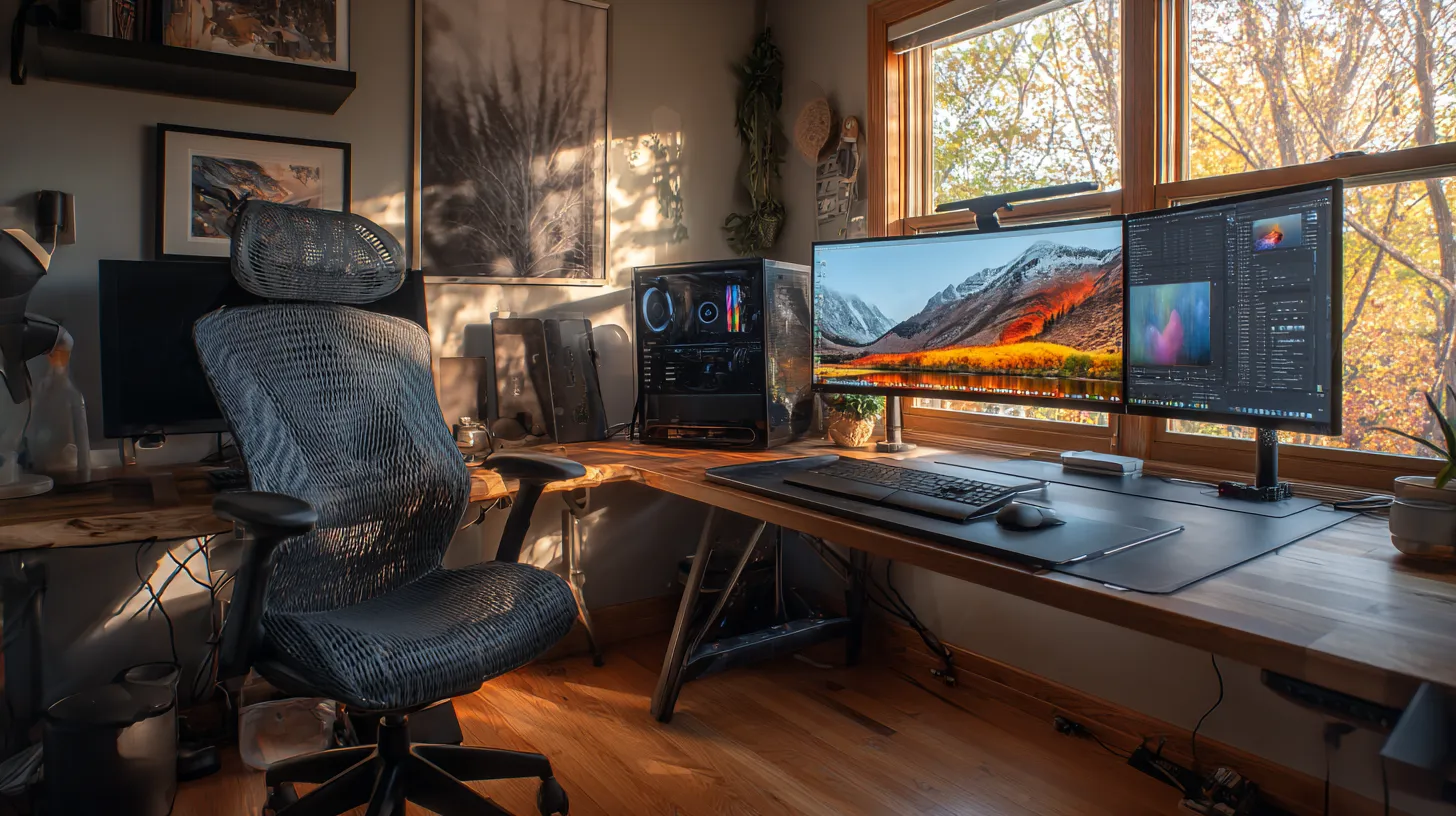
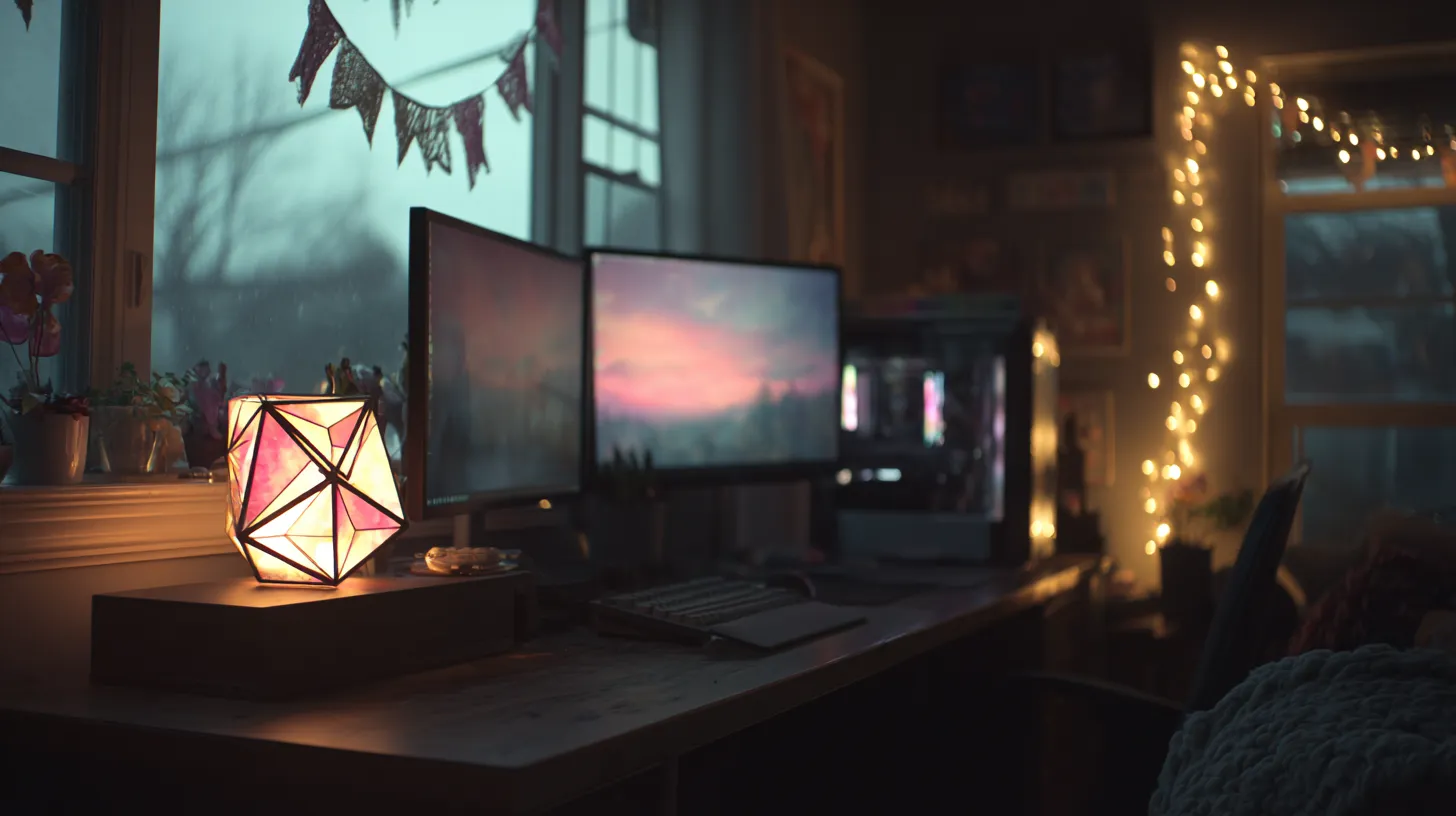
If there is one cardinal sin in home office design, it is relying solely on harsh, blue-toned overhead lighting. To achieve a cozy, intimate atmosphere, you must transition to a layered ambient lighting strategy. The goal is to create pools of warm, inviting light that reduce eye strain while highlighting the beautiful textures of your room. Start with bias lighting—this is a non-negotiable for anyone using multiple monitors. By placing warm LED light strips behind your screens, you reduce the stark contrast between the bright monitor and the darker room, significantly cutting down on digital eye fatigue. Next, introduce dedicated task lighting. A minimalist, warm-glow desk lamp provides focused illumination for reading or drawing without overpowering the space. But the true magic of the botanical aesthetic comes from accent lighting. Stringing delicate copper wire fairy lights through the trailing vines of your potted plants creates an enchanting, twilight-like atmosphere that makes the space feel incredibly magical after sunset. When selecting your bulbs, color temperature is everything. You absolutely must stick to bulbs in the 2700K to 3000K range. This emits a soft, amber-yellow glow reminiscent of candlelight or a setting sun. Anything above 4000K will look blue, sterile, and entirely ruin the earthy vibe you are trying to cultivate. By turning off the main ceiling light and relying on this triad of backlighting, task lighting, and decorative accent lighting, you transform the room from a standard office into a moody, creative sanctuary where you actually want to spend your evenings working or gaming.
4. The Ergonomic Command Center: Balancing Tech and Aesthetics
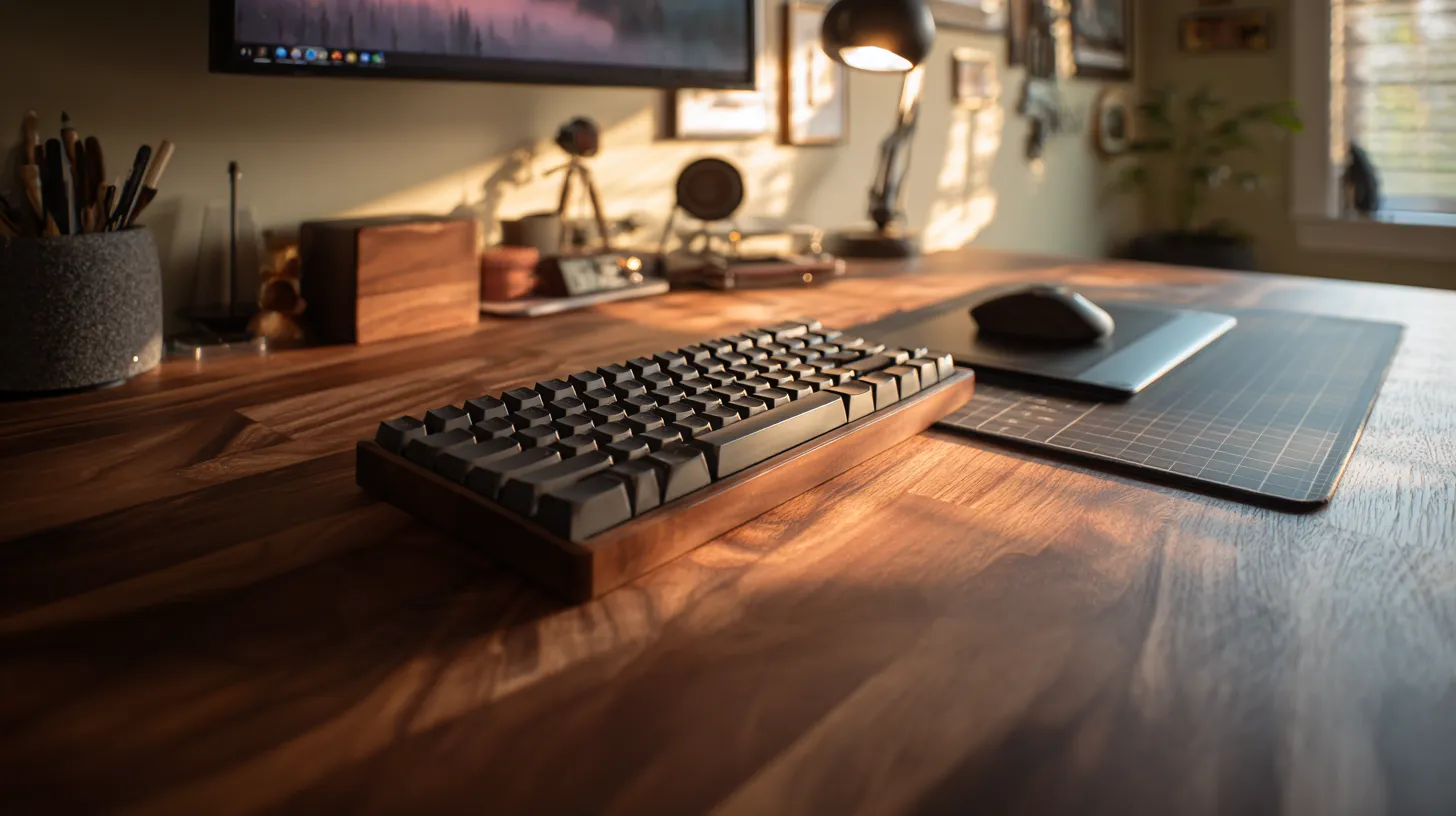
A visually stunning home office is entirely useless if it leaves you with chronic back pain. The challenge in designing a cozy workspace is seamlessly integrating bulky, high-performance technology without letting it dominate the room’s organic vibe. For power users, a dual monitor setup—often combining a horizontal primary display with a vertical secondary display—is essential. The vertical monitor is a game-changer for reading long lines of code, scrolling through endless documents, or managing chat applications, while the horizontal screen serves as the main creative canvas. To keep this from looking like a server room, you must use a high-quality dual monitor arm. Elevating the screens off the desk reclaims massive amounts of surface area and allows for perfect ergonomic height adjustment (the top of your screens should be at or slightly below eye level). For digital artists or designers, a large pen display tablet sits front and center. Because this device requires an angled drawing position, you must push your keyboard further back or use a wireless option that can be easily moved aside. To harmonize this heavy technology with your botanical theme, be intensely deliberate about your digital wallpapers. Instead of neon abstract graphics, use high-resolution, moody forest landscapes, misty mountains, or deep green botanical illustrations spanning across all monitors. This simple software trick turns your massive digital screens into dynamic pieces of art that perfectly complement your physical indoor plants, bridging the gap between the digital and natural worlds.
5. Vertical Organization: The Power of the Pegboard
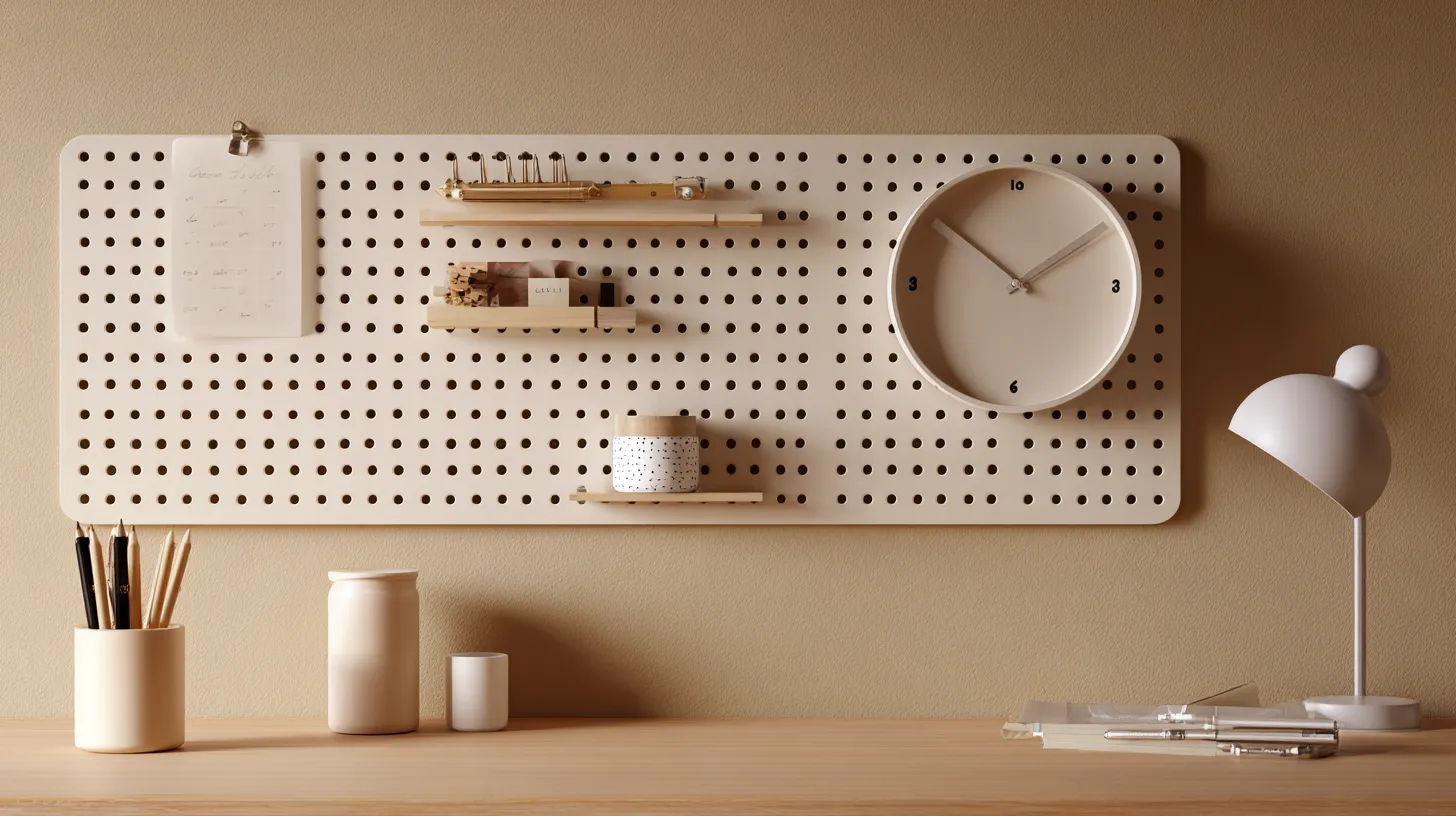
Clutter is the absolute enemy of a peaceful mind. In a home office, papers, pens, cables, and small gadgets can quickly accumulate on your desk, destroying the carefully curated aesthetic and skyrocketing your stress levels. To combat this, you must look up and utilize your vertical wall space. A wall-mounted pegboard is one of the most versatile and stylish organizational tools available to the modern worker. Positioning a sleek, minimalist pegboard—preferably in a soft white or cream to contrast beautifully with your warm wood desk—directly next to your workstation provides immediate access to your daily essentials without sacrificing an inch of horizontal workspace. The brilliance of the pegboard lies in its absolute modularity. Using a combination of hooks, small hanging trays, and metallic clips, you can design a custom layout that perfectly fits your workflow. Dedicate one section to aesthetic storage cups holding your favorite pens and styluses, another to neatly coiled spare cables, and a small shelf for a minimalist analog clock to help you track time without looking at a screen. You can even use the pegboard to display small inspirational items, like polaroid photos or fabric swatches, turning a purely functional item into an interactive mood board. By getting these small, visually noisy items off your desk surface and organizing them beautifully on the wall, you create a much cleaner, more expansive working area. This spatial arrangement trick tricks the brain into feeling like the room is larger and much more organized than it actually is.
6. Curating Inspiration: The Art of Shelf Styling
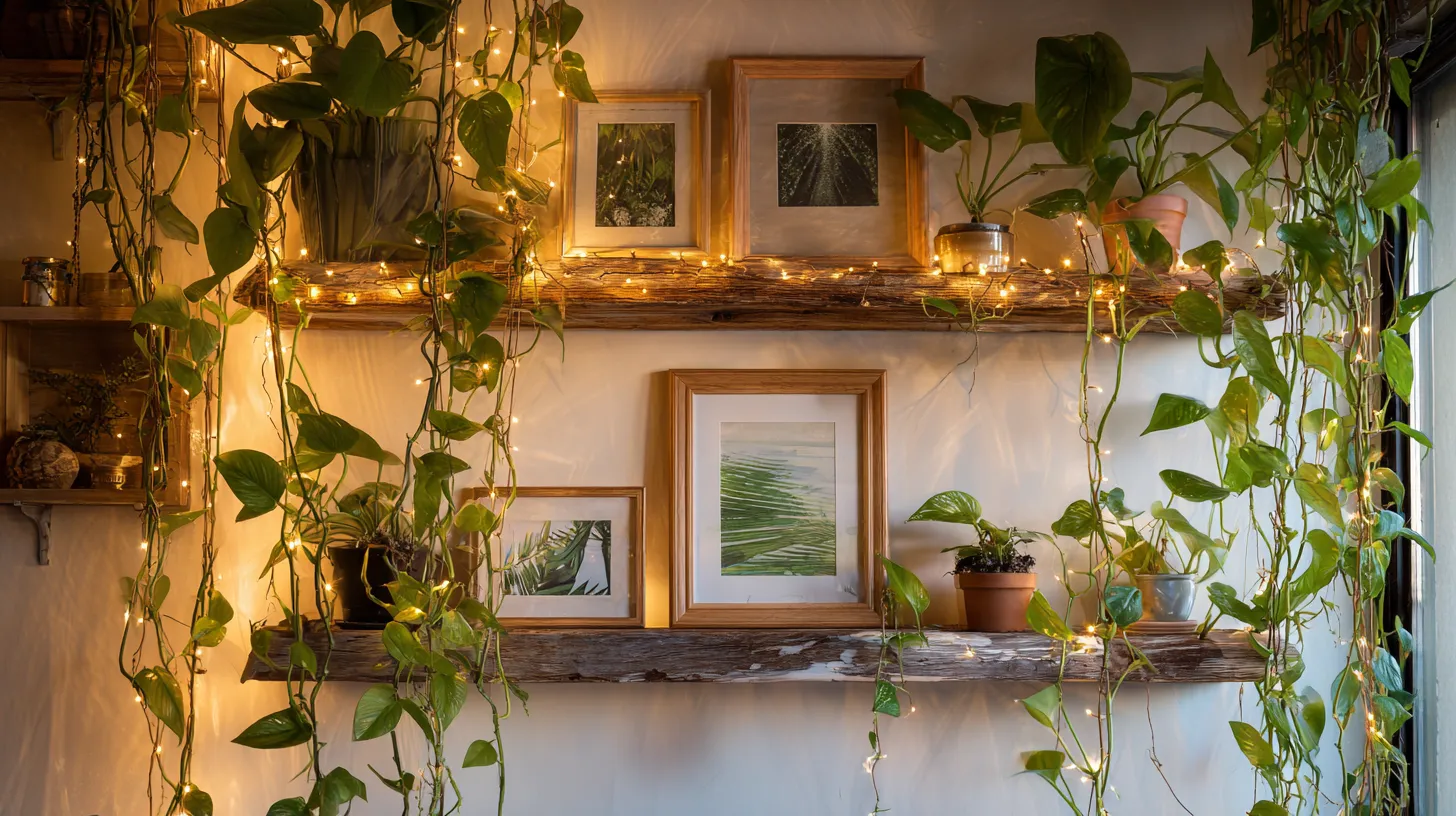
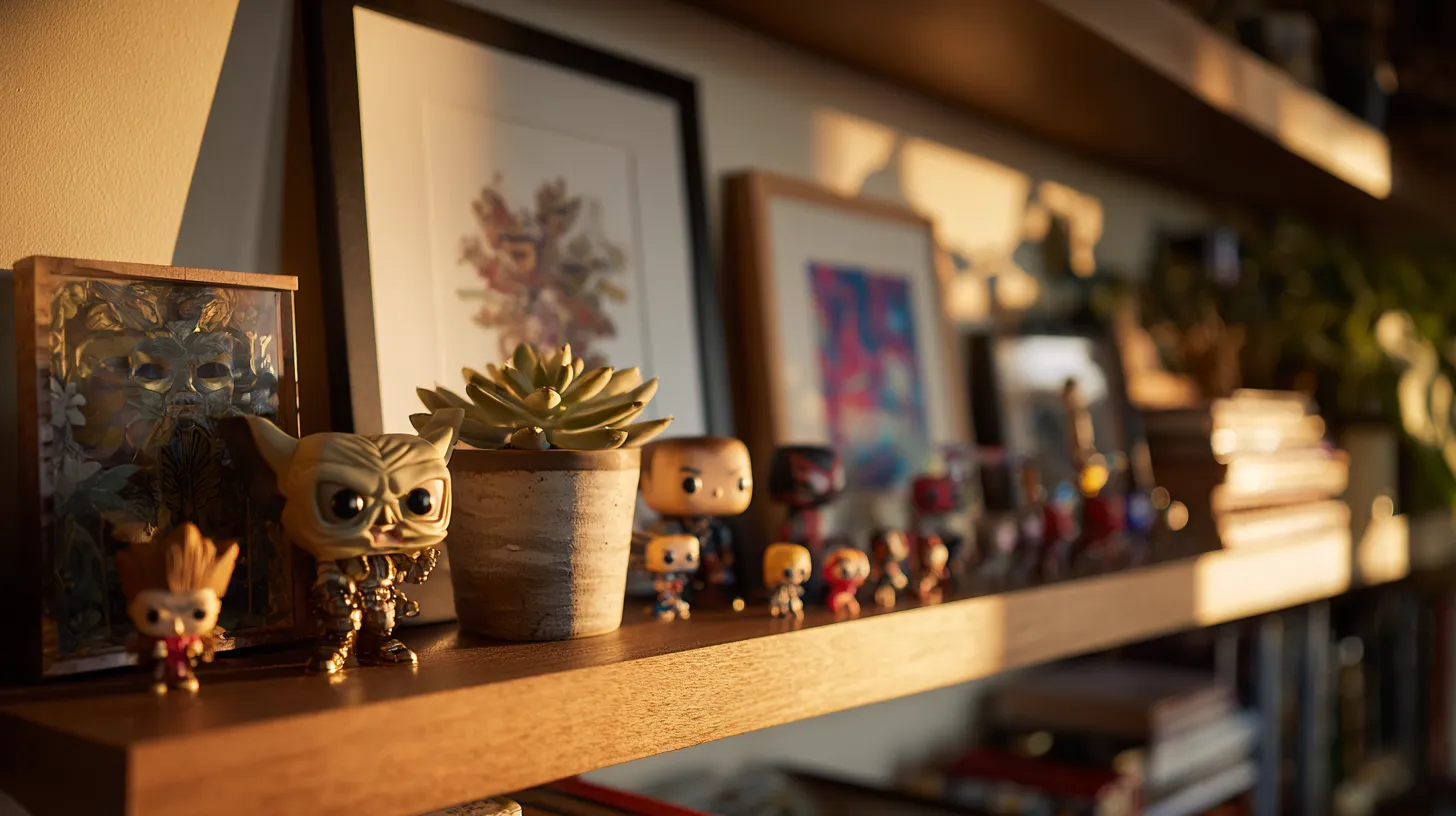
Floating shelves are vital in a cozy setup, not just for storage, but as the primary canvas for displaying your personality. A stark, empty wall above your desk can feel cavernous and uninviting, but heavy, enclosed cabinetry can feel oppressive. Rustic wooden floating shelves strike the perfect balance. However, styling these shelves requires a deliberate strategy to avoid them looking like a cluttered junk drawer. The secret is the rule of thirds and the concept of visual layering. Start by anchoring the shelves with larger pieces—framed art prints featuring natural landscapes, botanical illustrations, or vintage maps. Lean these frames casually against the wall rather than hanging them perfectly straight; this creates a relaxed, effortless vibe. Next, introduce medium-sized objects to build depth. This is where your trailing plants come in, along with neatly stacked design books or vintage cameras. Finally, fill in the negative space with smaller, highly personal trinkets. If you collect vinyl figures, small ceramic sculptures, or unique rocks from your travels, group them in odd numbers (threes or fives) for maximum visual appeal. Pay close attention to color and material mapping. If you have dark wood on the left side of the shelf, ensure you balance it with a dark element on the right. Mix matte textures like paper and leaves with reflective surfaces like glass frames or brass accents to catch your ambient lighting. When styled correctly, these shelves act as a localized gallery wall that sparks joy and inspiration every time you look up from your keyboard.
7. Embracing the View: Window Placement and Natural Light
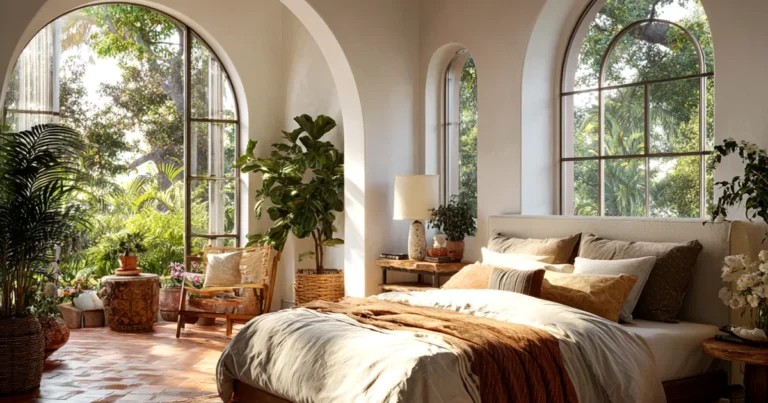
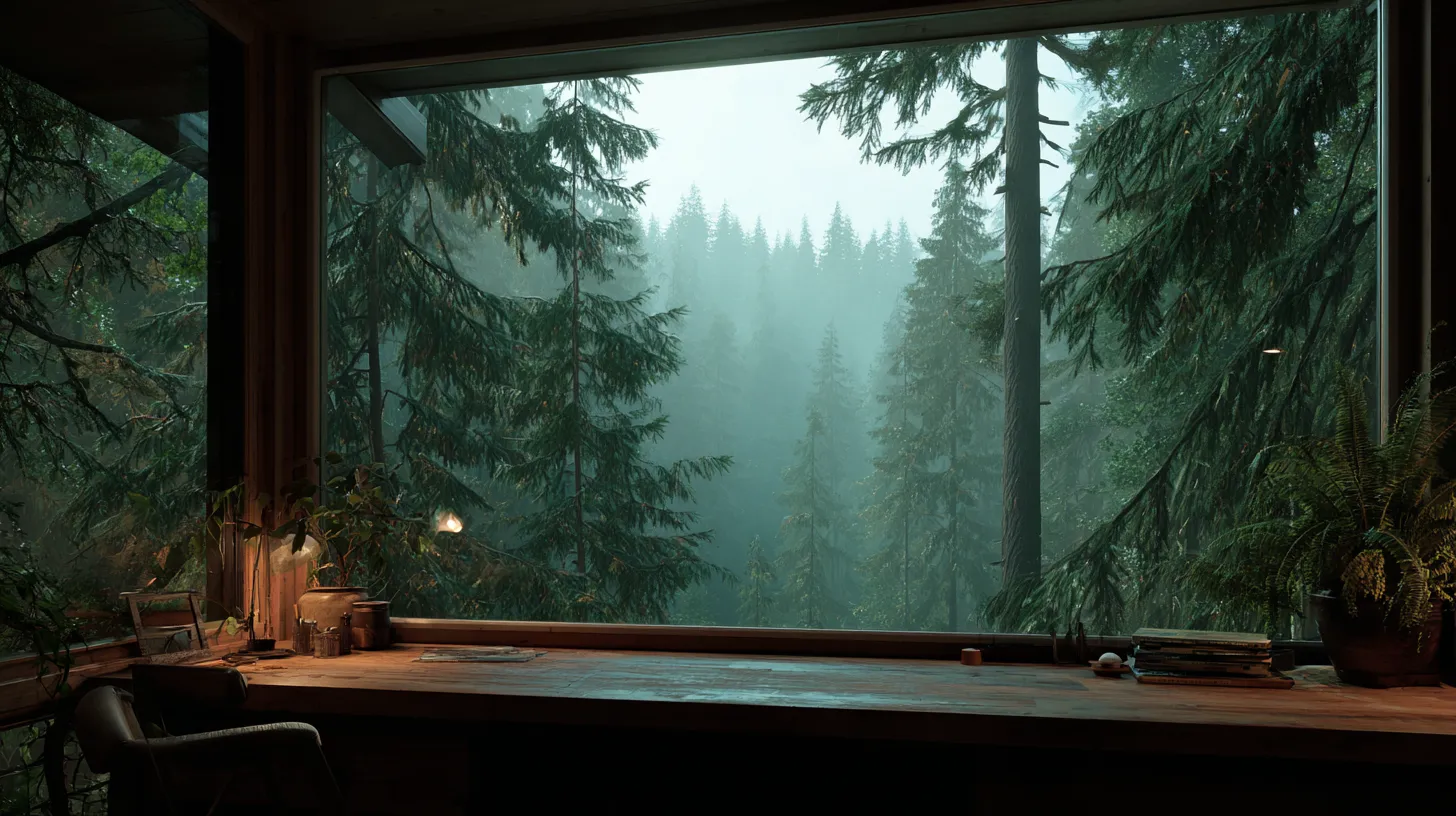
If you are fortunate enough to have a window in your home office, its relationship to your desk is the most important spatial decision you will make. While we focus heavily on ambient evening lighting, maximizing natural daylight is crucial for regulating your circadian rhythm and boosting daytime energy levels. Whenever possible, position your desk so that the window is adjacent to you (to the left or right side) rather than directly behind your monitors or directly behind your back. If a window is directly behind your screens, the massive contrast between the bright outdoor light and your dark monitors will cause severe eye strain. Conversely, if the window is behind your chair, you will battle constant, infuriating glare on your screens. A side-facing orientation allows soft, indirect natural light to wash across your desk surface, beautifully illuminating your plants and wood textures while keeping your screens perfectly visible. If your window looks out onto nature—a line of evergreen trees, a garden, or even a leafy balcony—keep your window treatments minimal. Opt for simple, light-filtering cellular shades or sheer linen curtains that soften the harsh midday sun without obstructing the view. This physical connection to the outside world is the ultimate form of biophilic design. Being able to gaze out at rustling trees or passing clouds provides your eyes with the necessary distance-focusing breaks they desperately need after hours of staring at a fixed focal point two feet in front of your face.
8. The Throne: Investing in an Ergonomic Masterpiece
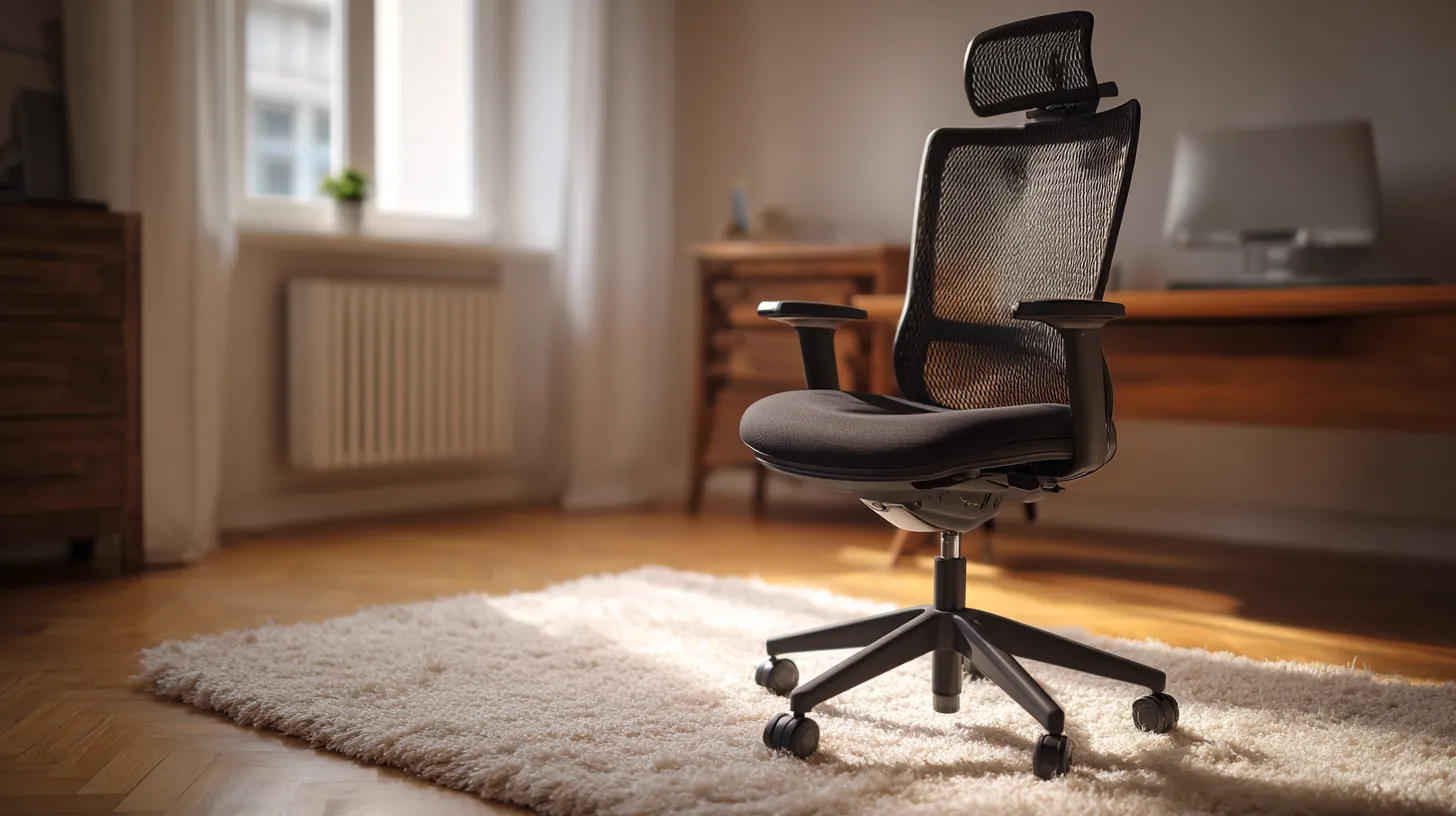
The chair you choose is arguably the most important physical investment in your entire workspace. You can have the most beautiful, aesthetically pleasing room in the world, but if you are sitting on a rigid, unsupportive dining chair, your body will eventually force you to abandon the space. The challenge is that traditional, highly ergonomic office chairs often look like spaceships, clashing terribly with a warm, rustic botanical aesthetic. However, compromising on ergonomics for the sake of style is a massive mistake. You must find a chair that offers uncompromising support while maintaining a relatively low visual profile. Look for high-end ergonomic chairs with a black mesh back and a sleek, structural frame. The mesh is critical for two reasons: practically, it breathes, keeping you cool during marathon working or gaming sessions; visually, it is semi-transparent, preventing the chair from looking like a massive, heavy black blob that visually shrinks the room. Your chair must feature adjustable lumbar support, seat depth adjustment, and highly adjustable armrests. When typing, your arms should rest comfortably at a 90-degree angle, parallel to the floor. To soften the harsh, modern look of a high-tech ergonomic chair and blend it into your earthy room, rely on the surrounding textures. Throw a soft, earth-toned lumbar pillow on the seat, or drape a chunky knit blanket over the back when not in use. This bridges the gap between high-performance engineering and cozy, hygge-inspired interior design.
9. The Earthy Palette: Mastering Color Psychology
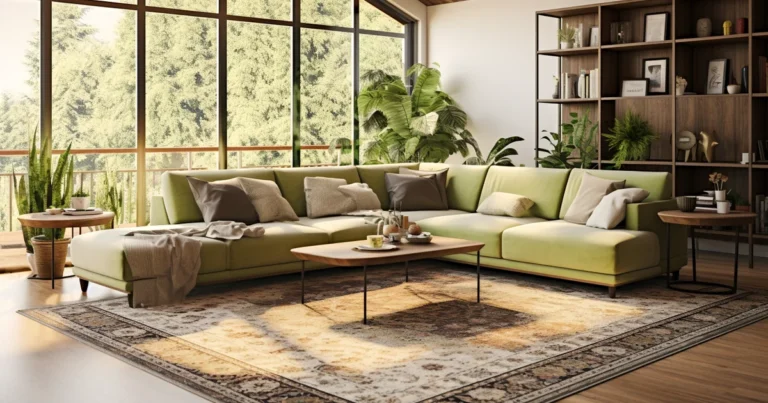
The underlying success of a botanical workspace relies entirely on strict adherence to an earthy, grounding color palette. Color psychology tells us that the colors we surround ourselves with deeply impact our mood and focus. For a calming, highly focused environment, you must eliminate loud, primary colors and neon accents. Instead, build your room around a triad of organic hues: warm neutrals, rich browns, and deep greens. Start with your walls. Stark, cool-toned white walls can feel blinding and clinical. Paint your walls in a warm beige, soft oatmeal, or a complex cream color with yellow or pink undertones. These warm neutrals bounce light softly and make the space feel instantly cozy. The second pillar is the rich brown of your wood tones. Whether it is your walnut desk, oak shelving, or teak accessories, the varying shades of brown introduce visual weight and a sense of permanence and security. Finally, the third pillar is the vibrant, life-giving green of your indoor plants. The varying shades of chlorophyll—from the bright chartreuse of a neon pothos to the deep, almost black-green of a rubber plant—provide the necessary pop of color without feeling artificial. When adding accessories, stick to this natural theme. Use matte black for technology to ground the space, and introduce subtle metallic accents like brushed brass or antique copper in your lighting fixtures to add a touch of vintage warmth. This tightly controlled, nature-inspired palette ensures the room remains a visually quiet, stress-free zone.
10. Textural Grounding: The Importance of Rugs
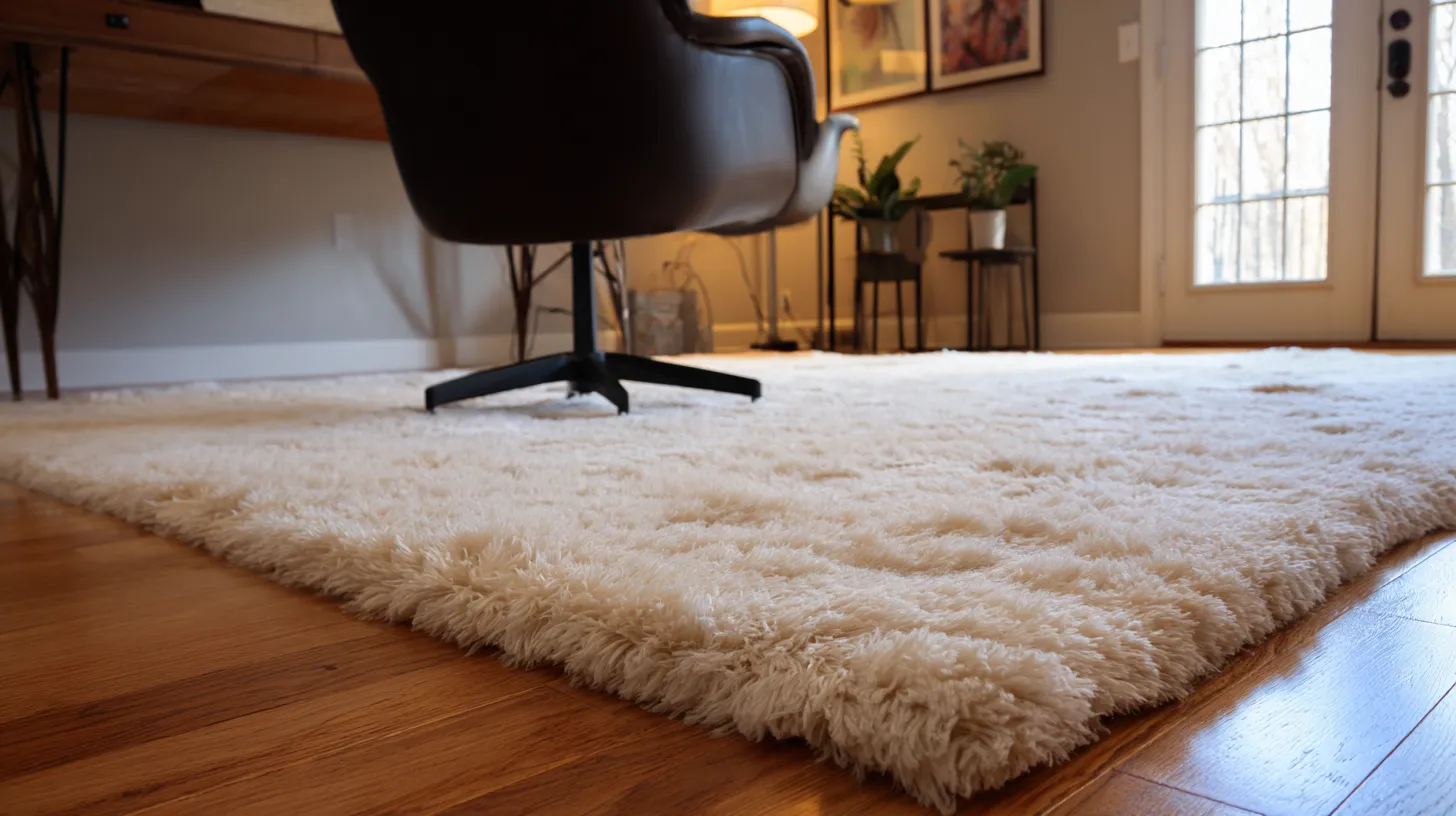
A frequently overlooked aspect of home office design is the floor. If you have hard surfaces like wood, laminate, or concrete flooring, your office will likely suffer from harsh acoustics. Keyboard clacking, chair rolling, and even your own voice on a video call will echo, making the space feel cold and hollow. The solution is entirely textural: you must introduce a high-quality area rug. Placing a plush, textured rug under your desk and chair serves multiple crucial functions. Acoustically, the fibers absorb sound waves, instantly dampening echoes and creating a hushed, intimate audio environment that dramatically improves your focus. Visually, a rug acts as a framing device. In an open-concept room or a larger bedroom, a rug creates a distinct ‘zone,’ signaling to your brain that stepping onto this texture means you are entering your dedicated workspace. When selecting a rug for a botanical office, look for light, creamy tones with subtle geometric or Moroccan-inspired patterns. A cream or off-white rug provides a beautiful, high-contrast base for a dark desk and a black office chair, preventing the bottom half of the room from feeling too dark or heavy. Consider the pile height carefully; you want something soft underfoot, but not so thick that your office chair cannot easily roll. If you choose a higher pile, invest in a tempered glass or subtle matte floor mat to ensure your chair glides effortlessly. This layering of soft textiles over hard wood floors is the final touch in achieving true, wrap-around coziness.
Conclusion
Creating the perfect cozy botanical workspace is not a weekend project; it is an ongoing, deeply personal journey of curating an environment that serves your unique needs. By intentionally shifting away from the sterile, corporate aesthetic and embracing the warmth of biophilic design, you are doing much more than just decorating a room. You are actively investing in your daily mental health, your physical comfort, and your creative output. Remember that the foundation starts with a solid, grounding wood desk and is elevated by the careful layering of warm ambient lighting and lush, trailing greenery. Don’t be afraid to experiment with your vertical space using pegboards and floating shelves to keep your mind clear of clutter. As your indoor jungle grows and you slowly collect meaningful pieces of art and vintage decor, your office will evolve into a space that feels entirely your own. Take the time to dial in your ergonomics, perfect your monitor heights, and invest in a chair that truly supports your spine. When you combine high-performance technology with the soothing, organic textures of nature, sitting down to work or create will no longer feel like a chore—it will feel like a retreat.
Would you like me to help you find specific plant care routines for the low-light areas of your new workspace?