10 Secrets to Crafting a Breathtaking Biophilic Open-Concept Conservatory Oasis
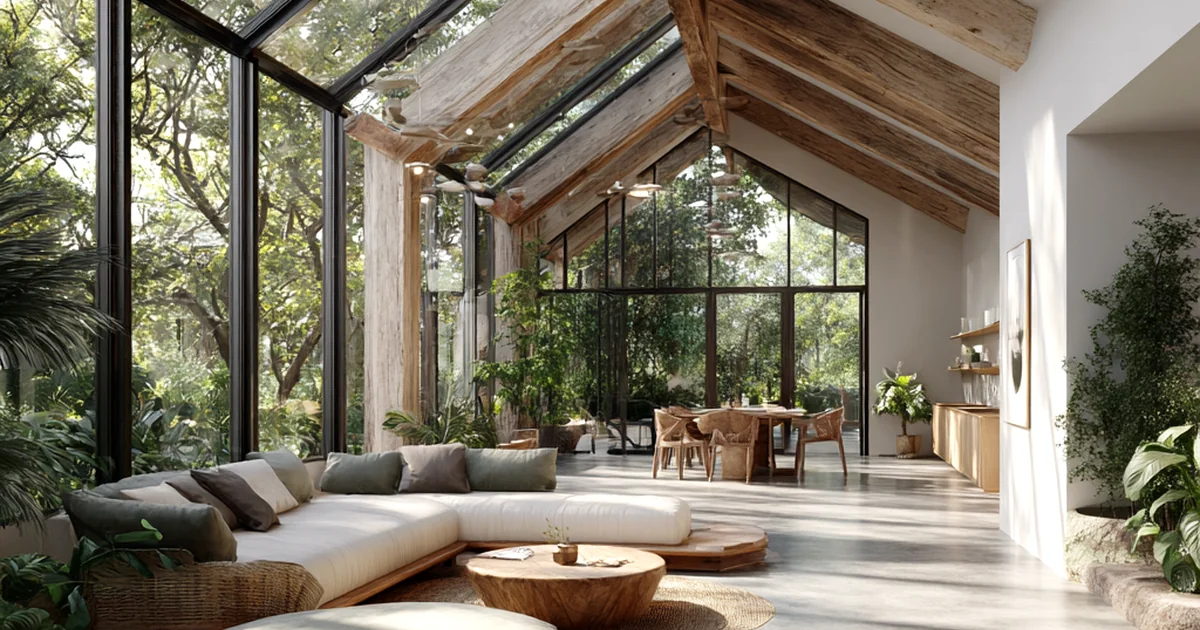
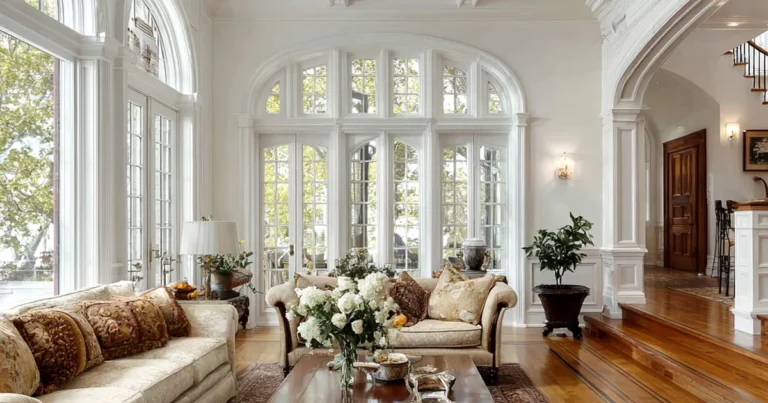
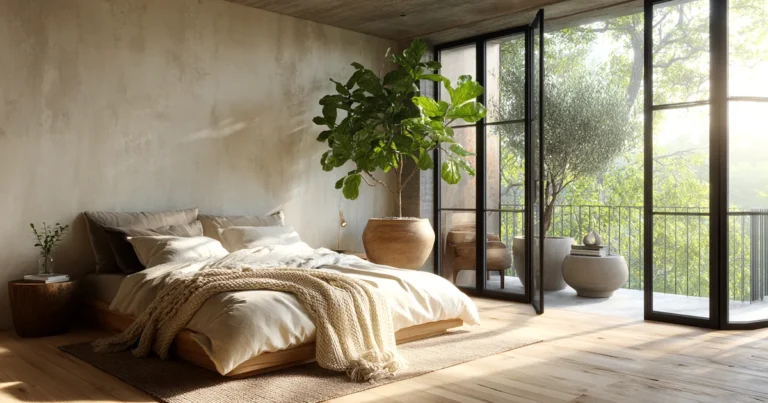
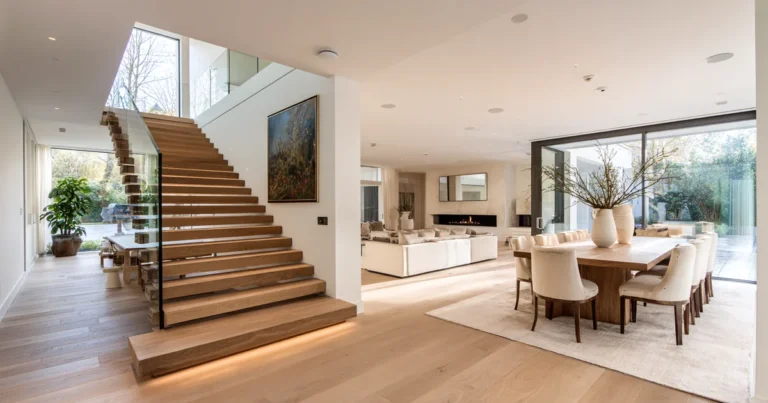
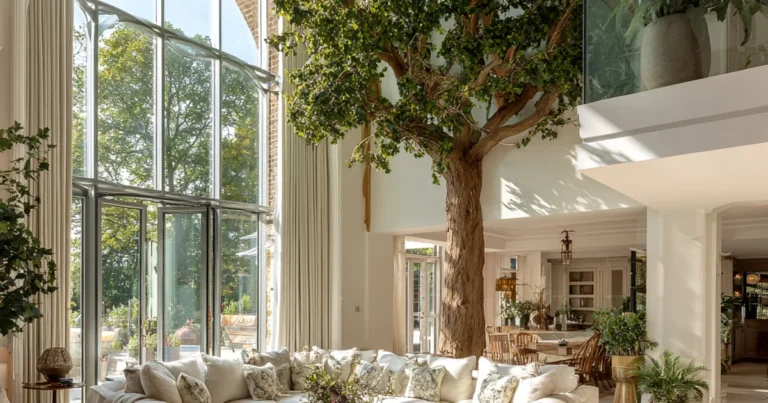
Imagine a home where the boundaries between indoors and out simply melt away, where the sky is your ceiling and lush greenery your backdrop. This isn’t just a dream; it’s the essence of an expansive open-concept living space crowned with a magnificent glass conservatory roof. In an age where urban living often distances us from nature, the allure of a sanctuary that actively invites the outside in is more profound than ever. This design philosophy, rooted in biophilic modernism, champions our innate human connection to the natural world, fostering environments that enhance well-being, productivity, and serenity. Our focus today is on creating a truly remarkable space that epitomizes contemporary luxury while embracing the raw, organic beauty of nature. We’re talking about a seamless fusion of living and dining areas, bathed in natural light, where every design choice contributes to a harmonious, breathable atmosphere. The aesthetic journey we embark on blends the sleek lines of modern design with the warmth and texture of rustic-chic elements, all while prioritizing an indoor-outdoor living experience that feels utterly effortless. Think polished concrete meeting reclaimed wood, sophisticated glass structures juxtaposed with vibrant, living plants, and a palette inspired by earth, sky, and foliage. This comprehensive guide will unravel the secrets to achieving this coveted style. You’ll learn how to leverage the architectural marvel of a conservatory roof to its fullest potential, from optimizing natural light and views to selecting materials that enhance fluidity between zones. We’ll delve into strategic furniture arrangements that promote flow and comfort, explore the art of integrating living greenery, and uncover the magic of natural textures and earthy palettes. Furthermore, we’ll discuss the nuances of lighting design, the charm of rustic-chic accents, and smart strategies for defining distinct areas within an expansive open layout. Prepare to transform your understanding of home into a vibrant, living ecosystem designed for unparalleled comfort and connection.
1. Maximizing Natural Light & Views: The Glass Conservatory Heart
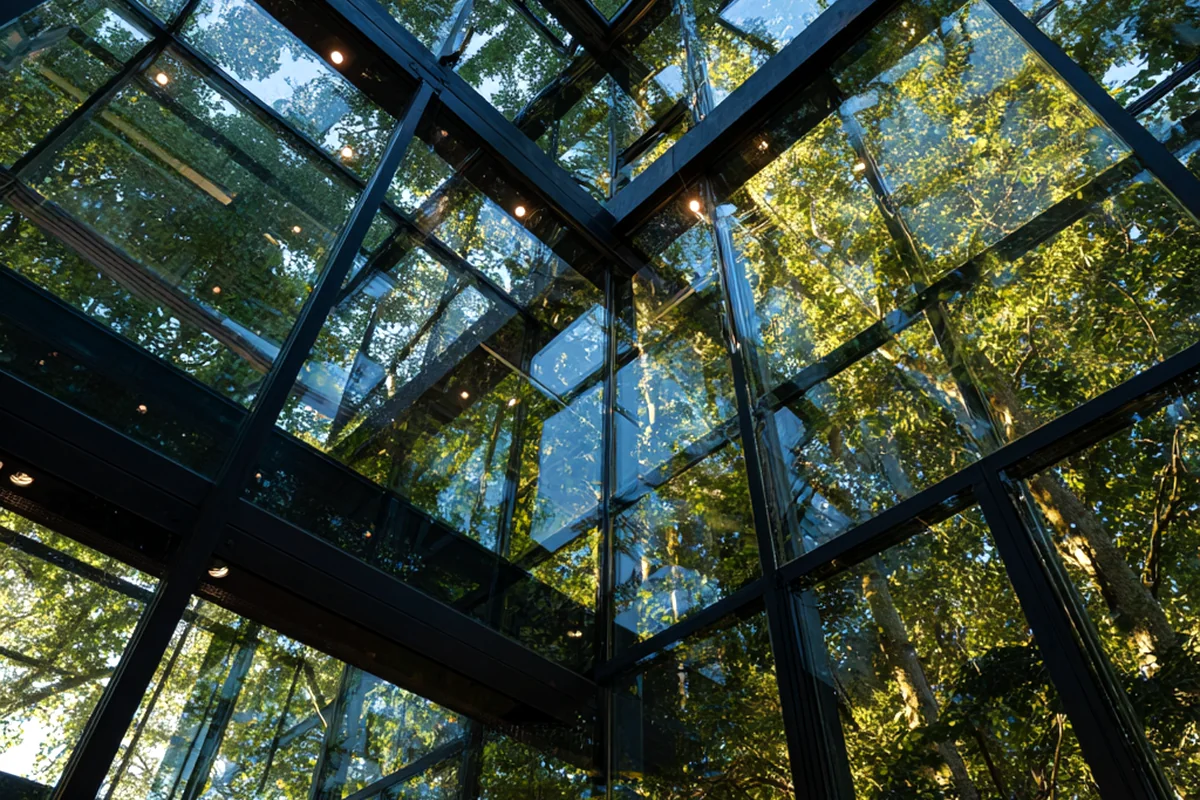
The defining feature of this expansive living space is undoubtedly the large glass conservatory roof. This architectural marvel isn’t just a covering; it’s the very heart of your home’s connection to the outdoors, flooding the interior with an unparalleled abundance of natural light. To maximize its impact, consider a minimalist frame design, often in sleek black or a muted metallic, to prevent visual obstruction and maintain clean lines characteristic of contemporary aesthetics. The type of glass is crucial: opt for high-performance, low-emissivity (low-E) glass that offers excellent thermal insulation, reducing heat gain in summer and heat loss in winter, ensuring year-round comfort. Smart glass technology, which can tint or clear on demand, offers dynamic control over glare and privacy, perfectly blending modern convenience with natural harmony. Strategically positioning your living and dining zones to capitalize on the best views is paramount. Orient primary seating areas towards captivating garden vistas or serene sky views. The conservatory roof itself acts as a living ceiling, showcasing the changing patterns of clouds, sunlight, and stars, turning everyday moments into extraordinary experiences. Enhance this connection further by ensuring windows extend from floor to ceiling where possible, blurring the lines between the built environment and the natural landscape. The goal is to create an immersive experience where the external environment becomes an integral part of your interior decor, a constantly evolving backdrop that celebrates the beauty of biophilic design.
2. Fluid Flooring: Connecting Interior & Exterior with Seamless Style
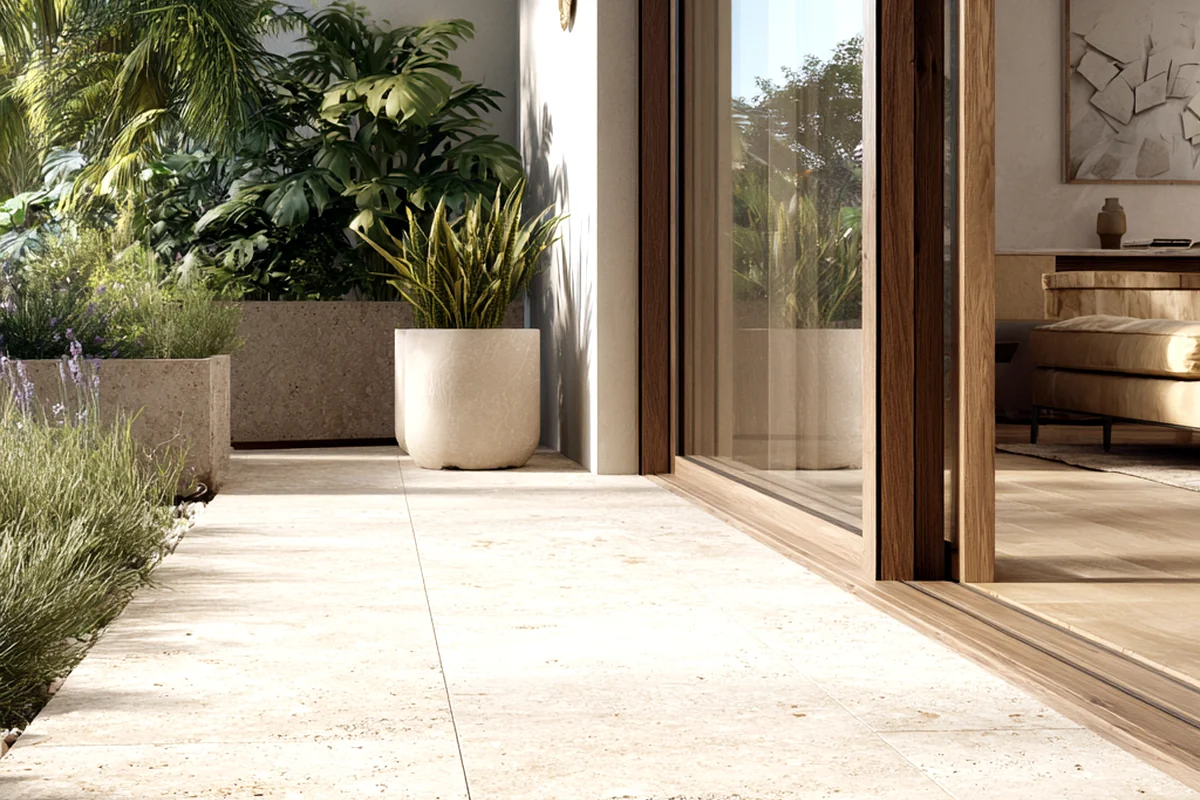
A cornerstone of the indoor-outdoor living aesthetic is the illusion of a continuous flow from the interior to the exterior. This is most effectively achieved through a cohesive flooring strategy. The ideal choice for this expansive open-concept space involves materials that can withstand both indoor conditions and the elements, or at least mimic each other perfectly. Large-format porcelain tiles are an excellent candidate, available in myriad finishes that convincingly replicate natural stone, concrete, or even wood, yet offer superior durability and low maintenance. Polished concrete is another contemporary favorite, offering an industrial-chic edge that complements the modern lines of the conservatory while providing a sleek, unified surface. When transitioning from the interior to an adjacent patio or deck, strive for minimal threshold differences. A flush-level floor helps to remove any physical or visual barriers, enhancing the sense of a single, expansive living area. If using different materials, choose complementary tones and textures. For instance, a light oak engineered wood floor indoors could transition to a similar-toned composite decking outdoors, creating a harmonious visual link. This thoughtful approach to flooring not only elevates the aesthetic but also promotes a natural, unhindered movement throughout the entire living environment, truly embodying the spirit of seamless indoor-outdoor design.
3. Biophilic Furniture & Organic Layout: Curating Comfort and Connection
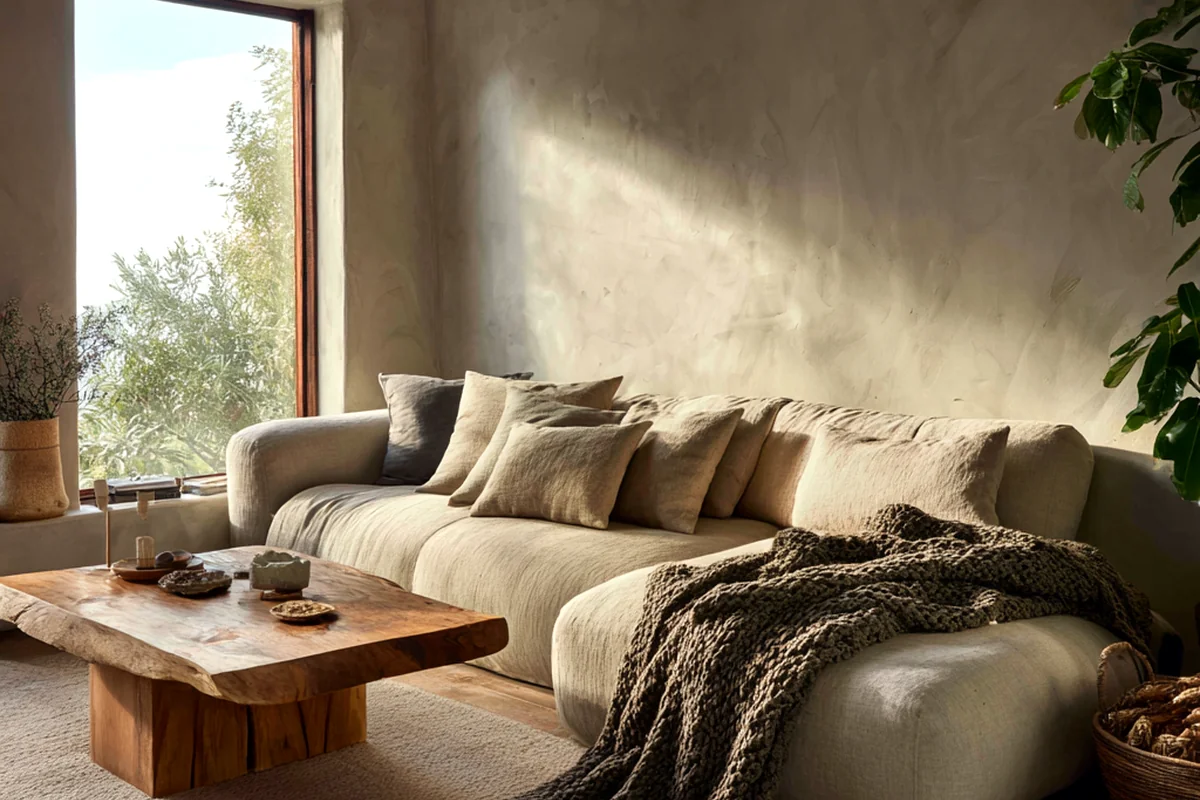
In a biophilic modern space, furniture extends beyond mere functionality; it becomes an integral part of the natural narrative. Opt for pieces with organic shapes and soft, curvilinear forms that mimic nature’s inherent fluidity, rather than rigid, angular lines. Low-profile seating arrangements encourage relaxation and maintain an unobstructed visual flow across the expansive space, crucial when views are a key design element. Materials are paramount: embrace furniture crafted from sustainable natural elements such as solid oak, walnut, bamboo, or rattan. Think comfortable sofas upholstered in natural linen or organic cotton in earthy tones – moss greens, muted blues, warm greys, or creamy whites. For the layout, focus on creating distinct yet interconnected zones within the open concept. A large, inviting sectional sofa might define the primary living area, perhaps anchored by a circular jute rug. Complement this with occasional chairs made from woven rattan or bentwood, allowing for flexible arrangements. The dining area, while open, can be distinguished by a substantial, live-edge wooden table and ergonomically designed chairs that invite lingering. Ensure there’s ample negative space around furniture to maintain an airy feel and facilitate easy movement, reinforcing the sense of freedom and expansiveness inherent in open-concept living. This careful curation ensures comfort, functionality, and a deep connection to the natural world.
4. A Living Tapestry: Integrated Greenery & Plant Scapes for Wellness
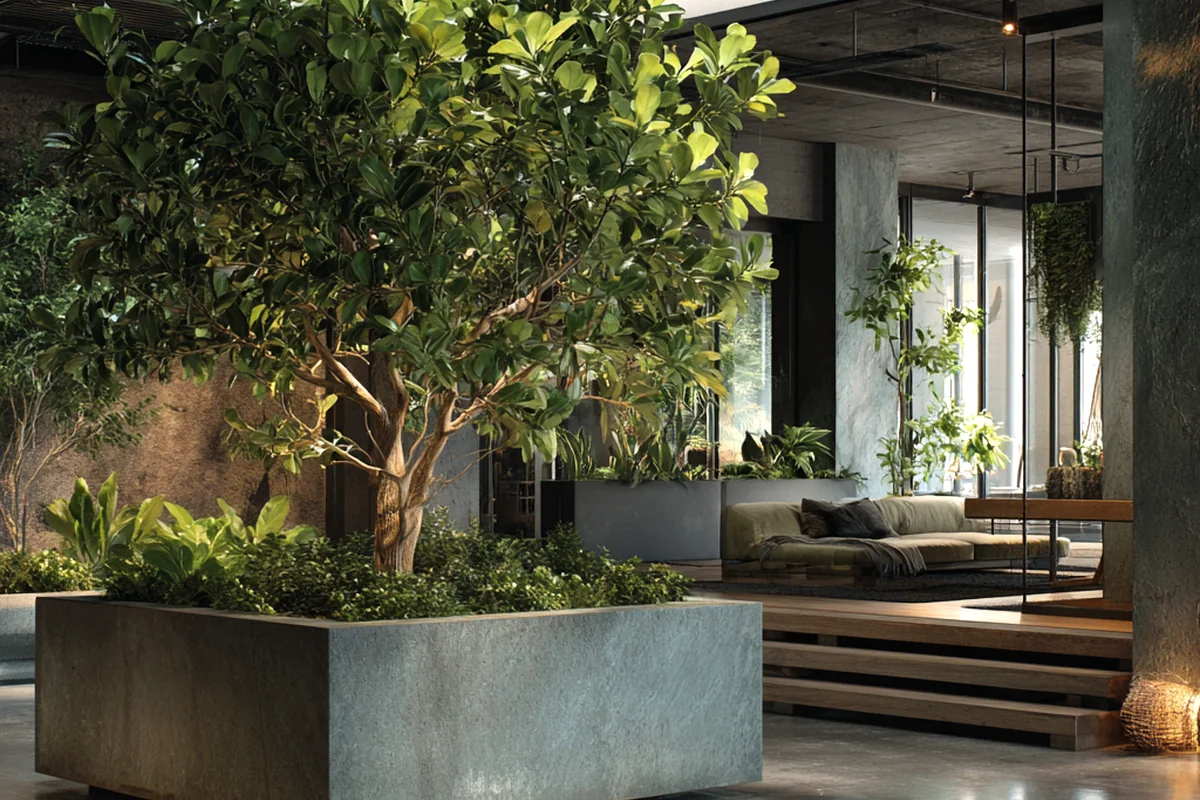
No biophilic modern design is complete without a vibrant, integrated living tapestry of plants. These aren’t just decorative accents; they are active contributors to the space’s air quality, ambiance, and the inherent sense of calm. With the abundant natural light from the conservatory roof, you have an ideal environment for a diverse range of indoor plants. Consider large, statement-making specimens like Ficus lyrata (fiddle-leaf fig), Monstera deliciosa, or Bird of Paradise plants to anchor corners or define zones. Grouping plants of varying heights and textures creates a dynamic visual interest and mimics the lushness of a natural landscape. Beyond potted plants, explore innovative integration methods. Vertical gardens or living walls can transform a plain wall into a breathtaking focal point, improving air quality and acoustics. Built-in planters along the base of the conservatory windows can create a seamless transition to the outdoor garden, truly blurring the lines. For a rustic-chic touch, utilize planters crafted from terracotta, natural stone, woven baskets, or recycled wood. Remember to choose plants that thrive in the specific light conditions of your conservatory and are relatively low-maintenance. The continuous presence of living greenery reinforces the indoor-outdoor connection, purifies the air, and infuses the space with vital energy, making it a truly restorative sanctuary.
5. Nature’s Palette: Earthy Tones & Textural Richness for Sensory Depth
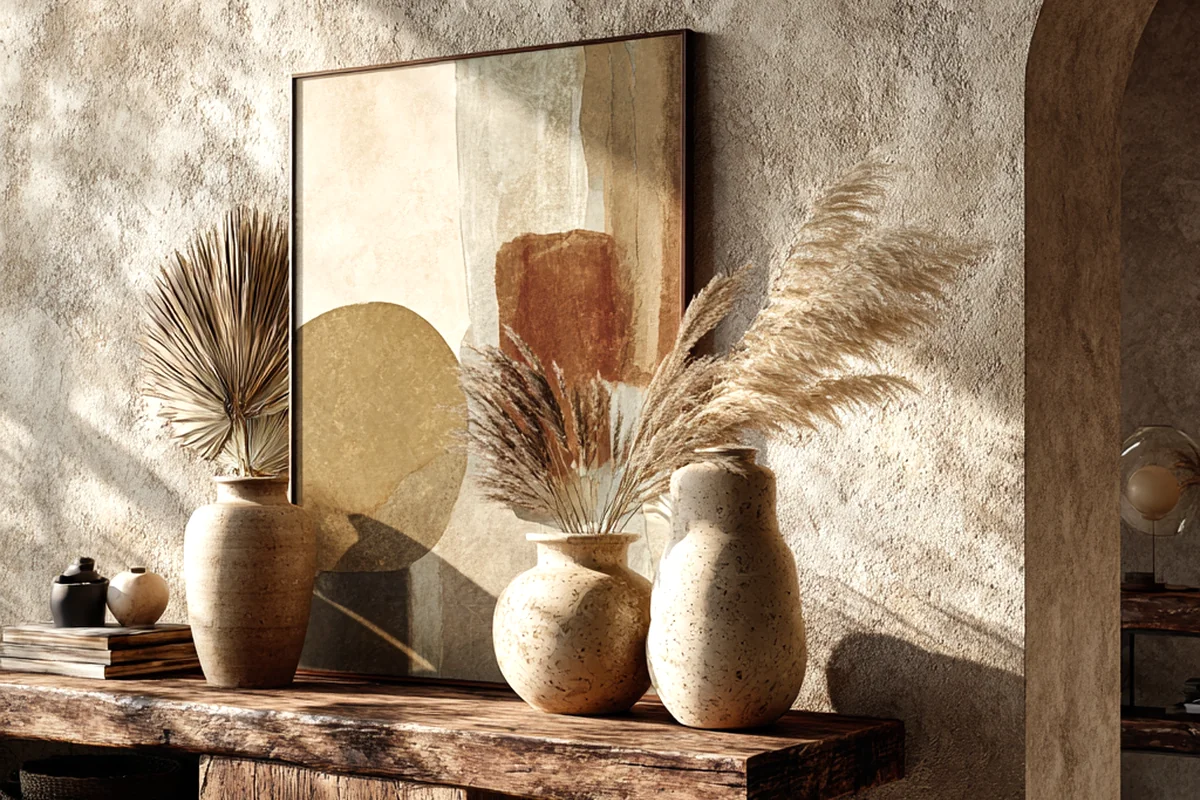
The color palette for a biophilic modern and rustic-chic space is drawn directly from the natural world, creating a serene and grounding atmosphere. Think beyond just greens; incorporate the deep blues of the sky and water, the warm neutrals of sand and stone, and the rich browns of soil and wood. Soft sage, olive green, and deep forest hues can be introduced through textiles, accent walls, or, most naturally, through the abundant live plants. Complement these with creams, off-whites, and warm greys for walls and larger furniture pieces to maintain an airy, expansive feel that allows the natural light to truly sing. Equally important is the emphasis on textural richness. This is where the rustic-chic element truly shines, adding depth and warmth to the contemporary structure. Layer natural materials liberally: the smooth coolness of polished concrete or stone flooring, the raw grain of a live-edge wooden dining table, the soft drape of linen curtains, and the cozy embrace of wool or chunky knit throws. Introduce woven elements like jute rugs, rattan chairs, and seagrass baskets. Exposed brick or stone accents can add a historic, grounded feel. These varied textures engage the senses, inviting touch and adding an organic, authentic dimension that prevents the space from feeling sterile or overly modern, fostering a truly inviting environment.
6. Rustic-Chic Touches: Curated Comfort & Authenticity in Detail

While the overarching structure leans contemporary and biophilic, the infusion of rustic-chic elements adds soul, warmth, and a curated sense of history. This style is about embracing imperfections and celebrating the beauty of handcrafted, natural objects. Think less about polished perfection and more about authentic character. Introduce reclaimed wood furniture, such as a coffee table with a distressed finish or a side cabinet made from repurposed timber. Exposed ceiling beams, if architecturally feasible, can provide a striking rustic anchor against the modern glass roof, creating an intriguing juxtaposition. Textiles play a crucial role in injecting rustic comfort. Layer natural fiber rugs – think hand-knotted wool, jute, or sisal – to define zones and add warmth underfoot. Drape linen or organic cotton throws over sofas, and scatter cushions in earthy tones with subtle patterns or textured weaves. Decorate with artisanal pottery, hand-blown glass, or ceramic vases. Incorporate metal accents in brushed brass, matte black, or aged copper for lighting fixtures or decorative objects, adding an industrial edge that complements the rustic and modern blend. These carefully selected, authentic details soften the contemporary lines and invite a sense of coziness and lived-in charm, making the expansive space feel intimate and welcoming.
7. Illuminating Harmony: Layered Lighting for Ambiance and Function
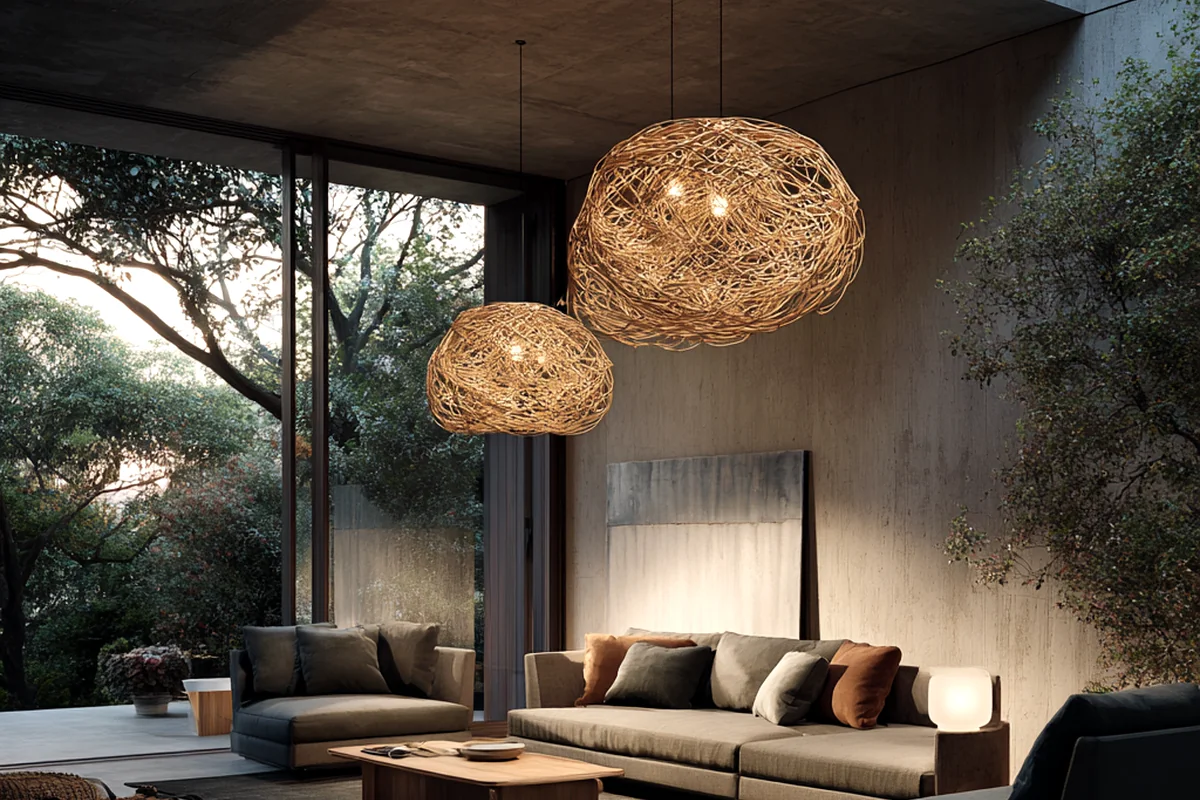
With a glass conservatory roof, natural light is abundant during the day, but a thoughtful lighting strategy is essential for evening ambiance and functional illumination. Layered lighting is key to creating a versatile and inviting atmosphere. Start with ambient lighting – recessed downlights provide a clean, unobtrusive glow, while elegant pendant lights over the dining table or a statement chandelier in the living area can serve as sculptural focal points. Choose fixtures with natural materials like wood, rattan, or matte black metal to align with the biophilic modern and rustic-chic aesthetic. Next, incorporate task lighting where needed. Reading lamps beside a comfortable armchair, under-cabinet lighting in a subtle kitchen nook, or adjustable spotlights for artwork ensure practical illumination. Finally, accent lighting truly brings the biophilic elements to life. Uplights or spotlights strategically placed to highlight indoor plants, textured walls, or architectural features create dramatic shadows and depth, enhancing the connection to nature even after dark. Consider smart lighting systems that allow for dimming, color temperature adjustments, and scheduled settings, enabling you to effortlessly transition the mood from a bright, productive day to a warm, intimate evening, all while being energy efficient and enhancing the overall indoor-outdoor living experience.
8. The Seamless Dining Experience: Blending Function, Form, and View
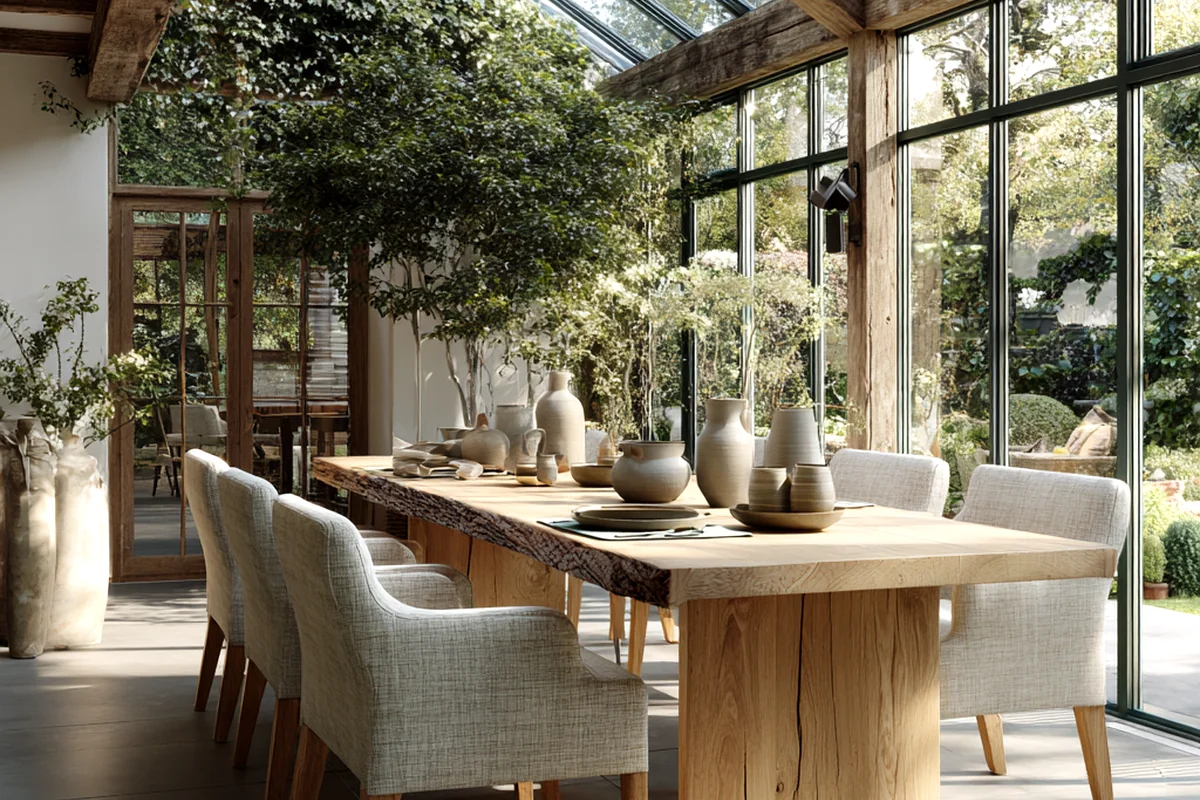
Within an open-concept conservatory, the dining area isn’t just a place to eat; it’s an extension of the living space and an opportunity to dine amidst nature. The key is to create a distinct dining zone that feels integrated rather than isolated. Position your dining table to maximize views of the garden or the changing sky through the conservatory roof. A large, solid wood dining table – perhaps a live-edge slab of oak or walnut – serves as a grounding element, echoing the natural materials found throughout the space. Pair this with comfortable, ergonomically designed chairs made from natural materials like bentwood, rattan, or upholstered in linen, inviting long, leisurely meals. To subtly delineate the dining area without walls, consider a unique pendant light fixture above the table, which visually ‘zones’ the space. An area rug in a natural fiber like jute or sisal can also define the boundary, adding warmth and texture. Keep decor on the table minimalist, perhaps a simple ceramic vase with fresh greenery or a collection of artisanal candles. The aim is to create a dining experience that feels both sophisticated and utterly relaxed, where every meal is accompanied by the serene backdrop of your natural surroundings, reinforcing the core principles of biophilic design and indoor-outdoor living.
9. Defining Zones with Subtlety: Open-Concept Strategies for Flow
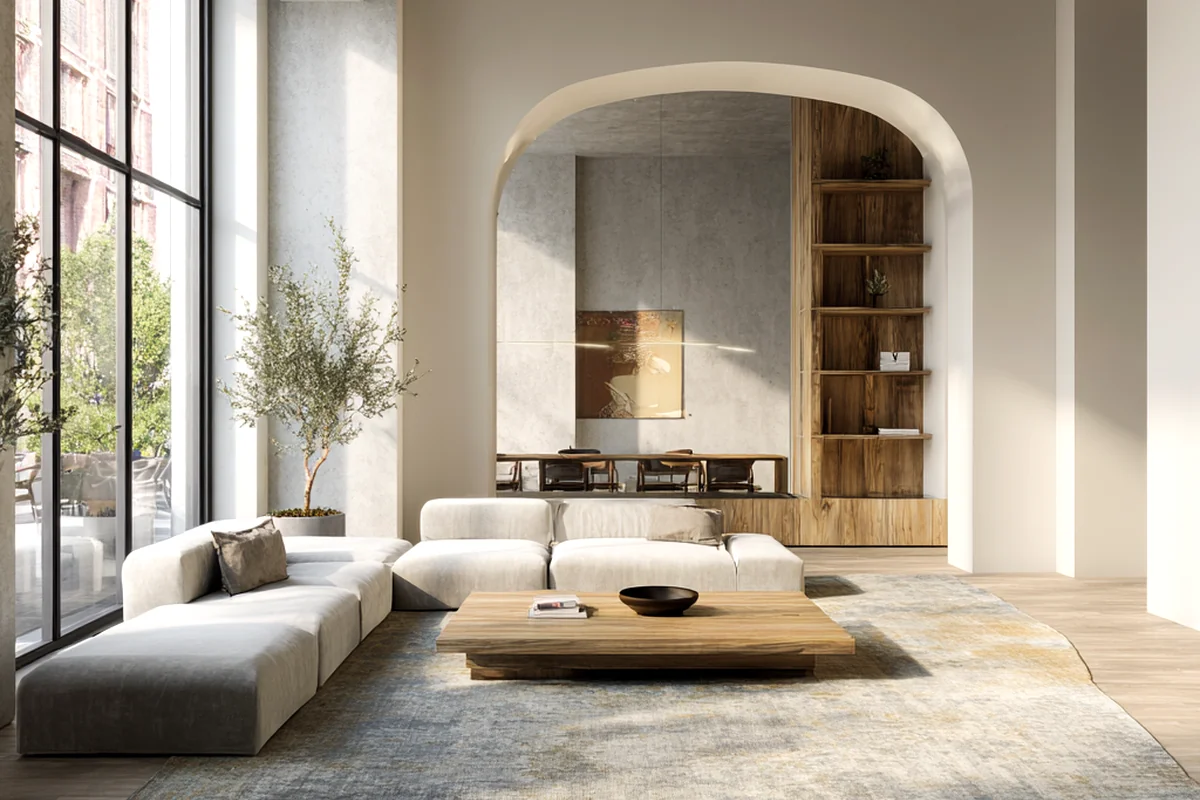
The beauty of an expansive open-concept space lies in its fluidity, but without thoughtful planning, it can feel disjointed. The challenge is to define distinct functional zones (living, dining, perhaps a reading nook) while maintaining an uninterrupted sense of openness. Area rugs are your most effective tool here; a large, natural fiber rug can anchor the living room furniture, while a smaller, complementary rug can delineate the dining area. Ensure rugs are large enough to encompass all the furniture within that zone, creating a cohesive ‘island’. Furniture placement is another critical strategy. Instead of pushing sofas against walls, float them in the center of the room to create natural pathways and define conversational groupings. Low-level shelving units or console tables can act as subtle dividers without blocking views or light. For instance, a long, low console behind a sofa can visually separate the living room from a corridor or the dining area, providing storage and display space. Even changes in ceiling height (if part of the architectural design) or distinct lighting fixtures can subtly signal a shift in function. The goal is to guide the eye and direct movement naturally, allowing each zone to have its purpose while contributing to the overall harmonious flow of the open-concept conservatory space.
10. Sustainable & Smart Living: Eco-Conscious Integration for Modern Comfort
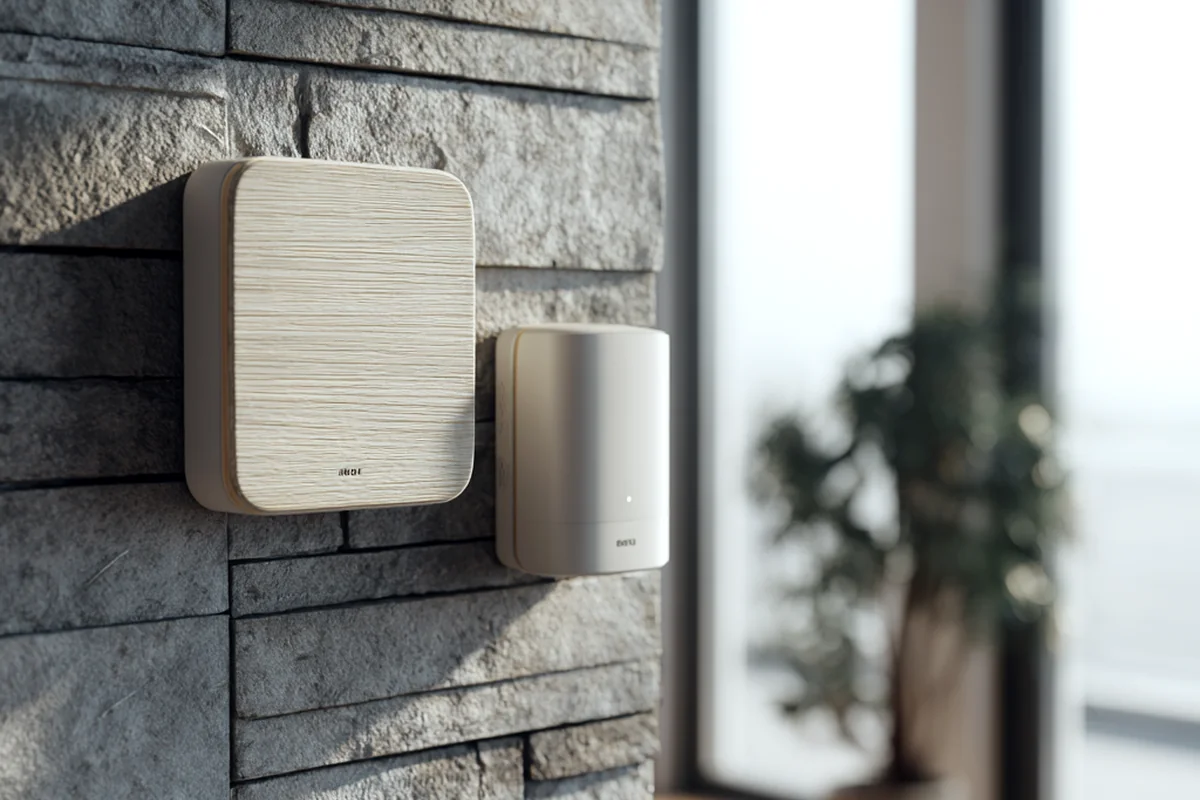
Embracing biophilic modern design naturally extends to sustainability and smart home integration. For your expansive conservatory, prioritize energy-efficient solutions. The high-performance glass in your roof and windows is a prime example, minimizing energy consumption for heating and cooling. Consider integrating automated shading systems that can respond to sunlight, preventing overheating and protecting furnishings from UV rays, all while maintaining that crucial indoor-outdoor connection. Natural ventilation is key; strategically placed operable windows and vents can create cross-breezes, reducing reliance on air conditioning. Beyond energy efficiency, select materials sourced sustainably. Look for FSC-certified wood, recycled or reclaimed materials, and low-VOC (volatile organic compound) paints and finishes to ensure a healthy indoor environment. Smart home technology can further enhance comfort and efficiency: smart thermostats that learn your preferences, automated lighting controls that optimize natural light, and even integrated irrigation systems for your indoor plants. These discreet technological advancements blend seamlessly into the rustic-chic aesthetic, offering convenience without detracting from the natural beauty. This holistic approach ensures your biophilic open-concept conservatory is not only stunning and comfortable but also mindful of its environmental footprint, truly embodying a contemporary, responsible lifestyle.
Embarking on the journey to design an expansive open-concept living space with a glass conservatory roof is to commit to a lifestyle that celebrates light, nature, and unparalleled comfort. We’ve explored how to harness the architectural grandeur of a glass roof, create seamless transitions with fluid flooring, and populate your sanctuary with biophilic furniture that whispers rather than shouts. From cultivating a vibrant living tapestry of integrated greenery to layering natural textures and rustic-chic accents, every element works in concert to forge a space that is both breathtakingly modern and profoundly grounded. This isn’t merely about aesthetics; it’s about crafting an environment that nurtures well-being, stimulates creativity, and offers a continuous connection to the rhythms of the natural world. By thoughtfully defining zones, mastering layered lighting, and integrating sustainable smart technologies, you create a home that is as intelligent as it is beautiful. Your biophilic modern conservatory becomes more than just a room; it transforms into a living, breathing extension of yourself and the world around you – a testament to sophisticated indoor-outdoor living. We encourage you to embrace these principles, customize them to your unique vision, and unlock the transformative power of a home where nature is not just observed, but intimately experienced every single day. Let your living space become a harmonious retreat, a constant source of inspiration and tranquility.