Unveiling the Timeless Charm: 10 Ways to Integrate Stunning Multi-Level Outdoor Living into Your Mediterranean-Inspired Home
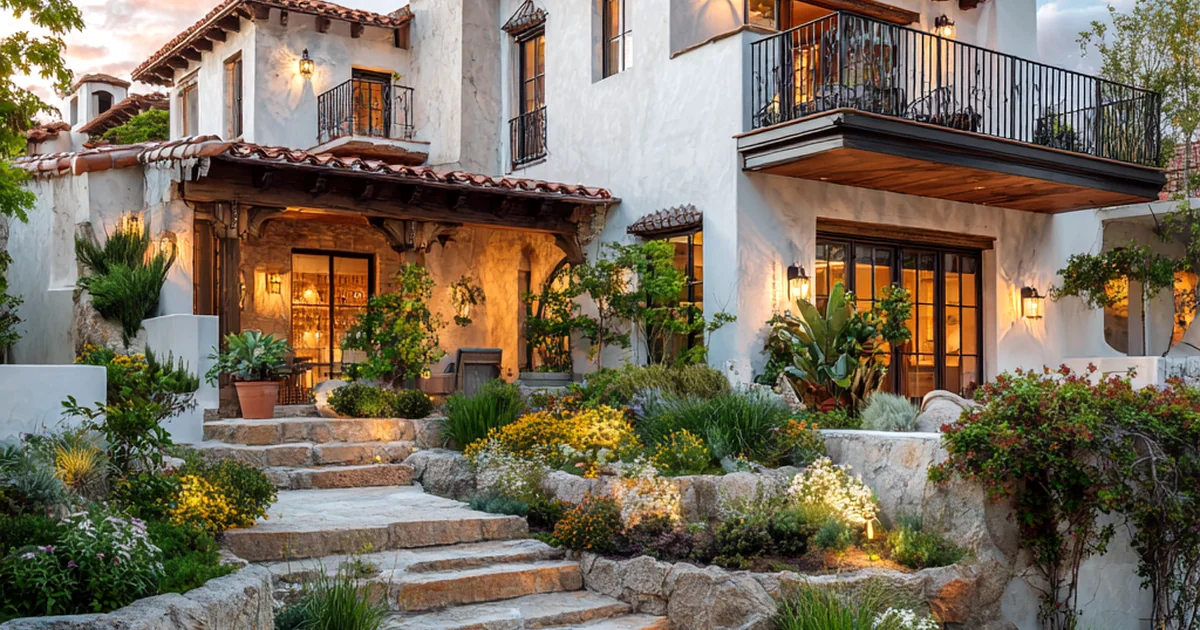
In an increasingly fast-paced world, the yearning for a sanctuary that seamlessly blends indoor comfort with the tranquility of nature has never been stronger. For homeowners blessed with multi-level properties, this desire presents a unique opportunity to craft an exterior living experience that is both breathtakingly beautiful and profoundly functional. Imagine stepping out from any floor onto a dedicated outdoor haven, each space thoughtfully designed to complement the architecture and invite relaxation. This article is your definitive guide to achieving just that, focusing on the rich, evocative styles of Mediterranean Revival, Rustic European, and Spanish Colonial design. These revered architectural traditions share a profound respect for the landscape, emphasizing natural materials, warm palettes, and a harmonious connection between built environment and garden. From the sun-drenched courtyards of Andalusia to the vine-draped terraces of Tuscany, the essence lies in creating outdoor ‘rooms’ that are as livable and inviting as their interior counterparts. Our journey will delve into the core philosophies of these styles, exploring how their inherent charm – characterized by robust textures, graceful archways, vibrant flora, and a deep sense of history – can be masterfully applied to multi-level structures. We’ll uncover the secrets to transforming disparate levels into a cohesive narrative of outdoor splendor. You’ll learn how to strategically place and design everything from terraced gardens that cascade down a hillside to secluded patios nestled beneath ancient olive trees. Discover the power of natural stone, hand-forged iron, and warm stucco in defining these spaces, and how thoughtful landscaping can enhance privacy, provide shade, and infuse your property with intoxicating scents and colors. Prepare to unlock the full potential of your multi-level home’s exterior, creating a legacy of integrated outdoor living that celebrates beauty, comfort, and the timeless allure of these classic European aesthetics.
1. Sculpting the Landscape: Terraced Gardens & Retaining Walls
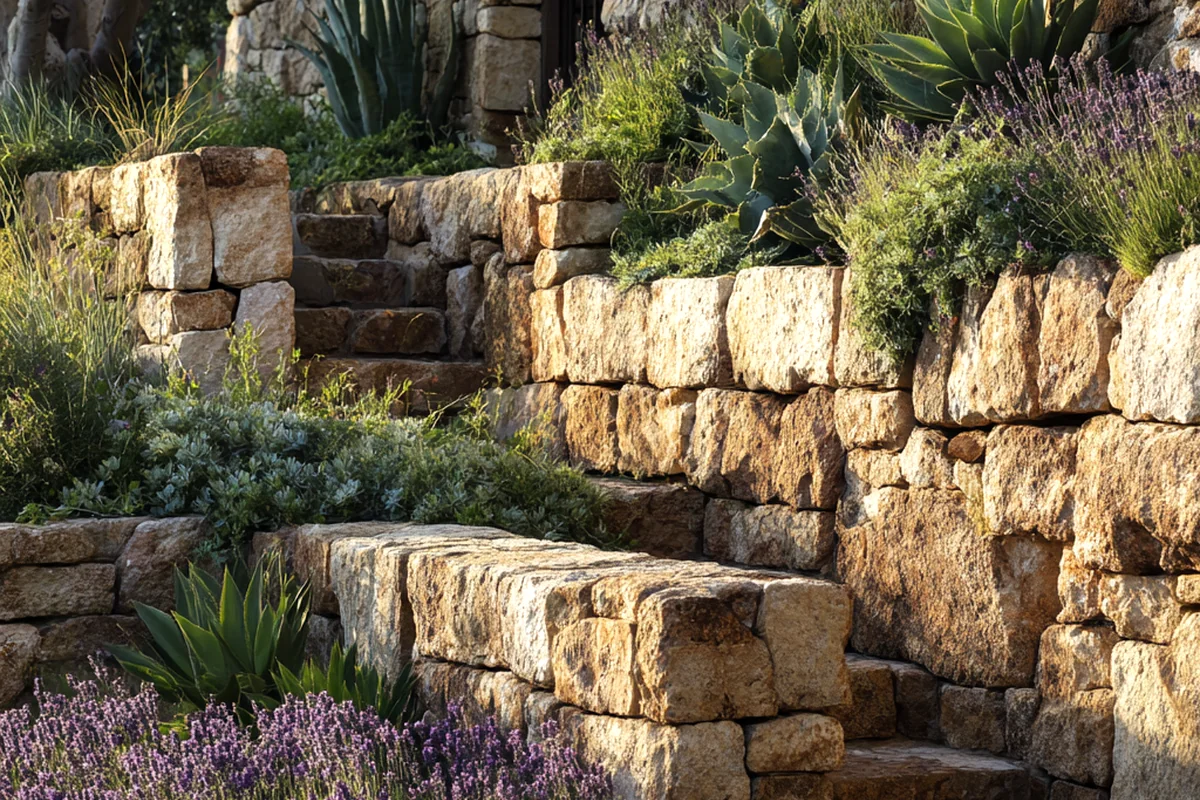
For multi-level homes, especially those on slopes, terraced gardens and artfully designed retaining walls are not just structural necessities but prime opportunities for aesthetic expression. These elements are foundational to Rustic European and Mediterranean Revival styles, transforming challenging topography into a series of functional and beautiful outdoor ‘rooms’. The ‘why’ is simple: they prevent erosion, create flat usable spaces, and add visual interest. The ‘how’ involves choosing the right materials and design. Opt for natural stone – local fieldstone, rough-hewn limestone, or even reclaimed brick – to build sturdy, character-rich retaining walls. Dry-stacked stone walls evoke a particularly authentic Rustic European feel, allowing for planting in crevices. For a more refined Mediterranean look, consider stucco-finished concrete walls in warm ochre, terracotta, or soft white, often capped with terracotta tiles. The flat areas created by these terraces are perfect for garden beds, small patios, or even intimate seating nooks. Pair the ruggedness of stone with delicate lavender or rosemary spilling over the edges, creating a textural contrast that delights the senses. Consider incorporating built-in seating ledges directly into the retaining wall design for seamless integration and spatial efficiency, maximizing every inch of your multi-level landscape.
2. The Heart of the Home: Courtyards & Central Patios
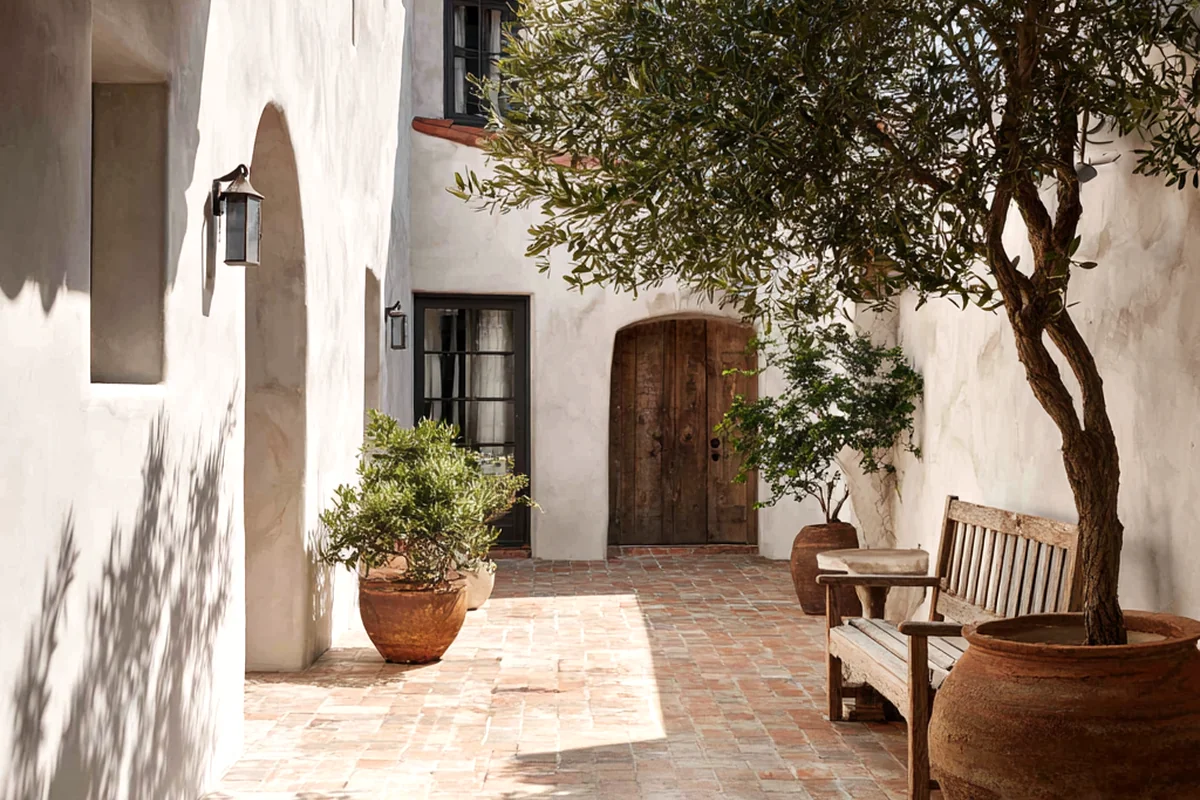
At the core of Spanish Colonial and Mediterranean Revival design lies the courtyard – a private, often shaded, outdoor room that serves as the social heart of the home. For multi-level residences, a central courtyard or a generously sized main patio on the ground floor provides a crucial anchor, connecting various levels and outdoor spaces. The ‘why’ is rooted in climate and culture: offering respite from the sun, promoting natural ventilation, and providing a secluded gathering place. The ‘how’ involves careful planning of its layout and features. Design your courtyard with a central focal point, such as a fountain or a mature olive tree, around which seating arrangements can be flexibly arranged. Paving materials are key: consider antique terracotta tiles laid in a herringbone pattern, rough-hewn stone pavers, or even pebbled mosaics for an authentic touch. These textures not only define the space but also contribute to its historic ambiance. Surround the courtyard with low walls or planting beds filled with fragrant jasmine, bougainvillea, or citrus trees, their vibrant colors and scents enhancing the sensory experience. For multi-level homes, ensure the courtyard is visually accessible from upper-level balconies or windows, creating a constant connection and inviting occupants to descend and partake in its charm. This central space acts as a vital transition, blurring the lines between the exterior and interior worlds.
3. Elegant Transitions: Archways, Loggias & Pergolas
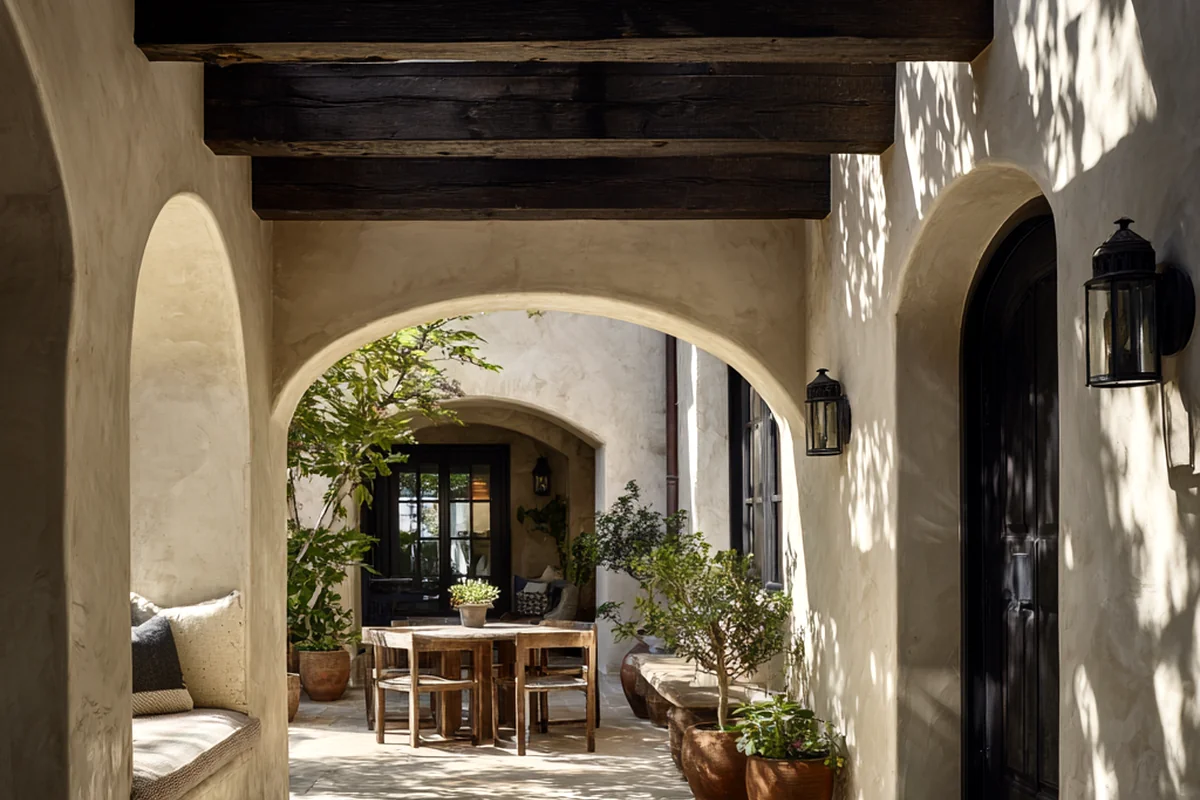
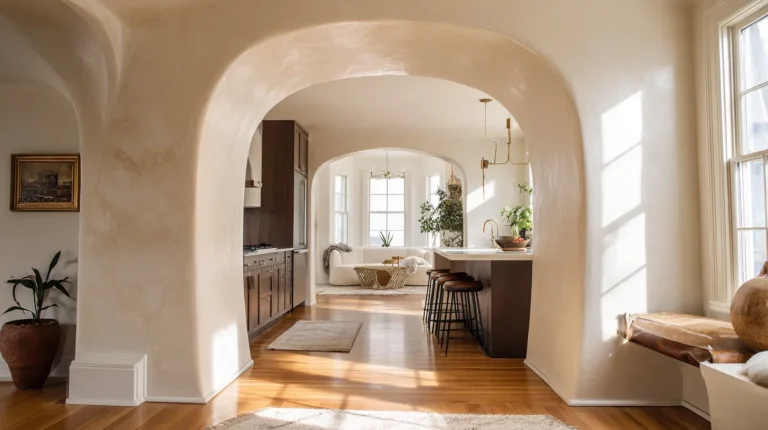
Architectural elements like archways, loggias, and pergolas are hallmarks of Mediterranean, Spanish Colonial, and Rustic European styles, offering essential shade, defining spaces, and creating graceful transitions between different levels and zones of a multi-level home. Their ‘why’ is both practical and aesthetic: they provide shelter from the sun, frame picturesque views, and add architectural gravitas. The ‘how’ involves integrating them thoughtfully into the exterior design. Classic archways, whether framing a doorway or a series of openings along a loggia, introduce a sense of grandeur and timelessness. Construct them from stucco-finished masonry in a warm, earthy tone to match the house, or from natural stone for a more rustic feel. A loggia, essentially a covered exterior corridor or gallery, is perfect for connecting different wings or providing a shaded walkway along an upper level, often featuring a series of arches. Pergolas, with their open lattice roofs, are ideal for creating dappled shade over a patio or pathway. Build them from distressed timber for a Rustic European vibe, or from painted wood (white or dark green) for a Mediterranean Revival look, often draped with climbing roses, wisteria, or grapevines. These structures not only enhance comfort but also add significant visual depth and architectural interest, inviting exploration and lingering in your multi-level outdoor oasis.
4. The Foundation of Style: Material Palette – Stone, Stucco & Terracotta
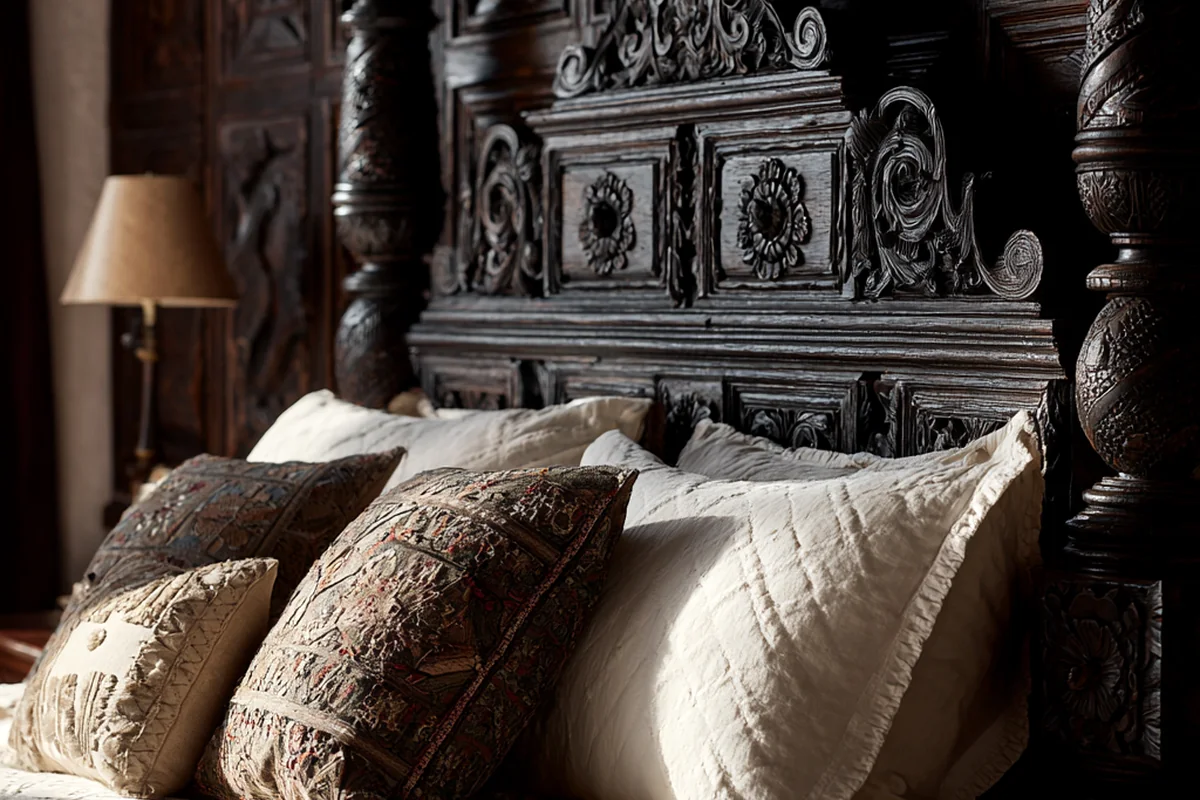
The material palette is paramount in defining the character of Mediterranean Revival, Rustic European, and Spanish Colonial exteriors. For a multi-level home, a cohesive selection of exterior finishes unifies the structure with its integrated outdoor spaces. The ‘why’ lies in authenticity and durability; these materials are historically appropriate, weather-resistant, and age beautifully. The ‘how’ involves strategic application and thoughtful combination. Stucco, applied in warm, earthy tones like sun-baked ochre, terracotta, cream, or soft white, forms the primary canvas for many of these styles. Its smooth, undulating texture provides a perfect backdrop for the more intricate details. Pair stucco with natural stone – think rugged fieldstone for a Rustic European farmhouse feel, or cut limestone for a more refined Mediterranean villa. Stone can be used for accent walls, foundational elements, retaining walls, or paving. Terracotta, with its distinctive reddish-brown hue, is indispensable. Use it for roof tiles (Spanish tiles are iconic), chimney pots, paving on patios, or decorative elements. The interplay of these textures – the smoothness of stucco, the ruggedness of stone, and the warm, earthy glow of terracotta – creates a rich, tactile experience. Ensure consistency across all levels and outdoor areas to maintain a unified and harmonious aesthetic, allowing the materials to speak to the timeless beauty of these styles.
5. Artistry in Iron: Wrought Iron & Ornate Details
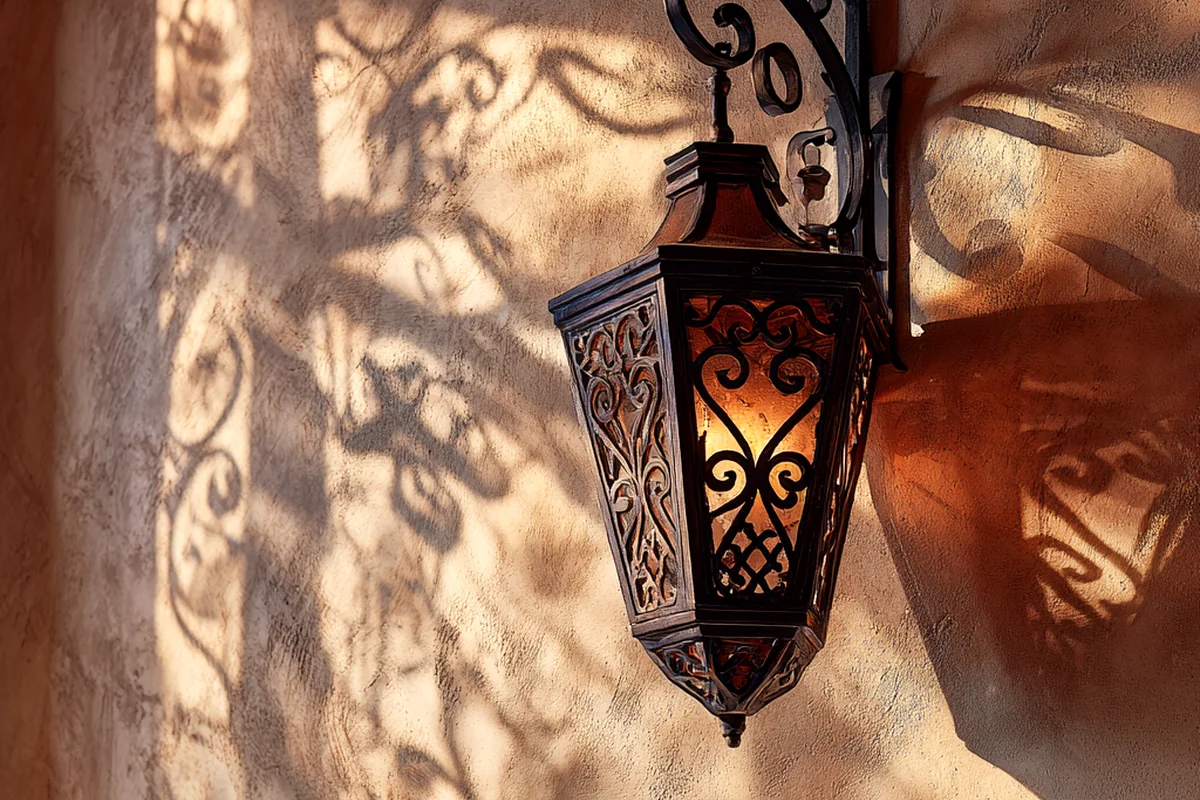
Wrought iron is an iconic element that lends an unparalleled sense of history, craftsmanship, and delicate strength to Mediterranean Revival and Spanish Colonial exteriors, particularly on multi-level homes. Its ‘why’ is aesthetic and functional: it provides safety on balconies and staircases while adding intricate, artistic detailing that is characteristic of these styles. The ‘how’ involves thoughtfully integrating these elements as both safety features and decorative accents. For multi-level homes, balconies and stair railings are prime opportunities to showcase custom wrought ironwork. Choose designs that feature elegant scrolls, floral motifs, or geometric patterns inspired by Moorish or Spanish traditions. The dark, often matte finish of wrought iron contrasts beautifully with light stucco walls or natural stone, creating visual interest and depth. Beyond railings, consider incorporating wrought iron into exterior light fixtures, gate designs, window grilles, or even decorative wall grilles that provide security without sacrificing beauty. For a more Rustic European touch, less ornate but still hand-forged ironwork can be used, emphasizing sturdy, functional forms. The texture of the iron, with its subtle irregularities from the forging process, adds to the authentic, artisanal feel, elevating functional components into works of art that define the exterior character of your home and its integrated outdoor spaces.
6. Serenity & Sound: Water Features – Fountains & Pools
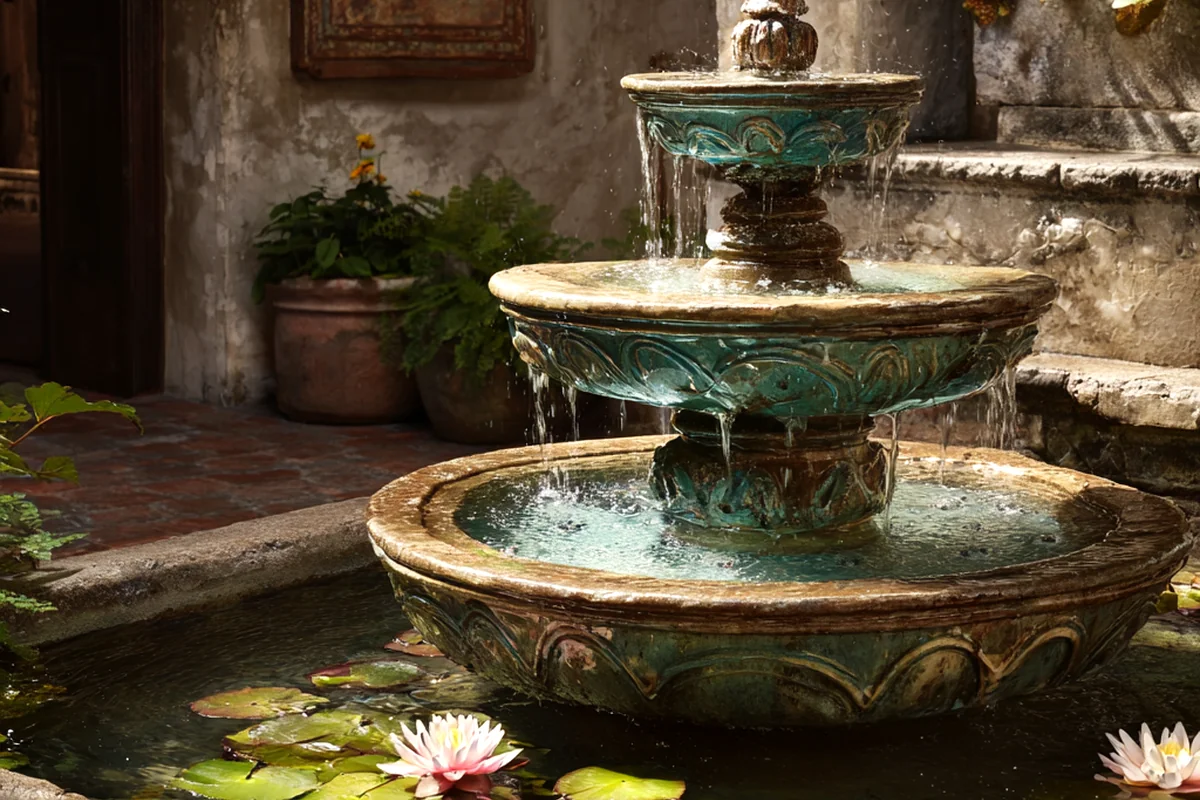
The soothing presence of water is a hallmark of Mediterranean and Spanish Colonial outdoor living, offering both sensory delight and practical cooling in warm climates. For multi-level homes, integrating fountains and pools strategically enhances the aesthetic and experiential quality of the exterior spaces. The ‘why’ is clear: water provides a focal point, creates calming ambient sound, and helps to cool the air. The ‘how’ involves careful placement and design to complement the surrounding architecture. For courtyards or main patios, a classical wall-mounted fountain or a tiered basin fountain crafted from stone or glazed terracotta becomes an instant focal point. The gentle trickle of water against the backdrop of stucco walls or lush greenery evokes a sense of peace. On a larger scale, a swimming pool can be integrated, perhaps on a lower terrace or main level, designed with natural stone coping and surrounded by Mediterranean-inspired planting. For multi-level properties, consider a series of small, interconnected water features that cascade down a slope, creating a visual and auditory journey. The texture of rough-hewn stone combined with the smooth, reflective surface of water creates a dynamic contrast. Ensure the sound of the water is pleasant and not overwhelming, becoming a constant, gentle companion to your outdoor living experience.
7. Culinary Delights Al Fresco: Outdoor Kitchens & Dining
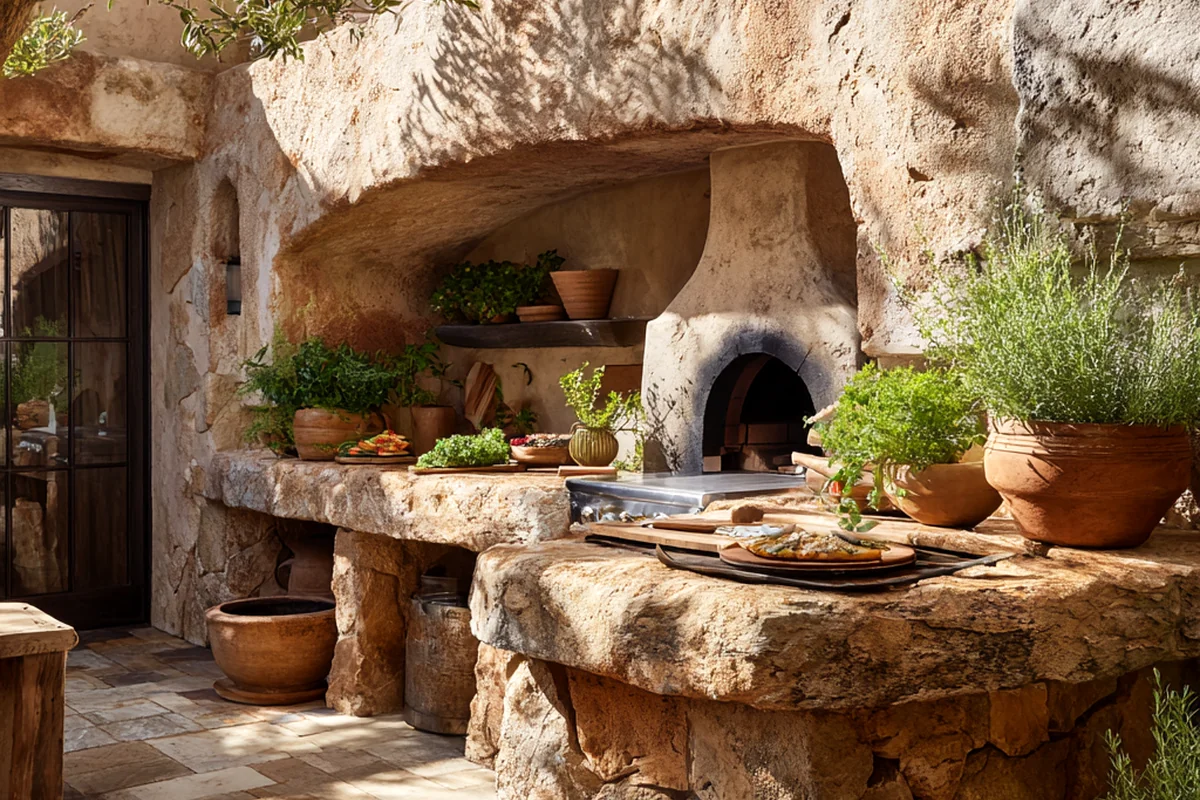
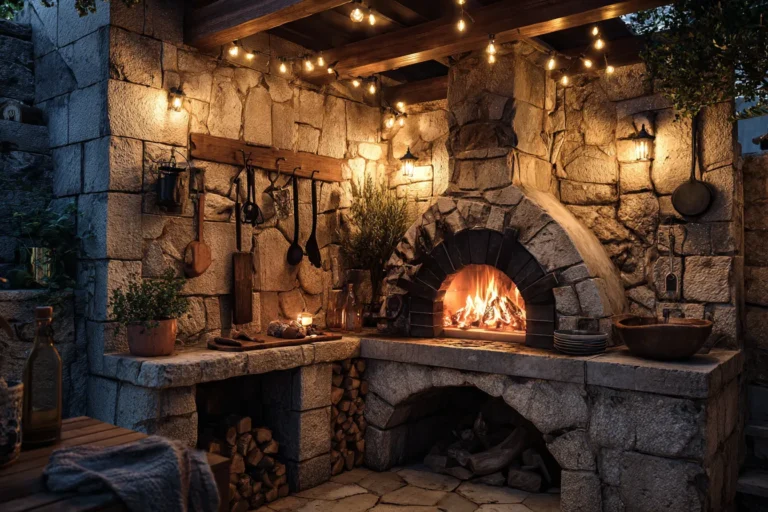
The Mediterranean lifestyle is synonymous with al fresco dining and entertaining, making an integrated outdoor kitchen and dining area an essential component of a multi-level home’s exterior design. The ‘why’ is about enhancing lifestyle and maximizing enjoyment of the outdoor spaces, transforming a simple meal into a memorable event. The ‘how’ involves creating a highly functional yet aesthetically pleasing culinary zone. Position your outdoor kitchen on a main patio or a generously sized terrace that is easily accessible from the interior kitchen or dining room. For multi-level homes, consider an upper-level terrace for dining with a view, perhaps served by a dumbwaiter or a well-placed staircase. Construct the kitchen island and counters from durable, weather-resistant materials that echo the home’s exterior, such as stucco-finished masonry, natural stone, or tiled countertops. Incorporate a built-in grill, a sink, and ample counter space for preparation. For a Rustic European touch, a wood-fired pizza oven is a fantastic addition. Pair these elements with a large, sturdy dining table made of distressed wood or wrought iron with a stone top, surrounded by comfortable, weather-resistant chairs. Overhead, a pergola draped with vines can provide shade and an intimate dining atmosphere, completing the vision of a truly integrated outdoor living space for culinary adventures.
8. Lush Tapestries: Layered Landscaping & Drought-Tolerant Planting
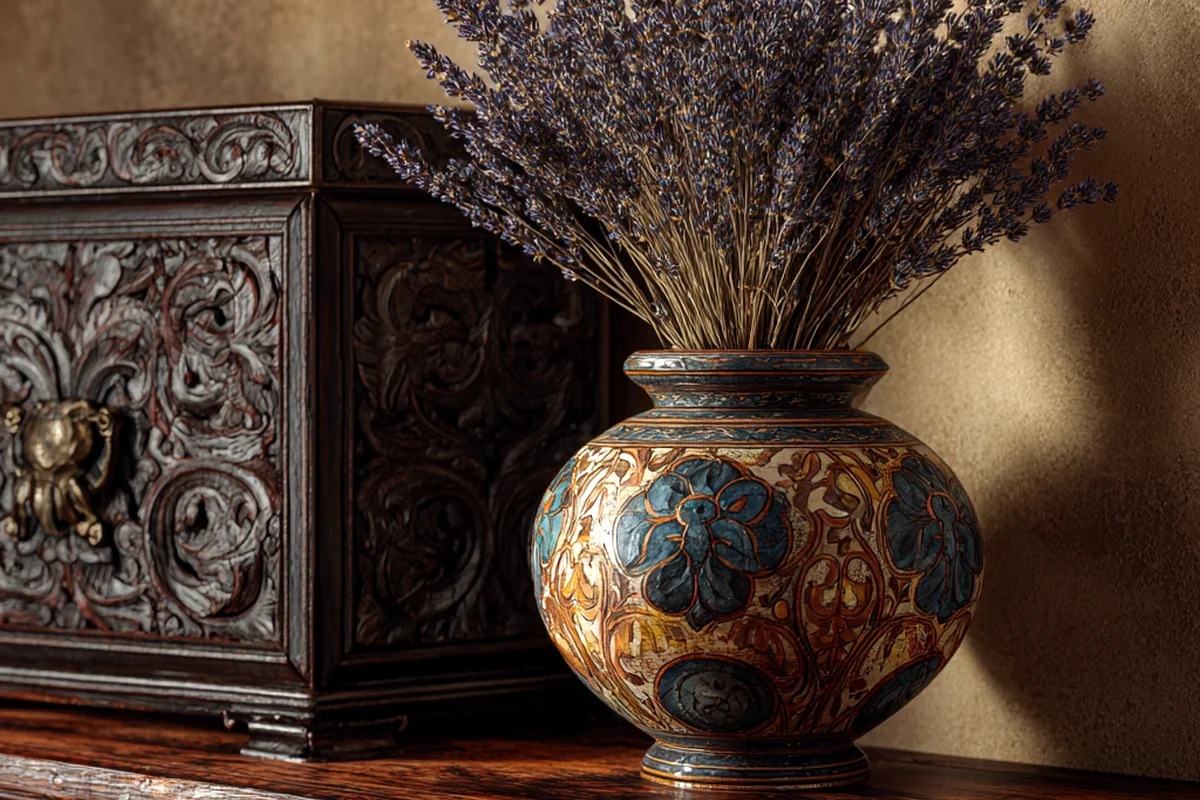
The garden is not merely an accessory but an integral ‘room’ in Mediterranean Revival, Rustic European, and Spanish Colonial design, especially for multi-level homes. Layered landscaping with drought-tolerant planting is crucial for creating a sustainable, vibrant, and authentic aesthetic. The ‘why’ is ecological and aesthetic: conserving water while creating a lush, fragrant, and visually rich environment. The ‘how’ involves selecting appropriate plants and arranging them thoughtfully. Begin with foundational elements like olive trees, cypress trees, and palms for vertical interest and shade, characteristic of Mediterranean landscapes. Intersperse these with flowering shrubs such as bougainvillea, oleander, and hibiscus for splashes of vibrant color, allowing them to cascade over walls and terraces. For ground cover and aromatic pathways, plant rosemary, lavender, thyme, and various succulents, which thrive in sunny, dry conditions. These plants not only tolerate less water but also release wonderful scents, enhancing the sensory experience of your outdoor spaces. Use terracotta pots and planters liberally, filled with seasonal color or small citrus trees, to add portable greenery and traditional charm. The key is to create layers of varying heights, textures, and colors, guiding the eye through the multi-level garden and creating a sense of discovery as one moves from one outdoor space to the next, blurring the lines between the built and natural environments.
9. Illuminating Elegance: Exterior Lighting for Ambiance & Safety
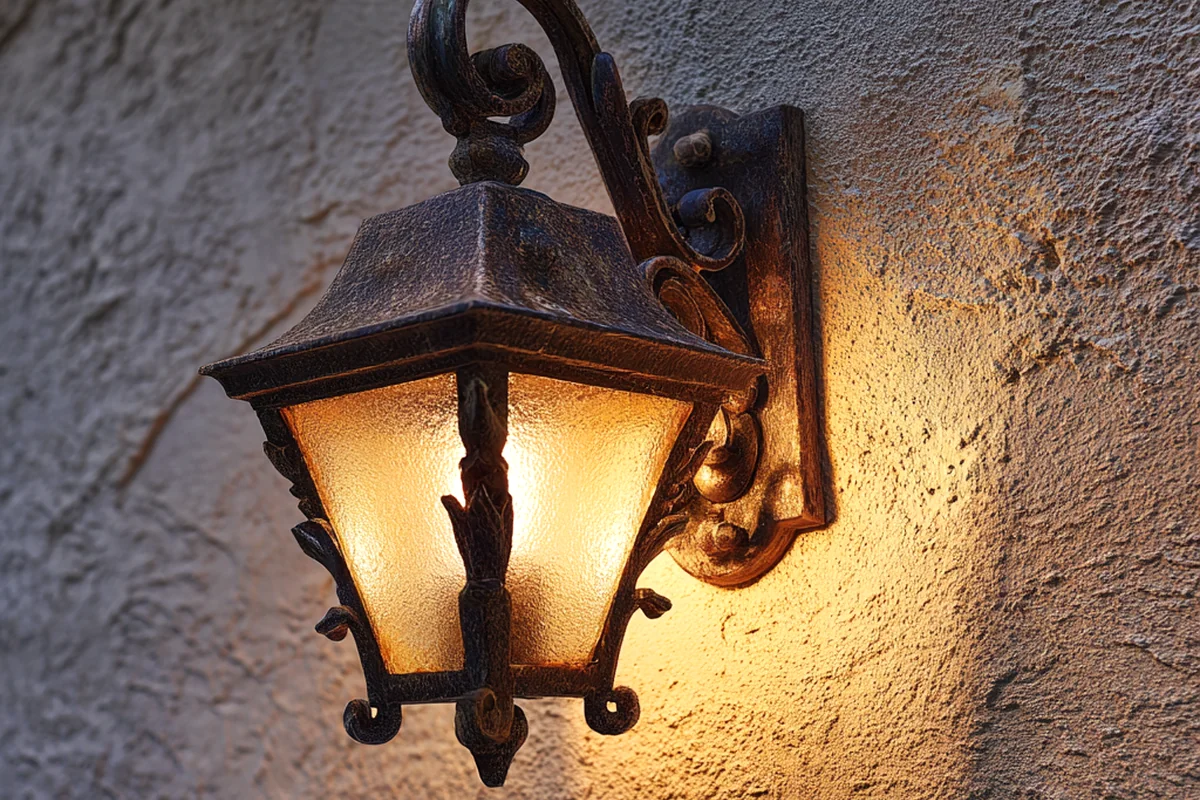
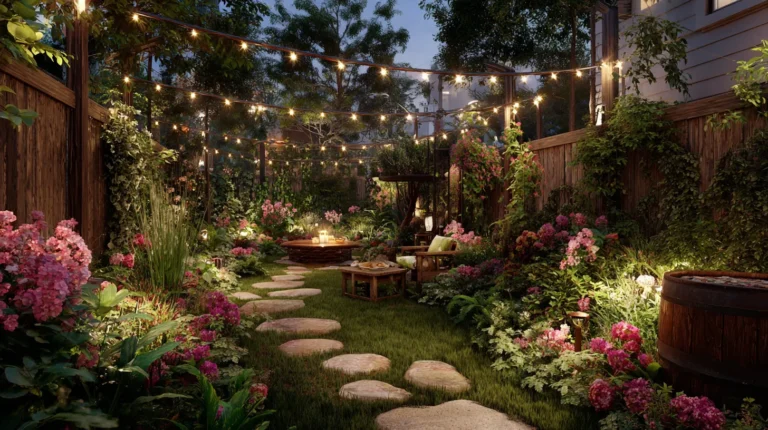
Thoughtful exterior lighting is crucial for extending the usability of multi-level outdoor spaces into the evening hours, while also enhancing safety and highlighting architectural features. In Mediterranean Revival, Rustic European, and Spanish Colonial styles, lighting design emphasizes warmth, intimacy, and a subtle interplay with the natural environment. The ‘why’ is dual-purpose: to create enchanting evening ambiance and to ensure safe navigation across different levels. The ‘how’ involves a strategic blend of functional and decorative fixtures. For pathways and stairs, discreet low-level path lights or integrated step lights prevent trips and falls, casting a soft glow. Up-lighting mature trees, stucco walls, or architectural arches creates dramatic shadows and highlights texture, adding depth to the multi-level exterior. Wall-mounted sconces, crafted from wrought iron with amber or seeded glass, are quintessential for entryways, patios, and loggias, providing both task lighting and decorative flair. For dining or lounging areas, string lights (bistro lights) or lanterns hung from pergolas or tree branches create a festive, inviting atmosphere. Avoid harsh, overly bright lights; instead, opt for warm-toned LED bulbs that mimic candlelight or gas lamps. This layered approach to lighting transforms your multi-level exterior into a magical evening retreat, inviting prolonged enjoyment of your beautifully integrated outdoor rooms.
10. Seamless Flow: Multi-Level Connectivity – Staircases & Pathways

For a multi-level house with integrated outdoor living, the design of staircases and pathways is paramount to creating a seamless, intuitive flow between different zones and levels. These elements are not just functional connectors but also significant architectural features that contribute to the overall aesthetic. The ‘why’ is about ensuring ease of movement, accessibility, and visual continuity across the entire property. The ‘how’ involves thoughtful material selection, layout, and detailing. Staircases should be designed as extensions of the landscape and architecture. For a Rustic European look, consider wide, shallow steps made from rough-hewn stone or reclaimed timber, perhaps winding gently up a terraced garden. For Mediterranean and Spanish Colonial styles, stuccoed risers with terracotta tile treads, or stone steps flanked by low walls, are ideal. Incorporate wrought iron handrails for safety and decorative appeal, matching the detailing of balconies and gates. Pathways should meander rather than run straight, inviting exploration. Use materials like decomposed granite, irregularly shaped flagstones, or pebbled mosaics to define these routes, ensuring they harmonize with adjacent patios and garden beds. The goal is to create a journey that feels natural and unforced, where each step and turn reveals a new vista or an intimate outdoor ‘room,’ making the entire multi-level exterior a cohesive and engaging experience.
Crafting a multi-level house exterior that beautifully integrates outdoor living spaces and gardens in the timeless styles of Mediterranean Revival, Rustic European, or Spanish Colonial is an art form that speaks to a profound connection with nature and a love for enduring beauty. As we’ve explored, this journey is about far more than just adding a patio; it’s about weaving a cohesive tapestry of design elements, from the foundational terraced gardens and the inviting heart of the courtyard, to the elegant transitions of archways and pergolas. It’s about the deliberate choice of materials—stucco, stone, and terracotta—that whisper tales of sun-drenched landscapes and ancient craftsmanship, and the intricate dance of wrought iron that adds both security and artistry. By embracing the principles of these beloved styles, you can transform your multi-level property into a harmonious sanctuary where every outdoor space feels like a cherished room. From the serene sound of a fountain to the tantalizing aroma from an al fresco kitchen, and the soft glow of evening lights, each detail contributes to an immersive sensory experience. Remember that thoughtful landscaping, seamless connectivity through staircases and pathways, and a consistent material palette are key to unlocking the full potential of your home’s exterior. May this guide inspire you to embark on your own design journey, creating an outdoor haven that is not only visually stunning but also deeply resonant with the spirit of timeless European elegance, a place where memories are made and cherished for generations to come.