Elevate Your Sanctuary: 10 Organic Modern & Japandi Secrets for Multi-Level Living
The multi-level home, with its inherent grandeur and architectural drama, presents a unique design opportunity to craft spaces that are both expansive and intimately inviting. However, the challenge often lies in harmonizing these distinct levels, particularly the entryway and the prominent staircase, into a cohesive and tranquil whole. This is where the powerful synergy of Organic Modern, Japandi, and Natural Contemporary design philosophies truly shines. These styles, while distinct, share a profound appreciation for simplicity, natural materials, functionality, and a deep connection to the natural world. Organic Modern design embraces fluidity, natural shapes, and a palette inspired by the earth, blending sleek contemporary lines with a softness that comes from organic forms and textures. Japandi, a thoughtful fusion of Japanese wabi-sabi and Scandinavian hygge, prioritizes minimalism, craftsmanship, natural elements, and a sense of calm serenity. Meanwhile, Natural Contemporary acts as the perfect bridge, integrating modern aesthetics with an emphasis on sustainable, raw materials and an indoor-outdoor flow. Together, these approaches create interiors that are not just visually stunning but also foster a sense of well-being and mindful living. They champion uncluttered spaces, authentic textures, abundant natural light, and a timeless elegance that transcends fleeting trends. In this comprehensive guide, we’ll unveil ten expert strategies to transform your spacious multi-level living area and entryway, centered around that commanding staircase. You’ll discover how to leverage these design principles to create seamless transitions, infuse biophilic elements, master light and shadow, and select furniture and decor that speak to sophisticated simplicity. From conceptualizing a sculptural staircase to curating a serene color palette and maximizing vertical volume, prepare to learn practical, actionable advice that will empower you to design a multi-level home that feels like a truly elevated sanctuary—a testament to thoughtful design and harmonious living.
1. The Grand Entrance: Crafting a Welcoming First Impression
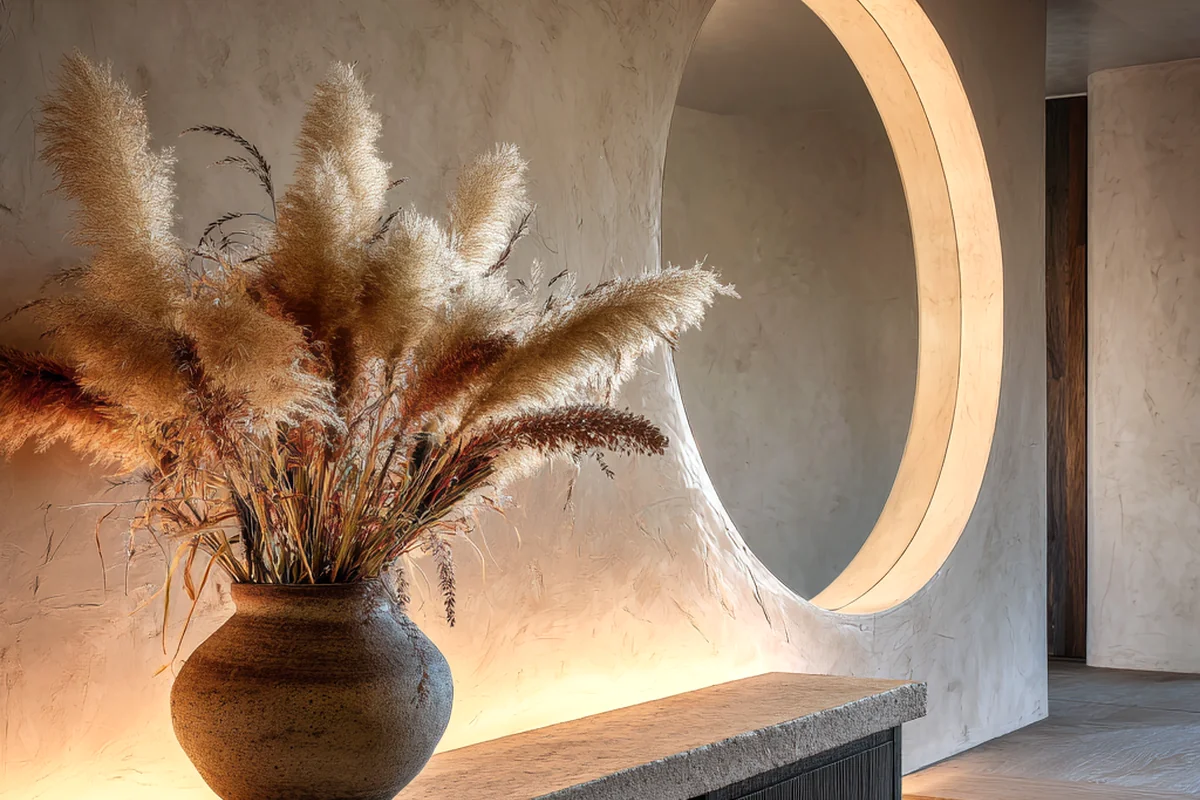
The entryway of a multi-level home serves as the crucial prelude to your entire living experience, setting the tone for the architectural narrative that unfolds within. In Organic Modern and Japandi design, this space must be more than just a transition zone; it’s an intentional invitation to serenity and sophistication. The ‘why’ behind this focus is clear: a well-designed entryway creates a lasting first impression, offering a glimpse into the home’s aesthetic and ethos. To achieve this, begin with foundational elements. Opt for large-format natural stone flooring, such as honed limestone or travertine, or wide-plank, light-toned wood, providing a durable and visually expansive base. For a console table, choose a minimalist, sculptural piece—perhaps a live-edge slab of wood, a simple travertine block, or a sleek metal design—to serve as a functional anchor without overwhelming the space. Above it, an oversized mirror with an organic frame or a clean, frameless design will reflect light, expand the perceived space, and offer a final glance before departure. Practical styling advice involves a curated approach. Introduce a tall, elegant plant like an Olive Tree or Fiddle Leaf Fig in a textured ceramic pot to bring a biophilic touch. Ambient lighting is key; a statement pendant with an organic form or discreet wall sconces should cast a soft, welcoming glow. Texture pairings are vital: contrast the smooth stone or wood flooring with a hand-knotted jute or wool rug for warmth and grounding. A simple, large-scale piece of abstract art or a linen wall hanging can add visual interest without clutter. Ensure spatial arrangement allows for clear pathways, avoiding any visual or physical obstacles. The goal is an uncluttered, breathable space that whispers elegance and natural calm, welcoming both residents and guests with an understated grace.
2. Staircase as Sculpture: Elevating Functional Design
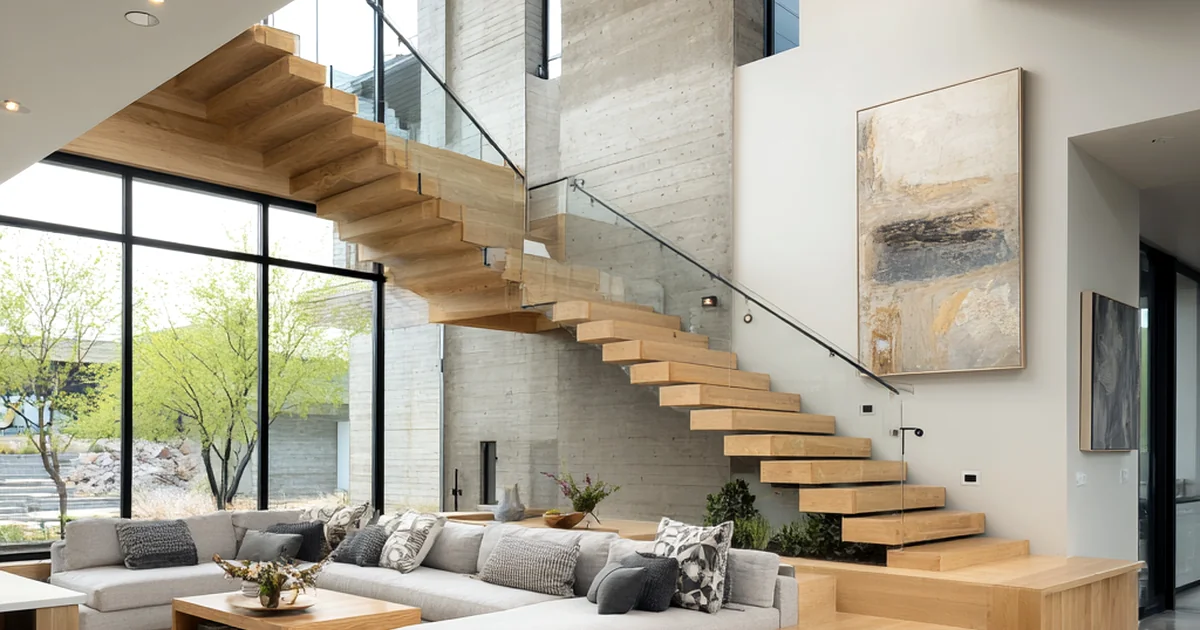
In a multi-level dwelling, the staircase transcends its primary function, becoming a central architectural sculpture and a powerful visual connector between floors. For Organic Modern and Japandi interiors, the ‘why’ is about transforming a utilitarian element into an art piece that embodies lightness, material integrity, and spatial flow. This approach ensures the staircase doesn’t just transport you but also inspires you. To achieve this, consider designs with floating treads, open risers, or minimalist stringers, which contribute to an airy, open feel. Materials are paramount: light oak, ash, or walnut for treads and risers offer warmth, while polished concrete or a seamless micro-cement finish can introduce a contemporary, robust texture. When detailing the balustrade, prioritize transparency and clean lines. Frameless glass panels create an almost invisible barrier, allowing light to flood through and maintaining visual connectivity. Alternatively, slender metal rods (in matte black, bronze, or brushed steel) or finely crafted wood slats can provide a subtle rhythmic pattern, echoing the linear simplicity of Japandi design. Handrails should be smooth and tactile—a natural wood for warmth or a sleek metal for a modern edge. The often-overlooked under-stair space offers a unique opportunity for integration; consider built-in storage disguised as paneling, a serene reading nook with a custom bench, a display area for a single, impactful sculpture, or even a small, low-maintenance rock garden, bringing a touch of Zen. Integrated LED strips under treads provide soft, functional illumination, while a sculptural pendant light suspended in the stairwell void can create a dramatic focal point, emphasizing the verticality and volume of the space. This thoughtful blend of materials and form ensures the staircase is a harmonious and captivating element.
3. Harmonizing Levels: Seamless Transitions and Flow
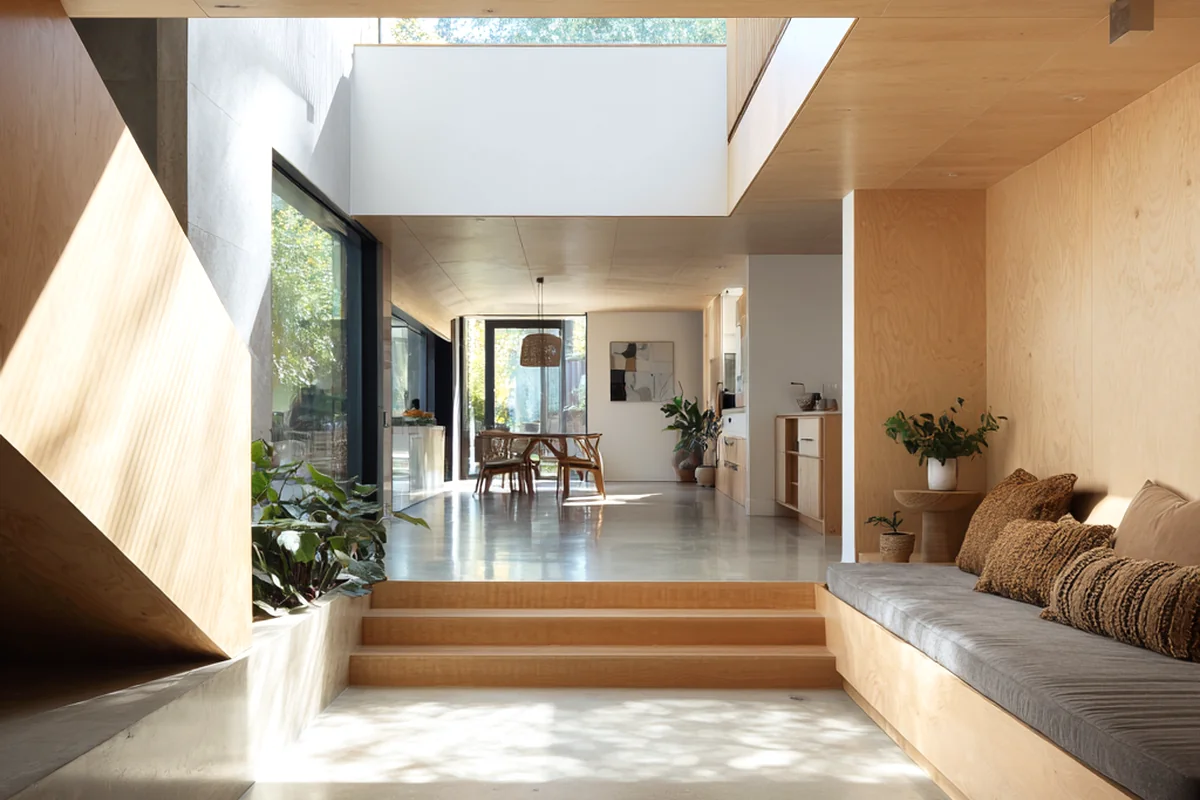
The inherent challenge of a multi-level home lies in preventing it from feeling fragmented or disconnected. The ‘why’ of harmonizing levels is to cultivate a fluid, unified living experience, where each floor, entryway, and staircase feels like a natural extension of the whole. This creates a sense of continuous calm and expands the perceived spaciousness. The ‘how’ begins with material consistency. Employing the same or highly complementary flooring materials across different levels—such as a consistent wide-plank wood throughout or a seamless transition from natural stone on the lower level to a matching wood upstairs—visually stitches the spaces together. This continuity minimizes visual breaks, allowing the eye to travel effortlessly from one area to the next. Beyond flooring, a shared color palette is crucial. Repeating a core set of neutral tones—warm whites, soft greys, gentle beiges—alongside natural accent hues derived from earth and muted greens, reinforces the cohesive aesthetic. Maintain clear visual sightlines, especially from the entryway and staircase, into adjacent living areas. This openness fosters a sense of connection and prevents any one space from feeling isolated. In open-concept living areas, use area rugs to subtly define zones (e.g., living, dining, reading nooks) without erecting physical barriers, maintaining an open flow. Introduce vertical elements like tall, slender plants or floor-to-ceiling drapery to bridge the visual gap between levels, drawing the eye upwards and reinforcing the grand scale. When arranging furniture, prioritize pathways that encourage natural movement between areas, ensuring that the journey from one level to the next, and between different functional zones, feels intuitive and unobstructed. This holistic approach ensures every part of your multi-level home contributes to a singular, harmonious design narrative.
4. Nature’s Embrace: Biophilic Elements & Organic Textures
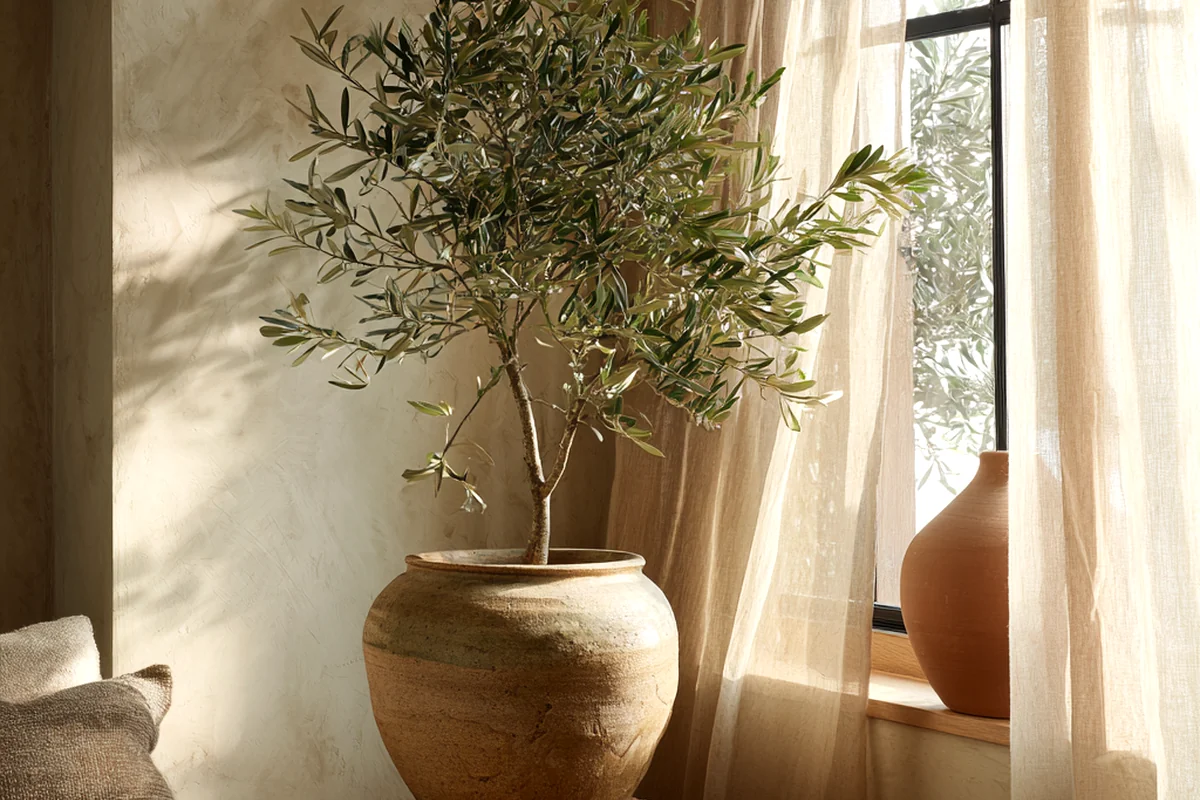
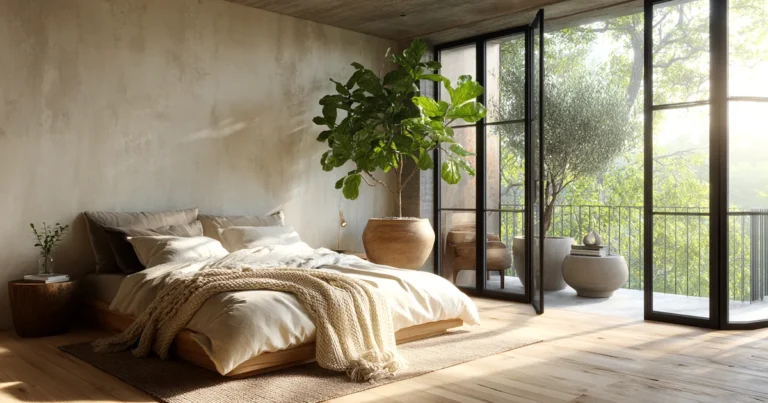
At the heart of Organic Modern, Japandi, and Natural Contemporary design lies a profound commitment to biophilia—the innate human connection to nature. The ‘why’ is simple yet powerful: integrating natural elements enhances well-being, reduces stress, and imbues a space with a sense of vitality and tranquility. For a multi-level home, this translates into creating interiors that breathe with natural beauty, even amidst modern architecture. The ‘how’ involves a deliberate selection of materials and the strategic placement of greenery. Start with a foundation of natural materials. Prioritize unfinished or lightly treated wood—think wide-plank oak, ash, or walnut for flooring, bespoke cabinetry, or a console table. Natural stone, such as travertine, limestone, or slate, can be incorporated into flooring, fireplace surrounds, or accent walls, offering a cool, grounding counterpoint. Textiles play a crucial role in layering warmth and softness: linen, organic cotton, wool, jute, and hemp for upholstery, drapery, and rugs. Introduce raw, tactile textures through plaster or limewash walls, which create a subtle, earthy depth that shifts with the light. The inclusion of living plants is non-negotiable. Large, statement plants like a Fiddle Leaf Fig, Monstera, or an elegant Olive Tree in minimalist ceramic or terracotta pots can anchor a living area or grand entryway. Smaller potted plants can adorn shelves or windowsills, bringing life to every corner. Texture pairing is key: contrast the smooth coolness of polished stone with the rough warmth of raw wood, or the softness of a linen sofa with the hard lines of a concrete staircase. When arranging spatially, integrate plants into seating areas, entryway vignettes, and stair landings to ensure nature’s presence is felt throughout the home, creating a continuous dialogue between the built environment and the natural world.
5. Light and Shadow Play: Illuminating Multi-Level Spaces
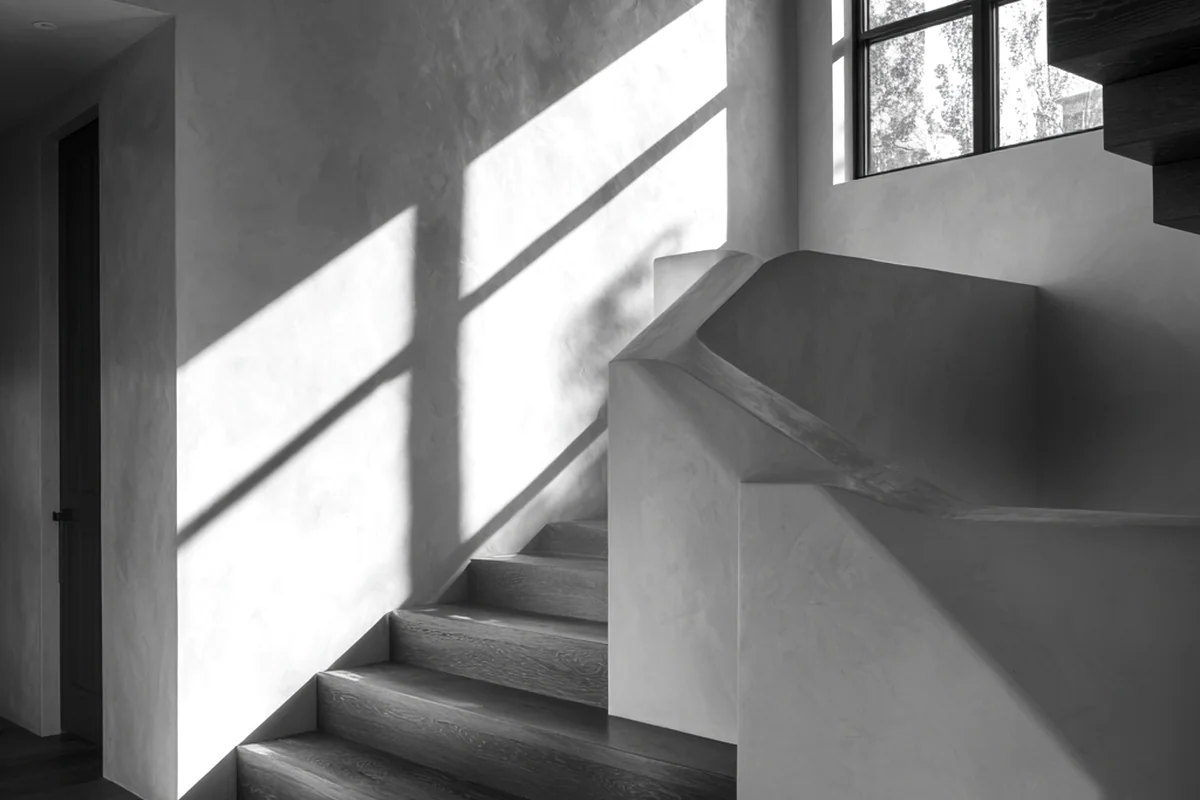
In the design lexicon of Organic Modern and Japandi, light is not merely illumination; it is a fundamental design material, shaping mood, enhancing spatial perception, and highlighting architectural details. The ‘why’ behind mastering light and shadow in a multi-level home is to create a dynamic yet serene atmosphere that evolves throughout the day, emphasizing openness and connection to the outside world. The ‘how’ involves a multi-layered approach to both natural and artificial lighting. Maximize natural light by keeping windows unobstructed. Opt for sheer linen or cotton curtains that filter rather than block sunlight, allowing daylight to flood the interior. Strategically placed mirrors can further amplify natural light and expand perceived space, especially in entryways or on stair landings. For deeper areas of the home, consider integrating light wells or skylights to draw daylight into the core. Artificial lighting should be layered to provide flexibility and depth. Begin with ambient lighting using discreet recessed fixtures that offer general illumination without visual clutter. Task lighting, such as reading lamps by seating areas or focused pendants over a kitchen island, ensures functionality. Accent lighting is where creativity shines: integrated LED strips under stair treads, wall washers that highlight textured walls or art, and picture lights that draw attention to curated pieces. Sculptural lighting fixtures, like a large-scale pendant with an organic form suspended in the stairwell or over a double-height living area, can serve as a stunning focal point. Floor lamps with natural material shades (linen, paper) add a soft, diffused glow. Importantly, incorporate dimmer switches on all circuits to allow for precise control over the mood, transitioning from bright, airy daytime to warm, intimate evenings. The interplay of light and shadow, particularly as it dances across textured surfaces and natural materials, creates an ever-changing landscape of beauty within your home.
6. Minimalist Mastery: Decluttering for Calm & Clarity
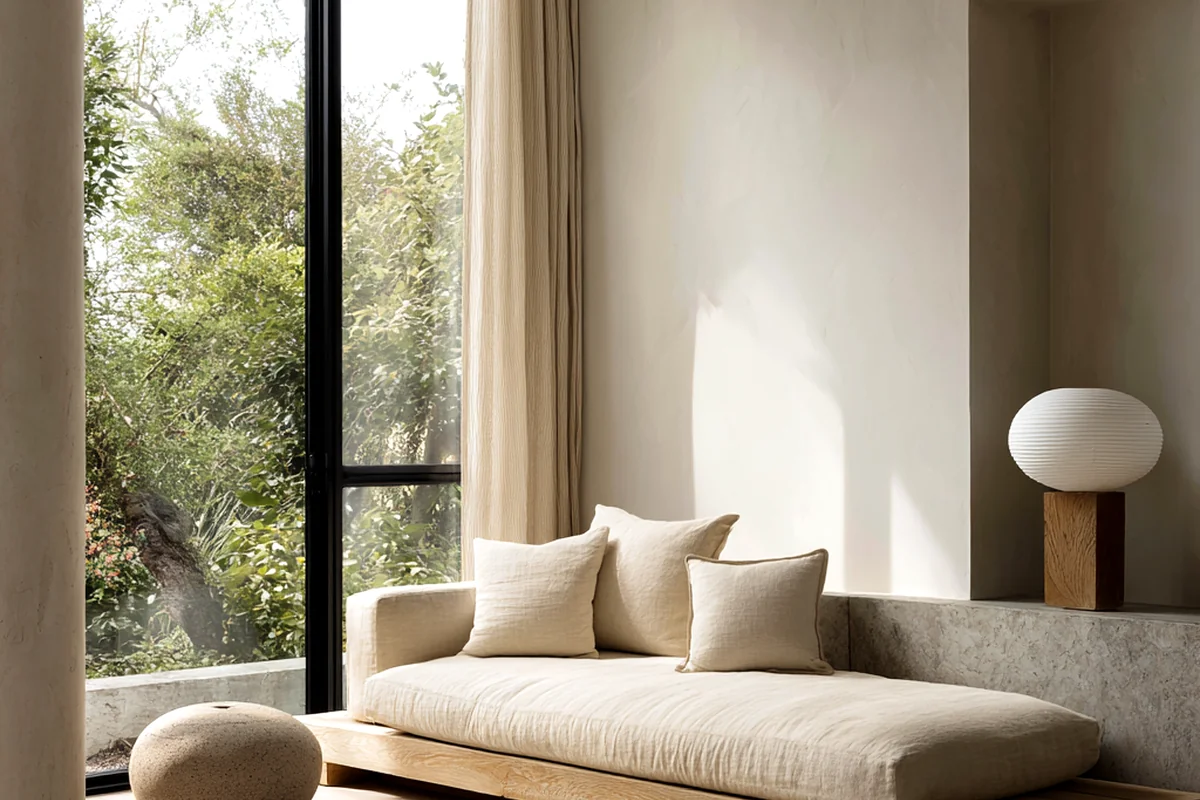
Minimalist mastery is a cornerstone of Japandi and Organic Modern design, emphasizing that less is truly more when it comes to creating spaces that exude calm and clarity. The ‘why’ is rooted in the philosophy of mindful living: reducing visual noise and physical clutter allows the mind to relax, fosters focus, and highlights the beauty of carefully selected objects and the architecture itself. For a multi-level home, where spaciousness can sometimes invite over-furnishing, a disciplined minimalist approach is key to maintaining serenity. The ‘how’ involves a strategic embrace of purposeful possessions and integrated storage solutions. Begin by curating your belongings with intention. Only display items that are beautiful, meaningful, or genuinely functional. This means moving away from decorative excess and towards a more deliberate selection of objects. Integrated storage is paramount: built-in shelving, hidden cabinets, and custom joinery that seamlessly blend into walls reduce visual clutter and provide homes for everyday items. Consider bespoke under-stair storage solutions that are both practical and aesthetically pleasing, perhaps disguised behind minimalist paneling. Furniture selection should prioritize pieces with clean lines, timeless designs, and multi-functional capabilities (e.g., ottomans with storage, coffee tables with hidden compartments). Avoid overly ornate, bulky, or superfluous items that can quickly overwhelm a space. Maintain clean surfaces in the entryway, living areas, and stair landings to encourage a sense of order and spaciousness. The color palette, as discussed, should remain serene and limited, further contributing to visual calm. Crucially, allow for ample negative space around furniture and objects. This ‘white space’ is not empty; it allows the eye to rest, enhances the appreciation of individual pieces, and contributes significantly to the overall feeling of openness and tranquility inherent in Japandi and Organic Modern aesthetics. By embracing minimalist mastery, your multi-level home transforms into a sanctuary of peace and intentional living.
7. Color Palette of Calm: Serene Hues for Spaciousness
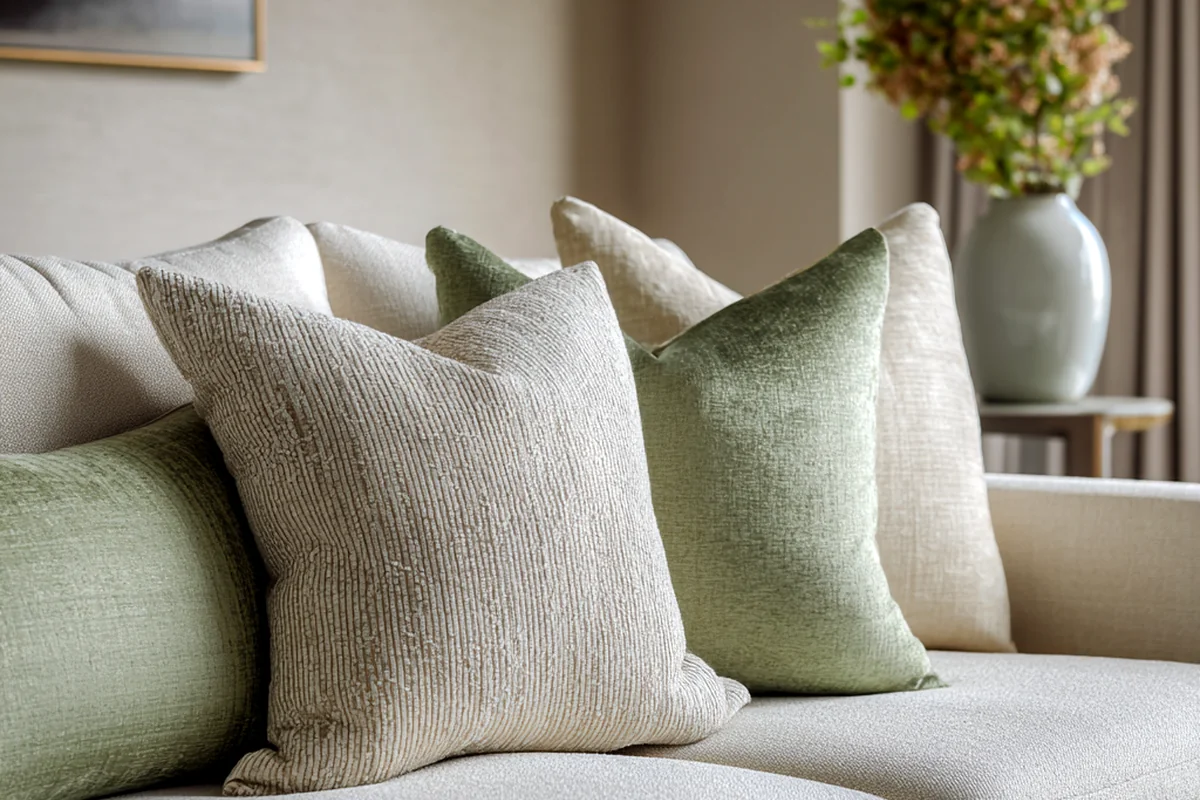
The chosen color palette profoundly impacts the mood, perceived size, and overall ambiance of any interior, especially in grand, multi-level spaces. For Organic Modern, Japandi, and Natural Contemporary design, the ‘why’ behind a serene color scheme is to evoke tranquility, enhance natural light, and create a backdrop that allows textures, materials, and architectural forms to take center stage. This approach fosters a sense of spaciousness and understated elegance, rather than relying on bold, attention-grabbing hues. The ‘how’ involves a thoughtful selection and application of nature-inspired tones. Begin with a base of warm neutrals: soft whites, gentle off-whites, muted greys, and earthy beiges. These colors serve as an expansive canvas, reflecting light and making rooms feel larger and airier. They also provide a calming foundation that promotes relaxation. Introduce depth and subtle interest through natural, earthy tones. Think muted sage greens, soft terracotta, sandy ochres, charcoal, and warm rust, used sparingly as accents in textiles, pottery, or small furniture pieces. The inherent colors of your chosen natural materials—the grain of light oak, the veining of travertine, the natural hue of linen—become integral parts of the palette, adding organic warmth and authenticity. Consider a monochromatic or analogous scheme, using variations of a single hue or closely related colors to create subtle shifts and depth without introducing visual busyness. For example, layering different shades of off-white with beige and light grey. Texture, rather than bold color, becomes the primary driver of visual interest; a creamy limewash wall offers more depth and character than a flat, bright color. When applying these hues, lighter colors on walls and ceilings will invariably enhance perceived height and openness, crucial for multi-level living areas. This disciplined approach to color ensures your home feels cohesive, sophisticated, and bathed in a timeless, natural calm.
8. Strategic Furniture Placement: Defining Zones in Open Layouts
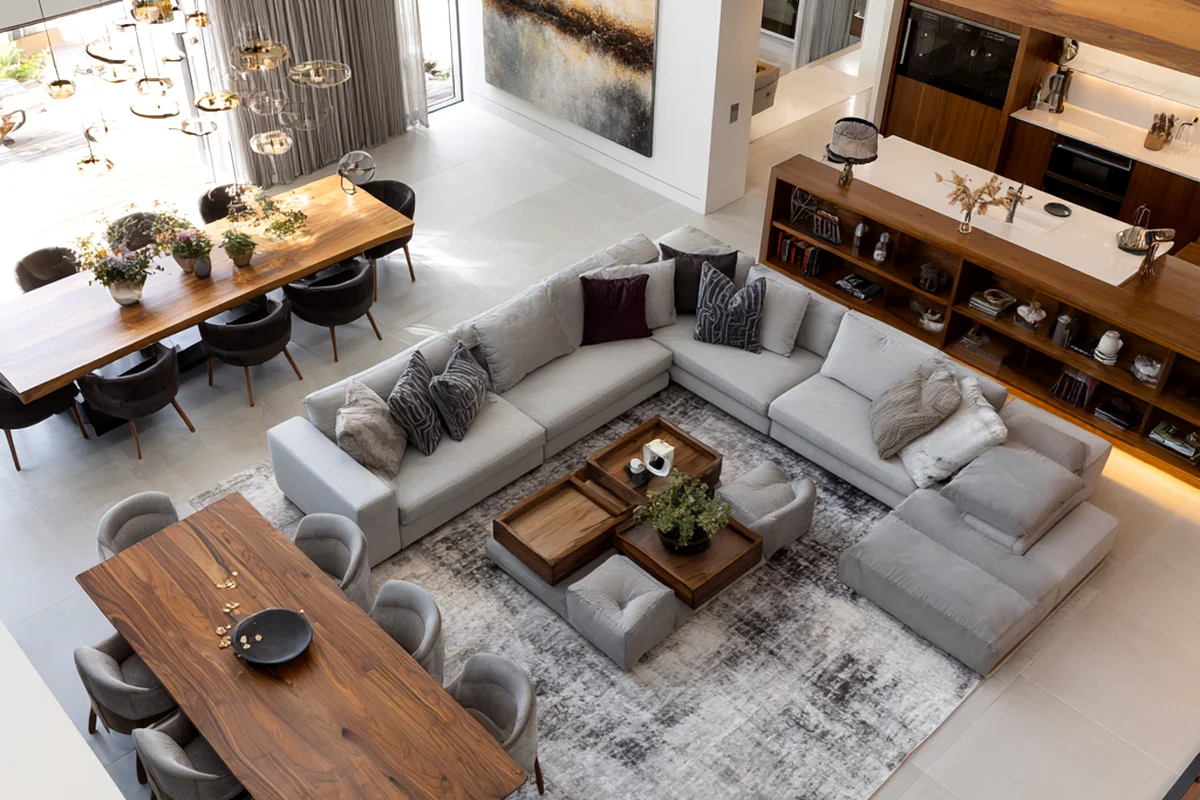
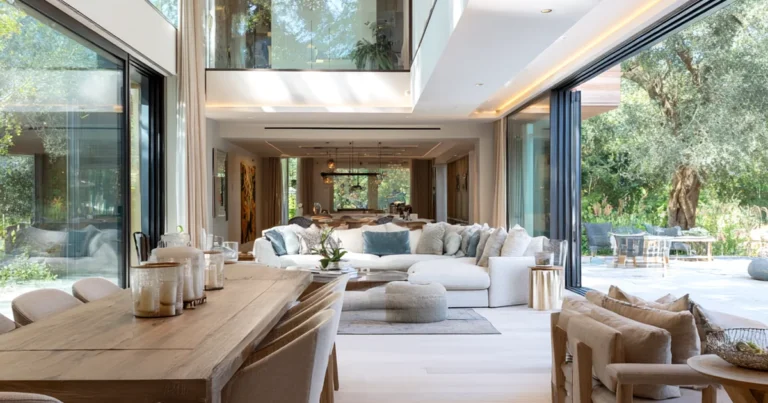
In spacious multi-level homes with open-concept living areas, strategic furniture placement is paramount. The ‘why’ is to prevent vast spaces from feeling cavernous or undefined, instead creating distinct yet interconnected zones that cater to various activities while maintaining a harmonious flow. This approach ensures functionality and intimacy within the grandeur. The ‘how’ involves thoughtful arrangement that guides movement and delineates purpose without relying on physical walls. Start by anchoring distinct areas with large area rugs. A substantial rug can clearly define a living room conversation area, a dining space, or a cozy reading nook within a larger open floor plan. For seating, a well-chosen sectional sofa can naturally delineate the living area, creating a comfortable boundary. Position it to face key architectural features, a fireplace, or a beautiful view. Console tables or credenzas placed behind a sofa can serve as subtle room dividers, offering a surface for curated decor or lamps, without blocking light or views. Low-profile bookshelves or open shelving units can also provide a gentle separation, maintaining visual connection while suggesting a change in function. When arranging, always consider traffic flow; ensure there are clear and unobstructed pathways that encourage natural movement between the entryway, staircase, and various living zones. Avoid placing furniture in ways that create bottlenecks or force residents to walk around obstacles. The scale of your furniture is also critical; choose pieces that are proportionate to the room’s size to avoid them looking dwarfed or, conversely, overwhelming the space. In a double-height living area, consider pieces with a slightly higher back or more substantial presence to ground the space. The aim is to create intimate pockets for relaxation and activity within the grander scheme, allowing the multi-level home to feel both expansive and incredibly livable.
9. Artful Accents: Thoughtful Decor & Curated Collections
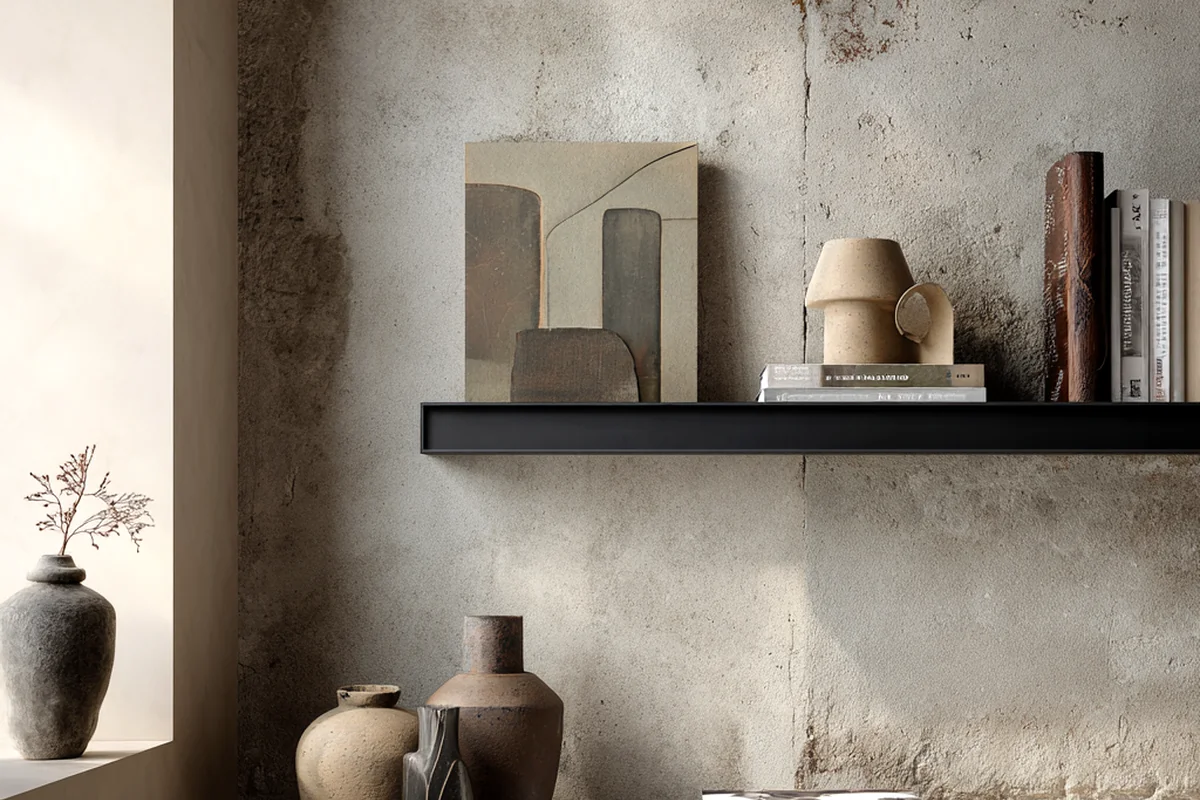
In Organic Modern, Japandi, and Natural Contemporary design, artful accents are not about filling space but about enriching it with carefully chosen pieces that resonate with the home’s aesthetic and ethos. The ‘why’ is to personalize the interior, add layers of visual interest, and elevate the overall design without introducing clutter. Each accent should be a considered choice, contributing to the sense of calm and sophistication. The ‘how’ involves prioritizing quality over quantity and favoring natural, handcrafted items. Focus on a few impactful pieces rather than a multitude of small objects. This approach allows each item to stand out and be appreciated. Embrace decor crafted from natural materials: hand-thrown pottery with organic forms, woven baskets made from jute or rattan, sculptural wood pieces (perhaps a found object or a finely carved bowl), and textiles with rich, natural textures. For wall art, opt for minimalist abstract pieces, serene nature-inspired photography, or textured wall hangings that align with the muted color palette. Avoid overly busy or brightly colored prints that can disrupt the tranquil atmosphere. Curated collections of books can be arranged aesthetically on shelves, their spines adding a subtle layer of color and texture. Vases, perhaps with a single dried branch or a minimalist floral arrangement, contribute organic shapes and a touch of living beauty. When arranging, create thoughtful vignettes on console tables in the entryway or side tables in the living area, ensuring balance and negative space. Use pedestals for sculptural objects to give them prominence. In a multi-level space, consider a single, large-scale piece of art on a tall wall or a cluster of related pieces that draw the eye upwards, celebrating the verticality. Remember, every accent should feel intentional, contributing to the overall sense of peace and natural elegance that defines these design styles.
10. Verticality & Volume: Capitalizing on Height & Openness
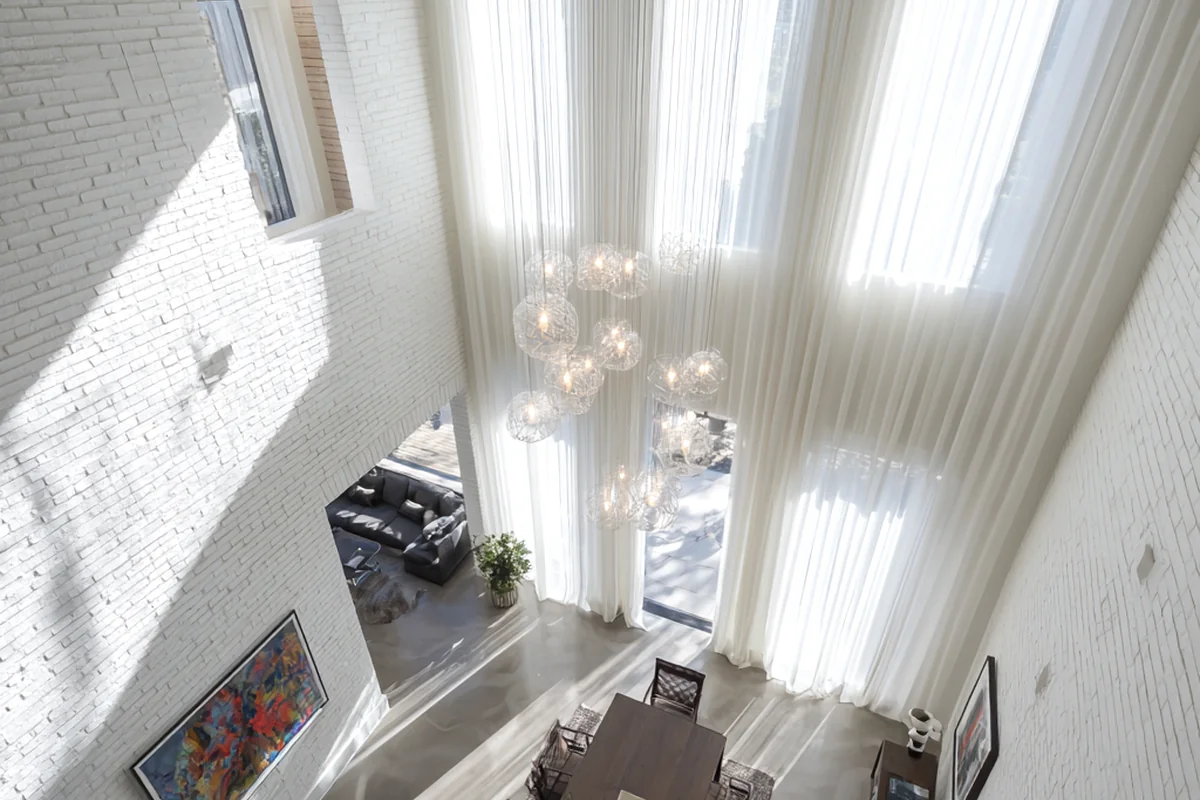
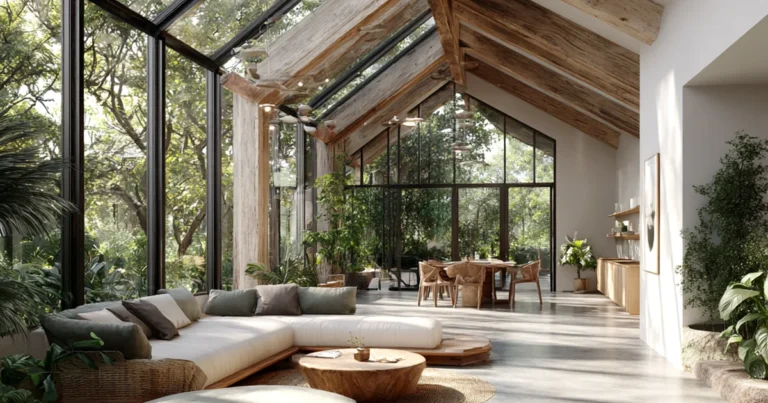
One of the most defining characteristics of a multi-level home is its inherent verticality and volume, particularly in double-height living areas or grand stairwells. The ‘why’ behind capitalizing on these architectural assets is to amplify the sense of spaciousness, allow light to penetrate deeply, and create breathtaking visual impact that underscores the home’s unique grandeur. Ignoring these elements means missing a significant opportunity to truly elevate the design. The ‘how’ involves intentional strategies that draw the eye upwards and integrate the vertical dimensions. Maximize the impact of floor-to-ceiling windows, if present, by keeping them largely unobstructed. This not only floods the interior with natural light but also creates an unparalleled connection to the outdoors, blurring the lines between inside and out. For window treatments, choose tall drapery hung as high as possible, using natural linen or sheer fabrics that emphasize the ceiling height without adding visual weight. Statement lighting fixtures are crucial in these vast spaces. A large-scale pendant or a multi-tiered chandelier in the stairwell void or over a double-height living area can become a magnificent focal point, drawing the eye up and filling the vertical expanse with sculptural elegance. Consider vertical gardens or living walls for a dramatic biophilic statement, bringing greenery upwards and creating a dynamic, ever-changing feature. Tall, built-in bookshelves that extend to the ceiling can not only provide extensive storage but also create an impressive architectural element, particularly effective in a study or a library nook adjacent to the main living area. On expansive, tall walls, a single, oversized piece of art or a carefully composed gallery wall can command attention and ground the space. When arranging furniture, ensure that pieces are proportionate to the room’s scale, using taller elements like floor lamps or tall plants to bridge the gap between floor and ceiling. By consciously designing with verticality in mind, you transform your multi-level home into an awe-inspiring testament to open, airy, and sophisticated living.
Embracing the principles of Organic Modern, Japandi, and Natural Contemporary design for your spacious multi-level home, entryway, and prominent staircase is more than just an aesthetic choice—it’s an investment in a lifestyle of serenity, sophistication, and mindful connection. We’ve explored how to transform these grand spaces into cohesive, breathtaking sanctuaries, from crafting a welcoming first impression in your entryway to elevating your staircase into a sculptural focal point. By prioritizing natural materials, harnessing the power of light, mastering minimalist principles, and strategically defining zones, you create an environment that is not only visually stunning but also deeply nourishing for the soul. The synergy of these design philosophies allows for an effortless blend of contemporary elegance with the timeless beauty of nature. Every intentional choice, from the texture of your walls to the placement of a single plant, contributes to a harmonious narrative that flows seamlessly across every level. You’ve learned how to leverage your home’s inherent verticality, articulate a calming color palette, and curate artful accents that speak volumes without overwhelming. The result is a multi-level dwelling that feels expansive yet intimate, luxurious yet approachable—a true testament to the power of thoughtful design. Now, armed with these expert insights, embark on your own design journey. Embrace the challenge of your multi-level space and let the quiet elegance of Organic Modern, Japandi, and Natural Contemporary guide your choices. Transform your home into an elevated sanctuary where every step, from the grand entryway up your stunning staircase, is a journey through beauty, calm, and unparalleled design. Your serene, sophisticated multi-level haven awaits.