10 Breathtaking Elements of Modern Farmhouse Open Concept Living
Welcome to the ultimate guide on achieving the perfect modern farmhouse open-concept design. In recent years, interior design has dramatically shifted toward spaces that feel both infinitely expansive and deeply intimate, a delicate balance mastered perfectly by the modern farmhouse aesthetic. This style seamlessly blends the rustic charm of traditional country living with the clean, sophisticated lines of contemporary architecture. When you walk into a home that gets this right, the feeling is instantaneous—a wave of warmth, comfort, and undeniable elegance. The space that inspired this deep dive showcases a masterful execution of this concept, where a beautifully appointed kitchen flows effortlessly into a sun-drenched living area. It is a masterclass in architectural harmony, where every element, from the exposed wooden beams overhead to the wide-plank hardwood floors underfoot, tells a story of intentional design. Throughout this comprehensive article, we will break down the ten essential components that make this specific interior style so captivating and highly sought after in today’s luxury real estate market. Whether you are planning a full-scale renovation, building your dream home from the ground up, or simply looking to refresh your current space with a few strategic updates, understanding these foundational pillars will empower you to create a home that is as functional as it is breathtakingly beautiful. Let us explore the magic behind the modern farmhouse open concept.
1. The Magic of Architectural Archways
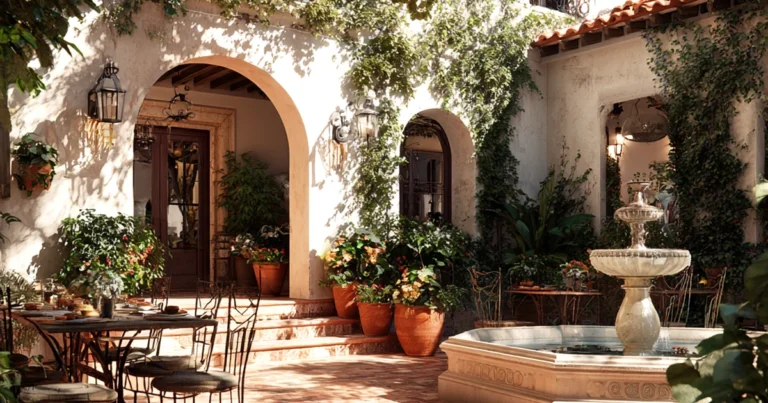
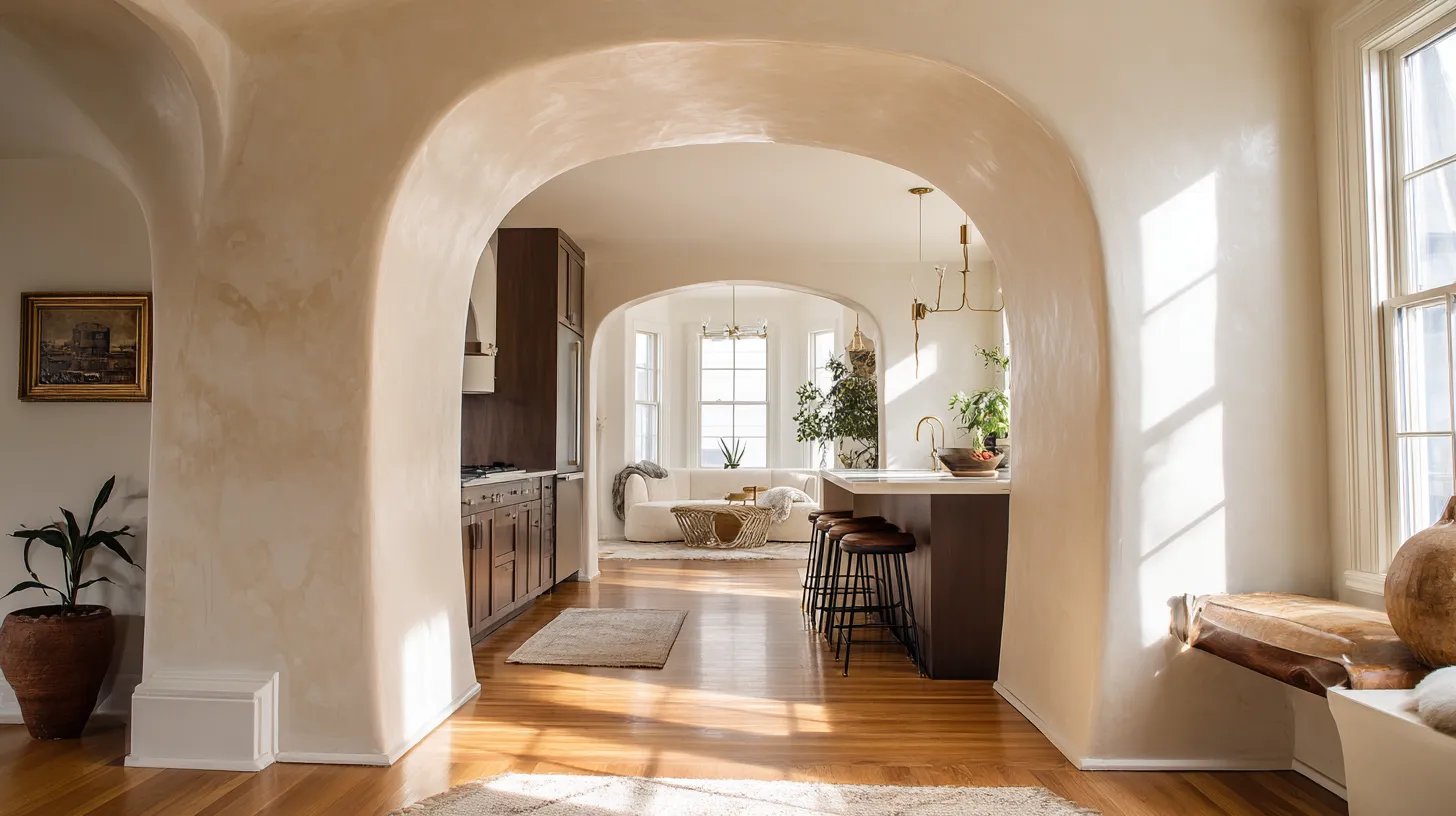
One of the most striking features in elegant open-concept homes is the use of architectural archways to define spaces without closing them off. In our modern farmhouse inspiration, the grand, sweeping archway serves as a magnificent transition between the culinary workspace and the relaxation zone. Unlike harsh, squared-off doorways, an arch introduces a soft, organic curve that naturally draws the eye upward and forward, creating a sense of anticipation as you move from one room to the next. It acts as a structural picture frame, beautifully showcasing the living area from the vantage point of the kitchen island. This design choice is rooted in classic Mediterranean and traditional architecture but has been brilliantly adapted for contemporary interiors. By keeping the walls painted in a unified, neutral tone, the archway feels like a seamless extension of the home’s skeleton rather than an abrupt partition. It allows natural light to flow unhindered while still providing a subtle psychological boundary that says, ‘Here is where we cook, and there is where we unwind.’ Integrating arches into your home’s design elevates the overall aesthetic, adding a bespoke, custom-built feel that instantly upgrades the luxury factor of the space.
2. Exposed Wooden Ceiling Beams
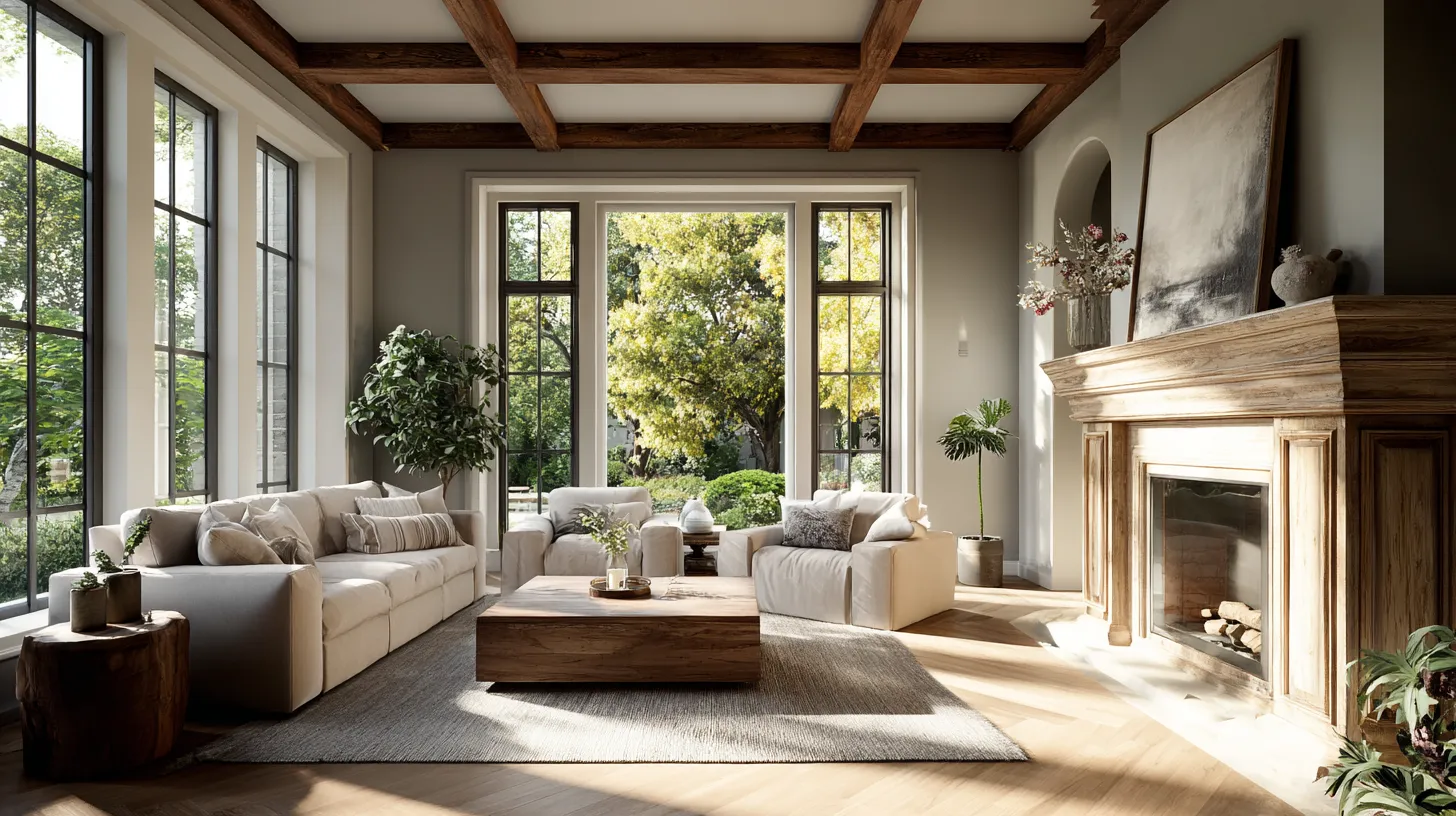
Nothing says modern farmhouse quite like the inclusion of exposed wooden ceiling beams. These structural or faux elements are critical in grounding a large, open space and injecting it with a profound sense of character and history. When you have high ceilings and expansive, lightly colored walls, the room can sometimes feel entirely too sterile or cold. Wood beams instantly solve this problem by introducing natural texture, warmth, and visual interest right at the top of your visual field. In a beautifully designed space, a grid or parallel layout of rich, stained timber creates a cozy, enveloping atmosphere that beautifully contrasts with modern, sleek finishes like quartz or stainless steel. The choice of wood—whether it is reclaimed barn wood with all its natural imperfections or smoothly milled oak—dictates the specific vibe of the room. Furthermore, these beams help to visually lower exceptionally high ceilings just enough to make a massive open-concept area feel intimate and inviting. They also serve as an excellent anchoring point for striking lighting fixtures. By pulling the earthy tones of the floor up to the ceiling, beams create a wonderfully cohesive, wrapped sensation throughout the entire home.
3. Wide-Plank Hardwood Flooring
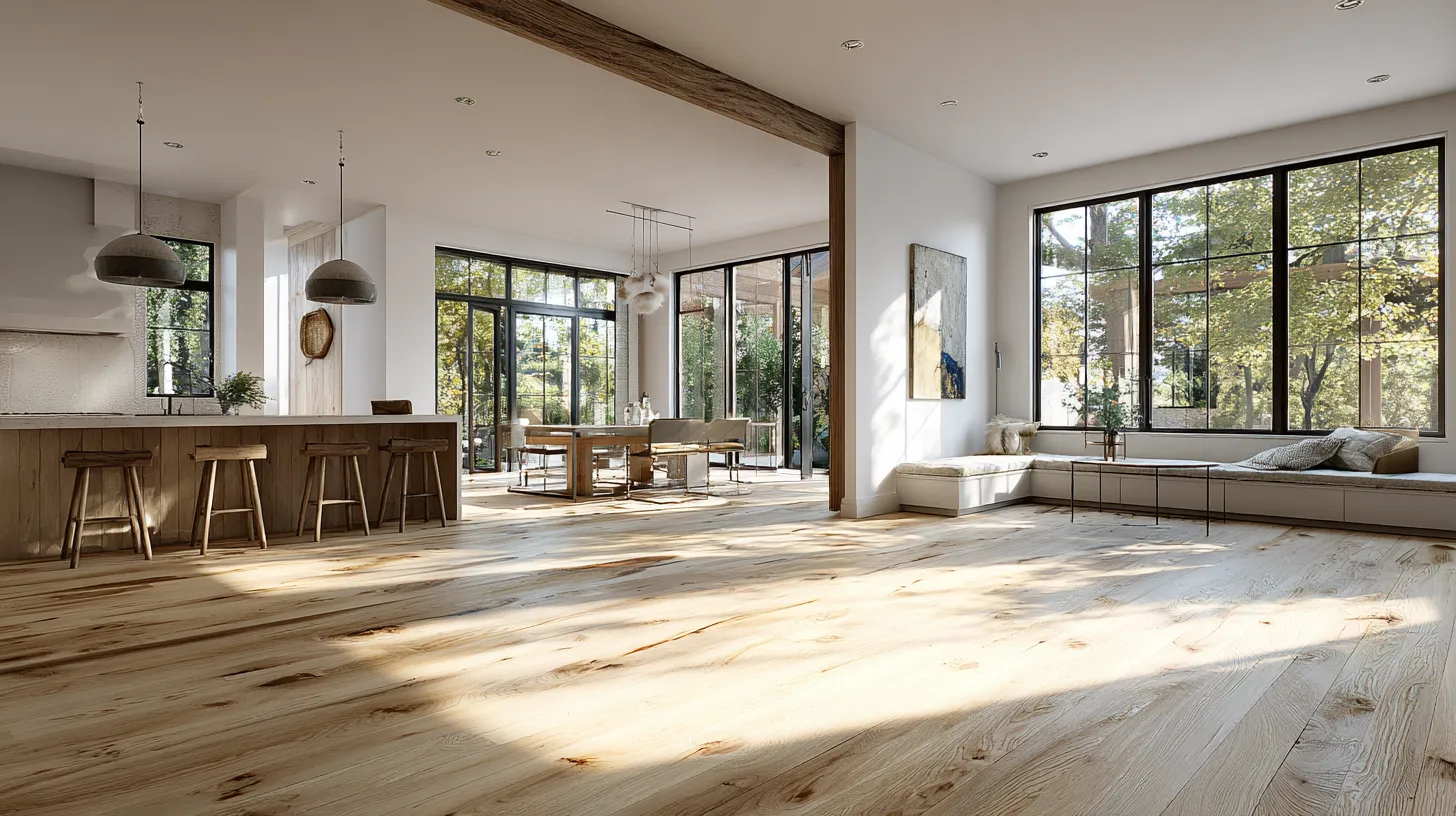
The foundation of any incredible open-concept space is its flooring, and wide-plank hardwood is the undisputed champion of the modern farmhouse aesthetic. Running the same continuous flooring seamlessly from the kitchen through the dining and living areas is the ultimate trick for making a home feel exponentially larger and infinitely more cohesive. Wide planks, typically measuring six inches or more in width, are essential because they mean fewer seams, which translates to a cleaner, less busy visual plane. The natural grain, knots, and subtle color variations in the wood inject warmth and organic beauty that man-made materials simply cannot replicate with the same authenticity. Whether finished in a light, wire-brushed oak to reflect maximum sunlight or a rich, medium-brown stain for added coziness, hardwood floors are incredibly versatile. They serve as the perfect neutral canvas for layering beautifully patterned area rugs, luxurious furniture, and varied textures. Moreover, the durability of quality hardwood means it can withstand the heavy foot traffic typical of a busy, heart-of-the-home kitchen while still maintaining its elegant appeal in the formal sitting area. It is an investment that pays daily dividends in both style and function.
4. Crisp White Shaker Cabinetry
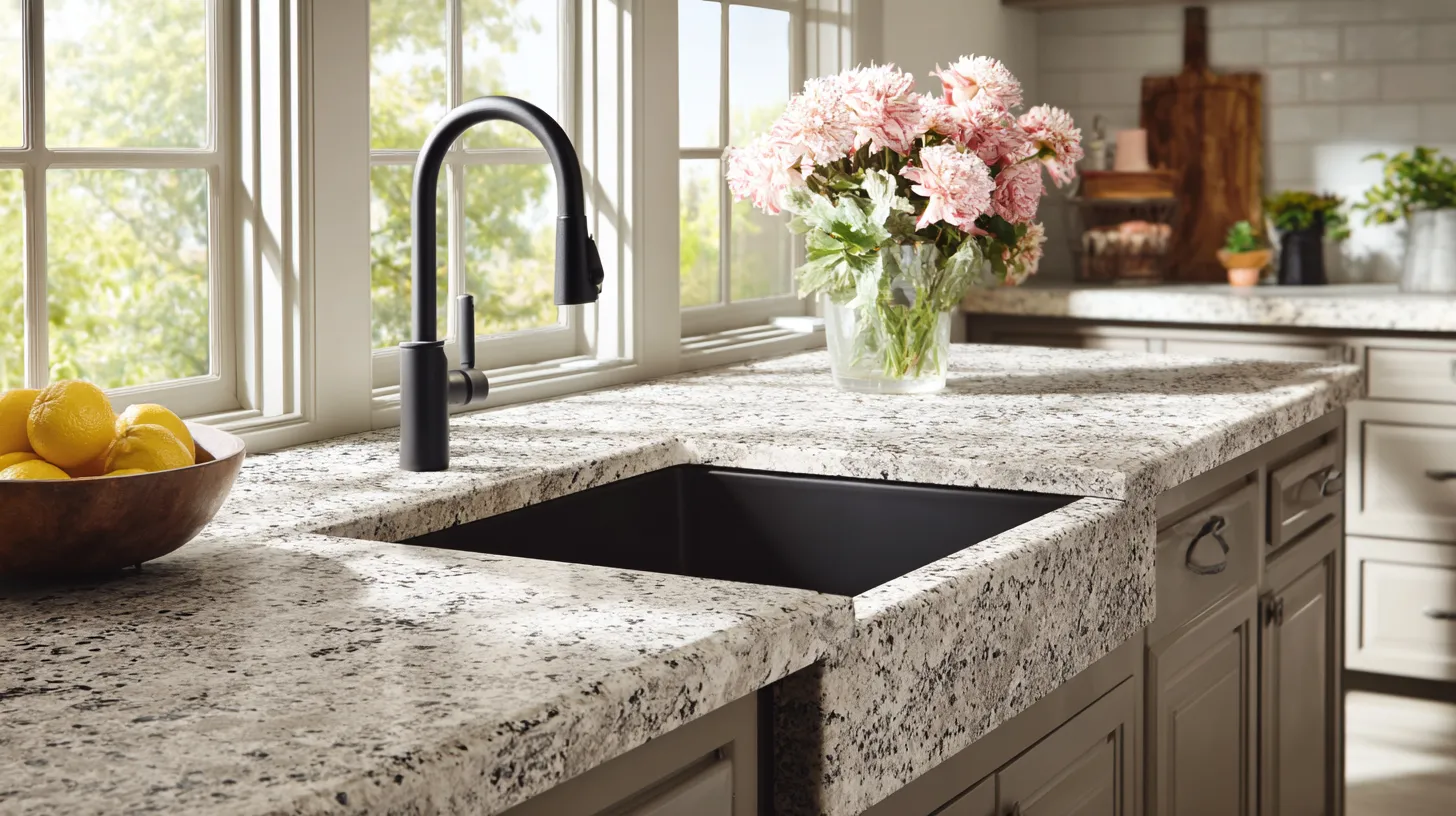
The kitchen is often referred to as the heart of the home, and in a modern farmhouse design, crisp white Shaker cabinetry is its beating pulse. The Shaker style, characterized by its simple, recessed center panel and lack of ornate detailing, is the epitome of timeless design. It bridges the gap between traditional charm and modern minimalism perfectly. When painted in a bright, clean white or a soft, warm cream, these cabinets act as massive reflectors of natural light, making the entire kitchen feel incredibly spacious, airy, and immaculate. Because the cabinetry design is so understated, it provides the ultimate backdrop for allowing other elements in the room—like a bold backsplash, striking countertops, or high-end appliances—to truly shine. White Shaker cabinets also offer unmatched versatility; they look just as stunning paired with rustic wooden accents as they do with sleek, modern black hardware. This flexibility ensures that your kitchen will not feel dated in a few years. It is a brilliant, foundational choice that promotes a sense of calm and order, which is particularly vital in an open-concept layout where the kitchen is constantly visible from the primary living spaces.
5. High-Contrast Black Hardware
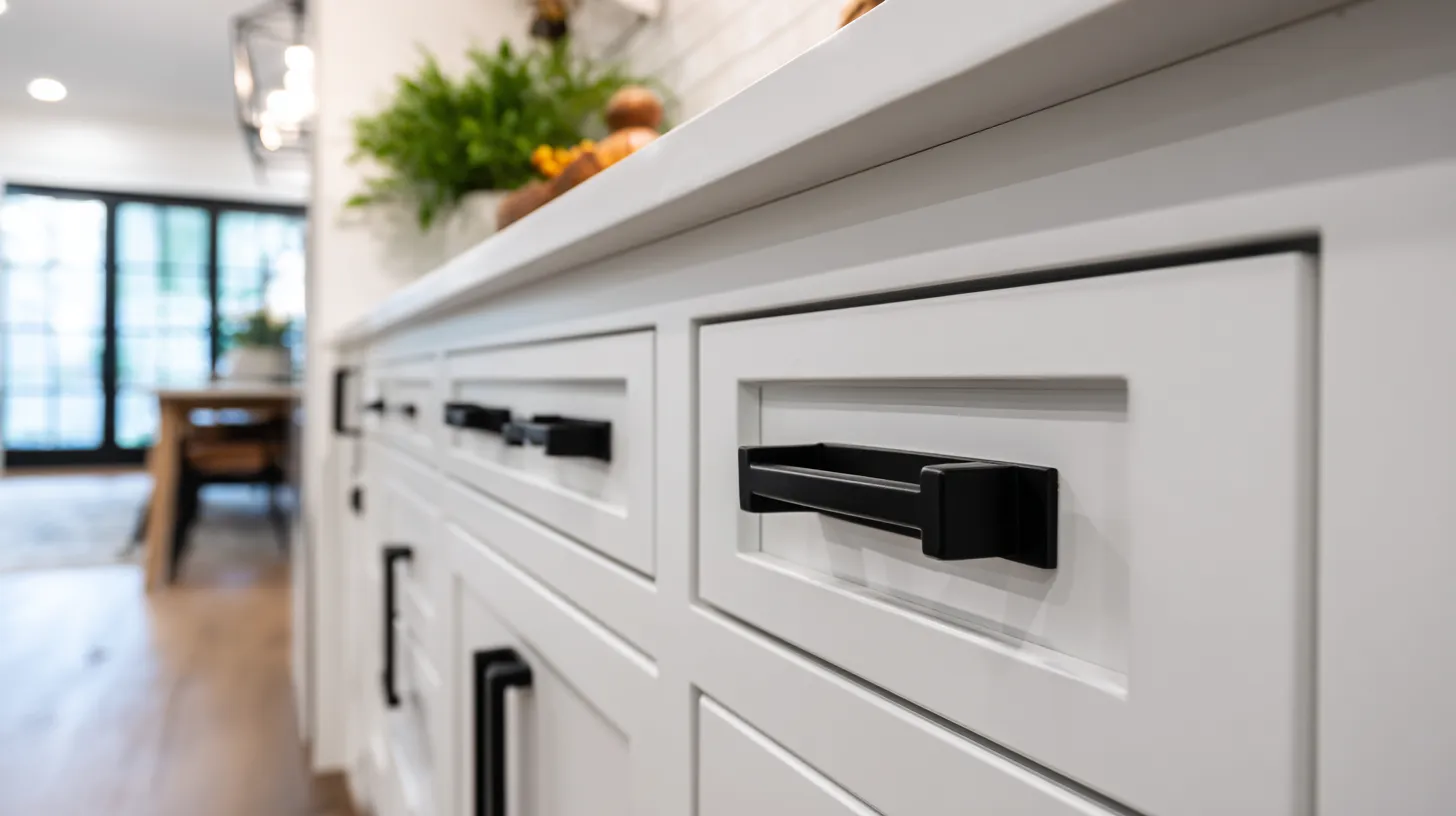
To prevent a white kitchen from looking washed out or overly clinical, the strategic use of high-contrast black hardware is an absolute necessity. Matte black drawer pulls, cabinet knobs, and stunning modern faucets act like the perfect jewelry for your kitchen—they provide sharp, defining lines that instantly modernize the space. This high-contrast aesthetic is a cornerstone of the contemporary farmhouse look. The black accents tie seamlessly into other dark elements in the home, such as the window grids, lighting fixtures, or even a stunning black farmhouse sink, creating a rhythmic visual consistency that guides the eye naturally around the room. Moving away from traditional brushed nickel or polished chrome, matte black finishes offer a sophisticated, slightly industrial edge that grounds the ethereal brightness of the white cabinetry and natural light. It is a relatively small and affordable design choice that yields a massive visual impact. Furthermore, matte black is remarkably practical; it hides fingerprints and water spots significantly better than highly polished metals, making it an ideal choice for a heavily used kitchen. It brings a touch of tailored masculinity to an otherwise soft and bright interior.
6. Harnessing Natural Sunlight
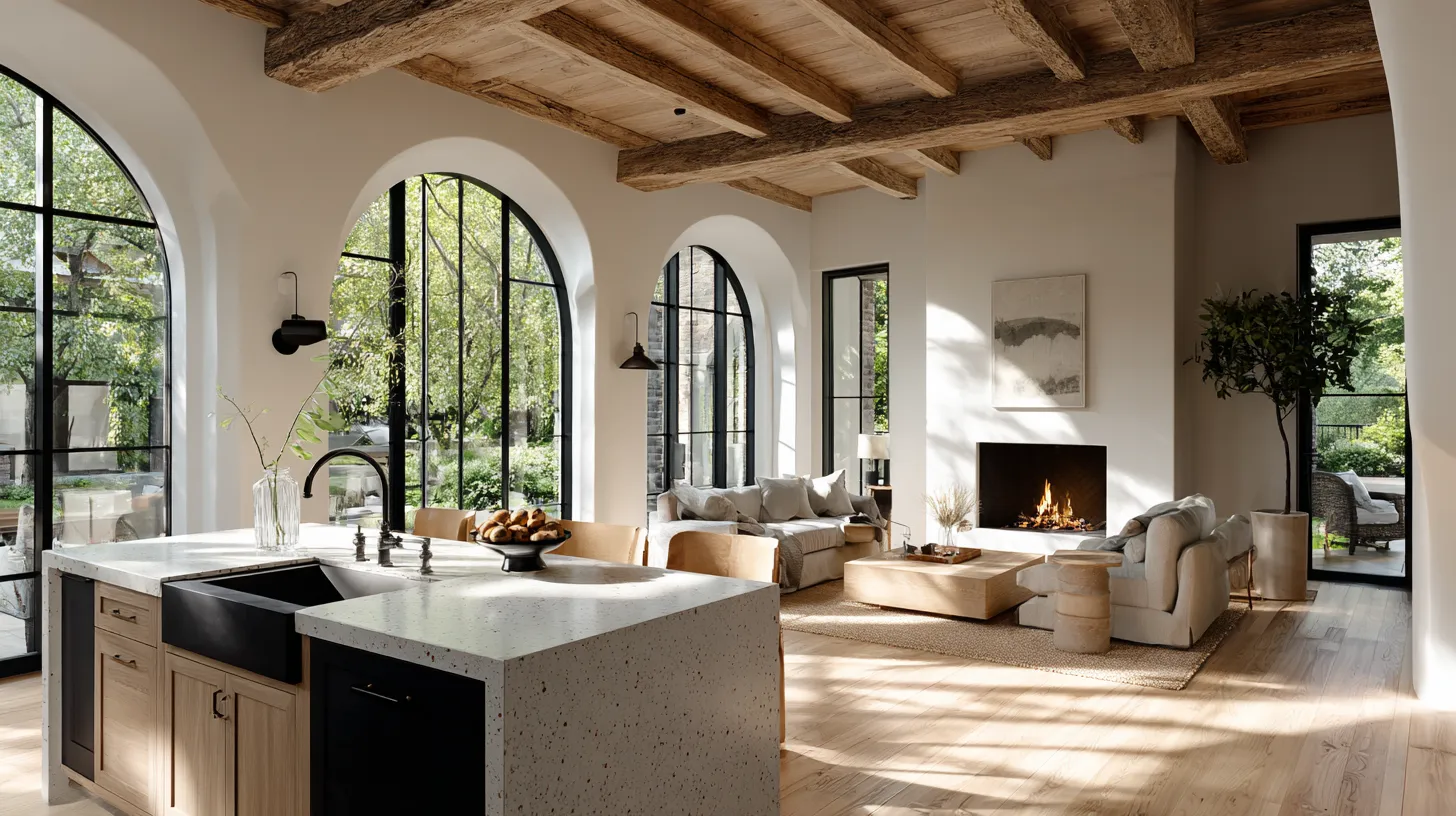
Perhaps the most luxurious element of any high-end interior design is not a material you can buy, but rather the abundant integration of natural sunlight. A successful open-concept modern farmhouse prioritizes massive, strategically placed windows that allow light to flood the entire living space from dawn until dusk. Natural light completely transforms the way colors and textures are perceived; it highlights the subtle grain in the wooden beams, makes the granite countertops sparkle, and brings a vibrant, life-affirming energy to the home that artificial lighting simply cannot mimic. The way sunlight casts long, dynamic shadows across the hardwood floors throughout the day adds a constantly shifting, artistic layer to the room’s aesthetic. To maximize this effect, window treatments should be kept minimal or nonexistent in main living areas. When you blur the boundary between the indoors and the outdoors through expansive glass, your interior space borrows the visual depth of the exterior landscape, making the home feel infinitely larger. Designing around the sun’s path not only enhances the visual beauty of the home but also profoundly boosts the mood and well-being of everyone who lives within its walls.
7. The Focal Point Fireplace
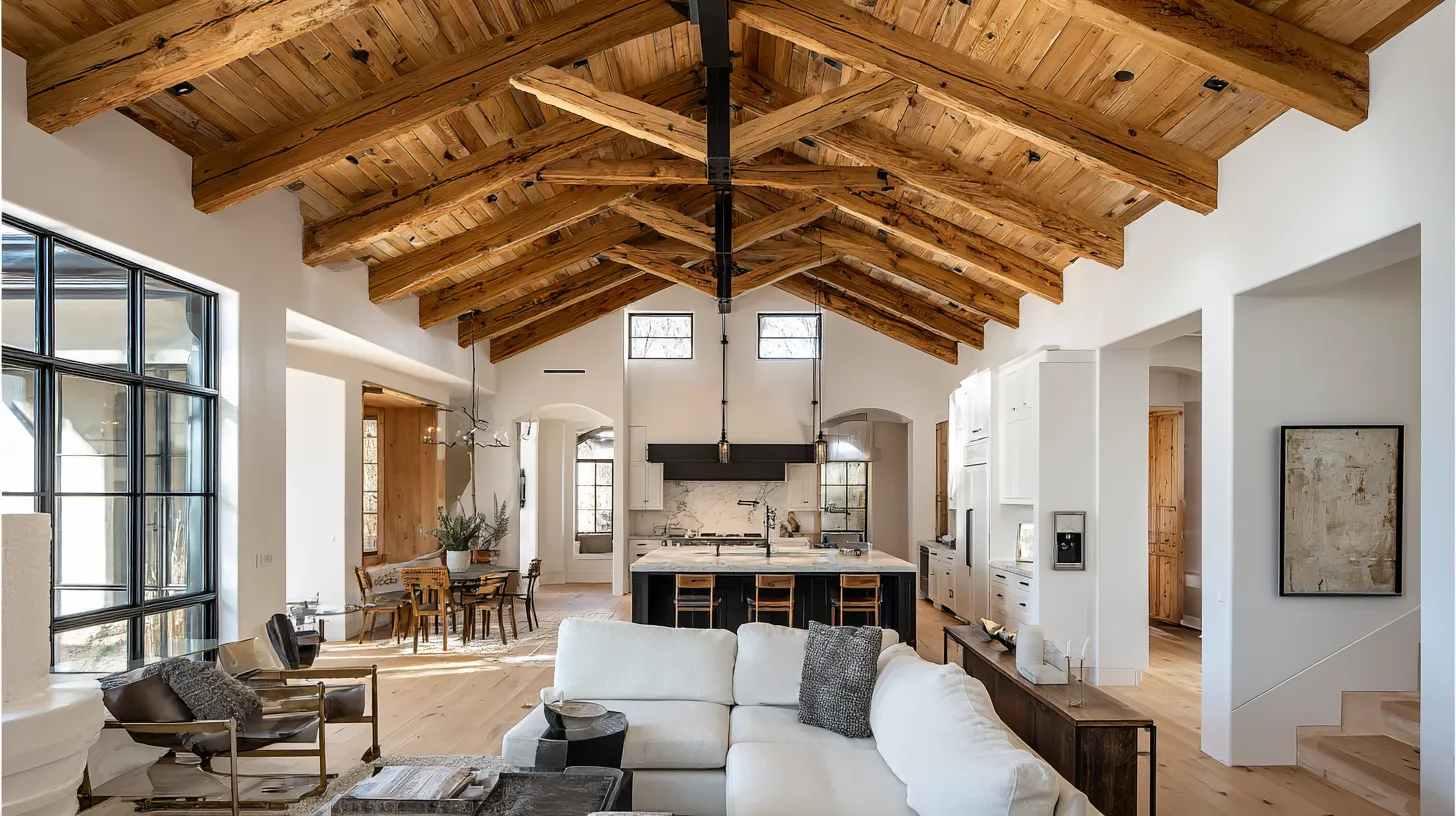
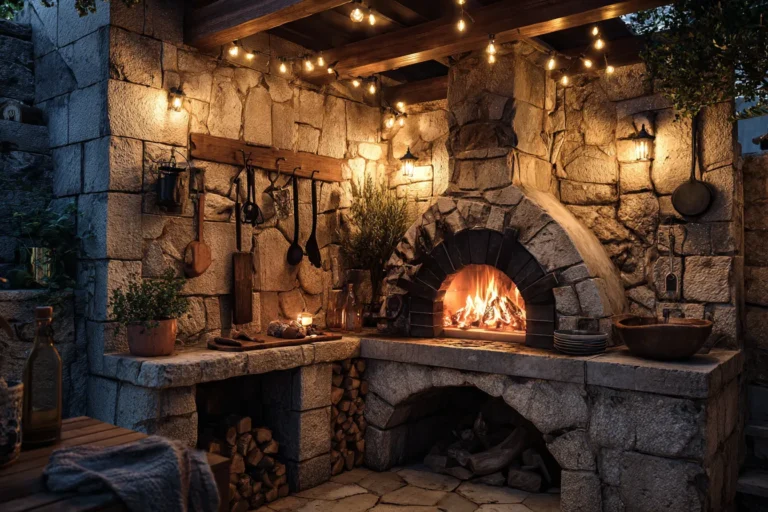
In a sprawling open-concept living area, creating distinct zones for different activities is crucial, and a beautifully designed fireplace serves as the ultimate anchor for the relaxation zone. A fireplace naturally commands attention and dictates the furniture arrangement, pulling the seating into a cozy, intimate circle that counterbalances the vastness of the combined rooms. For a modern farmhouse, the fireplace design often blends traditional warmth with streamlined aesthetics. A classic wooden mantel, perhaps matching the ceiling beams, paired with a sleek hearth or understated surround, creates a stunning visual focal point. Even when not in use, the fireplace adds an architectural weight and a sense of permanence to the living room. It invites people to gather, converse, and unwind, effectively shifting the energy away from the bustling activity of the kitchen. Decorating the mantel with curated art, vintage finds, or simple greenery allows homeowners to express their personal style and inject seasonal flair into the room. Ultimately, a well-placed fireplace provides both physical warmth during colder months and unparalleled visual warmth all year round, making the open living space feel like a true home.
8. Bringing the Outdoors In
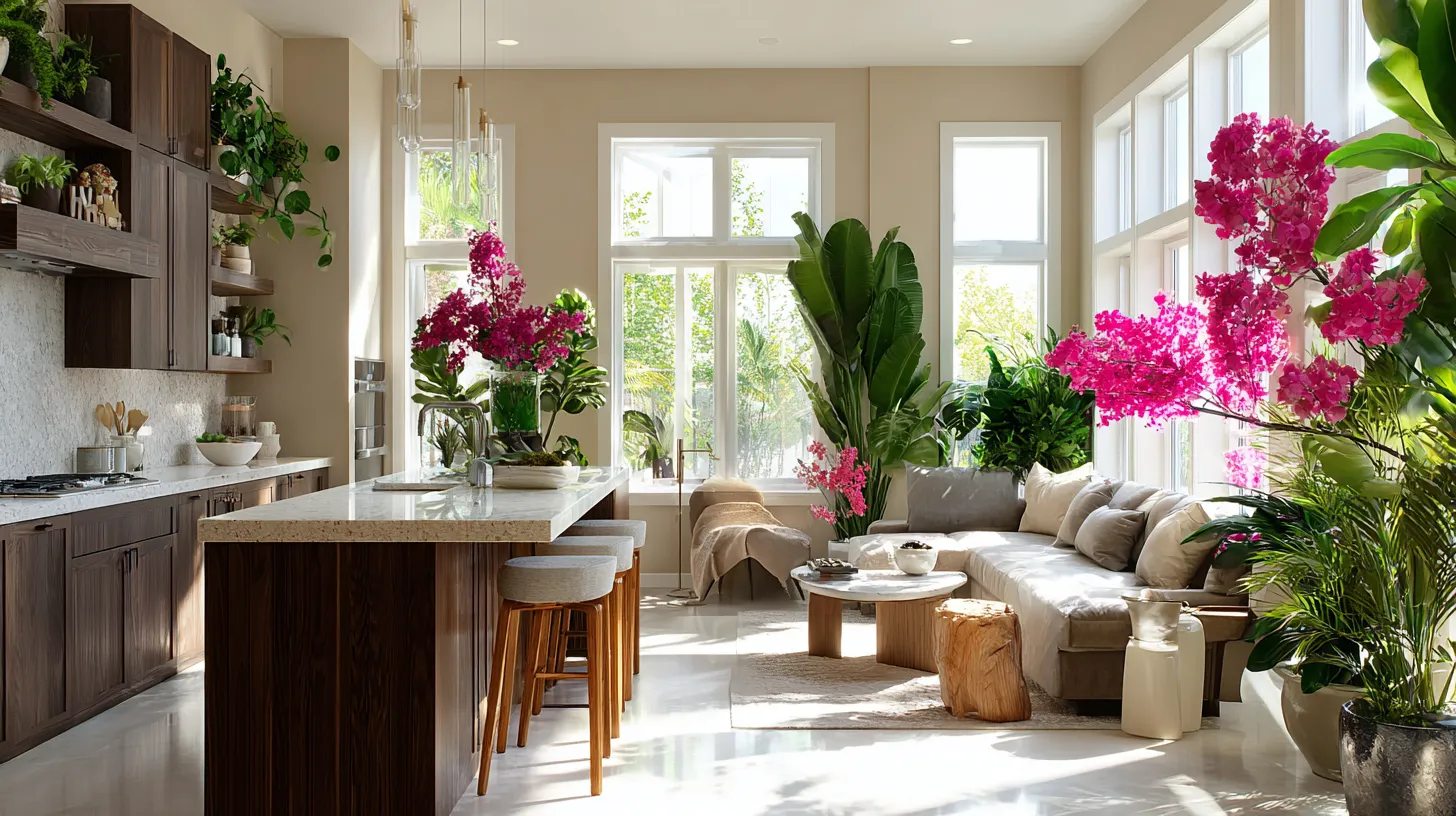
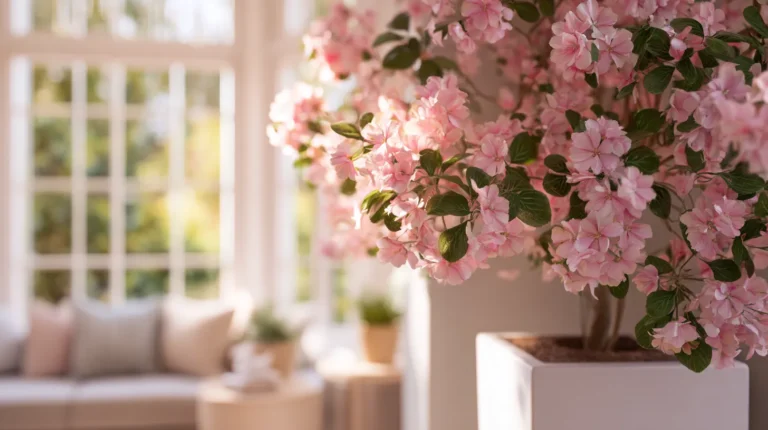
A hallmark of sophisticated interior design is the seamless integration of nature into the living space. Bringing the outdoors in through lush greenery, fresh floral arrangements, and potted plants breathes literal and figurative life into a modern farmhouse interior. In a space dominated by neutral tones, crisp whites, and architectural woods, the vibrant pop of green from a thriving houseplant or the delicate pinks of freshly cut flowers introduces a dynamic, organic contrast that makes the room feel vibrant and curated. Plants soften the hard edges of cabinetry and stone countertops while subtly purifying the air. Placing a large, leafy statement plant in a cozy corner or displaying a beautiful vase of seasonal blooms on the kitchen island instantly elevates the room’s styling from sterile to magazine-ready. This biophilic design approach connects the interior occupants with the natural world, fostering a sense of tranquility and peace. Furthermore, positioning these organic elements near large, sun-drenched windows highlights their natural beauty and creates a beautiful visual synergy with the landscape visible outside, effectively blurring the lines between the home’s interior and the garden beyond.
9. Layered Lighting Design
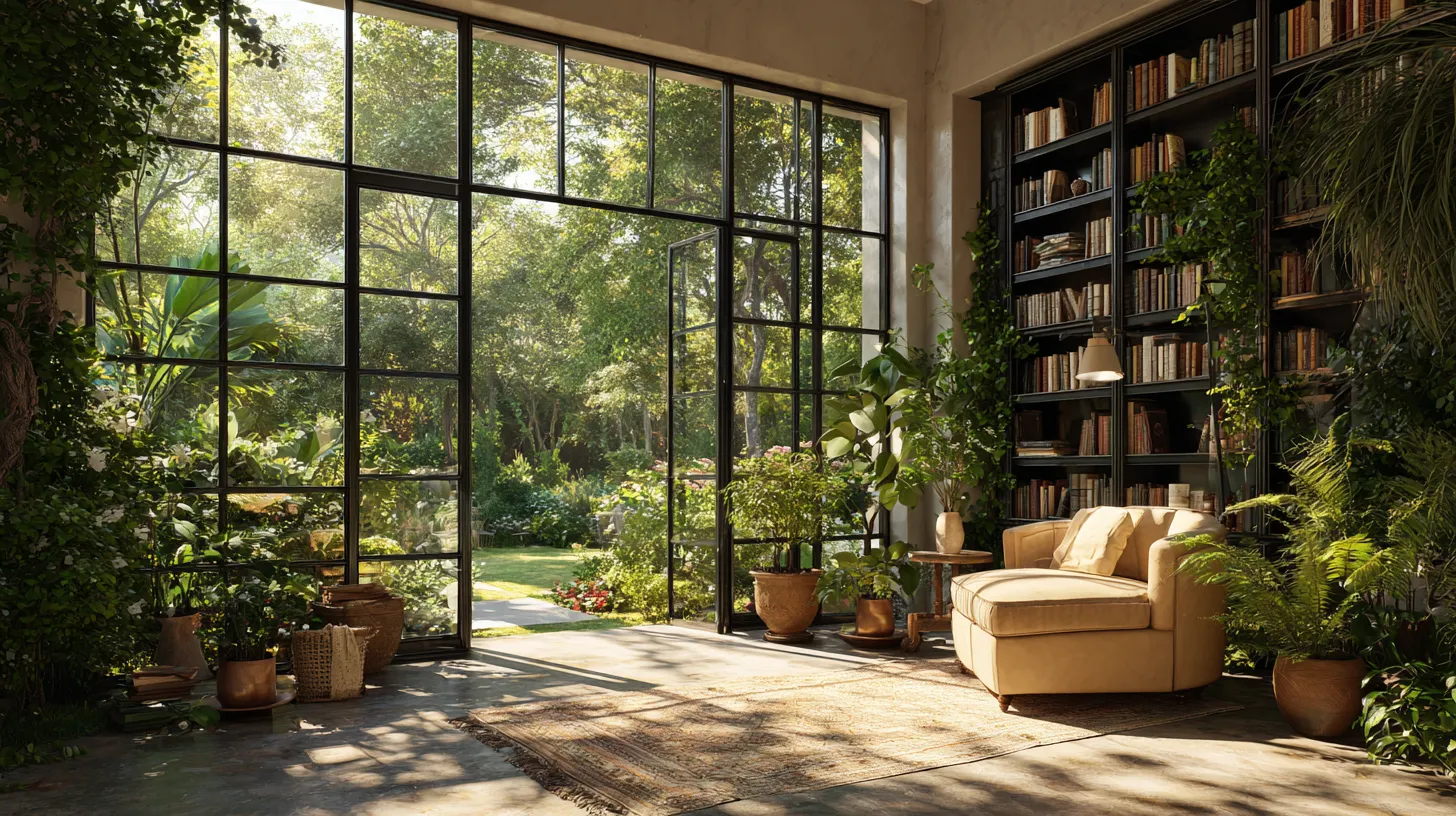
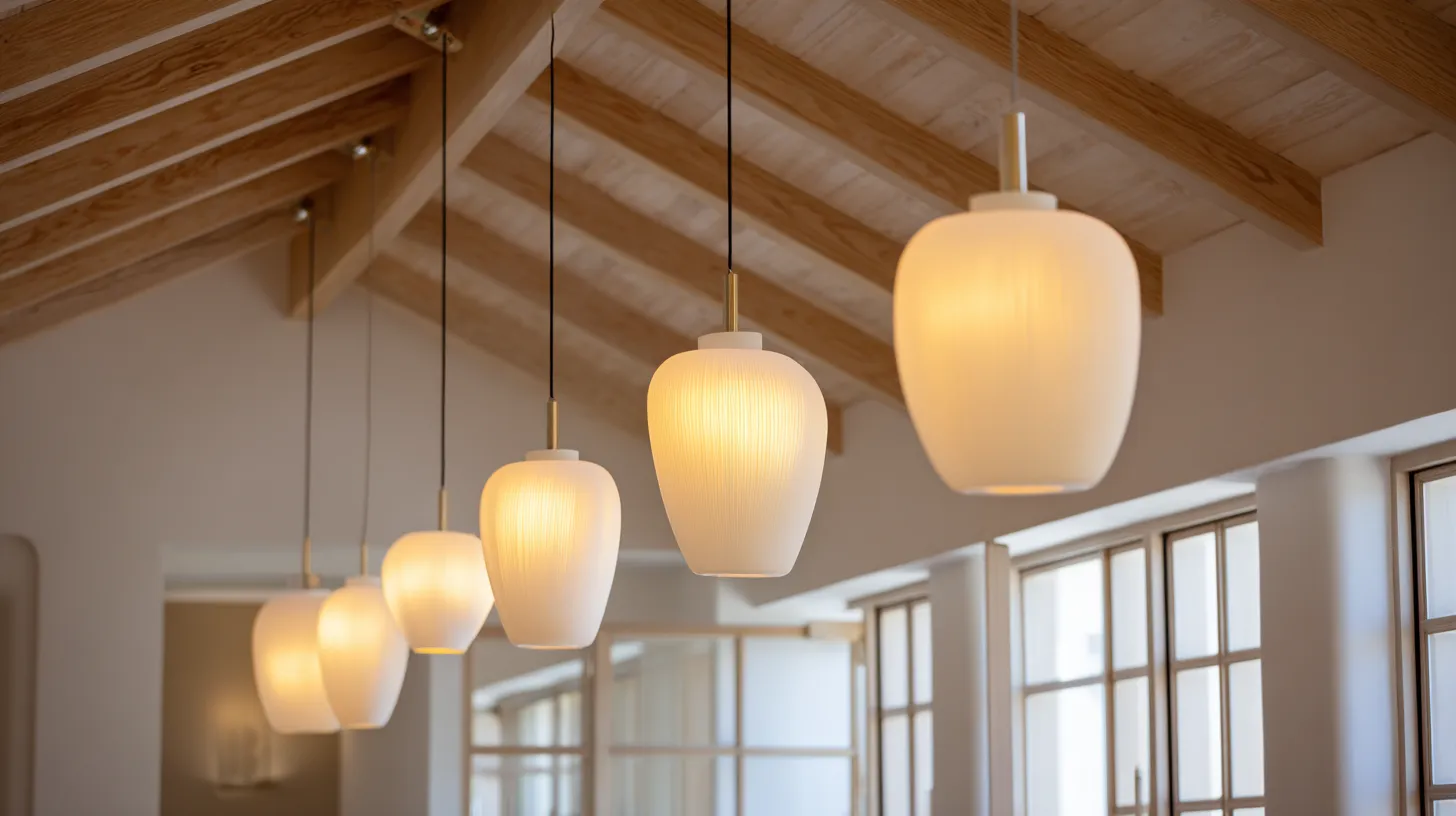
While natural sunlight is paramount during the day, a meticulously planned, layered lighting design is what brings a modern farmhouse to life after sunset. Open-concept spaces require multiple light sources to create distinct moods and functional zones. The strategy involves blending ambient, task, and accent lighting. Stunning pendant lights hanging gracefully over the kitchen island serve as both crucial task lighting for food preparation and striking visual centerpieces that bridge the vertical gap between the countertops and the high ceilings. Recessed lighting provides an even, baseline glow throughout the expansive space, ensuring no corner is left in the dark. Meanwhile, a beautifully chosen floor lamp next to a comfortable reading chair or strategically placed sconces flanking the fireplace add a layer of soft, intimate accent lighting perfect for winding down in the evening. By putting these various light sources on separate dimmer switches, homeowners gain complete control over the atmosphere of their home. This layered approach ensures that the vast open space can transition effortlessly from a brightly lit, energetic hub for family gatherings to a soft, moody, and romantic retreat with just the slide of a switch.
10. Curating Textured Furnishings
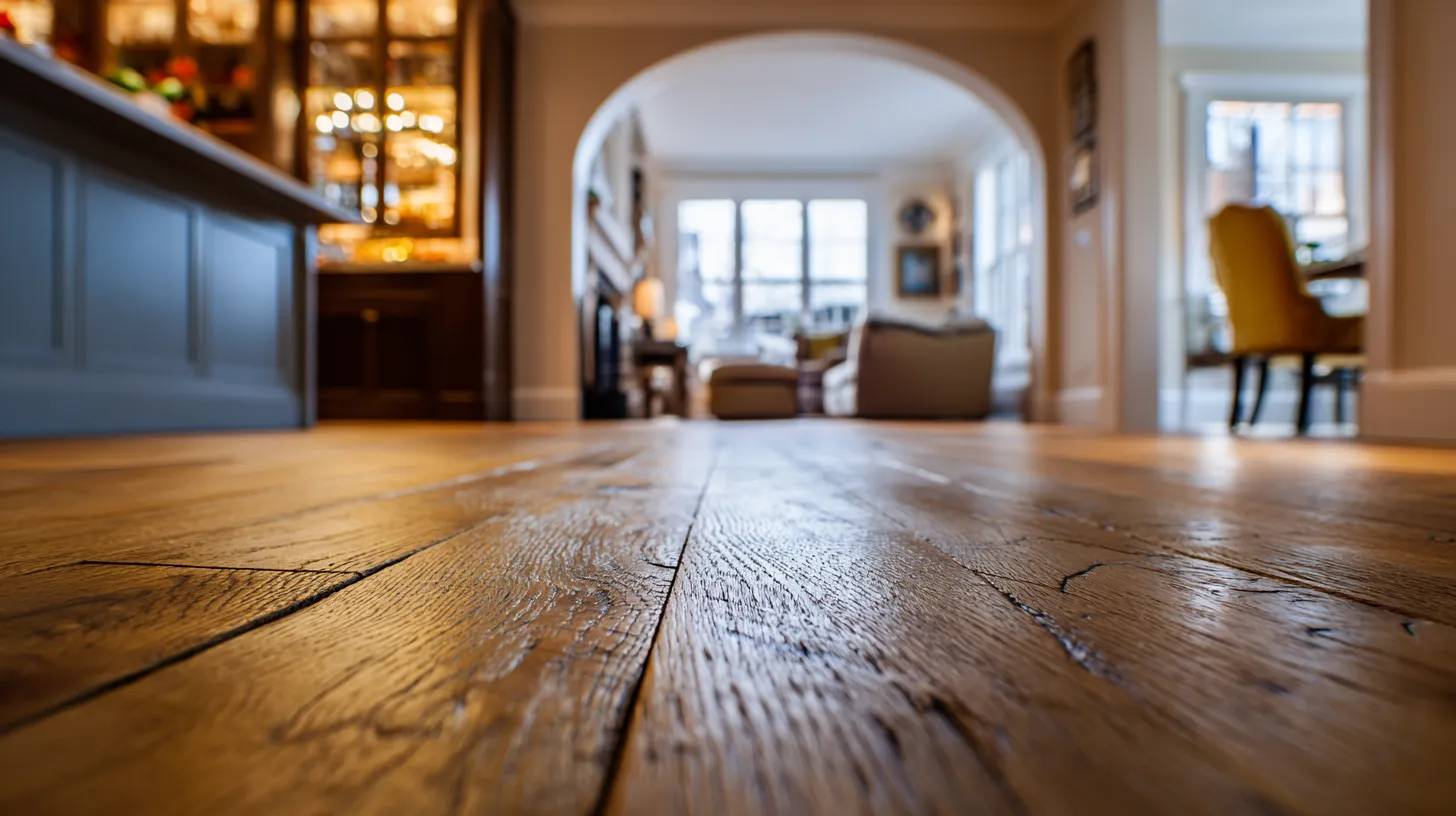
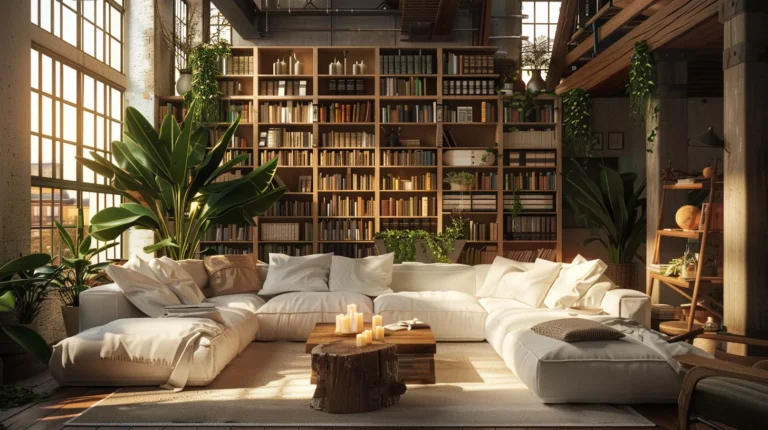
The final layer in perfecting the modern farmhouse open-concept design is the careful curation of textured furnishings. Because the architectural shell of the home relies heavily on clean lines and neutral colors, the furniture and textiles must introduce depth, comfort, and tactile interest. Think plush, overstuffed linen sofas, nubby knit throw blankets, intricately patterned vintage-style area rugs, and smooth leather accent chairs. Mixing these varied materials prevents the room from feeling flat or one-dimensional. The goal is to create a space that looks incredibly chic but feels undeniably inviting and comfortable to actually live in. When selecting pieces for an open floor plan, it is also important to consider the flow of traffic and the visual weight of the furniture. Opting for pieces with exposed legs can make the space feel lighter and less cluttered, allowing the beautiful hardwood floors to remain visible. By thoughtfully layering soft textiles against the hard surfaces of the wood, stone, and metal present in the room’s architecture, you achieve that coveted, perfectly balanced transitional style that makes the modern farmhouse aesthetic so enduringly popular and universally beloved.
Conclusion
Creating the perfect modern farmhouse open-concept living space is an art form that requires a delicate balance of architectural grandeur and intimate, cozy details. As we have explored throughout this guide, the magic lies in the intentional combination of these ten fundamental elements. From the sweeping elegance of an architectural archway to the rustic charm of exposed wooden beams, and from the crisp, clean lines of white Shaker cabinetry to the vital, life-giving presence of natural sunlight, each component plays a crucial role in harmonizing the home. When executed correctly, an open floor plan ceases to be just a large, empty room and instead becomes a series of beautifully connected, purpose-driven micro-spaces that support modern living flawlessly. It is a design philosophy that champions both form and function, offering a welcoming embrace to anyone who crosses the threshold. By focusing on high-quality materials, thoughtful lighting, and comfortable, textured furnishings, you can cultivate a home that feels both immaculately curated and effortlessly lived-in. Ultimately, mastering this style means building a sanctuary where memories are easily made, conversations flow freely, and every corner reflects a deep appreciation for timeless, elegant design.