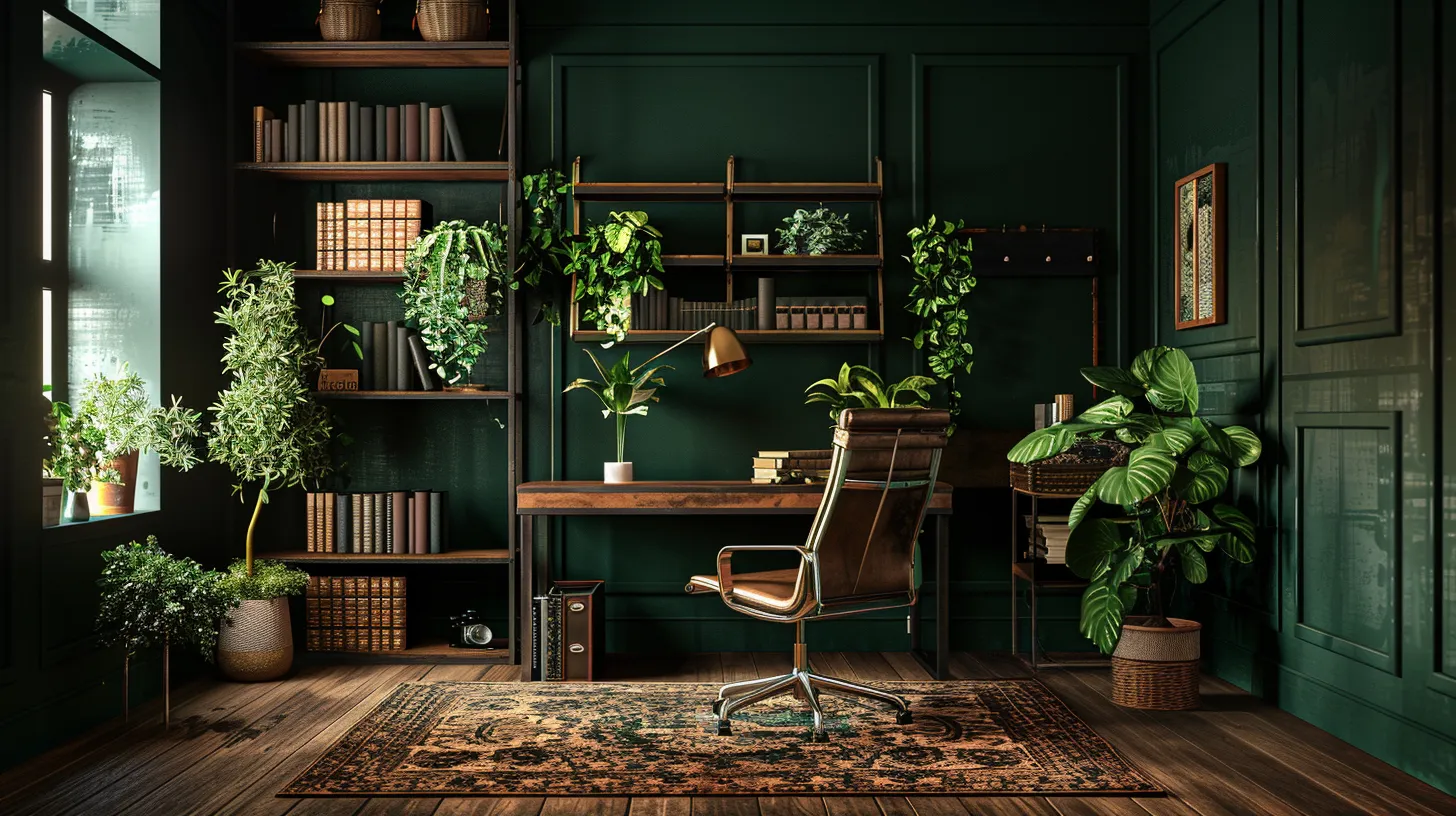
10 Ways to Master the Moody Botanical Home Office Aesthetic
The modern workspace is undergoing a massive transformation, moving far away from the sterile, ultra-bright, minimalist cubicles of the past and stepping into an era of deep, resonant character. Enter the moody botanical home office—a design philosophy that perfectly balances the sophisticated gravity of dark academia with the vibrant, life-affirming energy of an urban jungle. This aesthetic is not just about choosing dark paint; it is about crafting an immersive, sensory environment that actively promotes deep focus, creativity, and a sense of profound calm. When you surround yourself with rich forest greens, the tactile warmth of reclaimed wood, and the organic unpredictability of trailing vines, your workspace stops feeling like a place of obligation and transforms into a personal sanctuary. In a world full of digital noise and glaring screens, a moody, shadow-rich room offers a visual resting place for fatigued eyes. It creates a cocooning effect, wrapping the occupant in an atmosphere that feels simultaneously historic and incredibly current. Whether you are coding late into the night, writing your next novel, or simply managing the daily grind, this meticulously curated blend of industrial textures, vintage accents, and lush plant life elevates the mundane into the extraordinary. By mastering the balance between light and shadow, organic and manufactured, you can build an office that is as deeply inspiring as it is profoundly beautiful.
1. Foundation First: Deep Green Walls
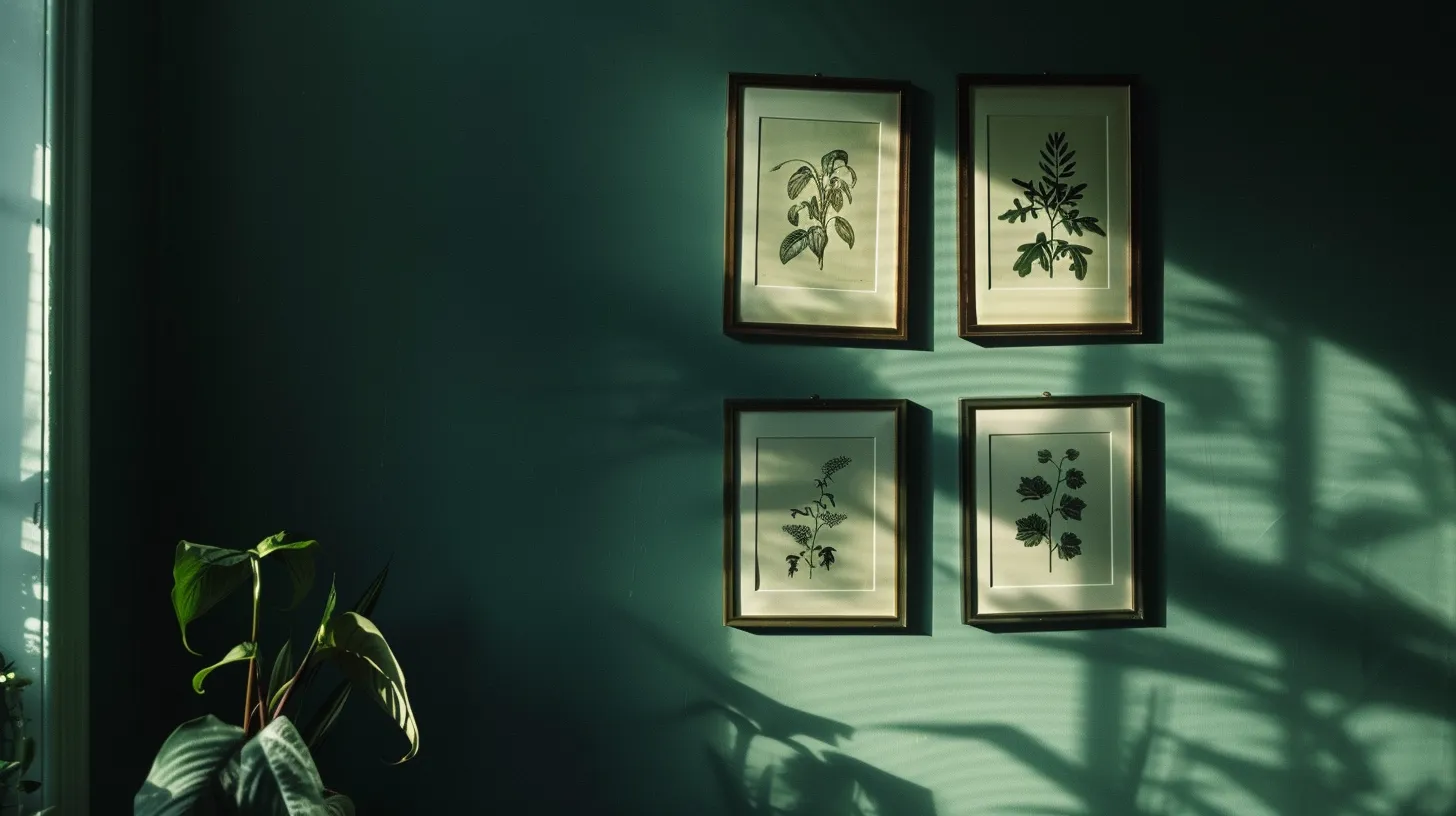
The cornerstone of any moody botanical workspace is the bold decision to embrace deep, enveloping wall colors. While many default to stark white to make a room feel larger, dark colors—specifically deep forest greens, emeralds, or muted teals—can paradoxically make a space feel infinite by blurring the boundaries of the room. These dark, earthy tones absorb harsh light and create a velvety, cocoon-like atmosphere that significantly reduces eye strain and visual fatigue. When selecting your paint, opt for a matte or eggshell finish rather than anything glossy, as the flat texture enhances the depth of the color and prevents unwanted glare from monitors or desk lamps. This verdant backdrop serves as the perfect canvas, allowing the warm tones of wooden furniture and the bright, vibrant greens of your indoor plants to pop with startling clarity. By fully committing to a dark, saturated perimeter, you instantly set a tone of quiet, sophisticated focus that anchors the rest of your design choices.
2. Anchor the Room: Reclaimed Wood Desks
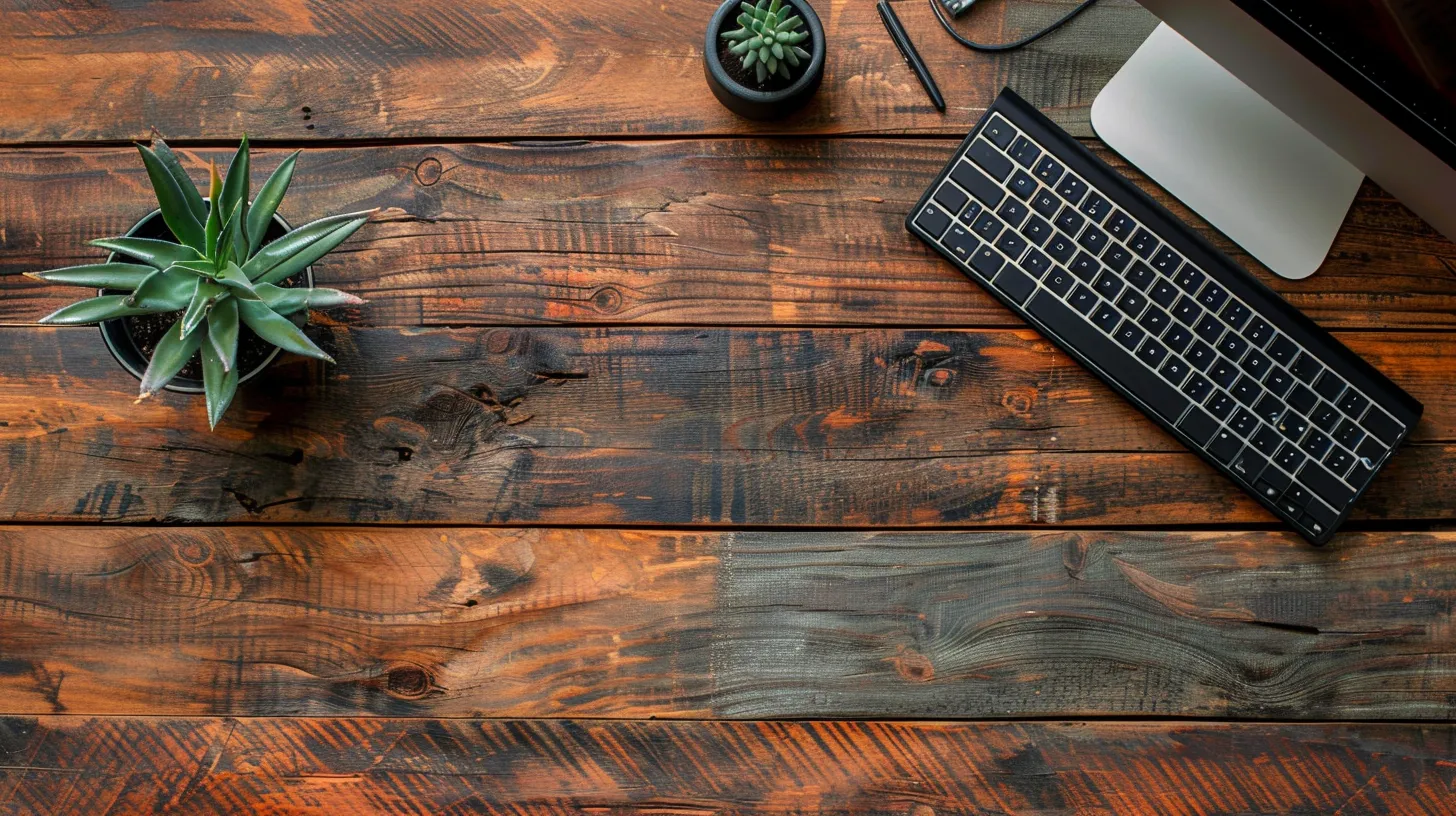
In a dark, atmospheric room, your primary piece of furniture needs to carry significant visual weight, and nothing achieves this better than a thick, reclaimed wood desk. The beautiful imperfections—knots, rough grain, and natural variations in the wood’s stain—introduce an essential element of organic warmth that prevents the dark room from feeling cold or uninviting. The industrial aesthetic of pairing a heavy, rustic wooden top with stark, minimalist black metal legs creates a striking juxtaposition that perfectly bridges the gap between old-world craftsmanship and modern utility. Because the desk is where you will spend the majority of your time, the tactile experience is just as important as the visual. Running your hands over the textured grain of historic wood provides a grounding, physical connection that sleek glass or modern laminate simply cannot replicate. This robust centerpiece not only anchors the room’s layout but also sets a standard of durability and timelessness that defines the entire moody industrial aesthetic.
3. Ergonomic Elegance: Vintage Leather Seating
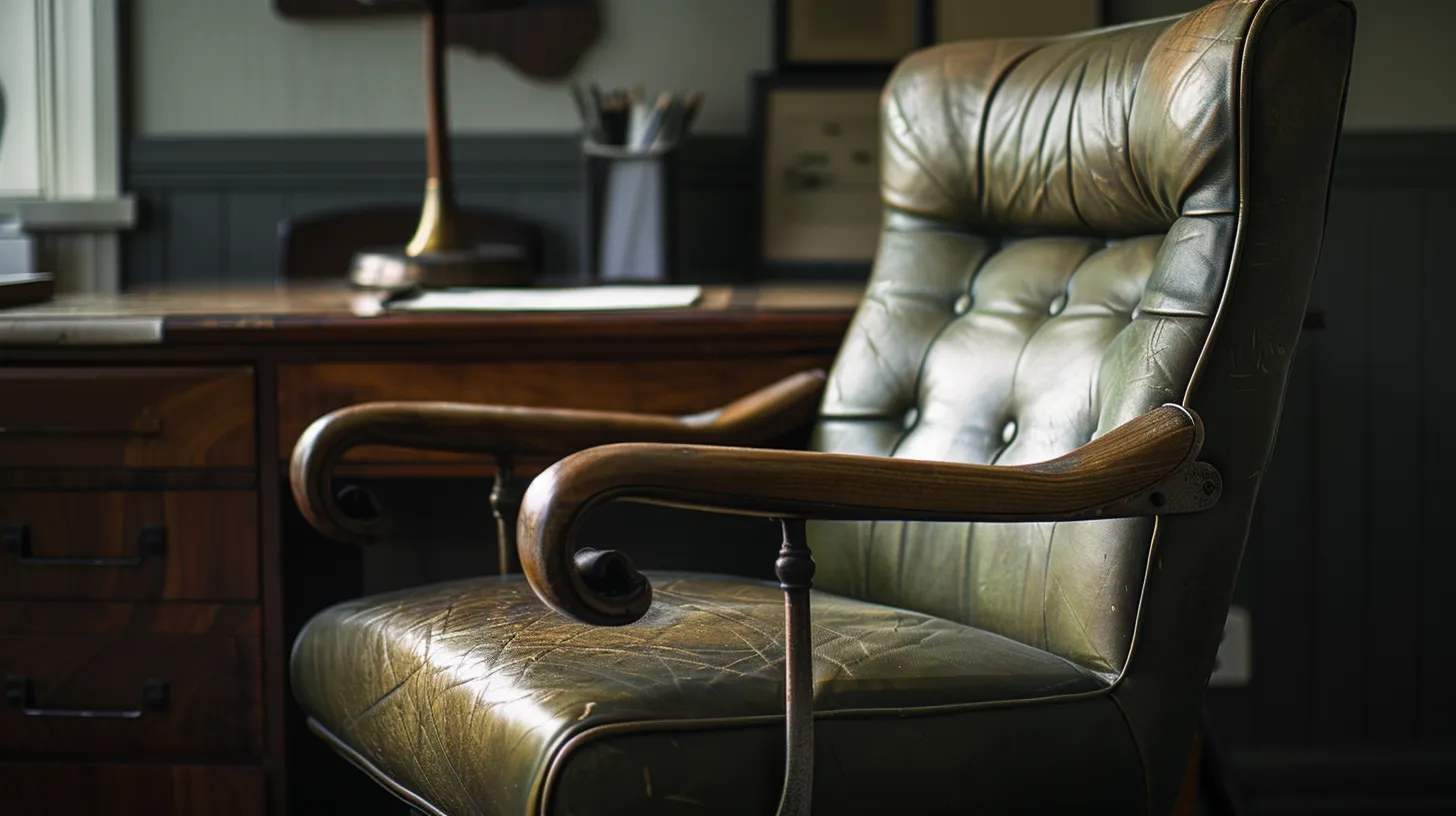
Choosing the right desk chair for a meticulously styled home office often presents a dilemma: you need modern ergonomic support, but you do not want to ruin the aesthetic with a futuristic, plastic mesh task chair. The solution lies in sourcing high-quality, vintage-inspired leather seating. A classic executive or swivel chair upholstered in distressed, olive-green or rich brown leather offers an unparalleled blend of comfort and character. Over time, genuine leather develops a unique patina, wearing in a way that tells a story and adds to the historic, lived-in feel of the room. The smooth, cool texture of the leather contrasts beautifully with the rough grain of a reclaimed wood desk and the matte finish of the dark walls. When paired with brass studs or dark wooden armrests, the chair becomes a statement piece in its own right. It provides the necessary lumbar support for long hours of deep work while maintaining an unbroken visual narrative of classic, enduring style.
4. Vertical Drama: Floor-to-Ceiling Shelving
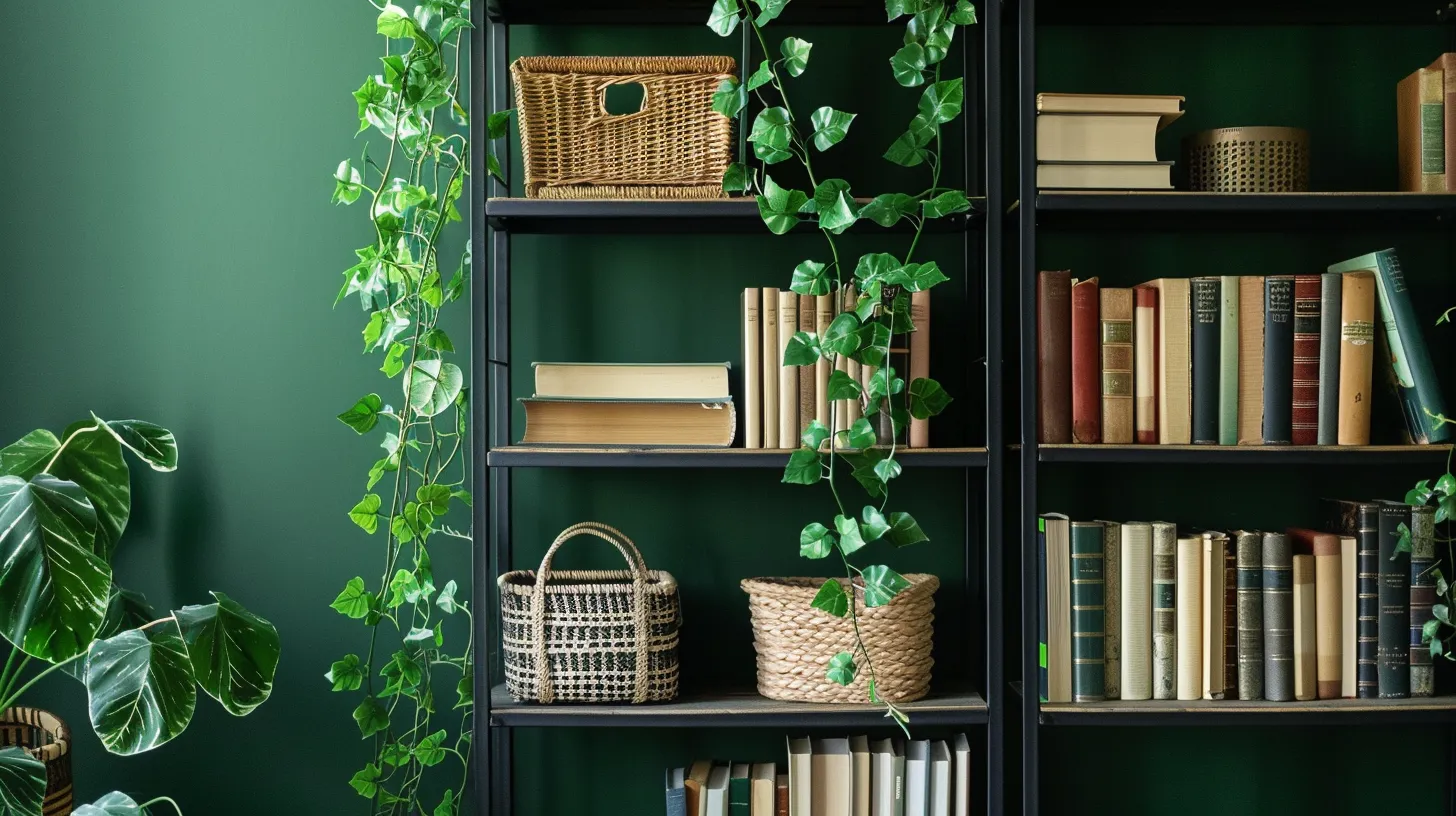
To maximize both storage and visual impact in a moody office, incorporate tall, floor-to-ceiling shelving units. Industrial-style shelves featuring matte black metal piping and dark wood planks draw the eye upward, emphasizing the height of the room and providing a vast canvas for curation. These shelves are crucial for establishing the ‘library’ or ‘dark academia’ aspect of the aesthetic. Rather than just stuffing them with files, treat your shelving as a curated display space. Intersperse vintage hardcover books, woven rattan baskets for concealing unsightly office supplies, and decorative objects like antique globes or brass hourglasses. Most importantly, these high shelves provide the perfect launching pad for trailing plants, allowing greenery to cascade down and break up the rigid, geometric lines of the furniture. The open nature of the shelving keeps the room from feeling overly heavy, while the dark metal framework seamlessly blends into the moody, shadowed background of the walls.
5. The Lifeblood: Abundant Indoor Botanicals
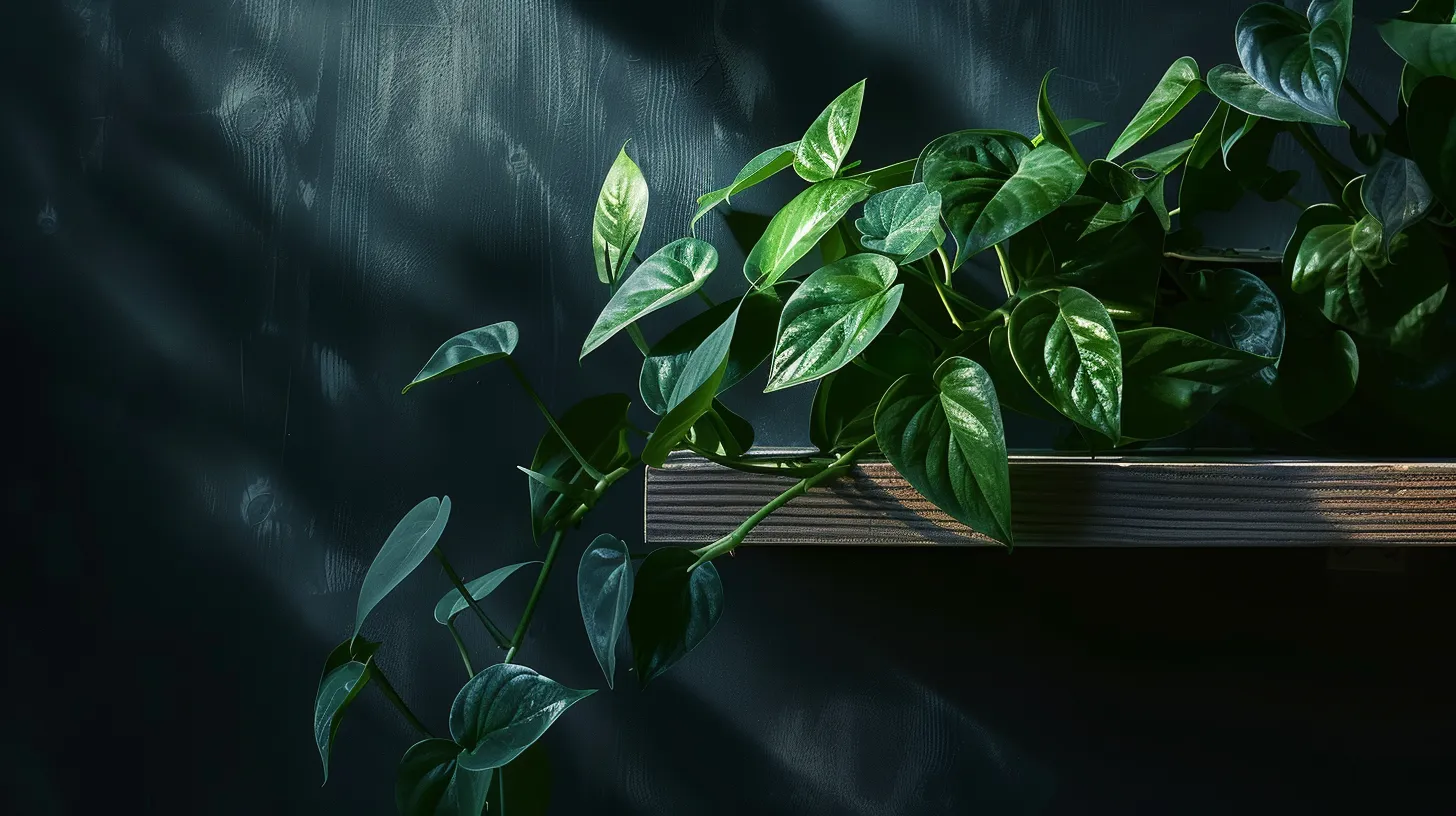
A moody room without plants risks feeling like a cave, which is why abundant indoor botanicals are the absolute lifeblood of this design trend. Plants inject immediate vitality, texture, and movement into an otherwise static environment. The contrast between the bright, vivid greens of the foliage and the deep, muted greens of the walls creates a sophisticated, monochromatic layering effect that is incredibly soothing to the eye. Opt for hardy, low-light tolerant varieties like Snake Plants (Sansevieria) or ZZ plants for the darker corners, while reserving prime real estate near desk lamps or windows for lush, trailing Pothos and delicate ferns. Beyond their undeniable aesthetic value, surrounding yourself with living plants has proven psychological benefits, including lowering stress levels and improving air quality. The presence of nature in a space dedicated to screens and spreadsheets provides a necessary cognitive break, turning your workspace into an urban jungle oasis where creativity can thrive naturally.
6. Setting the Mood: Warm Amber Lighting

In a dark, atmospheric office, getting the lighting right is arguably the most critical step; harsh, blue-toned overhead lighting will instantly shatter the carefully cultivated mood. Instead, the strategy should rely entirely on layered, localized lighting that casts warm, inviting pools of illumination exactly where you need them. A classic brass or matte black gooseneck desk lamp fitted with a warm-toned, amber Edison bulb (ideally around 2700K or lower) is essential. This creates a cozy, highly focused spotlight over your keyboard and notebooks, drawing your attention inward and eliminating peripheral distractions. You can further enhance the atmosphere by backlighting your monitor with warm LED strips or placing a small, shaded accent lamp on a nearby bookshelf to highlight your plants and decor. This approach to illumination creates rich, dramatic shadows that play across the textured walls and wood surfaces, resulting in a cinematic environment that makes late-night work sessions feel like a quiet, luxurious retreat.
7. The Gallery: Vintage Botanical Wall Art
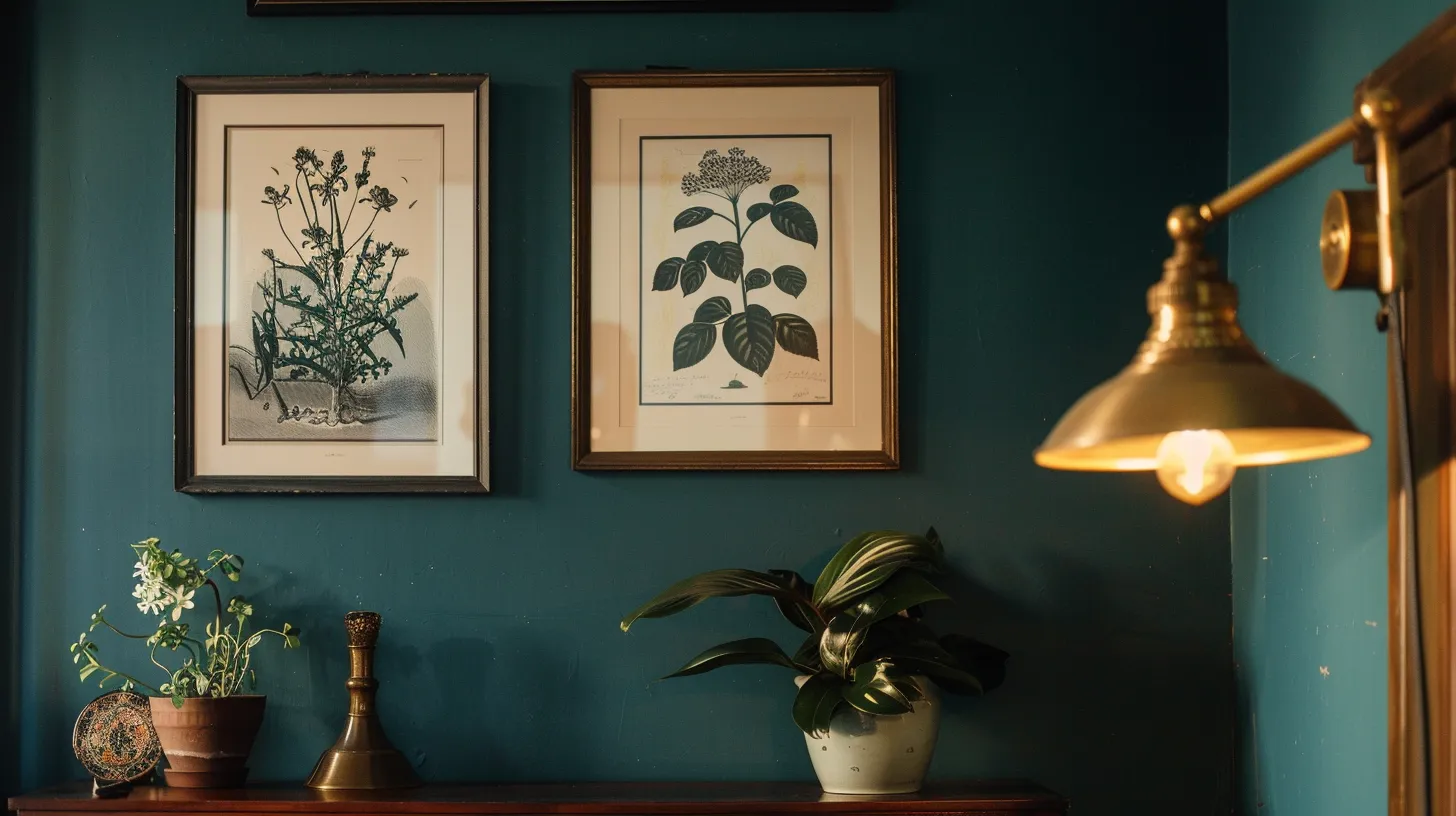
Expanses of dark wall paint provide an incredibly dramatic backdrop for artwork, allowing framed pieces to stand out with gallery-like intensity. To tie the industrial and organic themes together, curate a collection of vintage botanical prints, anatomical sketches, or old-world maps. Choosing artwork with slightly yellowed, antiqued paper provides a beautiful, bright contrast against the dark green paint without breaking the historical, moody illusion. Framing these prints in simple matte black, tarnished brass, or dark walnut wood helps them integrate seamlessly into the broader room design. Whether you opt for a tightly organized grid of matching prints or a more relaxed, eclectic gallery wall, this art serves to break up the visual weight of the room and injects your personal taste into the space. A subtle, battery-operated brass picture light mounted above a larger print can add an extra layer of sophisticated, museum-quality illumination to the room.
8. Grounding the Space: Textured Persian Rugs

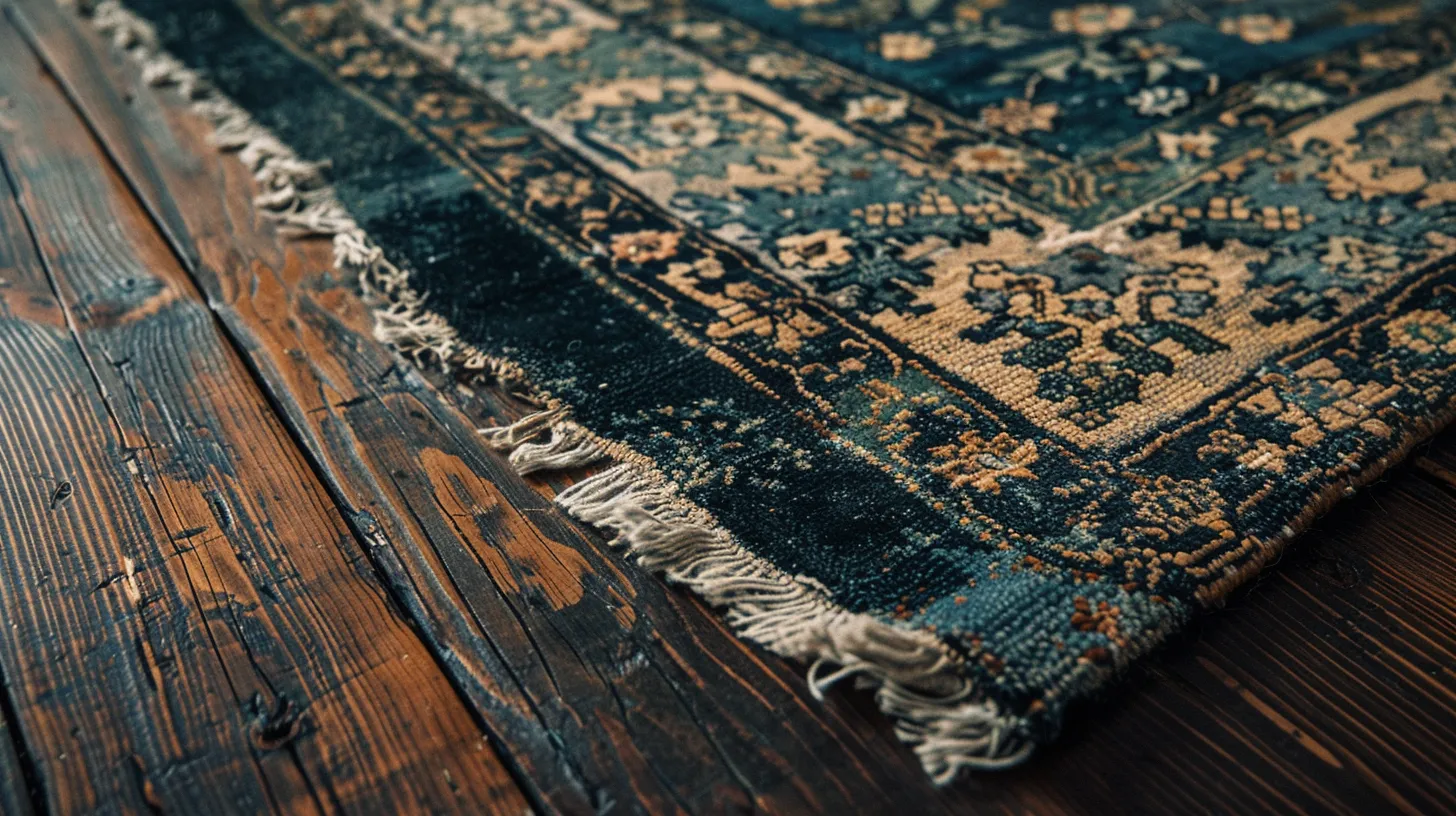
Hardwood or laminate floors, while beautiful, can make a home office feel a bit cold and echoey, especially when paired with industrial metal furniture. To ground the space and add a necessary layer of softness, introduce a vintage or vintage-inspired Persian-style area rug. Look for deeply saturated, muted colors that complement your walls—faded navy blues, deep burgundies, burnt oranges, and olive greens. The intricate, traditional patterns of these rugs add incredible visual interest and help to hide the inevitable wear and tear of a rolling desk chair. Beyond aesthetics, a thick, textured rug provides vital acoustic dampening, absorbing the sound of typing and phone calls, which is essential for maintaining a quiet, focused atmosphere. The soft texture underfoot adds a subtle, tactile luxury to your daily routine, proving that a workspace can be simultaneously rugged, historic, and incredibly comfortable.
9. Blending Tech: Seamless Digital Integration
The greatest challenge in designing a vintage, dark academia-inspired workspace is figuring out how to incorporate modern technology without ruining the illusion. A massive, glowing plastic monitor can easily become an eyesore in a beautifully curated, historic-feeling room. The key is seamless, intentional integration. Opt for monitors with ultra-thin, dark bezels that disappear against the dark walls when turned off. Utilize dark mode on all your applications and choose moody, atmospheric desktop wallpapers—like a dark forest or abstract dark textures—to keep the screen from acting like a glaring spotlight. Cable management is absolutely non-negotiable in this aesthetic; utilize under-desk trays, dark cable sleeves, and zip ties to ensure that every wire is entirely hidden from view. By meticulously concealing the messy realities of modern tech, you allow the rustic wood, vintage leather, and lush plants to remain the undisputed focal points of your sanctuary.
10. The Finishing Touches: Curated Accessories
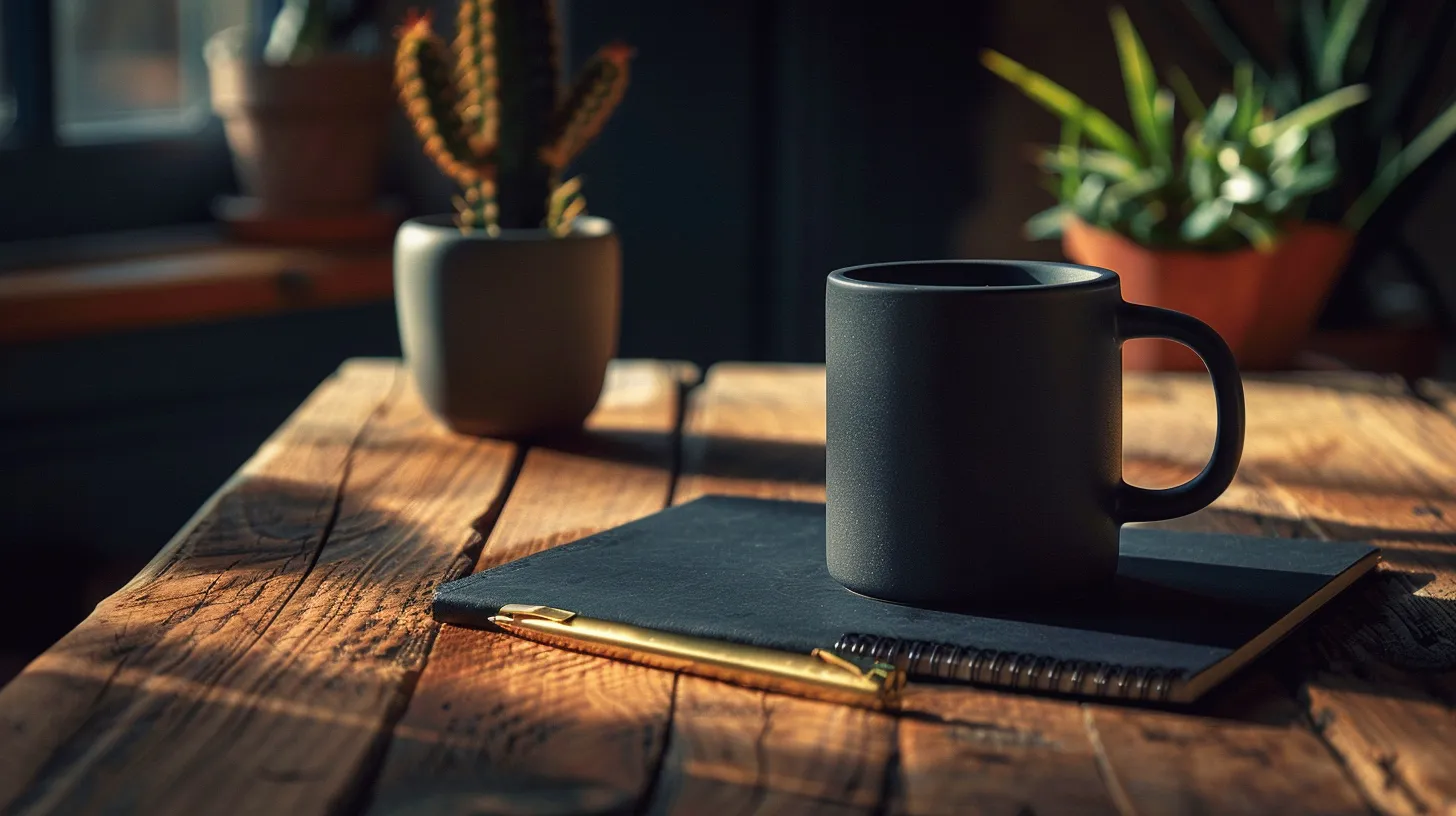
The difference between a room that looks like a furniture catalog and a space that feels like a deeply personal retreat lies entirely in the finishing touches. In a moody botanical office, every accessory that sits on your desk or shelves should be both functional and beautiful. Swap out standard plastic office supplies for items that carry physical weight and history. Use a heavy stoneware mug for your morning coffee, invest in a beautiful leather-bound notebook for your daily tasks, and write with a solid brass pen that will develop a patina over time. Keep a small, architectural concrete planter on your desk housing a resilient succulent. These small, tactile details might seem insignificant, but they collectively elevate the everyday experience of working. They ensure that wherever your eye lands, it rests on something crafted, intentional, and perfectly in tune with the dark, cozy, and inspiring environment you have built.
Conclusion
Ultimately, transforming a standard room into a moody botanical home office is about far more than chasing an interior design trend; it is about reclaiming your work environment and tailoring it to your psychological needs. By surrounding yourself with the grounding elements of deep color, natural wood, vintage textures, and living plants, you create a space that actively combats stress and encourages deep, uninterrupted focus. This aesthetic proves that a functional workspace does not have to be devoid of personality, warmth, or history. The beauty of this design approach is that it does not need to be completed overnight. You can start simply by painting a single accent wall, investing in one good desk lamp, or bringing home your first trailing pothos. Over time, as you curate vintage finds, upgrade your furniture, and propagate your plants, the room will organically evolve into a rich, layered sanctuary that makes the prospect of sitting down to work not just tolerable, but genuinely delightful.