10 Ways to Transform Your Open-Plan Space into a Bright Botanical Haven
Welcome to the ultimate guide on transforming your everyday living space into a breathtaking botanical haven that radiates warmth, light, and tranquility. In today’s fast-paced world, our homes need to serve as ultimate sanctuaries—places where the stress of the outside world melts away the moment we step through the door. The design philosophy driving this aesthetic is deeply rooted in biophilia, the inherent human desire to connect with nature. By intentionally merging the boundaries between the indoors and the outdoors, we create an environment that feels expansive, rejuvenating, and endlessly inviting. This aesthetic is defined by an abundance of natural light, the grounding presence of warm wood floors, soft neutral furnishings, and vibrant, strategic pops of pink and green floral accents. Throughout this comprehensive article, we will break down exactly how you can replicate this high-end, airy aesthetic in your own home. You will learn the ‘why’ behind specific architectural choices, such as maximizing natural light through strategic window treatments and furniture placement. We will dive deep into the ‘how’ of curating a cohesive color palette that feels fresh rather than overwhelming, and explore practical styling advice for layering textures that add depth and comfort without sacrificing that clean, minimalist edge. Whether you are working with a sprawling open-plan layout or looking to bring a breath of fresh air into a cozier room, these ten essential design strategies will equip you with the knowledge to elevate your interior. Get ready to discover the secrets of spatial arrangement, the power of oversized botanicals, and the art of creating distinct, functional zones that flow together in perfect harmony. Let’s step into the light and begin designing your ultimate indoor retreat.
1. Master the Indoor-Outdoor Connection
When we talk about creating a truly transformative living space, the conversation must inevitably begin with the concept of indoor-outdoor flow. This is not merely an architectural feature; it is a foundational design philosophy that dictates how a room feels and breathes. By utilizing expansive glass doors—such as classic French doors—you effectively erase the hard boundary between the sanctuary of your interior and the expansive beauty of the natural world outside. This visual extension tricks the eye into perceiving the room as significantly larger than its actual square footage. But the ‘why’ goes deeper than just spatial perception; it is deeply rooted in environmental psychology. Allowing uninterrupted views of lush garden greenery floods the nervous system with calming signals, reducing stress and elevating your everyday mood. To practically implement this in your own home, begin by evaluating your current window treatments and furniture placement. Avoid placing heavy, opaque furniture directly in front of your primary light sources. Instead, arrange your seating to face or flank these focal points, encouraging inhabitants to gaze outward. If you do not have French doors, you can mimic this effect by ensuring your windows are sparkling clean and keeping sills clear of clutter. Pair the sleek, reflective surface of the glass with warm, tactile materials indoors—like natural linen upholstery or woven rattan—to create a balanced sensory experience. Ultimately, maximizing this flow requires a conscious decision to let the outside dictate the internal ambiance, shifting seamlessly from the bright, energetic light of morning to the long, romantic shadows of the golden hour.
2. Ground the Space with Warm Hardwood Floors
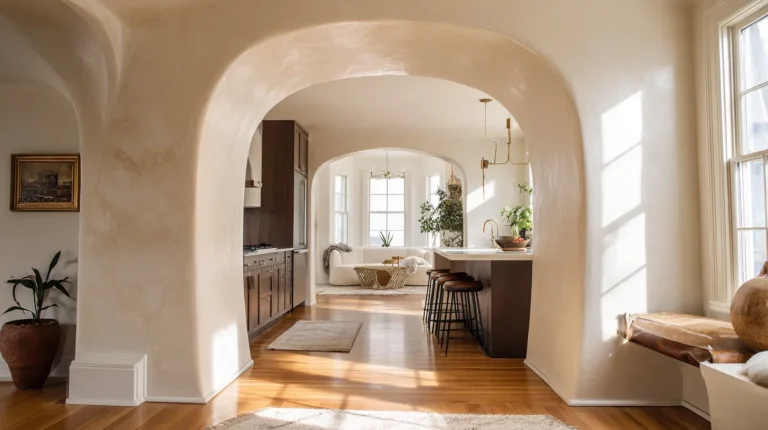
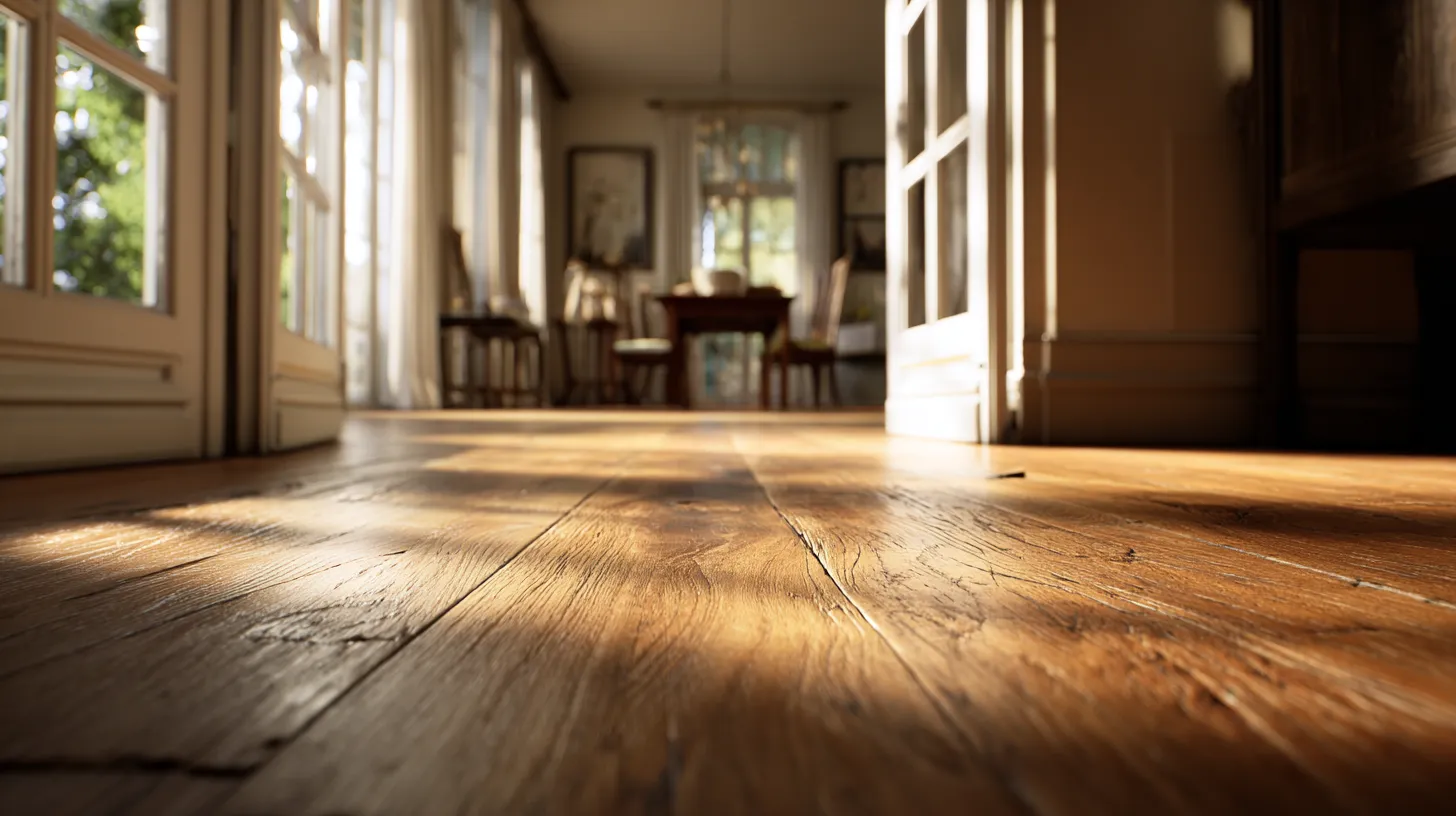
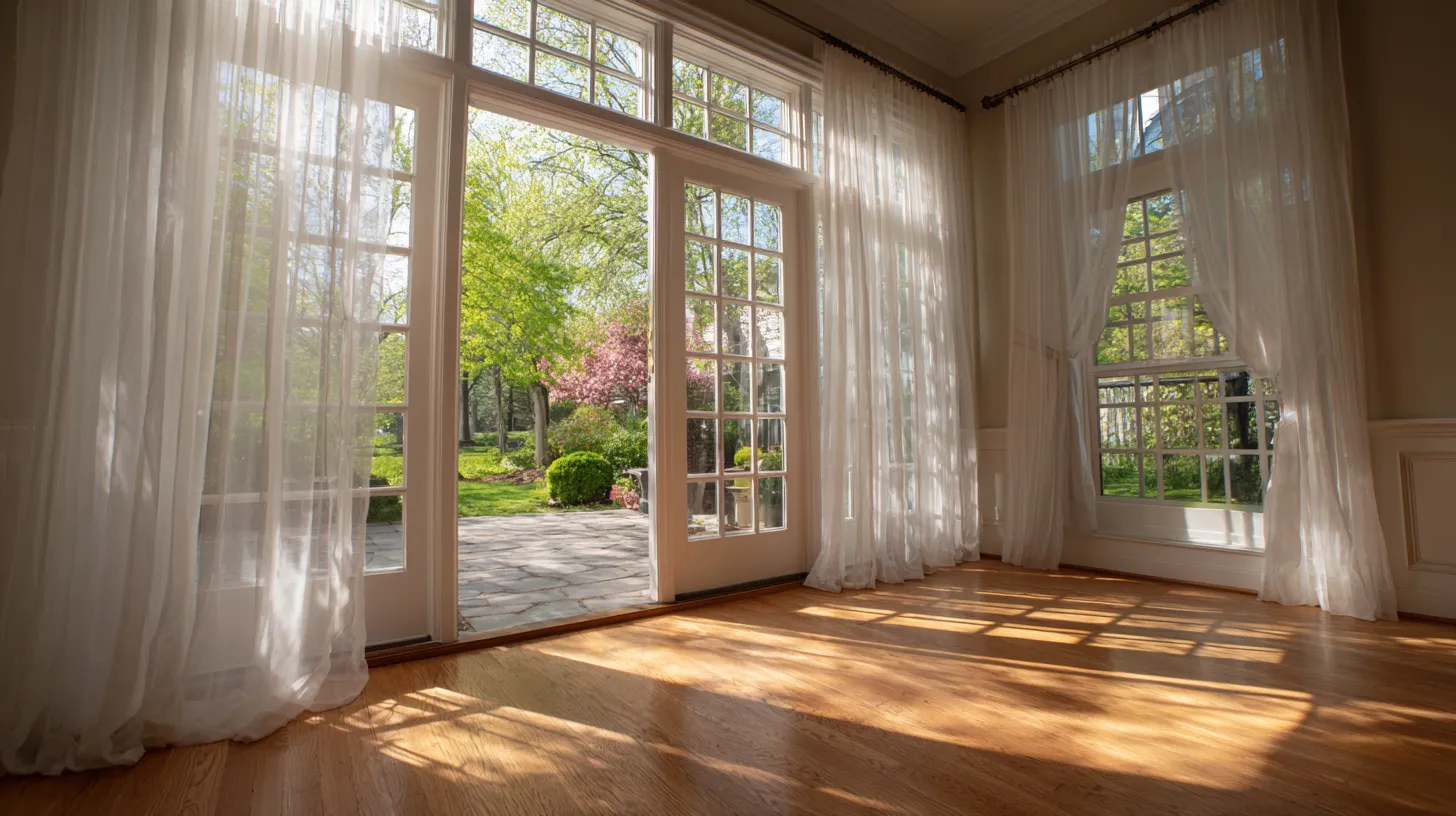
The foundation of any successfully designed room lies quite literally beneath your feet. In a bright, botanical-inspired space, the flooring choice is critical for anchoring the airy aesthetic and preventing the room from feeling too sterile or clinical. Warm, wide-plank hardwood floors are the absolute gold standard for achieving this balance. The natural grain and rich, honeyed tones of oak or walnut provide a crucial counterpoint to stark white walls and bright natural light. This contrast is what gives the room its welcoming, lived-in soul. Functionally, hardwood floors are exceptionally skilled at reflecting ambient light, carrying the sunshine deeper into the core of your home. When styling over hardwood, the goal is to enhance, not conceal. If you choose to use area rugs, opt for organic materials like jute, sisal, or subtly patterned wool that leave a generous border of the beautiful wood exposed. Practically, maintaining the luster of these floors is part of the design aesthetic; a well-oiled, clean wooden floor bounces light beautifully and adds a subtle gleam that elevates the entire room. When arranging your furniture, consider the direction of the floorboards. Running planks parallel to the longest wall or towards the primary light source can visually elongate the space, making your open-plan area feel even more expansive and majestic. The wood acts as the earthy anchor, allowing your lighter furnishings and vibrant floral accents to truly sing.
3. Make a Statement with Oversized Botanicals
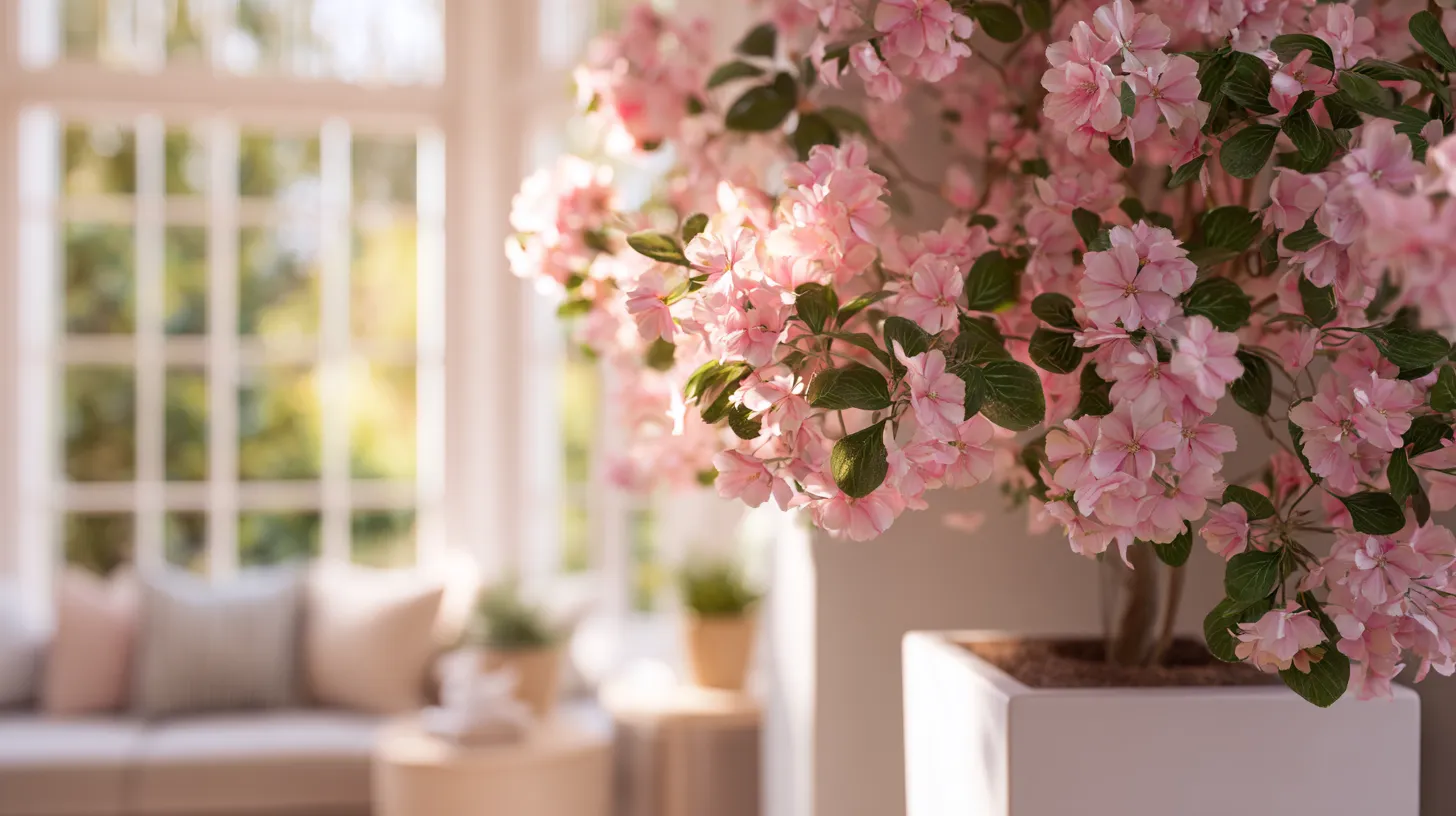
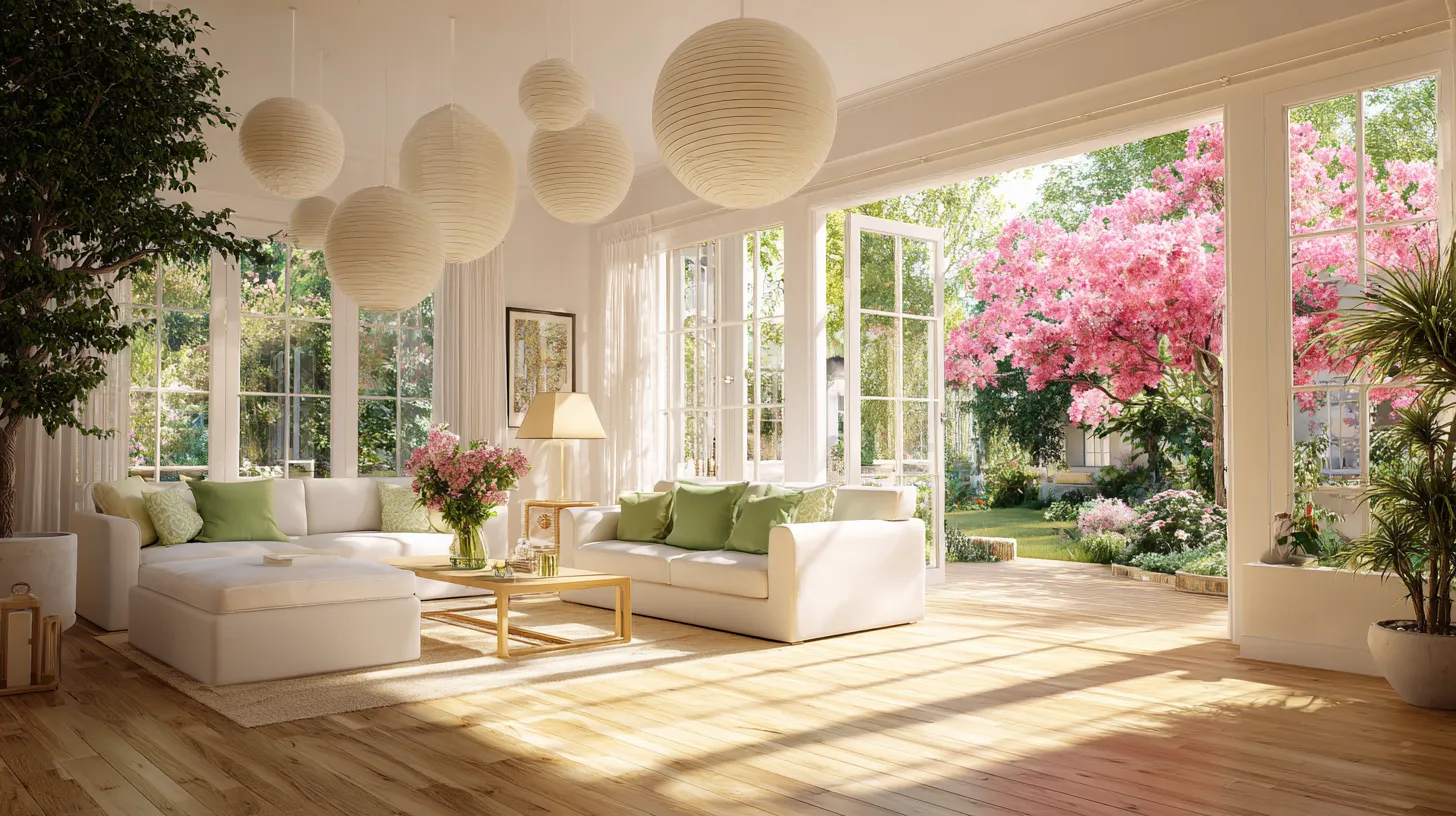
A botanical haven requires more than just a few scattered succulents; it demands a bold, declarative statement piece that commands attention. Introducing an oversized botanical element, such as a large blossoming pink tree in a sleek white planter, immediately establishes the room’s narrative. This design choice works brilliantly because it plays with scale, drawing the eye upward and emphasizing the height of the ceilings, which in turn enhances the airy atmosphere. The vibrant pink blooms inject a necessary dose of energy and romance into a primarily neutral palette, breaking up the uniformity of whites and greens. When selecting your statement plant—whether you opt for a high-quality faux blossom tree or a living indoor tree like a Ficus or Olive—placement is everything. Position it in a corner that receives ample light, allowing the sun to cast intricate, dappled shadows through its branches onto the floor and walls. This creates dynamic, moving art throughout the day. To style around such a dominant feature, keep the immediate surrounding area relatively minimalist. Let the tree be the undisputed star of that specific zone. Pair the organic, wild shape of the branches with geometrically simple pots or planters to maintain a modern, uncluttered look. The key is to create a moment of awe and natural beauty that serves as a focal point, drawing guests in and setting a joyful, springtime tone regardless of the season outside.
4. Curate a Crisp, Cohesive Color Palette
The magic of an airy, botanical living space relies heavily on a strictly curated, crisp color palette. To replicate this serene environment, you must build upon a foundation of warm whites, soft creams, and light beiges. These neutral tones act as a blank canvas, maximizing the reflection of natural light and ensuring the room feels exceptionally clean and open. However, a purely neutral room can easily read as flat or uninspired. This is where the strategic injection of color becomes paramount. Olive greens and soft blush pinks are the perfect companions to this aesthetic. The green, introduced through throw pillows, upholstery accents, and live plants, reinforces the connection to nature and provides a grounding, earthy feel. The pink, mirroring the floral arrangements, adds a layer of soft elegance and warmth. The secret to making this palette work is restraint and distribution. Do not cluster all your colors in one area; instead, create a visual rhythm by echoing these hues throughout the open space. A green pillow on the sofa should converse with a green potted plant on the dining table, while a pink blossom in the corner can be reflected by a subtle pink undertone in a piece of wall art. By strictly adhering to this triad—warm neutrals, earthy greens, and soft pinks—you create a cohesive visual journey that is stimulating yet profoundly restful, tying distinct functional zones together into one unified, harmonious experience.
5. Layer Textures for Ultimate Comfort
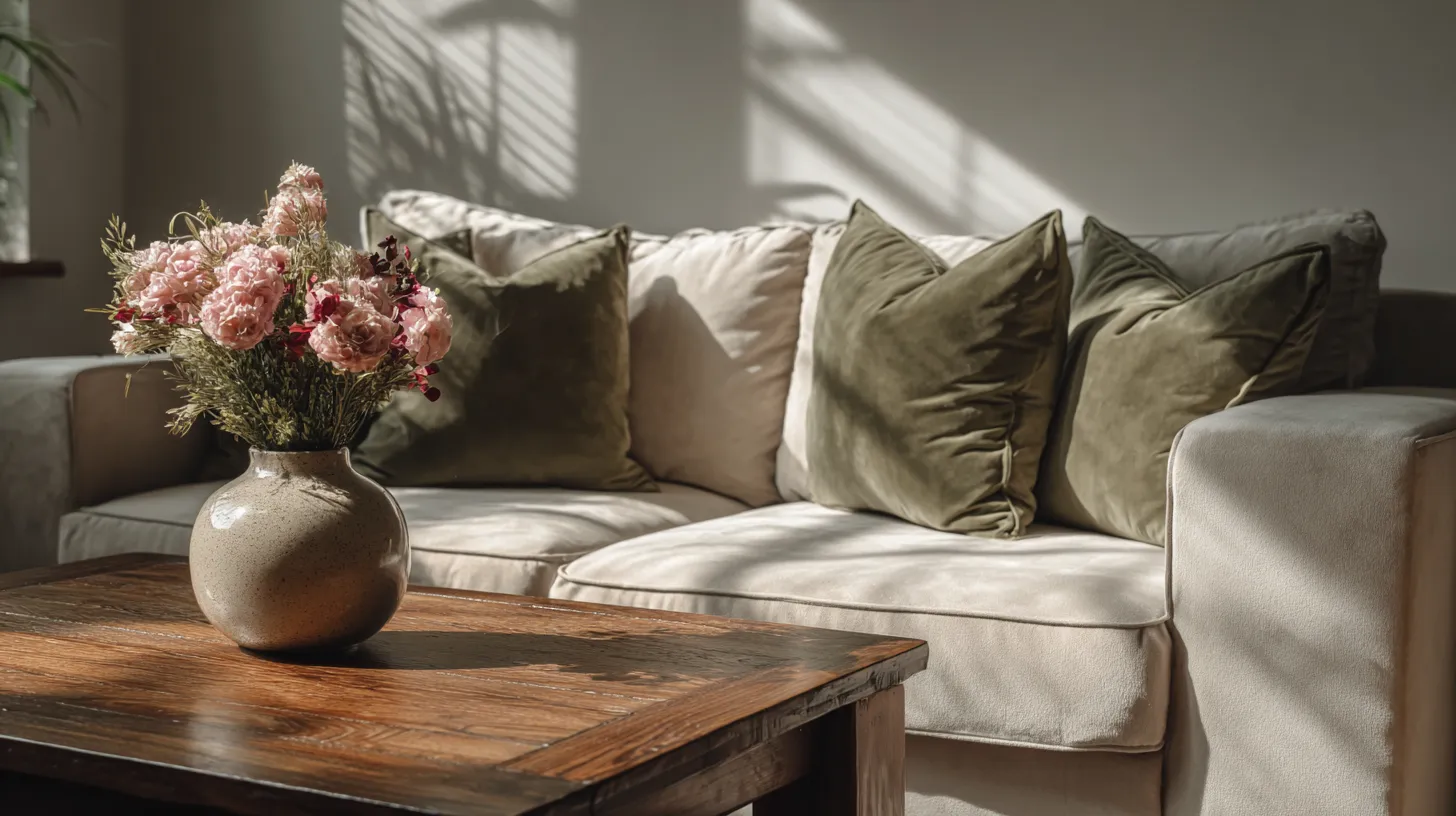
In a room dominated by hard surfaces—glass doors, wooden floors, and crisp white walls—texture is the secret ingredient that transforms a beautiful house into a comfortable, livable home. Without a thoughtful layering of tactile materials, an airy space can quickly feel cold and unapproachable. The ‘why’ behind textural layering is sensory engagement; our eyes perceive the softness of a fabric long before we touch it, signaling to our brains that a space is safe and cozy. To achieve this, focus on contrasting your materials. Pair the smooth, structural lines of a modern sofa with plush, overstuffed cushions covered in organic linen or soft velvet. Introduce nubby throws, woven rattan baskets for storage, and matte ceramic vases alongside polished glass. When styling, think about how light interacts with these different surfaces. Natural light will highlight the weave of a linen curtain differently than it will bounce off a glossy coffee table book. In the living area, ensure your seating invites relaxation. Use down-filled inserts for your pillows so they look lived-in and inviting, rather than rigid and formal. In the dining area, consider pairing smooth wooden chairs with a subtly textured table runner. The goal is to create a landscape of materials that beg to be touched, providing physical comfort that matches the visual serenity of the room, ensuring that your bright, airy space is as welcoming to inhabit as it is beautiful to photograph.
6. Design Distinct Functional Zones
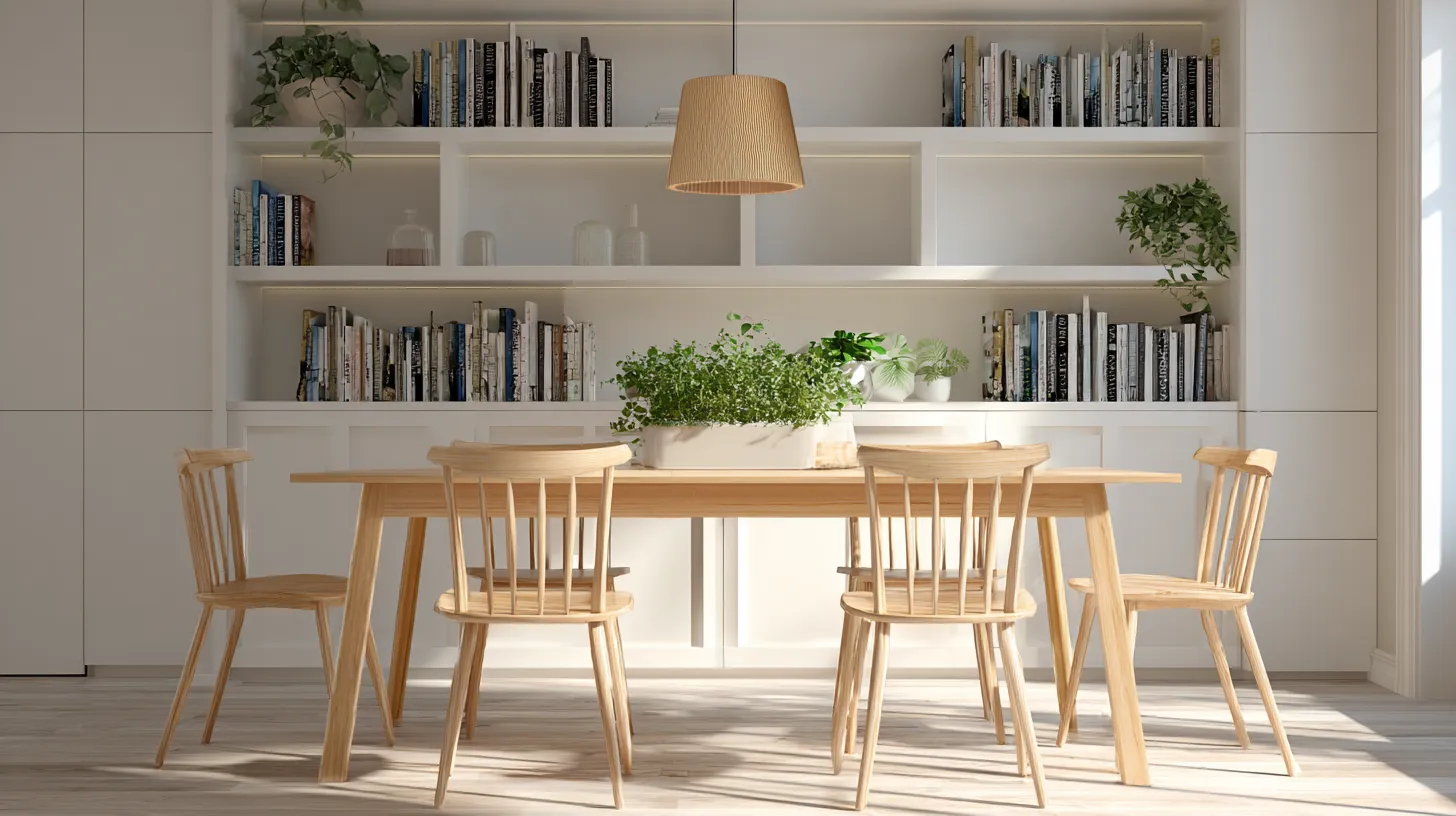
The blessing of an open-plan living space is its expansiveness; the curse is the potential for it to feel like a cavernous, unorganized warehouse. The key to mastering this layout is the intentional creation of distinct, functional zones without relying on solid walls that would block light and airflow. You must define where the lounging ends and the dining begins, creating intimate micro-spaces within the larger room. This is achieved through clever spatial arrangement and visual cues. Start by using your larger furniture pieces as subtle dividers. A sofa placed with its back to the dining area immediately establishes a boundary for the living room. Rugs are incredibly powerful zoning tools; placing a large area rug under the living space anchors the seating arrangement and clearly demarcates its purpose. Similarly, lighting plays a crucial role. A statement pendant light dropped low over a dining table creates a ‘room within a room’ effect, drawing people together for a meal. Maintain consistency in your overall color palette and flooring to ensure the space still feels cohesive, but allow each zone its own unique focal point—perhaps the floral tree in the living area and built-in bookshelves in the dining nook. By arranging your furniture to facilitate distinct activities—conversation, dining, reading—you give the open architecture purpose and scale, turning a dauntingly large room into a highly functional, welcoming environment tailored to modern living.
7. Embrace Soft, Diffused Overhead Lighting
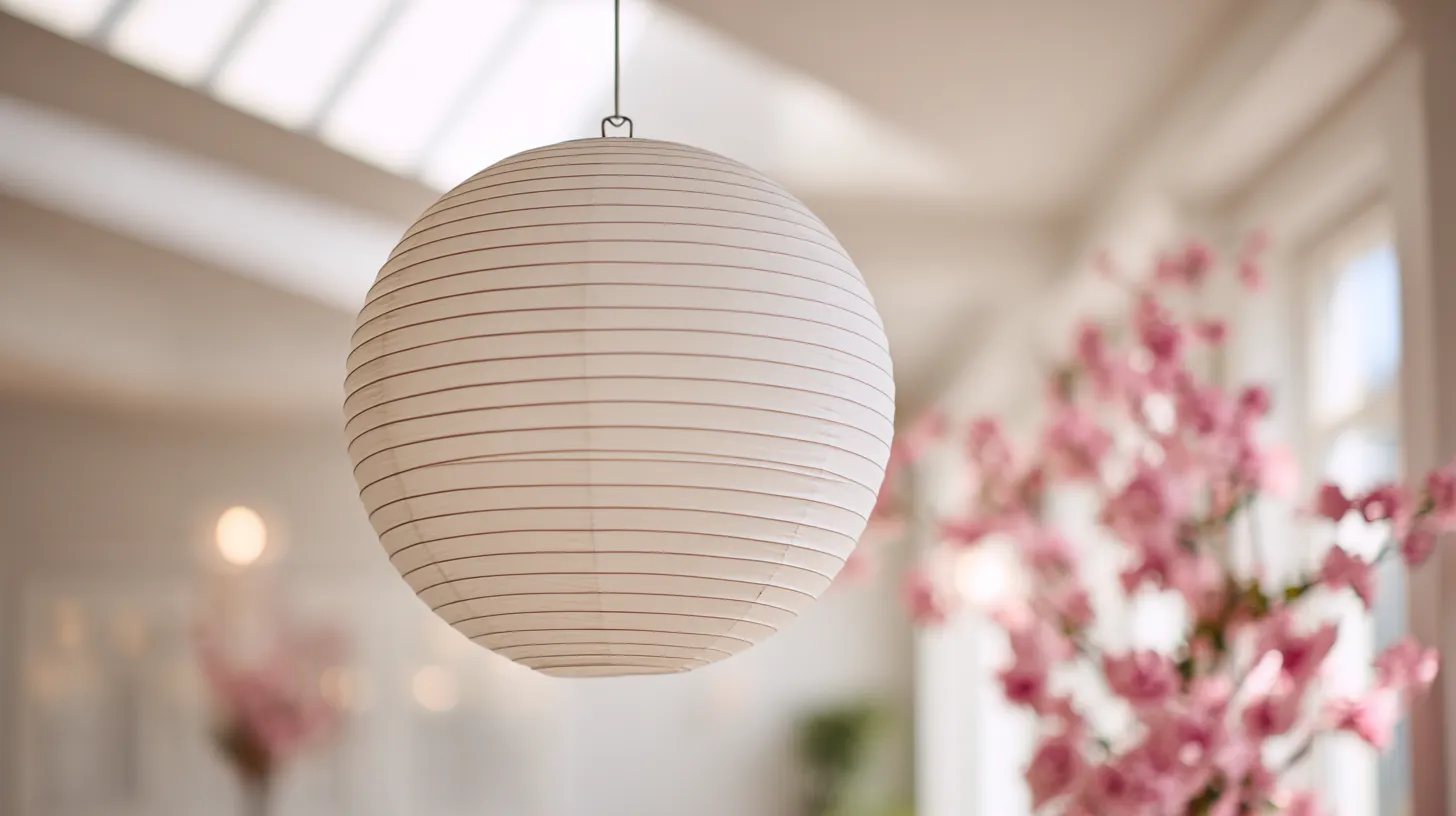
While natural daylight is the primary lighting source for this botanical aesthetic, how you illuminate the space after the sun goes down is equally critical. Harsh, direct overhead lighting can instantly destroy the serene, organic mood you have cultivated during the day. The solution lies in soft, diffused lighting fixtures, specifically pieces like large paper lantern pendants. These fixtures are brilliant because the paper acts as a natural diffuser, softening the glare of the bulb and casting a warm, omnidirectional glow that mimics the softness of dusk. Aesthetically, paper lanterns add a touch of delicate, almost weightless sculpture to the ceiling, complementing the airy vibe rather than weighing it down with heavy metal or glass. To style your lighting effectively, consider the height at which fixtures are hung. Over a dining table, a pendant should hang low enough to create intimacy, typically 30 to 36 inches above the surface. In a living area, ensure they are high enough to walk under but low enough to feel connected to the furniture arrangement below. Furthermore, always install dimmer switches. The ability to control the intensity of your ambient light is crucial for transitioning the mood of the room from a bright, energetic afternoon to a cozy, relaxed evening. Pair your diffused overhead lights with targeted table and floor lamps to eliminate harsh shadows and create a multi-layered, inviting nocturnal atmosphere.
8. Master the Coffee Table Vignette
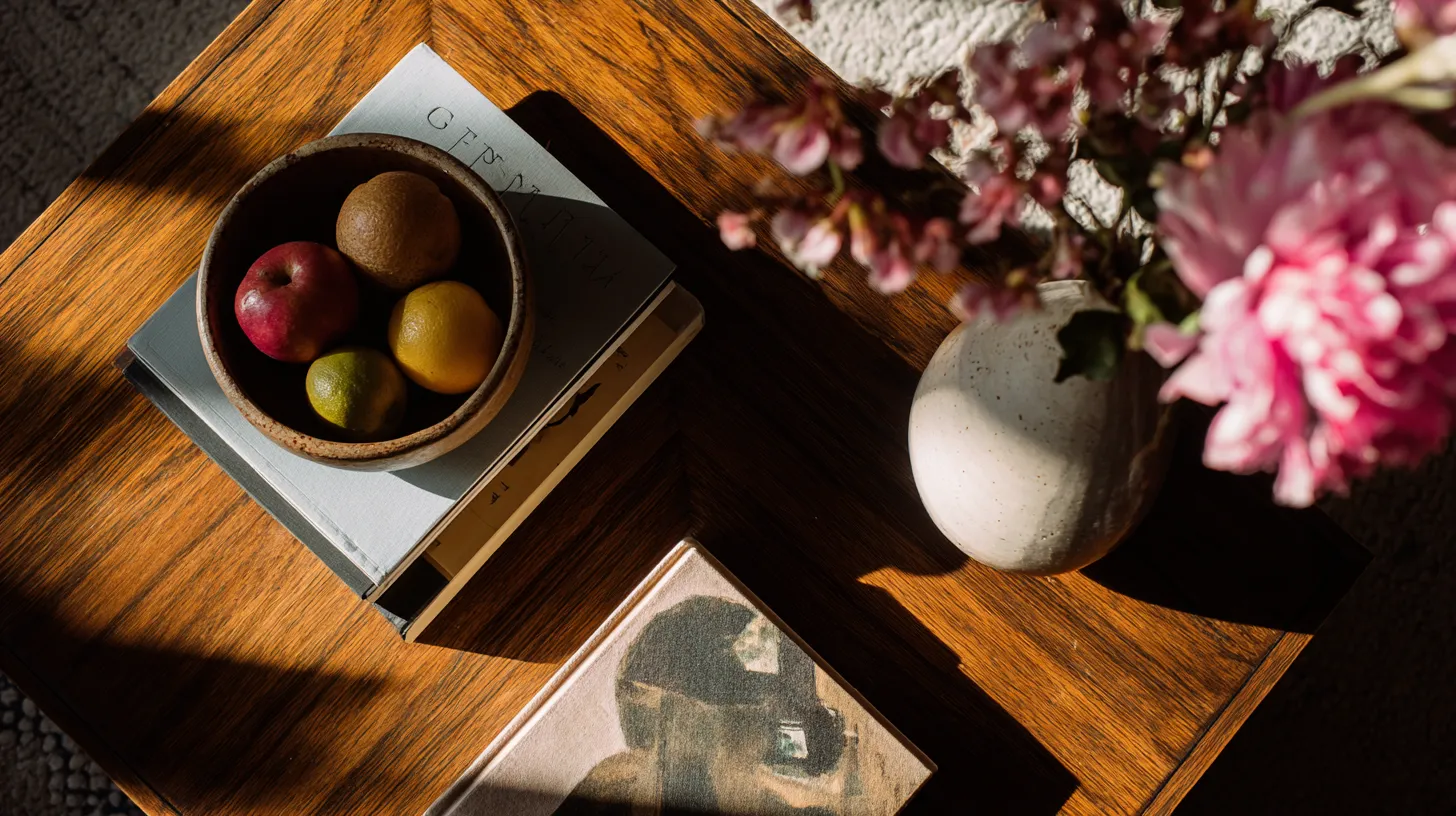
The coffee table often sits at the exact center of your living zone, making it prime real estate for interior styling. It should not be a dumping ground for remotes and mail, nor should it be left entirely bare. Mastering the coffee table vignette is about curating a small, intentional display that reflects the overall aesthetic of the room while remaining practical. In our botanical haven, this means combining natural elements with refined, tactile objects. Start with a foundation—perhaps a beautifully bound, oversized art or design book. This adds height and intellectual interest. On top of or beside the books, introduce organic shapes to contrast with the square edges of the table. A rustic wooden bowl filled with fresh fruit or textural objects adds warmth. Most importantly, bring the botanical theme to the center of the room with a ceramic vase holding fresh-cut flowers or greenery. Keep the height of your floral arrangements relatively low so they do not obstruct conversation across the table. The rule of threes is vital here; arranging objects in odd numbers creates an asymmetric balance that is naturally pleasing to the human eye. Ensure that there is still plenty of negative space left on the table for practical use, like setting down a cup of tea. A well-styled coffee table vignette acts as a microcosm of the entire room’s design philosophy—balanced, natural, and effortlessly elegant.
9. Frame the View with Ethereal Window Treatments
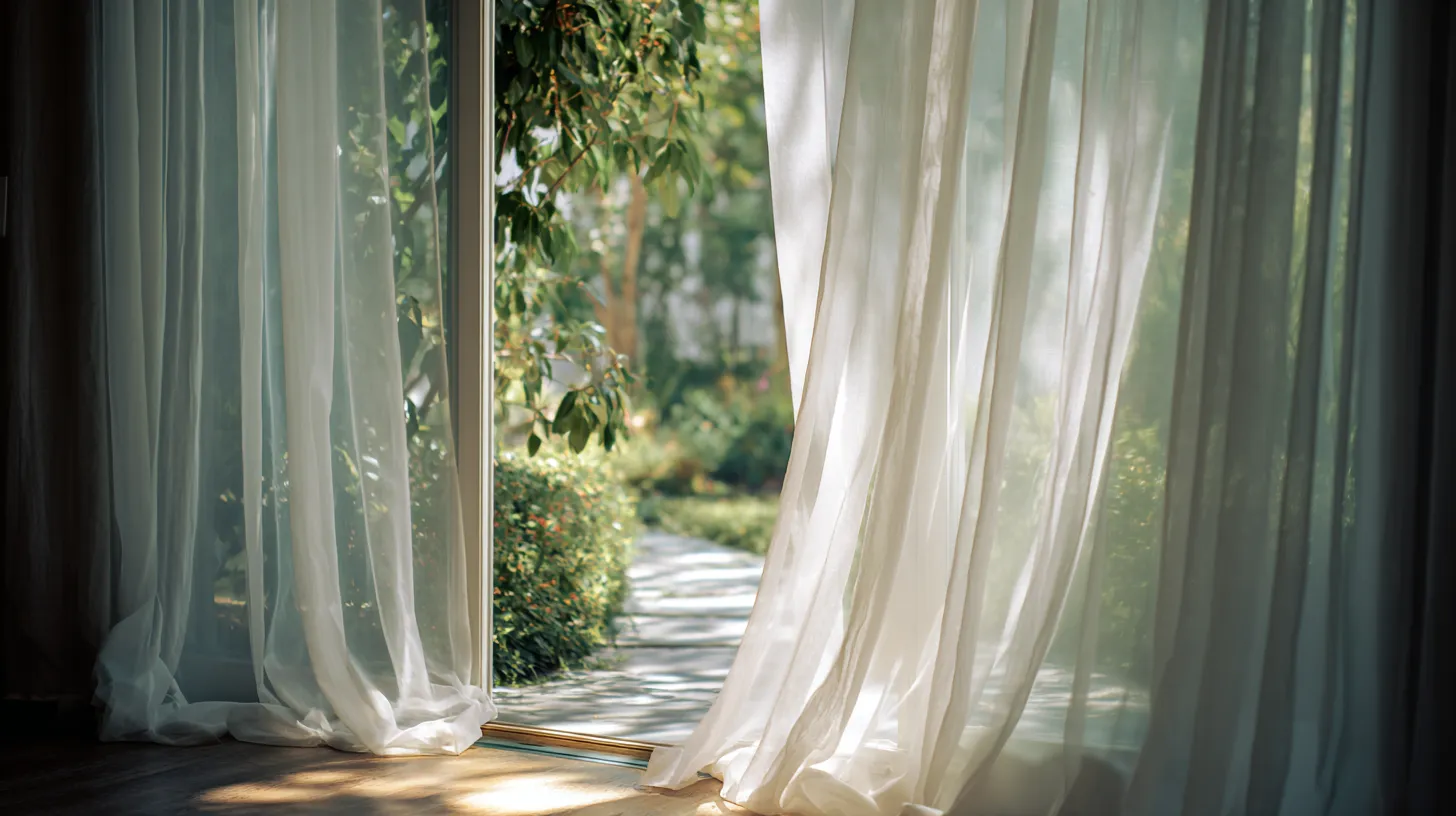
When your design heavily relies on beautiful glass doors and garden views, your window treatments must be chosen with the utmost care. Heavy, opaque drapes will suffocate the room and destroy the seamless indoor-outdoor connection you have worked so hard to establish. Instead, the clear choice is floor-to-ceiling sheer curtains. Sheers are the unsung heroes of airy interiors. They allow an abundance of natural light to filter through while diffusing the harshest direct rays, creating a soft, ethereal glow that is incredibly flattering to both the furnishings and the inhabitants. Furthermore, they provide a necessary layer of daytime privacy without sacrificing the view. To install them correctly, mount your curtain rod as close to the ceiling as possible and extend it several inches past the window frame on either side. This optical illusion makes the windows appear wider and the ceilings taller. Ensure the fabric is long enough to just ‘kiss’ the hardwood floor, adding a touch of tailored elegance. When styling, choose a crisp white or a very soft, unbleached linen tone that blends seamlessly with the wall color. The delicate, wavering movement of sheer fabric as a breeze catches it from an open door adds an unparalleled sense of life, romance, and tranquility to the space, perfectly framing your natural view like a constantly changing piece of art.
10. Style with Meaningful, Plentiful Greenery
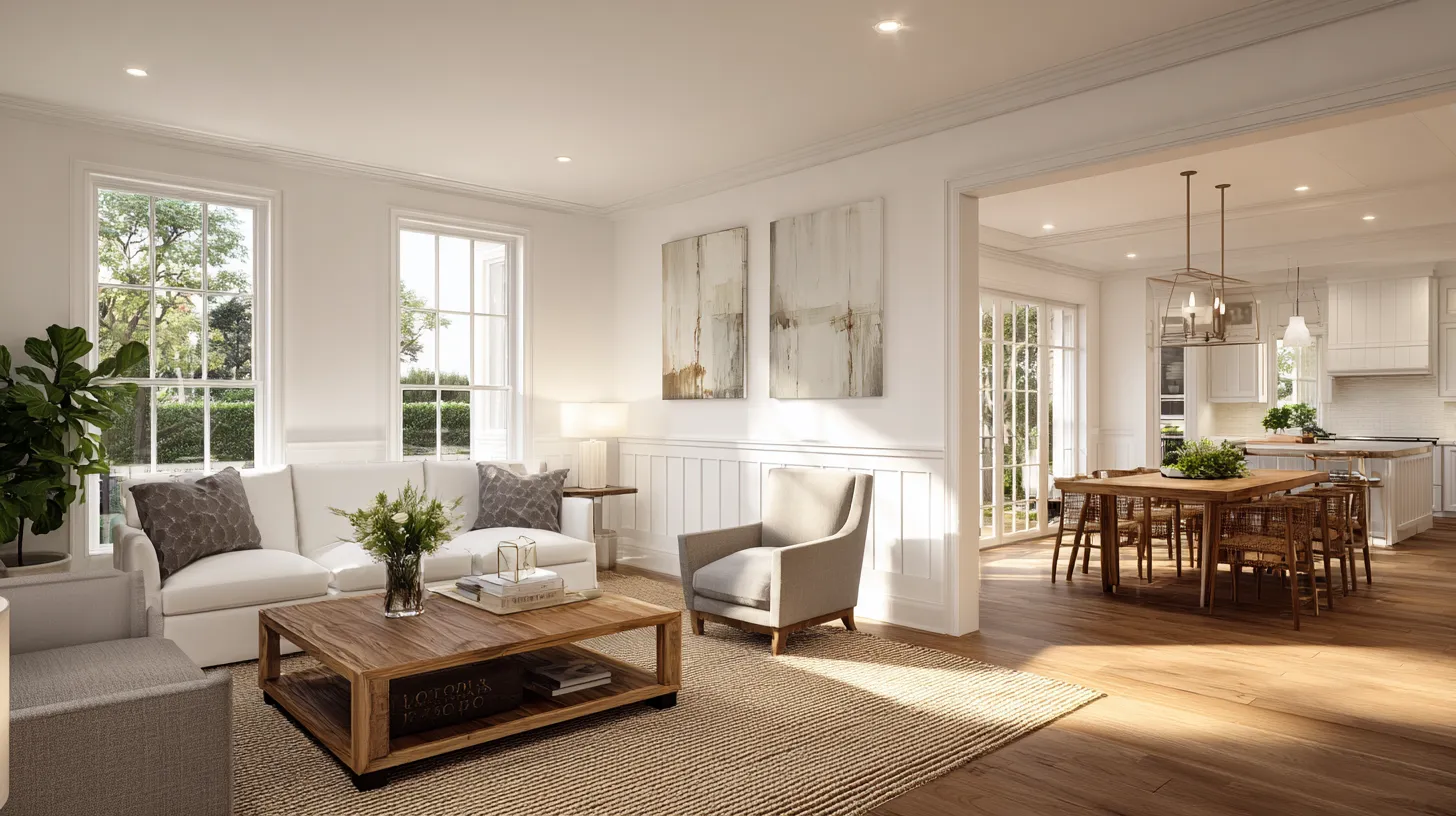
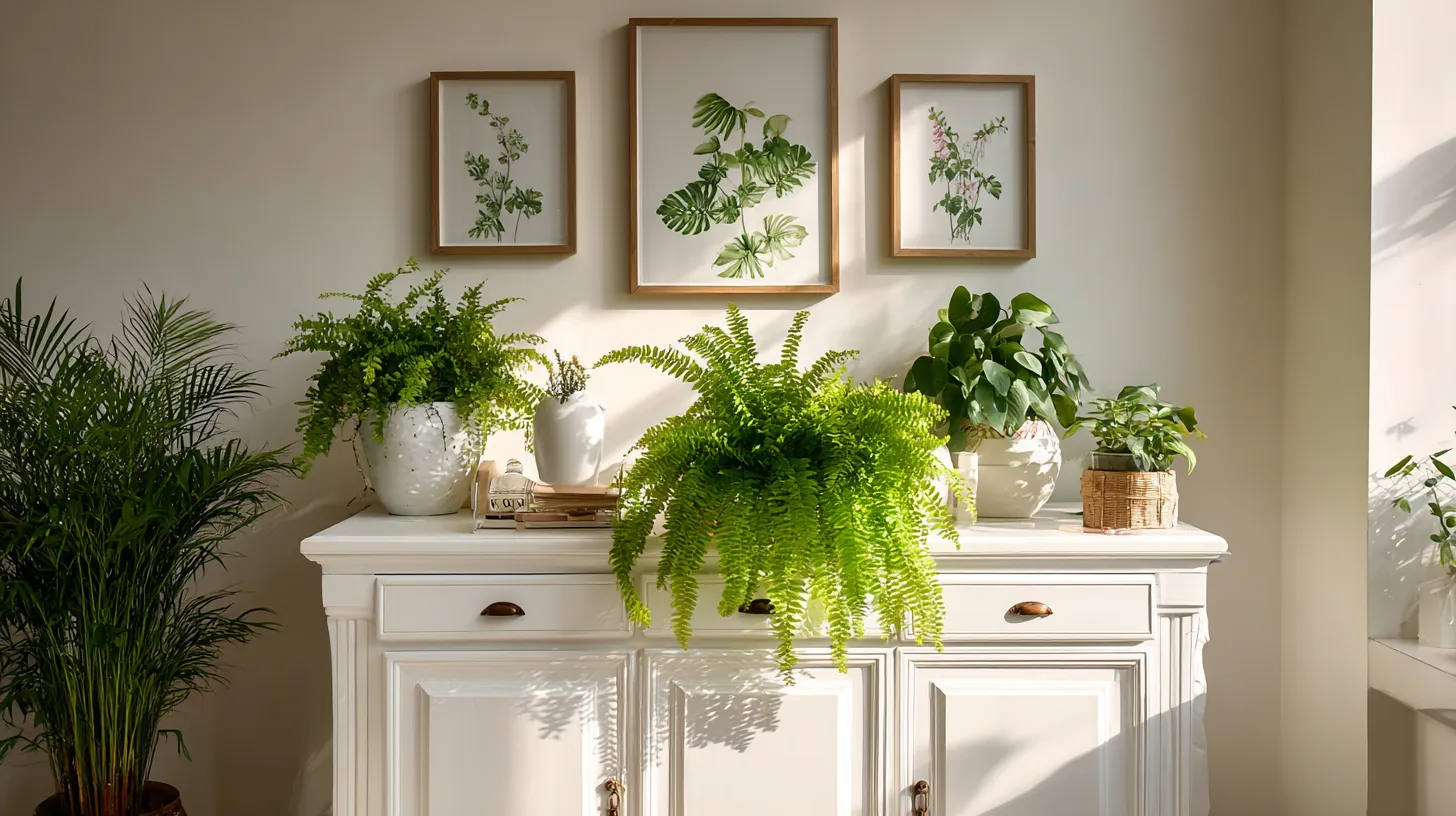
Beyond the singular statement tree, a true botanical space incorporates layers of varied greenery throughout the room. This isn’t about creating a jungle, but rather strategically placing plants to breathe life into dead corners and soften hard architectural lines. The psychological benefits of indoor plants are well-documented; they purify the air, boost creativity, and enhance overall well-being. To integrate greenery effectively, vary the scale, shape, and placement of your plants. Use trailing varieties, like Pothos or Ivy, on higher shelves or sideboards to draw the eye downward and create vertical interest. Place structured, architectural plants like Snake Plants or ZZ plants on the floor to fill empty spaces next to media consoles or armchairs. Smaller, delicate ferns work beautifully as centerpieces on dining tables or accents on bookshelves. The key to cohesive styling is the vessels you choose. Stick to a unified palette of planters—matte white ceramics, natural terracotta, or woven baskets—to prevent the collection from looking cluttered or chaotic. Remember to consider the light requirements of each plant when deciding its permanent home in your open-plan space. By treating your greenery as vital decorative objects rather than afterthoughts, you weave the restorative power of nature into the very fabric of the room, ensuring the space feels vibrant, fresh, and deeply connected to the living world.
Conclusion
Creating a bright, botanical open-plan living space is much more than just a trendy design aesthetic; it is a commitment to cultivating an environment that actively supports your well-being. By embracing the flow of natural light, prioritizing the tactile warmth of wood and soft textiles, and boldly inviting nature indoors through strategic floral and greenery choices, you transform a standard room into a rejuvenating sanctuary. The ten strategies outlined in this guide—from mastering the indoor-outdoor connection with sheer curtains and strategic furniture placement to curating a precise color palette of neutrals, greens, and pinks—are designed to be actionable and adaptable. Remember that interior design is deeply personal. Use these principles as a foundational blueprint, but do not be afraid to inject your own personality into the space through unique art pieces, cherished books, or specific botanical choices that resonate with you. The ultimate goal is to create a home that feels like a breath of fresh air every time you walk inside, a place where the boundaries between the safety of indoors and the beauty of the natural world blur beautifully. Take your time sourcing the right pieces, pay attention to the changing light throughout the day, and enjoy the process of watching your space bloom.