Unlock Serenity: 10 Biophilic Bedroom Secrets for a Naturally Lit Oasis with Balcony
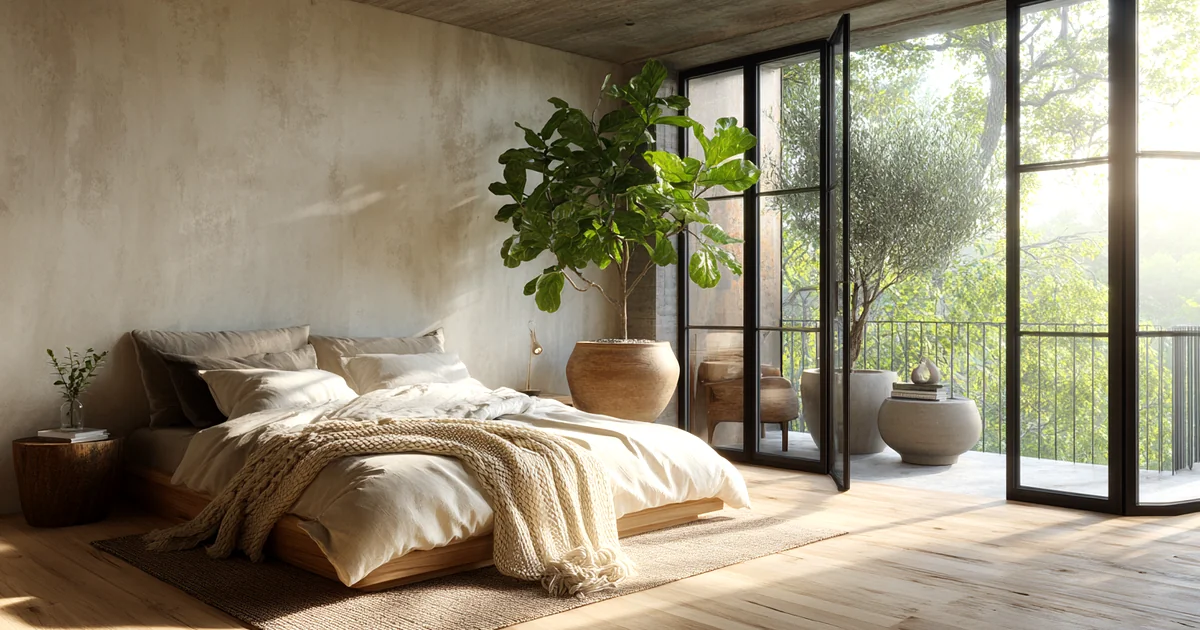
In our fast-paced modern lives, the bedroom often becomes more than just a place to sleep; it transforms into a sanctuary, a personal retreat where we can disconnect, recharge, and find solace. Imagine stepping into a space that instantly calms your senses, where the gentle interplay of light and shadow dances across natural textures, and the fresh scent of the outdoors invites you to linger. This vision lies at the heart of biophilic design, a transformative philosophy that seeks to reconnect us with nature within our built environments, profoundly enhancing our well-being and reducing stress. Our focus today is on crafting a serene, naturally lit bedroom imbued with the principles of biophilic design, seamlessly blending modern organic aesthetics with a sense of tranquil luxury. This isn’t just about adding a few potted plants; it’s about a holistic approach that integrates natural elements, patterns, and processes into every facet of the space. We’ll explore how to leverage abundant natural light, introduce organic materials, and create an inviting indoor-outdoor connection that extends to a private balcony oasis. The style we’re pursuing is one of understated elegance – modern organic meets natural contemporary – where comfort, sustainability, and a deep appreciation for the natural world converge to create an unparalleled sense of calm. Prepare to discover how to transform your bedroom into a restorative haven. We’ll guide you through practical design choices, from selecting the perfect color palette and incorporating living greenery to curating tactile textures and optimizing your layout for both function and flow. You’ll learn how to blur the lines between inside and out, making your bedroom feel like a harmonious extension of the natural world, complete with a breathtaking balcony escape. Get ready to embark on a design journey that promises not just a beautiful room, but a profound improvement in your daily well-being and a deeper connection to the serene beauty of nature.
1. Master the Art of Natural Light Integration
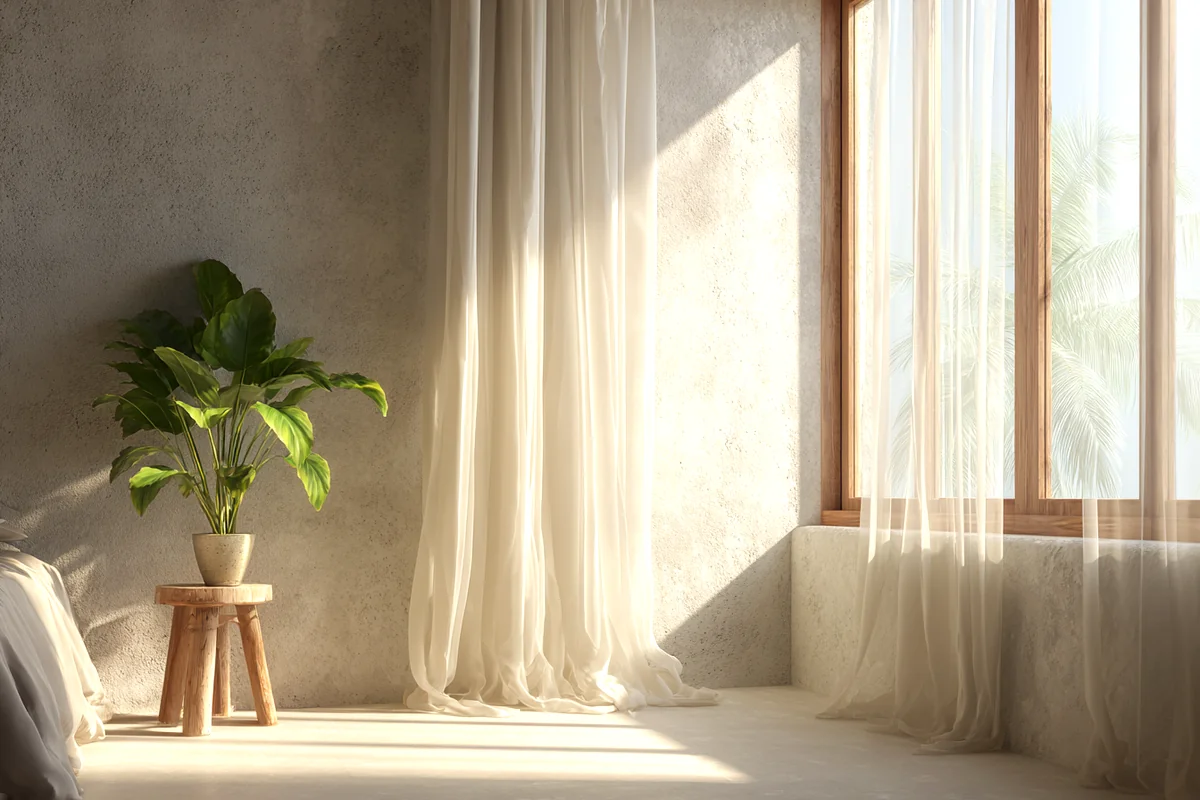
The cornerstone of a serene, biophilic bedroom is its masterful integration of natural light. Far beyond mere illumination, sunlight influences our mood, circadian rhythm, and overall well-being. To maximize this vital element, consider sheer or translucent window treatments that filter harsh glare while allowing soft, diffused light to permeate the space. Linen or light cotton curtains in neutral tones are excellent choices, offering privacy without sacrificing luminosity. Strategically placed mirrors can work wonders, reflecting light deep into the room and creating an illusion of expanded space. Position them opposite windows or adjacent to light sources to amplify their effect. For spatial arrangement, keep windows unobstructed by heavy furniture; instead, arrange seating or a reading nook nearby to encourage basking in the natural glow. The ‘WHY’ is clear: natural light boosts vitality and mood. The ‘HOW’ involves thoughtful material choices—think light wood frames or minimalist metal accents for window hardware—and a layout that celebrates the sun’s journey through your room, transforming it into a dynamic, naturally evolving canvas throughout the day. Textures like woven bamboo blinds paired with soft drapes add depth while maintaining an airy feel.
2. Embrace a Biophilic Color Palette
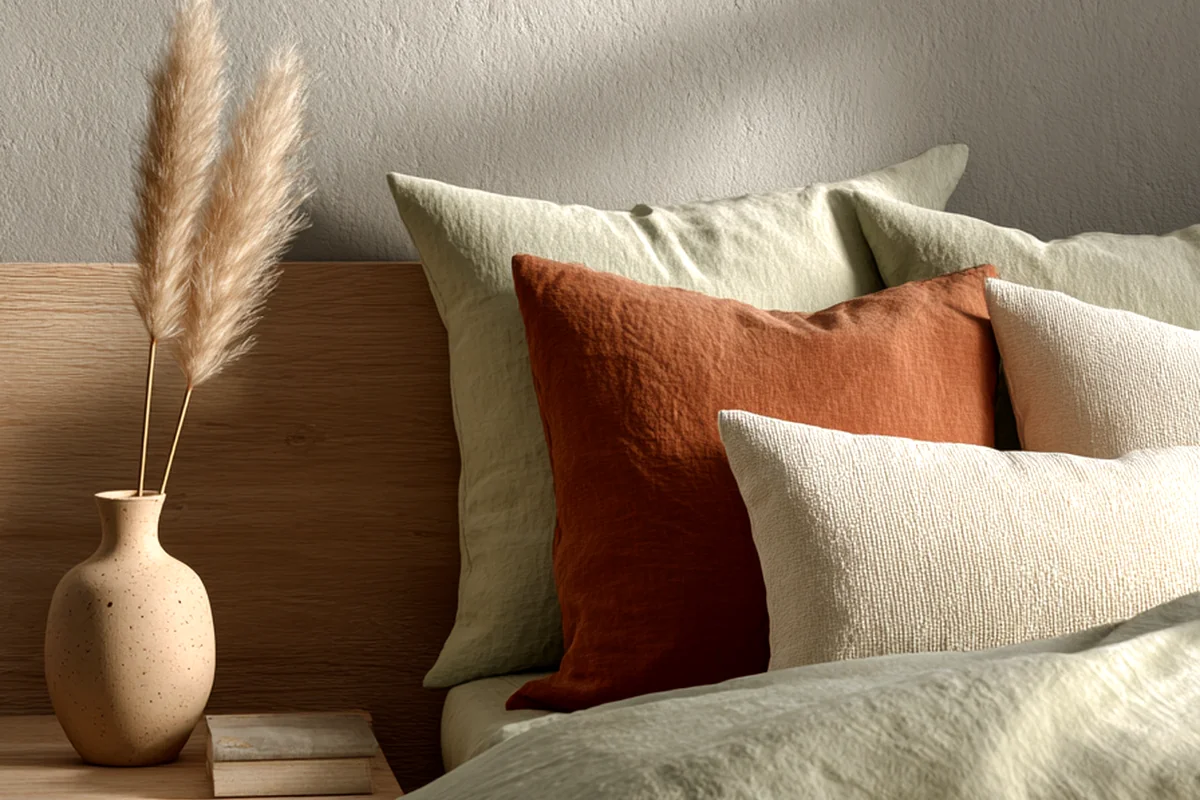
A serene biophilic bedroom begins with a color palette inspired directly by nature. Move beyond stark whites to embrace a spectrum of soothing, earthy tones that mimic forests, oceans, and skies. Think soft sages, muted moss greens, warm sand beiges, gentle stone greys, and hazy sky blues. These colors reduce visual clutter and promote a sense of calm and stability. ‘WHY’ these colors? They are inherently restful, drawing on our innate psychological connection to natural environments. ‘HOW’ to implement them involves using lighter, airier shades for walls to enhance the feeling of spaciousness and natural light, while deeper, richer tones can be introduced through textiles or accent furniture. For instance, a light sage wall can be beautifully complemented by a bedspread in an oat or linen shade, accented with throw pillows in a deeper forest green or a muted terracotta. Consider pairing these with natural wood textures (think light oak or birch) and soft, tactile fabrics like organic cotton or untreated linen to build layers of visual and tactile comfort. This careful selection ensures that every hue contributes to a cohesive, restorative atmosphere, grounding the space in natural tranquility.
3. Curate Living Greenery for Vitality
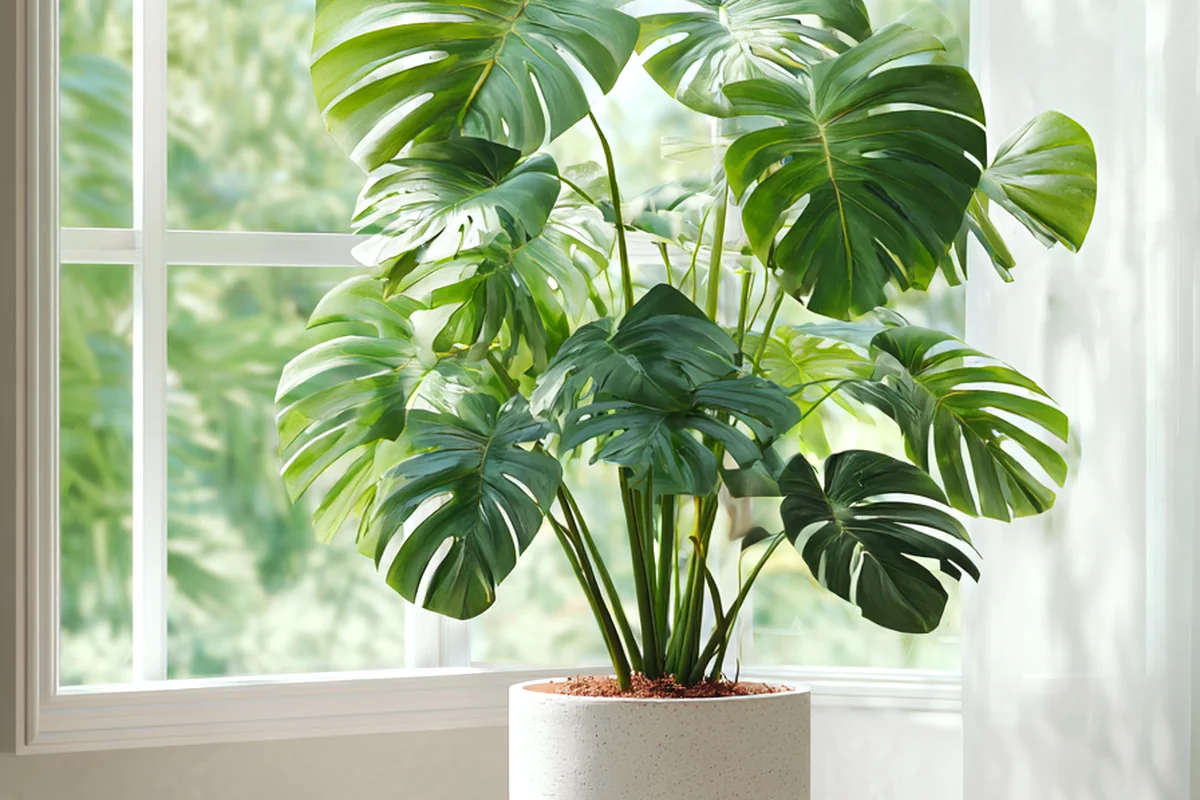
Integrating living plants is perhaps the most direct and impactful way to infuse biophilic design into your bedroom. Plants not only purify the air but also introduce vibrant life, texture, and a sense of calm. ‘WHY’ plants? They connect us to the natural world, reduce stress, and improve air quality. ‘HOW’ to choose and place them is key. Opt for low-maintenance, air-purifying varieties like Snake Plants, ZZ Plants, Pothos, or Peace Lilies, which thrive in varied light conditions and require minimal attention. Consider a large, sculptural plant in a corner to create a focal point, such as a Fiddle Leaf Fig or a Strelitzia, bringing a dramatic natural element. Smaller plants can adorn bedside tables, shelves, or hanging planters, adding touches of green at various eye levels. Think about texture pairings: a smooth ceramic pot for a plant with broad leaves, or a woven basket for a trailing vine. Spatial arrangement should consider light exposure for each plant while ensuring they don’t overcrowd the space. Vertical gardens or living walls, even small ones, can be a stunning way to incorporate extensive greenery without sacrificing floor space, creating a dynamic, ever-evolving natural art piece that truly transforms the room into an indoor oasis.
4. Embrace Organic Textures and Materials
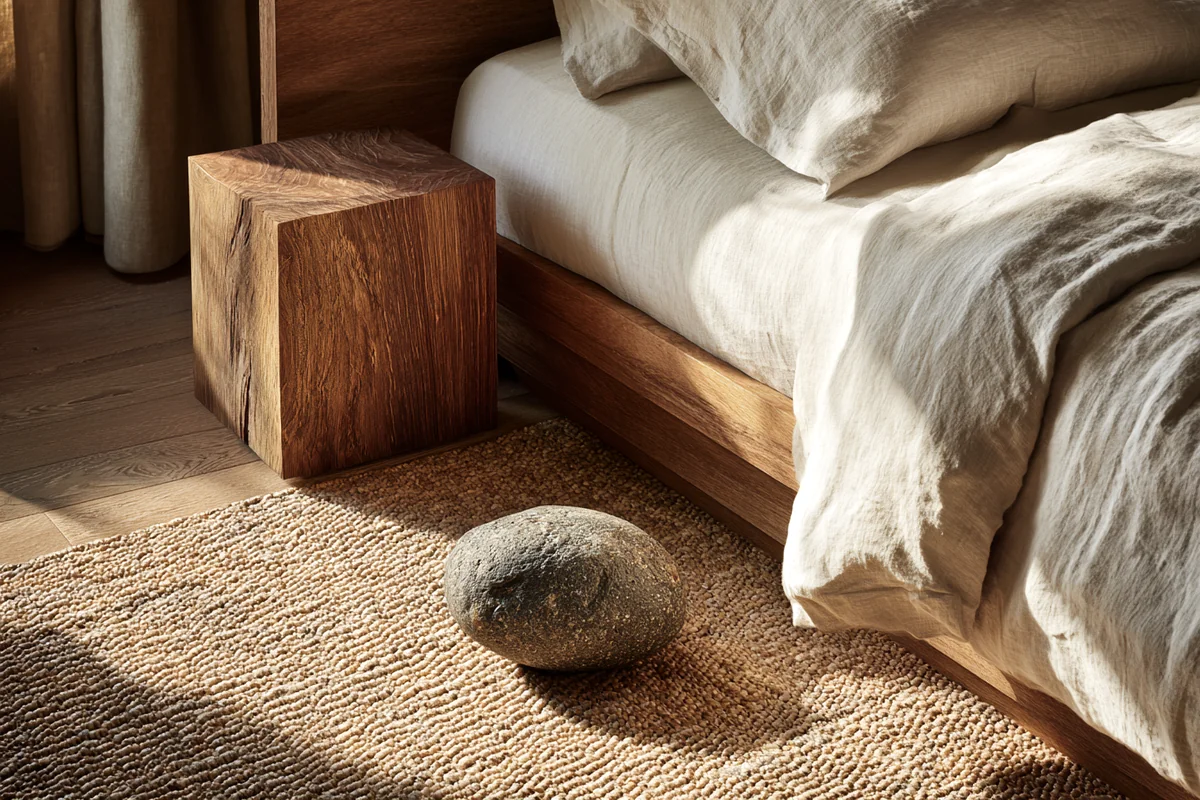
The tactile experience of a biophilic bedroom is paramount, and this is where organic textures and materials truly shine. Moving beyond synthetic fabrics and cold surfaces, embrace the warmth and authenticity of natural elements. ‘WHY’ organic materials? They ground the space, add sensory richness, and often boast sustainable origins, aligning with a mindful lifestyle. ‘HOW’ to incorporate them involves a layered approach. Start with foundational elements like a natural wood bed frame (think reclaimed wood, bamboo, or light oak) and pair it with bedding made from organic cotton, linen, or hemp – fabrics known for their breathable comfort and beautiful drape. Introduce woven elements through jute or sisal rugs, rattan accents, or macramé wall hangings. Stone, whether through a polished river stone lamp base or a concrete planter, adds a cool, grounding contrast. Texture pairings are crucial: combine the softness of a wool throw with the rough-hewn character of a live-edge side table. Varying textures like smooth silk pillows against a chunky knit blanket, or the subtle grain of wood against the subtle weave of linen, creates depth and sensory appeal without overwhelming the visual field. This rich tapestry of natural materials transforms the bedroom into a deeply inviting and intrinsically comfortable haven.
5. Seamless Indoor-Outdoor Flow: The Transition
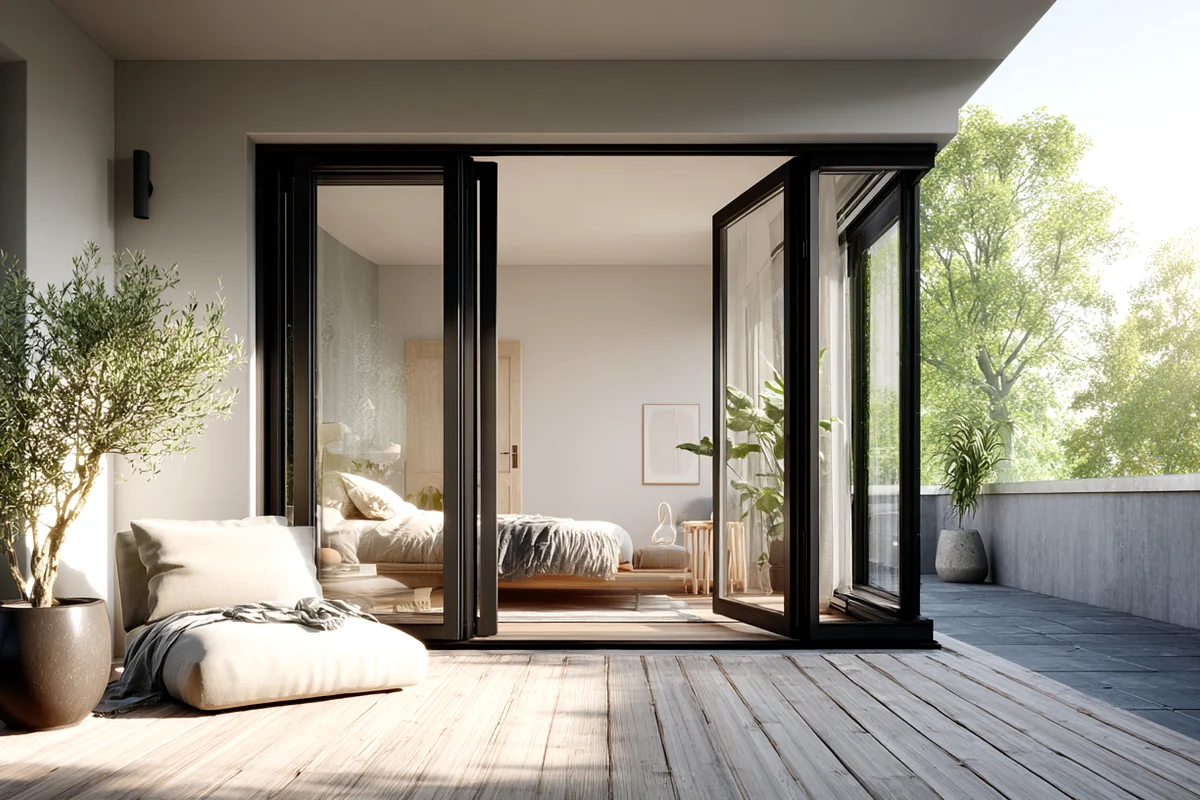
One of the hallmarks of a truly serene biophilic bedroom with a balcony is the seamless transition between the indoor sanctuary and the outdoor retreat. This isn’t just about having a door; it’s about blurring the lines so that the spaces feel like one continuous environment. ‘WHY’ this flow? It extends the perceived size of the room, maximizes natural light and fresh air, and reinforces the connection to nature. ‘HOW’ to achieve it involves thoughtful design choices. Large glass doors – sliding, French, or bi-fold – are ideal, offering unobstructed views and easy access. Maintain a consistent color palette and material language across both spaces; for example, if you have light wood floors inside, consider wooden decking or natural stone tiles for the balcony in a complementary tone. Furniture placement indoors should gently guide the eye towards the outdoor view, perhaps with the bed oriented to face the balcony or a comfortable chair positioned to enjoy the vista. Consider using similar plant species or pot styles both inside and out to create visual continuity. Texture pairings like a smooth polished concrete floor extending onto the balcony or a natural fiber rug indoors echoing an outdoor mat further enhance this fluid connection, making the balcony feel like an organic extension of your personal haven rather than a separate entity.
6. Design Your Inviting Outdoor Balcony Oasis
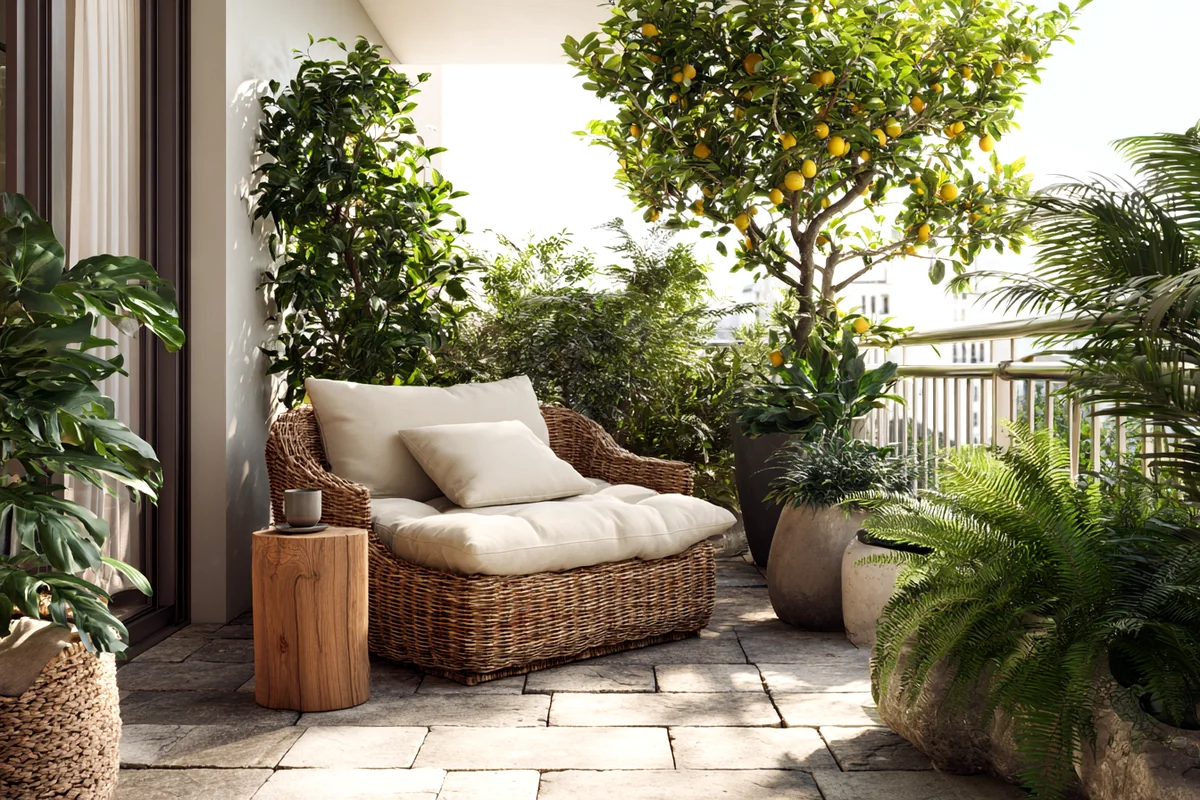
The outdoor balcony is an extension of your serene bedroom, offering a private slice of nature. It’s crucial to design it as an inviting oasis that complements the interior aesthetic. ‘WHY’ dedicate attention to the balcony? It provides a vital connection to fresh air, natural sounds, and outdoor relaxation, enhancing the biophilic experience. ‘HOW’ to create this haven involves strategic furnishing and planting. Choose comfortable, weather-resistant furniture in natural materials like rattan, teak, or metal with soft, neutral cushions – a cozy lounge chair, a small bistro set, or a daybed are ideal. Introduce an abundance of plants, selecting varieties that thrive in your climate and balcony’s sun exposure. Think cascading vines, fragrant herbs, potted shrubs, and small trees to create a lush, green enclosure. Consider a vertical garden for maximizing greenery in compact spaces. Ambient lighting, such as solar-powered lanterns, string lights, or a small outdoor floor lamp, will extend its usability into the evening, casting a warm, inviting glow. Texture pairings could include a smooth ceramic planter against the rough texture of a brick wall, or a soft outdoor rug on a wooden deck. Ensure privacy with strategically placed taller plants or a subtle screen, crafting a truly secluded and restorative outdoor retreat.
7. Mindful Furniture Selection for Form and Function
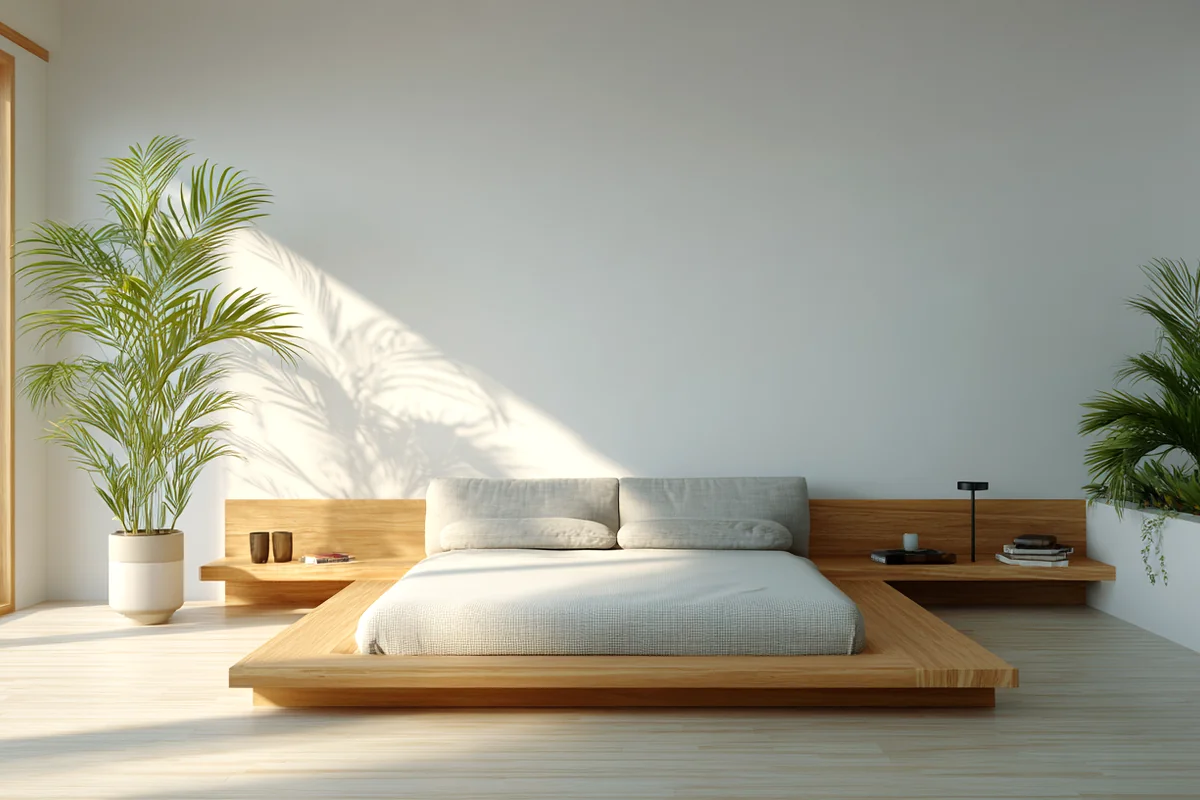
Furniture in a biophilic, modern organic bedroom should prioritize natural forms, sustainable materials, and uncluttered functionality. ‘WHY’ mindful selection? It reinforces the aesthetic, minimizes environmental impact, and promotes a sense of calm through simplicity. ‘HOW’ involves choosing pieces that resonate with nature. Opt for a low-profile bed frame, perhaps made from reclaimed wood or bamboo, to create an open, airy feel that doesn’t dominate the space. Floating shelves or wall-mounted bedside tables can further enhance this lightness. Embrace organic shapes – a softly curved armchair, a pebble-shaped side table, or a dresser with rounded edges – to mimic forms found in nature, avoiding harsh lines. Prioritize pieces crafted from natural and sustainable materials like solid wood, rattan, linen, or recycled metals. Spatial arrangement should maintain clear pathways and an open flow, preventing any feeling of confinement. Consider a minimalist approach, choosing only essential pieces that serve a purpose and contribute to the room’s serene atmosphere. Texture pairings could involve a smooth, polished stone tabletop on a wooden base, or a woven basket for storage adding a touch of rustic charm to an otherwise sleek profile, ensuring every piece feels intentional and harmonious with the overall design.
8. Harness the Power of Water Features and Natural Sounds
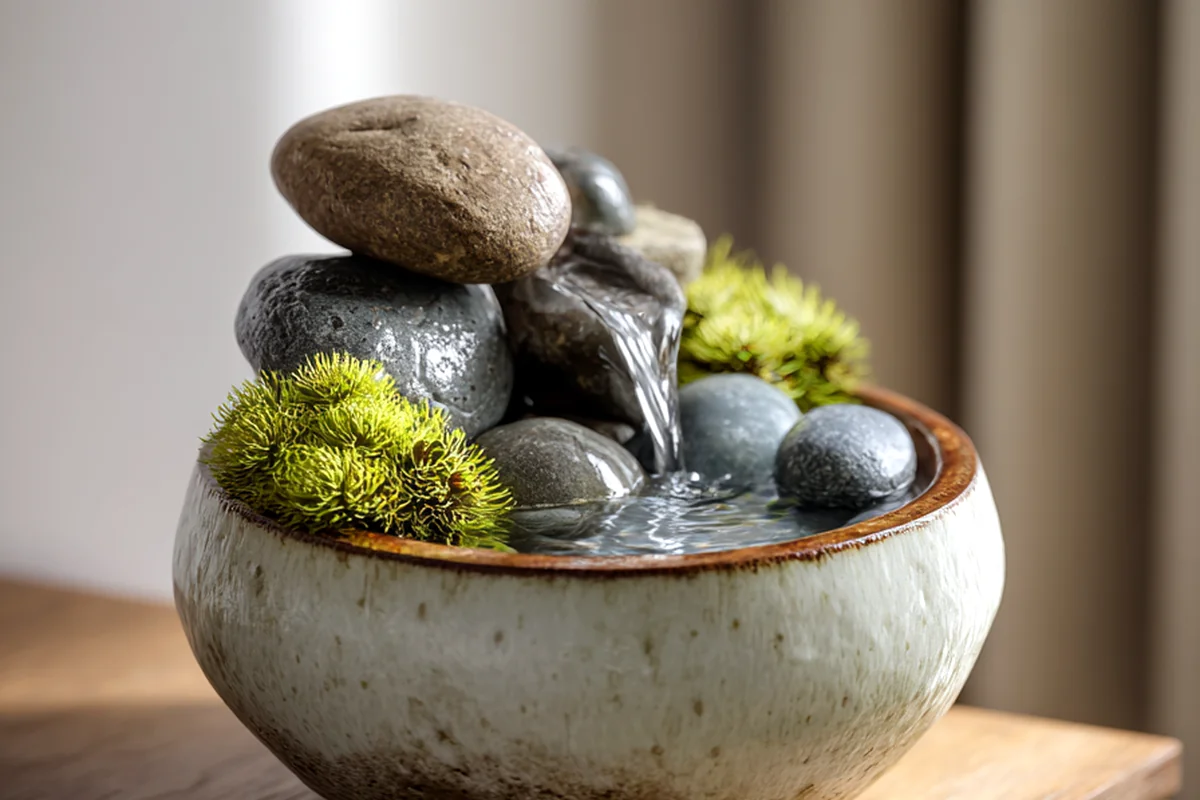
To deepen the sensory experience of your biophilic sanctuary, consider integrating subtle water features and natural soundscapes. ‘WHY’ these elements? The gentle sound of trickling water is scientifically proven to reduce stress and promote relaxation, while natural sounds like birdsong or rustling leaves further enhance the connection to the outdoors. ‘HOW’ to incorporate them varies. For an indoor touch, a small, tabletop water fountain crafted from natural stone or ceramic can provide a soothing auditory backdrop without requiring significant space. Place it on a bedside table or dresser, allowing its gentle murmur to fill the room. On the balcony, a larger water feature – perhaps a bubbling urn or a small pond – can become a focal point, attracting local wildlife and creating a truly immersive outdoor experience. If a physical water feature isn’t feasible, consider a high-quality sound machine that plays authentic nature sounds – gentle rain, ocean waves, or forest ambiance – to create an auditory illusion of being surrounded by nature. Texture pairings here could involve the smooth, cool feel of water against rough-hewn stone or the delicate rustle of leaves against a soft breeze, all contributing to a multi-sensory environment designed for ultimate tranquility and rejuvenation.
9. Engage Senses with Aromatherapy and Tactile Details
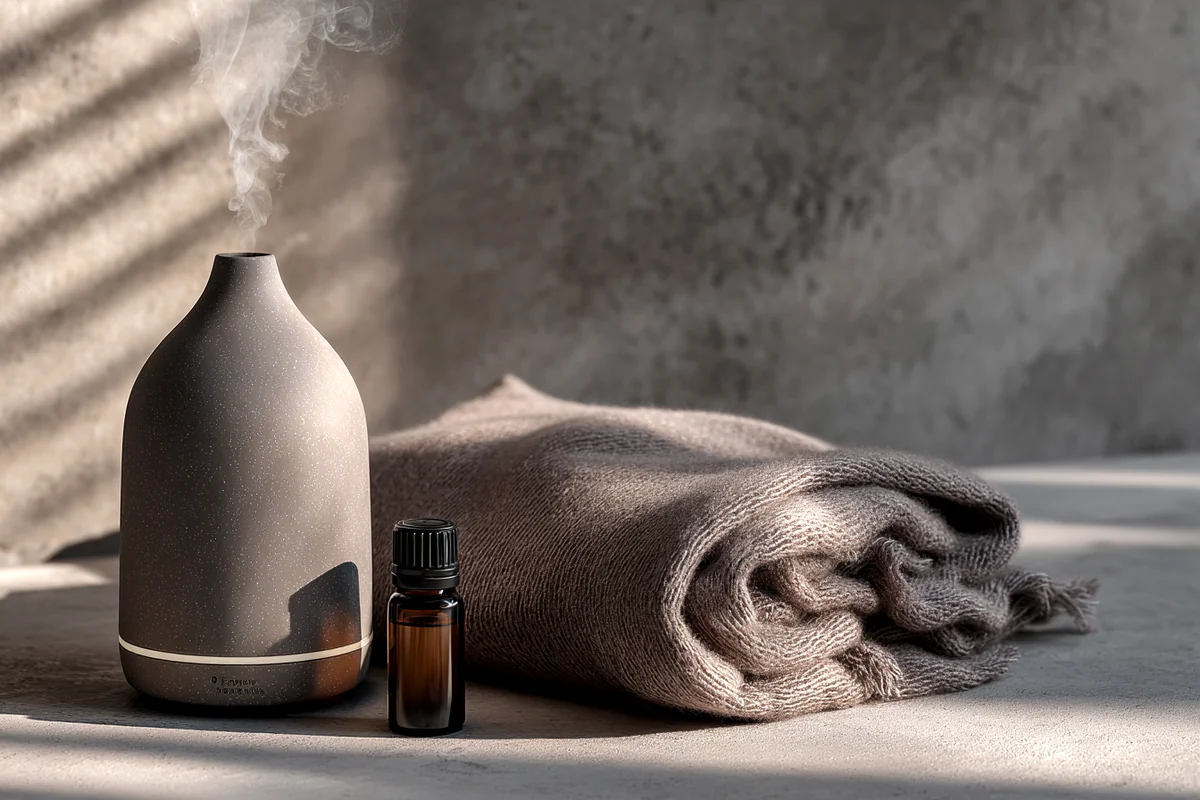
A truly immersive biophilic bedroom engages all the senses, extending beyond sight and sound to include scent and touch. ‘WHY’ these sensory details? Aromatherapy can profoundly influence mood and well-being, while tactile elements add depth and comfort, making the space feel more inviting and personal. ‘HOW’ to incorporate them thoughtfully. Introduce natural scents through an essential oil diffuser, opting for calming aromas like lavender, cedarwood, bergamot, or frankincense to promote relaxation and sleep. Avoid artificial air fresheners that can detract from the natural aesthetic. For tactile details, layer your textiles: a plush organic cotton rug underfoot, a soft linen duvet cover, a chunky knit throw draped over an armchair, and smooth silk pillowcases. Consider the feel of different surfaces – a cool stone coaster, a warm wooden side table, or a textured ceramic lamp base. Spatial arrangement allows these elements to be discovered; a diffuser tucked away on a shelf, or a soft throw invitingly placed on a lounge chair. Texture pairings here are endless: the softness of wool against the smoothness of polished stone, the gentle give of a linen cushion against the firmness of a wooden bench. These subtle, sensory layers create a deeply comforting and restorative environment, truly engaging your body and mind in the natural sanctuary you’ve created.
10. Curate Nature-Inspired Art and Decorative Elements
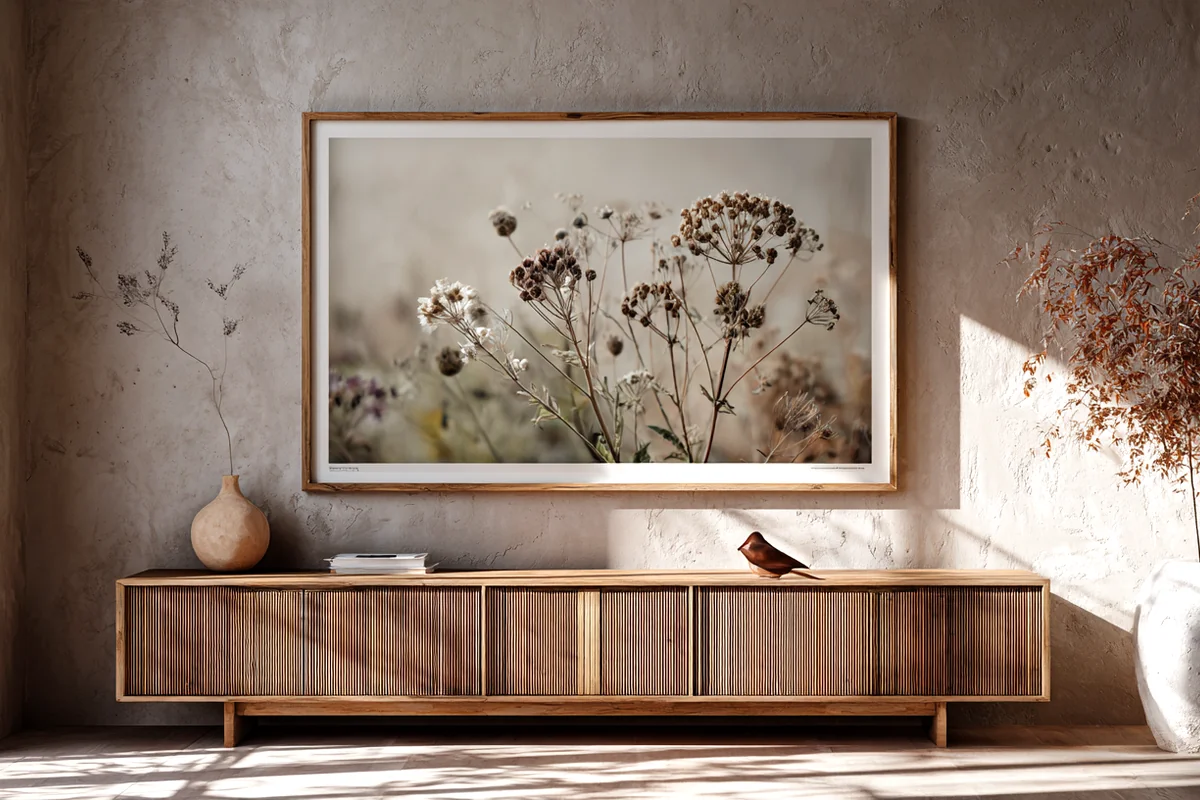
The final layer in crafting your biophilic bedroom involves curating art and decorative elements that subtly reinforce the connection to nature without overwhelming the serene aesthetic. ‘WHY’ this careful curation? It adds personality and visual interest, completing the biophilic narrative. ‘HOW’ to choose pieces involves focusing on themes and materials found in the natural world. Opt for abstract art with organic forms and earthy color palettes, or minimalist landscapes and botanical prints that evoke a sense of calm. Black and white photography of natural scenes can offer a sophisticated touch. Avoid overly busy or brightly colored pieces that might disrupt the tranquility. Handcrafted items made from natural materials – ceramic vases, wooden sculptures, woven wall hangings, or polished river stones – make excellent decorative accents. Consider a simple branch artfully placed in a tall vase. Spatial arrangement is key: a large, impactful piece above the bed, or a cluster of smaller, complementary pieces on a gallery wall. Ensure decor is sparse and intentional to maintain an uncluttered feel. Texture pairings might include a rough, unglazed ceramic vase holding delicate wildflowers, or a smooth wooden bowl displaying natural pebbles. These elements serve as gentle reminders of the natural world, enhancing the room’s overarching theme of serenity and organic beauty.
Creating a serene, naturally lit biophilic bedroom with an inviting outdoor balcony is more than just a design trend; it’s an investment in your well-being. By embracing the principles of biophilic design, you are not merely decorating a room, but cultivating a sanctuary that nurtures your mind, body, and spirit. We’ve explored how to harness the transformative power of natural light, infuse your space with a calming, earthy color palette, and breathe life into it with thoughtfully chosen living greenery. From the rich, grounding textures of organic materials to the seamless flow between your indoor haven and private outdoor oasis, every element plays a crucial role in fostering a profound connection to nature. Remember, the goal is to create a space that feels like a natural extension of yourself – restorative, authentic, and utterly tranquil. By mindfully selecting furniture, engaging your senses with subtle water features, natural sounds, and evocative aromatherapy, and curating nature-inspired art, you are crafting an environment that actively promotes relaxation, reduces stress, and encourages restorative sleep. This isn’t just about aesthetics; it’s about transforming your daily experience and fostering a deeper appreciation for the beauty of the natural world. So, take these insights, let your creativity flourish, and begin the inspiring journey of transforming your bedroom into the ultimate biophilic retreat. Your serene sanctuary awaits.