Unlock Serenity: 10 Modern Organic Design Secrets for Seamless Indoor-Outdoor Living
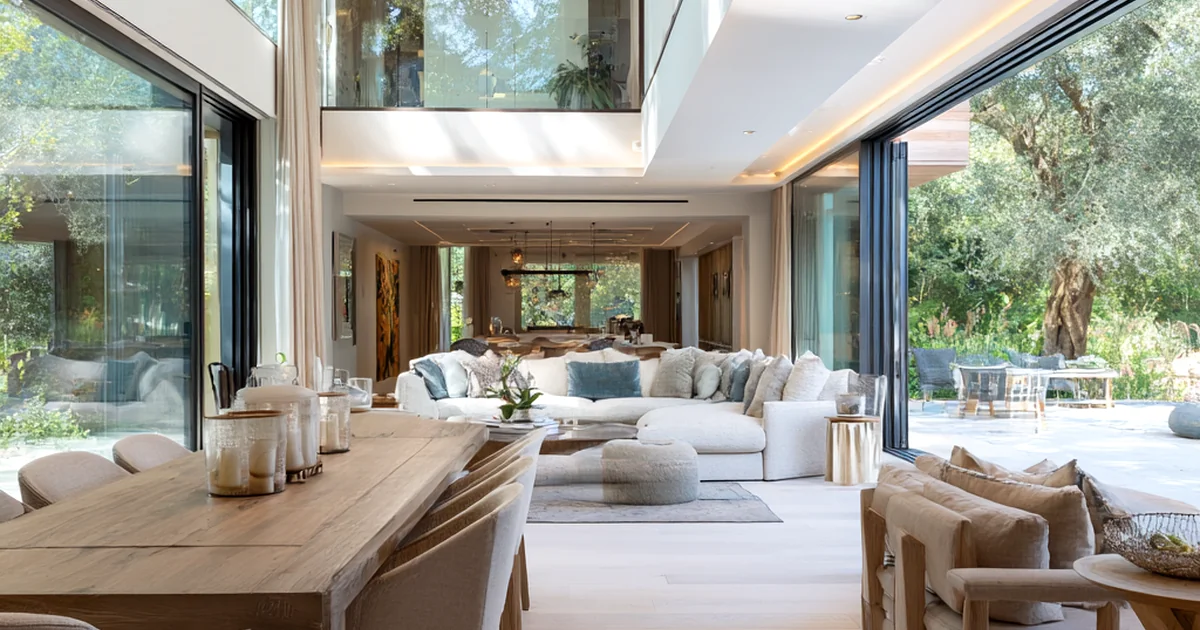
Imagine a space where the boundaries between your home and the natural world simply melt away. A living and dining area that breathes, inviting sunlight, fresh air, and the calming presence of nature directly into your daily life. This isn’t just a dream; it’s the essence of modern organic design, meticulously crafted for an unparalleled indoor-outdoor living experience. In today’s fast-paced world, our homes have become more than just shelters – they are sanctuaries, extensions of our well-being, and vital hubs for connection. This article delves into the profound philosophy behind creating an expansive open-plan living and dining area that epitomizes tranquility, functionality, and breathtaking beauty. Our design philosophy is rooted in blending the clean lines and functionality of contemporary design with the warmth, textures, and inherent imperfection of nature. We embrace a ‘Modern Organic’ aesthetic, characterized by a harmonious balance between refined minimalism and raw, earthy elements. This is beautifully complemented by a ‘Biophilic’ approach, which prioritizes our innate human connection to nature, integrating natural light, plant life, and organic forms to foster a sense of calm and rejuvenation. Furthermore, we weave in elements of ‘Contemporary Classic’ style, ensuring timeless elegance and sophisticated comfort that transcends fleeting trends. The entire vision is unified by a ‘Serene Neutrals’ palette, creating a calming, sophisticated backdrop that allows the natural textures and the outdoor landscape to truly shine. This comprehensive guide will equip you with 10 transformative secrets to design an open-plan living and dining space that not only looks stunning but also elevates your quality of life. From mastering invisible thresholds to curating biophilic elements and selecting the perfect natural textures, you’ll discover how to create a fluid, inviting environment that seamlessly extends your living experience from indoors to out. Prepare to learn practical styling advice, understand the power of spatial arrangement, and uncover the magic of texture pairings that will turn your home into a sophisticated, nature-infused oasis designed for ultimate relaxation and effortless entertaining.
1. The Art of Invisible Thresholds: Seamless Indoor-Outdoor Flow
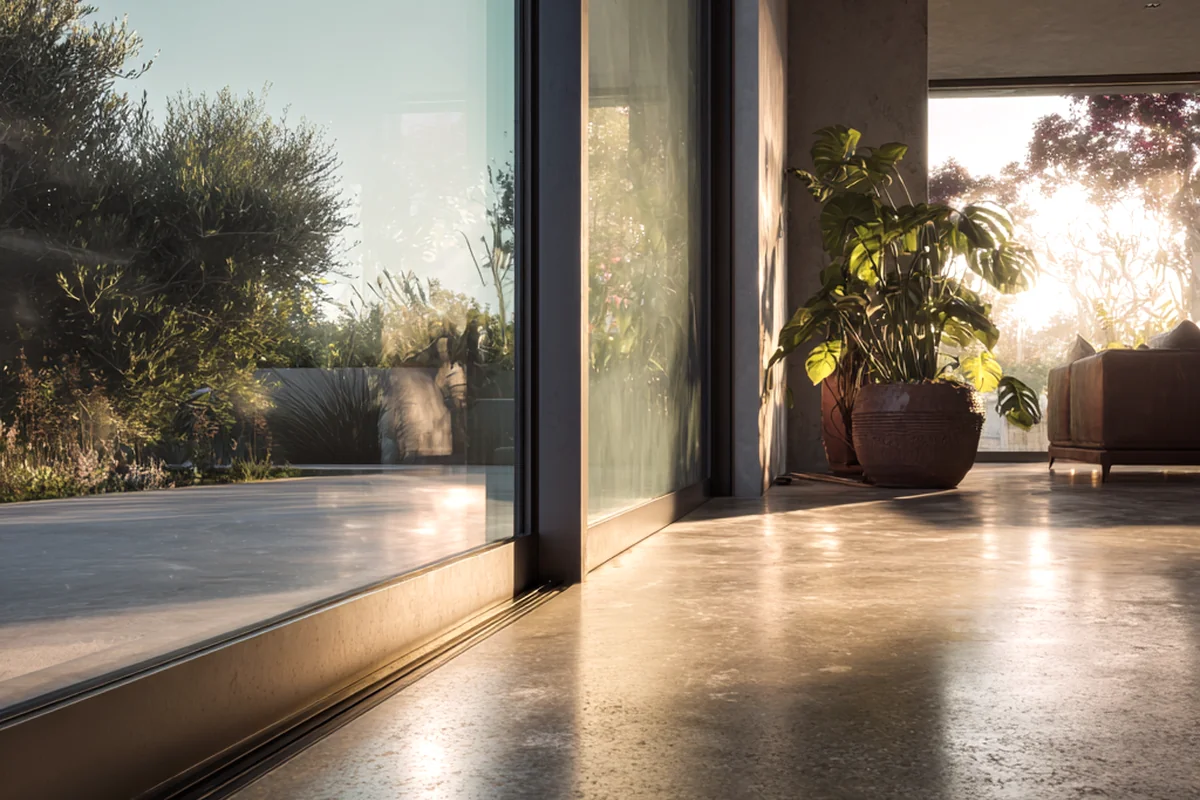
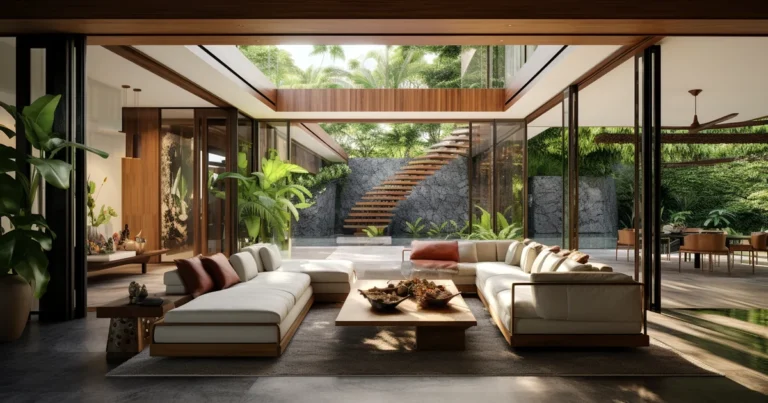
The cornerstone of true indoor-outdoor living lies in dissolving the physical barriers between your interior and exterior spaces. This isn’t merely about having large doors; it’s about achieving an ‘invisible threshold’ that creates a truly continuous flow. Opt for expansive, multi-panel sliding or bifold doors that disappear completely, or pocket doors that recede into walls, leaving an unobstructed opening. Crucially, ensure the interior and exterior floor levels are flush, eliminating any steps or raised sills. This architectural decision is pivotal for both aesthetic fluidity and practical accessibility, making the transition feel effortless and natural. Imagine walking from your living room directly onto your patio without a single interruption, creating a vast, integrated entertaining space. Material continuity further enhances this seamlessness. Consider extending your indoor flooring material – perhaps a large-format natural stone tile or durable engineered wood – directly onto your covered outdoor area. This visual echo tricks the eye, making the two zones feel like one expansive room. If different materials are necessary, choose complementary textures and tones, such as a concrete-look tile indoors transitioning to natural stone pavers outdoors, maintaining a cohesive serene neutrals palette. The goal is to blur the line so effectively that your open-plan living and dining area feels twice its size, benefiting from enhanced natural light and ventilation, and offering panoramic views of your garden or landscape. This strategic integration is fundamental to the modern organic ethos, allowing the outside world to become an integral part of your home’s interior narrative.
2. The Serene Neutrals Palette: A Foundation of Calm and Sophistication
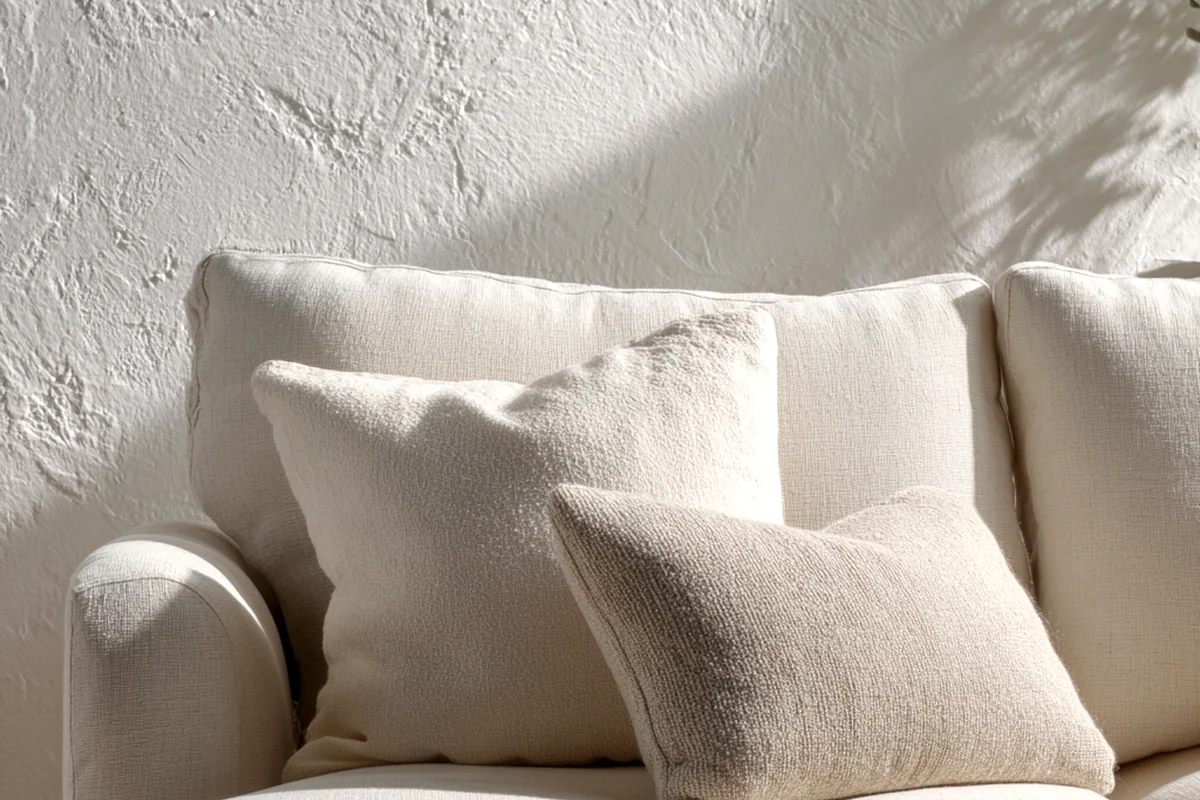
A serene neutrals palette is the bedrock of a Modern Organic, Biophilic, and Contemporary Classic aesthetic, providing a calming and sophisticated backdrop that allows natural textures and outdoor views to take center stage. Far from being bland, a well-executed neutral scheme is rich in subtle variation and depth. Begin with a base of soft whites, warm greiges, or creamy off-whites for walls, creating an airy and expansive feel. Layer in deeper, earthy tones through upholstery, rugs, and accent pieces – think muted taupes, warm sand, soft charcoal, and a whisper of sage green. The key is to select neutrals with undertones that harmonize. For instance, pair cool-toned greys with crisp whites for a more contemporary classic edge, or warm beige with creamy whites for a cozier, organic feel. Introduce texture within this palette: a linen sofa in a flaxen hue, a wool rug in a mottled grey, or ceramic vases in varying shades of cream. These tactile elements prevent the space from feeling flat, adding visual interest and sensory richness. For example, a living area might feature a large sectional in a performance fabric greige, complemented by scatter cushions in creamy bouclé and a throw in a charcoal knit. The dining area could echo this with chairs upholstered in a lighter natural linen, set against a warm wood table. This thoughtful layering of serene neutrals creates an enveloping sense of peace and enduring elegance, allowing the ever-changing light and the vibrant greens from outside to provide the dynamic pops of color.
3. Embracing Nature’s Textures: Tactile Richness and Organic Warmth
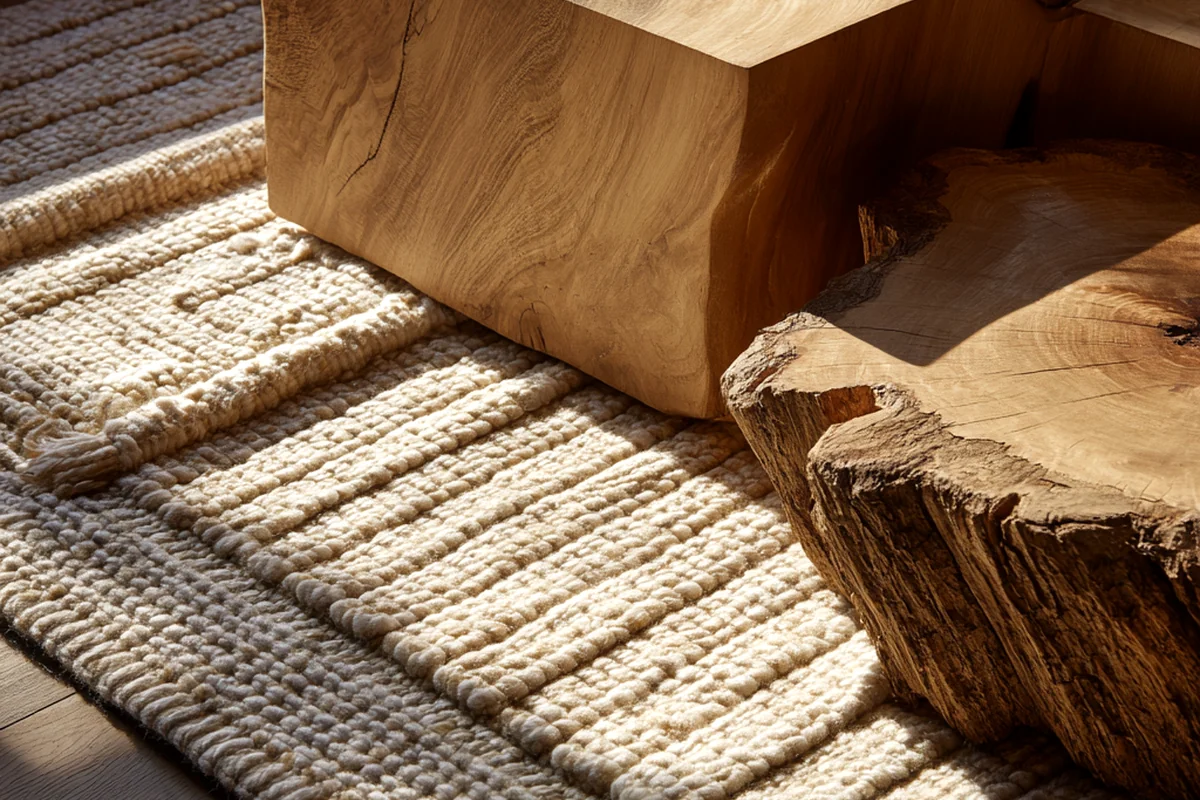
To truly embody Modern Organic design, a deliberate embrace of natural textures is paramount. These elements introduce an innate warmth, tactile richness, and a grounding connection to the earth that synthetic materials simply cannot replicate. Think beyond just wood; incorporate a diverse range of organic materials throughout your open-plan living and dining area. Start with furniture: a solid oak dining table with a live edge, a rattan armoire, or side tables crafted from reclaimed wood. These pieces not only serve their function but also act as sculptural statements, celebrating the inherent beauty of their origins. For upholstery, choose breathable, natural fibers like linen, organic cotton, and wool. A large sectional sofa in a textured linen instantly adds a casual elegance, while a chunky wool throw draped over an armchair invites comfort. Area rugs, especially those made from jute, sisal, or hand-knotted wool, anchor zones and introduce another layer of natural texture underfoot. Walls can be enhanced with subtle texture too, perhaps a limewash paint finish that mimics the organic irregularities of stone, or even strategically placed stone cladding on a feature wall. Even smaller details matter: handcrafted ceramic vases, woven baskets for storage, and artisanal wooden bowls all contribute to the overall tactile experience. The interplay of smooth wood grains, rough stone, soft textiles, and delicate weaves creates a multi-sensory environment that is both visually engaging and profoundly calming, reinforcing the biophilic connection at every touchpoint.
4. Biophilic Design: Bringing the Outdoors In with Living Elements
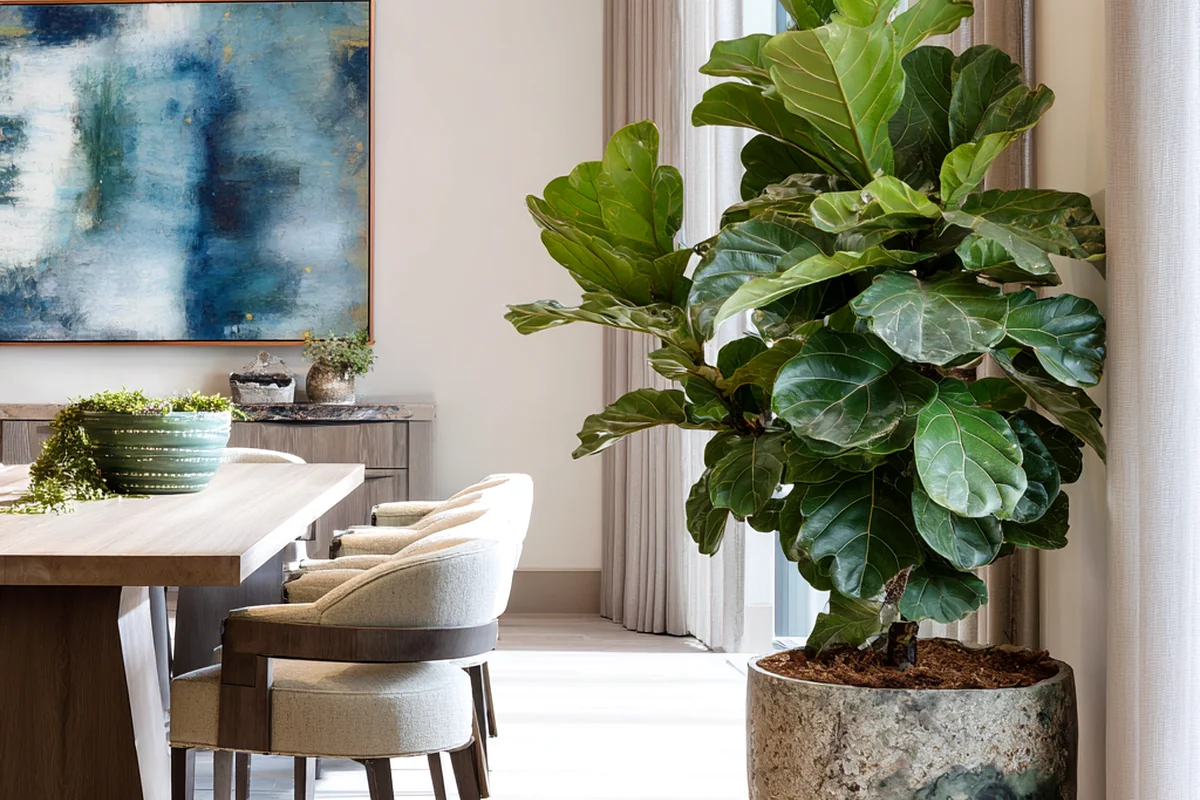
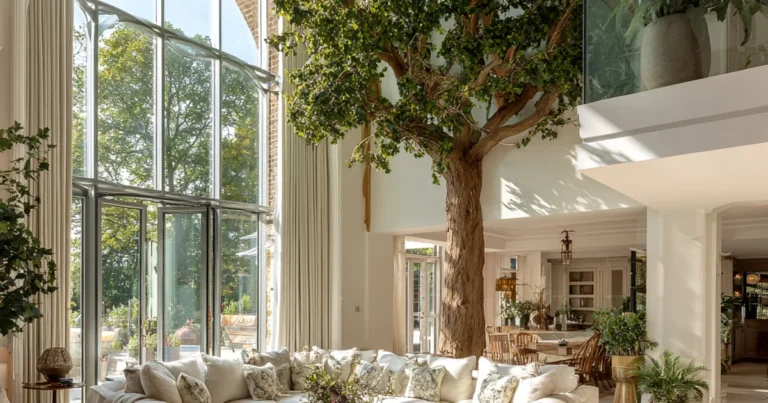
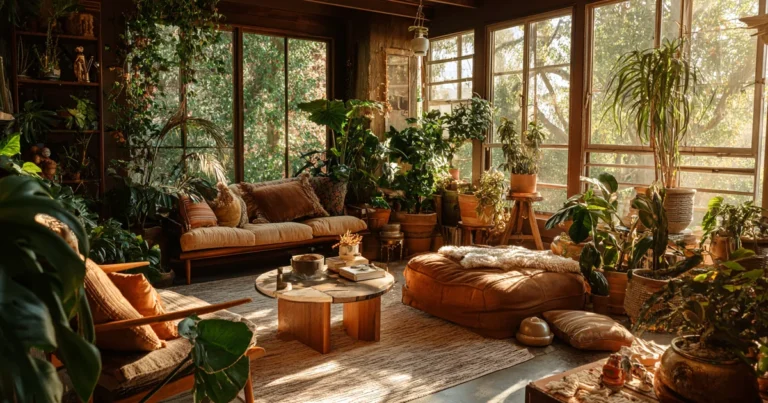
Biophilic design is the art of integrating nature into our built environments, fostering well-being, reducing stress, and enhancing cognitive function. In an open-plan indoor-outdoor space, this means far more than just a few potted plants. Start with maximizing natural light and views; large windows and glass doors are crucial, but also consider strategically placed mirrors to reflect light and outdoor vistas deeper into the space. Introduce an abundance of living plants, choosing a variety of sizes and species to create visual interest. Large, sculptural plants like Ficus Lyrata or Strelitzia Nicolai can define corners, while trailing Pothos or Philodendrons can soften shelving units. Consider a vertical garden or a living wall if space allows, transforming a plain wall into a vibrant, breathing art piece. Beyond just greenery, think about the subtle biophilic elements: a small tabletop water feature can introduce the soothing sound of trickling water, while natural wood accents and stone elements (as discussed in textures) directly link to the outdoor landscape. Ensure good indoor air quality through proper ventilation and air-purifying plants. Even artwork can contribute; select pieces that depict natural scenes, abstract interpretations of landscapes, or botanical illustrations. The continuous presence of these living elements and natural motifs within your open-plan living and dining area will create a restorative atmosphere, making the space feel vibrant, alive, and deeply connected to the rhythm of the natural world, perfectly aligning with a modern organic aesthetic.
5. Defining Zones with Intent: Spatial Harmony in Open-Plan Layouts
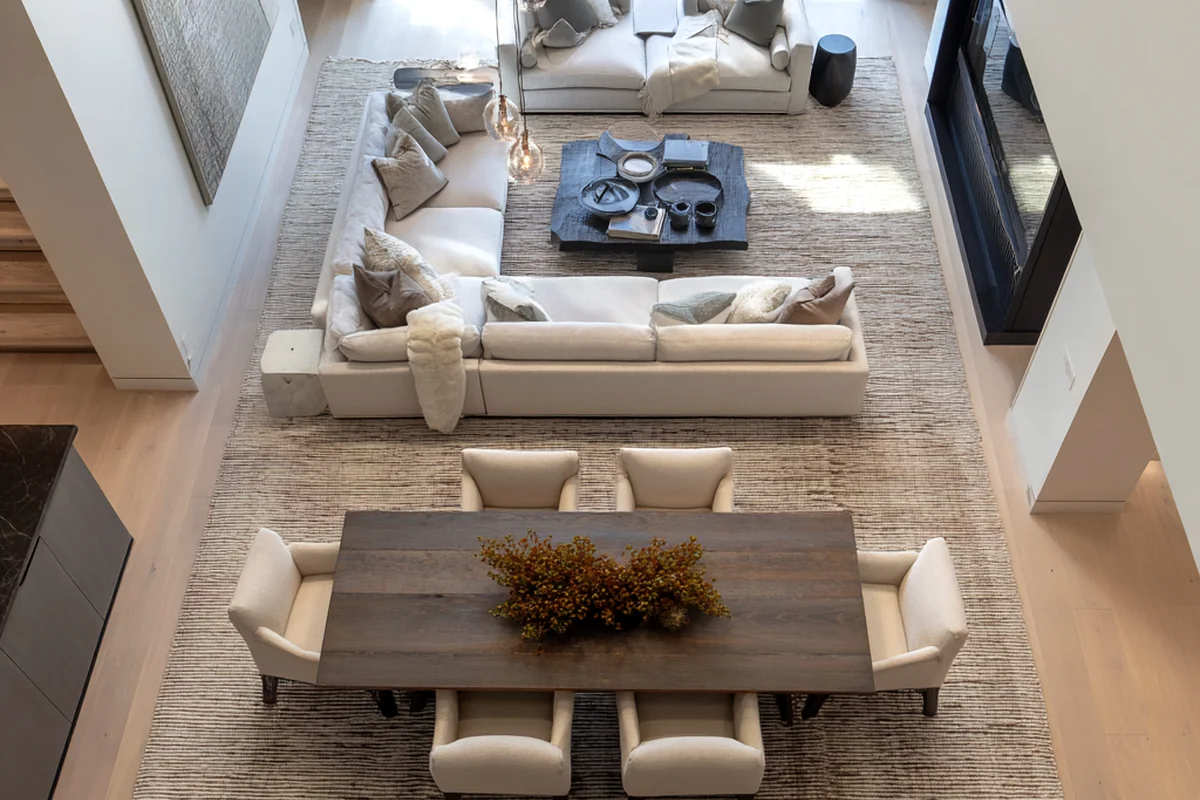
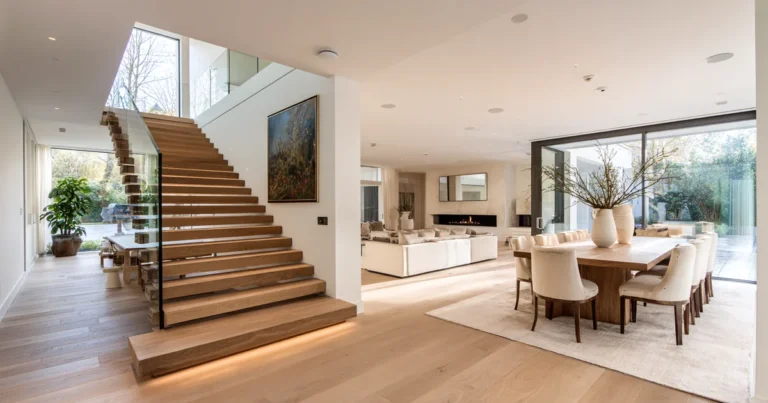
An expansive open-plan living and dining area, while offering incredible freedom and light, requires thoughtful spatial planning to avoid feeling cavernous or undefined. The key is to create distinct, yet harmonious, zones that serve specific functions without erecting physical barriers. Furniture arrangement is your most powerful tool here. In the living area, anchor your main seating arrangement – a large sectional or a pair of sofas – around a central focal point like a coffee table or a fireplace. A substantial area rug is essential for delineating this zone, grounding the furniture and adding warmth and texture. Transitioning to the dining area, a large dining table and chairs naturally form another distinct zone. Position it to benefit from natural light and outdoor views, perhaps near the seamless glass doors. Here, a different style of rug (if desired) or a unique pendant light fixture can further emphasize its separate function. Beyond large furniture, consider low-level, open shelving units or console tables that can act as subtle visual dividers without blocking light or flow. For instance, a long, low console table behind a sofa can mark the boundary between the living space and a walkway, or a double-sided fireplace can serve as a stunning divider. Ensure clear pathways between zones, maintaining an effortless flow that encourages movement and interaction while respecting individual functional areas. This intentional zoning strategy is crucial for creating a sophisticated and highly functional open-plan space that feels both expansive and intimately inviting, embodying contemporary classic principles.
6. Illuminating Serenity: Layered Lighting Strategies for Mood and Function
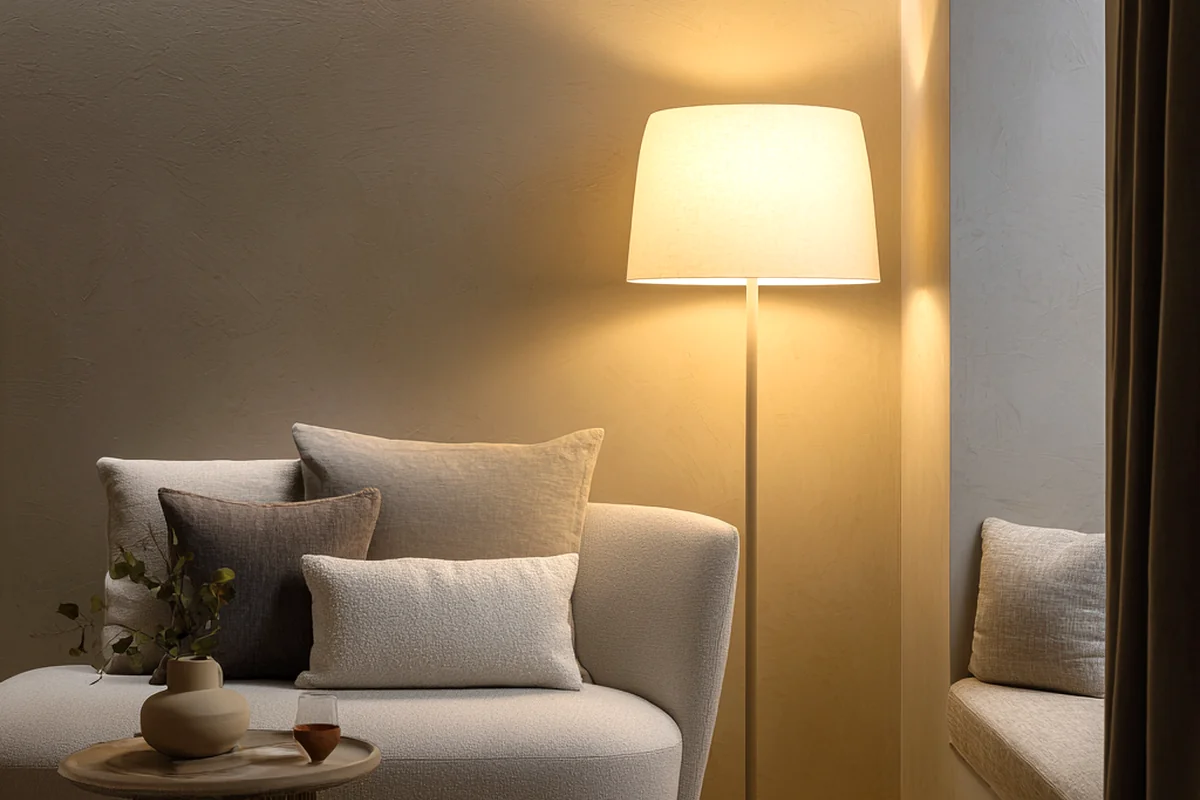
Lighting is a critical, yet often underestimated, element in creating a truly serene and functional open-plan living and dining area, especially when aiming for indoor-outdoor harmony. The strategy should involve layering different types of light to cater to various moods and tasks throughout the day and evening. Begin by maximizing natural light: ensure window treatments are minimal or easily retractable to allow abundant daylight to flood the space, enhancing the biophilic connection. For artificial lighting, start with ambient light – recessed ceiling lights on dimmers, or cove lighting, provide a soft, overall glow that mimics natural light and ensures the space never feels dark or shadowy. Next, introduce task lighting. Over the dining table, a sculptural pendant light (or a pair) not only provides essential illumination for meals but also serves as a stylish focal point, further defining the dining zone. In the living area, floor lamps and table lamps offer focused light for reading or conversation, adding warmth and intimacy. Finally, accent lighting highlights specific features: uplights on indoor plants, picture lights for artwork, or subtle LED strips under shelving can create dramatic effects and draw attention to curated details. All artificial lights should be on dimmers, allowing you to seamlessly transition the mood from bright and energizing during the day to soft and intimate in the evening. Opt for warm white light temperatures (2700K-3000K) to enhance the serene neutrals palette and foster a cozy, inviting atmosphere, perfectly complementing the modern organic aesthetic.
7. Organic Forms and Fluid Lines: Softening the Modern Edge
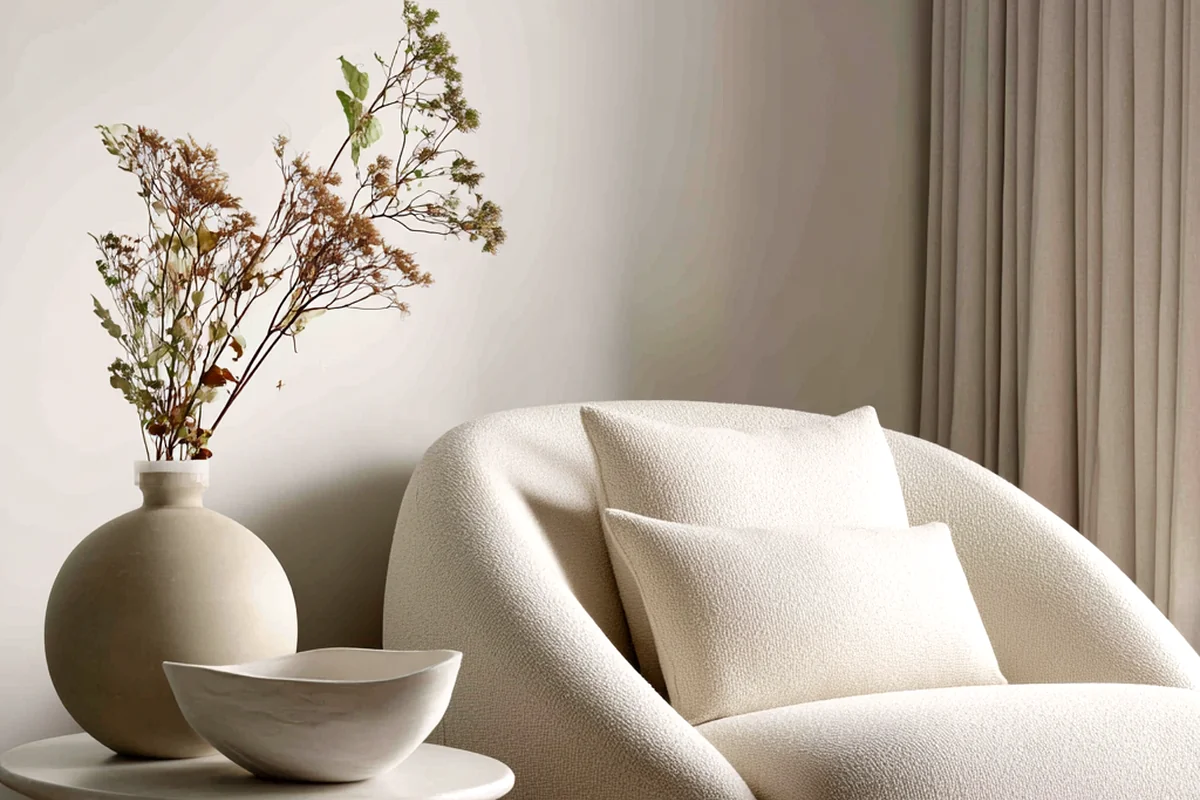
While modern design often favors sharp angles and clean lines, the ‘Modern Organic’ aesthetic intentionally softens this rigidity with the introduction of organic forms and fluid lines. This approach creates a more comfortable, inviting, and naturally harmonious environment, echoing the gentle curves found in nature. When selecting furniture and decor for your open-plan living and dining area, look for pieces with rounded edges, soft contours, and sculptural silhouettes. A large, plush sofa with gracefully curved arms or a chaise component can instantly make a living space feel more approachable and less stark. In the dining area, consider a round or oval dining table. These shapes naturally encourage conversation and soften the visual impact compared to a rectangular table, especially in an open setting. Pair it with chairs that feature ergonomic curves or rounded backrests. Beyond primary furniture, incorporate accent pieces like a coffee table with an irregularly shaped top, sculptural ceramic vases, or abstract art that features flowing lines. Even lighting fixtures can contribute, with pendants that have organic, free-form shades made from natural materials. The interplay of these gentle, naturalistic shapes with the otherwise clean lines of the architecture prevents the space from feeling overly structured or cold. It injects a sense of organic movement and subtle artistry, fostering a serene and comfortable atmosphere that is both sophisticated and deeply connected to the natural world, enhancing the biophilic experience.
8. The Outdoor Extension: A True Al Fresco Experience
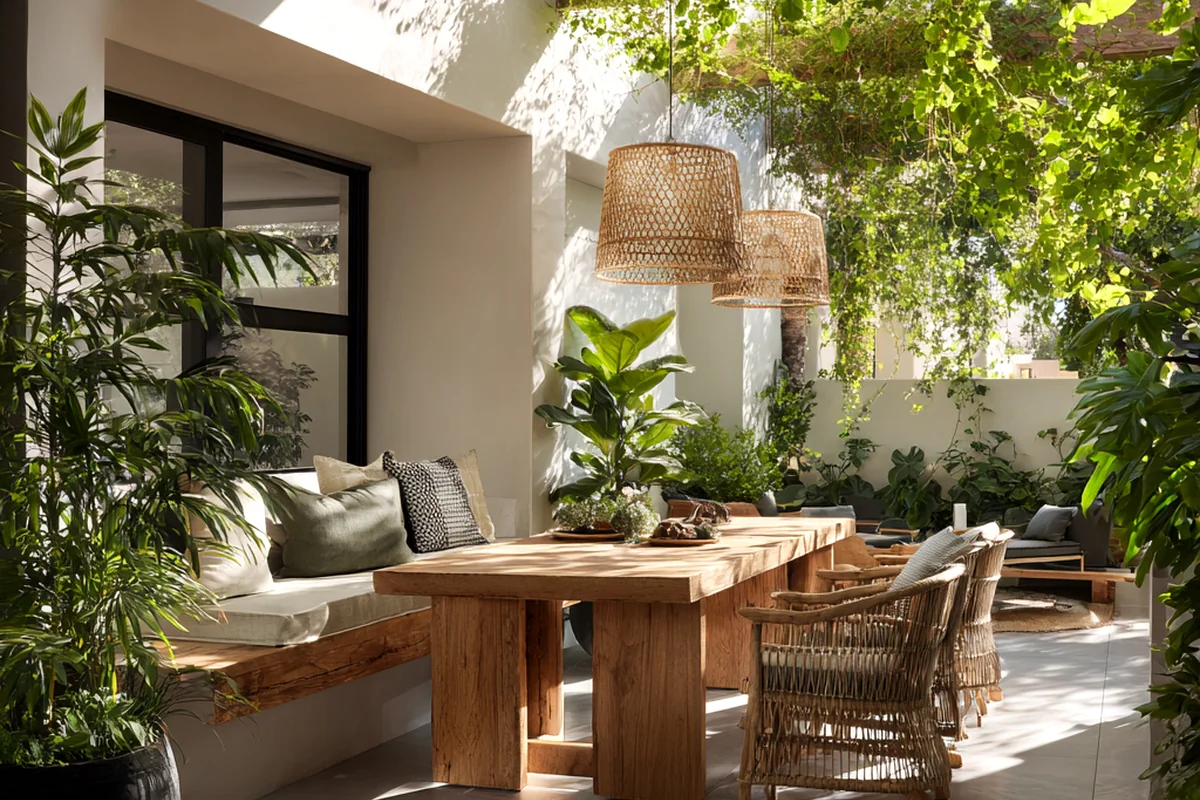
For a truly seamless indoor-outdoor living experience, the exterior space must be designed as a genuine extension of your interior. This means creating an ‘outdoor living room’ and ‘al fresco dining area’ that mirrors the style, comfort, and functionality of its indoor counterpart. Begin by selecting outdoor furniture that complements your interior’s Modern Organic, Contemporary Classic, and Serene Neutrals aesthetic. Opt for durable, weather-resistant materials like teak, powder-coated aluminum, or all-weather wicker in neutral tones such as greys, whites, or earthy browns. Ensure cushions are plush and upholstered in fade-resistant outdoor fabrics that echo your indoor color scheme. Define the outdoor living zone with an outdoor rug, creating a cozy anchor for a comfortable sofa and armchairs. For the dining area, choose an outdoor dining table and chairs that can comfortably host gatherings, perhaps under a pergola or retractable awning for shade. Integrate thoughtful lighting, such as string lights, solar-powered lanterns, or even an outdoor floor lamp, to extend usability into the evening. Don’t forget biophilic elements: strategically placed planters with lush greenery, fragrant herbs, or even a small water feature can enhance the natural ambiance. Consider a fire pit for warmth and ambiance, or an outdoor kitchen for ultimate entertaining. By giving as much attention to the outdoor styling as you do to the interior, you create a cohesive, functional, and beautiful al fresco zone that truly completes the indoor-outdoor living narrative, maximizing your home’s usable footprint and connection to nature.
9. Curated Simplicity: Art and Decor with Purpose
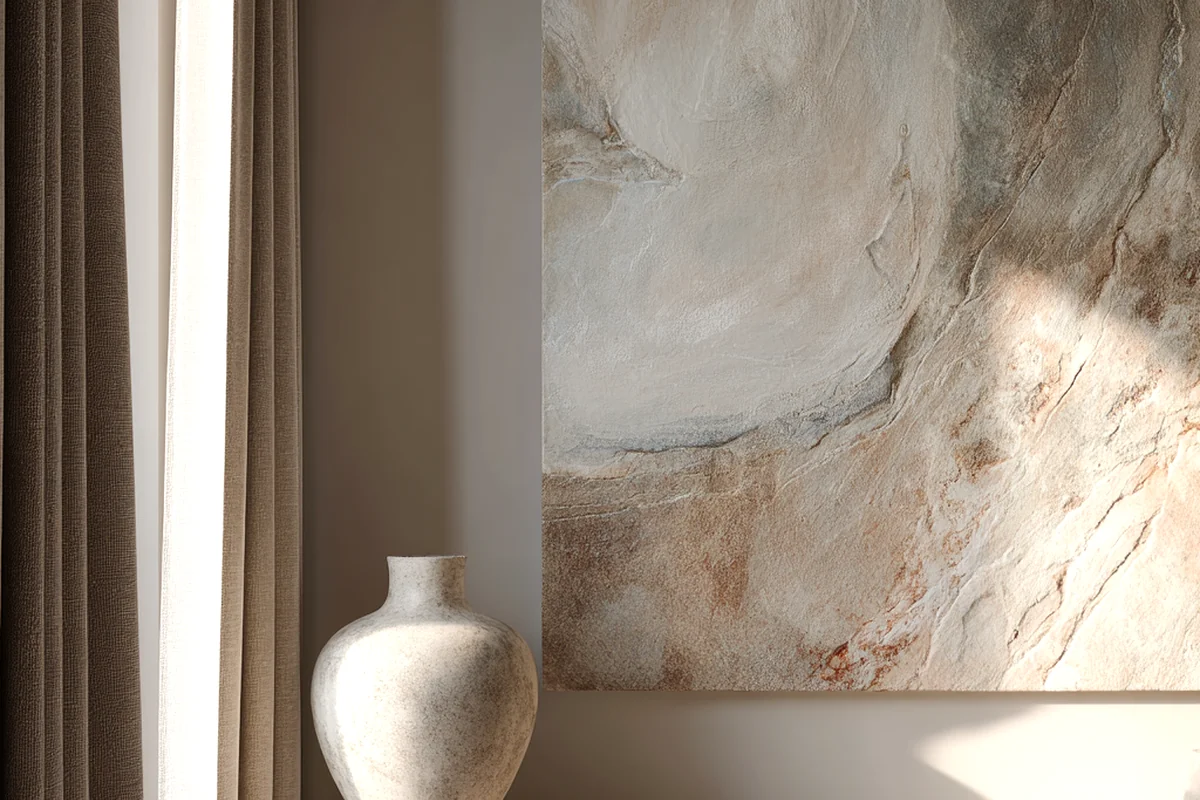
In a Modern Organic, Biophilic, and Serene Neutrals space, art and decor are not about clutter but about curated simplicity and thoughtful purpose. Every piece should contribute to the calm, natural aesthetic, rather than detract from it. Instead of a multitude of small items, focus on a few impactful pieces that resonate with the design philosophy. For artwork, lean towards naturalistic themes: abstract pieces with earthy tones and organic shapes, landscapes that evoke a sense of peace, or botanical prints that reinforce the biophilic connection. Large-scale art can serve as a powerful focal point, drawing the eye without overwhelming the space. Consider a striking piece over the sofa or a gallery wall featuring harmonious natural elements. Decorative objects should follow suit. Handcrafted ceramics with earthy glazes, sculptural wooden bowls, smooth river stones arranged thoughtfully, or artisanal woven baskets add texture and interest without introducing visual noise. Avoid overly ornate or brightly colored pieces; instead, let the inherent beauty of natural materials shine through. Books, when displayed, can be arranged by color or simply faced inwards to maintain a clean aesthetic. Textiles like throw blankets and cushions, while adding comfort, should remain within the serene neutrals palette, perhaps with subtle patterns or varying textures. The goal is to create visual calm, allowing the spaciousness and the connection to the outdoors to be the primary focus, while each chosen decorative element adds a layer of understated elegance and personal reflection, aligning perfectly with a contemporary classic approach.
10. Seamless Storage Solutions: Preserving Visual Calm and Functionality
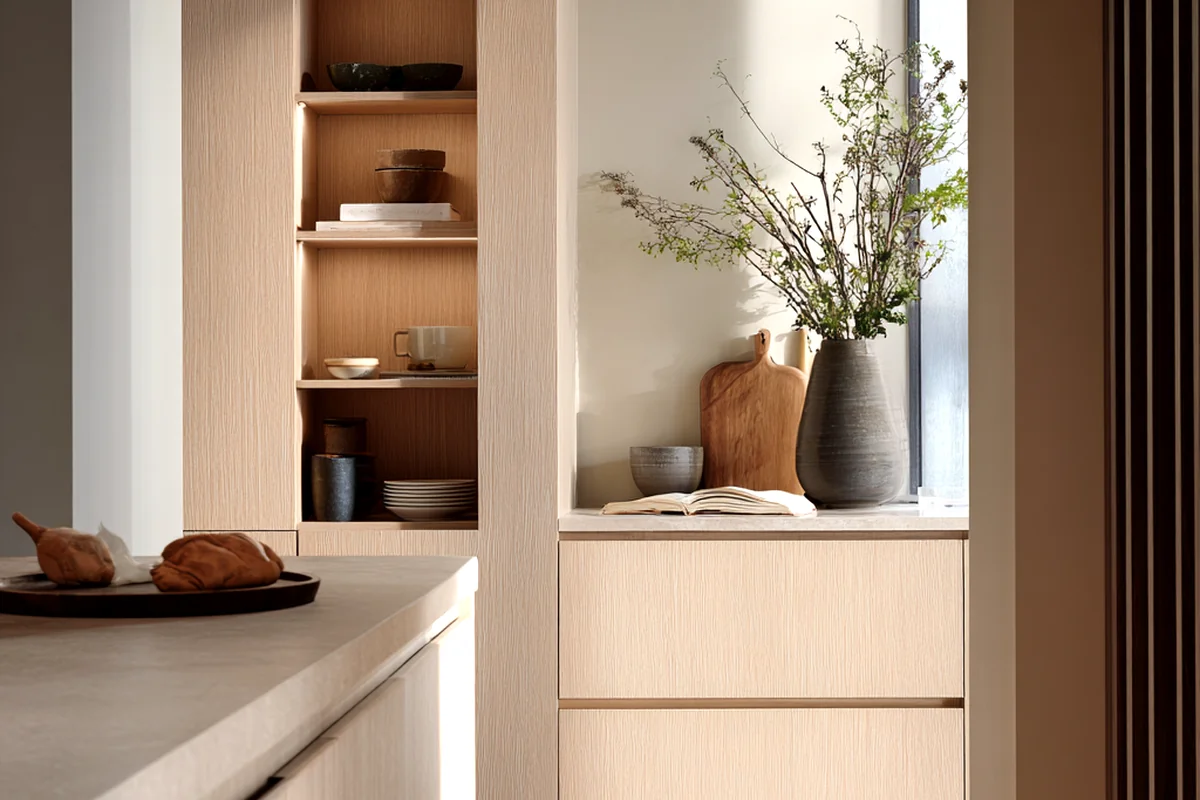
In an open-plan living and dining area, maintaining a sense of serenity and expansive calm is paramount, and clutter is the enemy of tranquility. This makes seamless, integrated storage solutions absolutely essential. The goal is to provide ample storage without it visually dominating the space or disrupting the fluid aesthetic. Built-in cabinetry is an ideal choice, offering custom solutions that blend seamlessly with your walls, often appearing as architectural features rather than standalone furniture. Consider a long, low console unit or media cabinet that extends along a wall in the living area, providing hidden storage for electronics, books, and everyday items. Opt for handle-less designs or integrated pulls for a sleek, contemporary classic look. In the dining area, a built-in buffet or side cabinet can store dinnerware, linens, and serving pieces, keeping surfaces clear for entertaining. Open shelving can be incorporated strategically to display curated decorative items or a small collection of books, but ensure these displays are minimal and purposeful to avoid visual clutter. Multi-functional furniture also plays a key role: an ottoman with hidden storage, a coffee table with drawers, or a bench with a lift-top seat. Think about vertical storage where appropriate, such as tall, narrow cupboards or recessed niches that disappear into the wall. By meticulously planning and integrating clever storage throughout your open-plan space, you ensure every item has its place, preserving the clean lines, the serene neutrals palette, and the overall sense of calm and order that defines a truly modern organic and biophilic home.
Crafting an expansive open-plan living and dining area that embraces indoor-outdoor living with a Modern Organic, Biophilic, Contemporary Classic, and Serene Neutrals aesthetic is more than just a design project; it’s an investment in your well-being and lifestyle. By meticulously weaving together the ten secrets we’ve explored, you’re not merely decorating a space, but curating an experience – a personal sanctuary where the demands of modern life fade, replaced by a profound connection to nature and a sense of enduring calm. From the architectural fluidity of invisible thresholds to the grounding power of natural textures, the restorative embrace of biophilic elements, and the sophisticated harmony of a serene neutrals palette, each design choice contributes to a cohesive vision. This isn’t about following trends, but about creating a timeless, functional, and deeply inviting environment that adapts to your needs and enhances every moment, whether you’re hosting a lively gathering or enjoying a quiet morning coffee. The continuous flow, the curated simplicity, and the celebration of natural light and materials combine to elevate your home from mere structure to a living, breathing extension of your best self. Embrace this transformative design journey, and unlock the unparalleled serenity and effortless elegance that a truly integrated indoor-outdoor oasis can offer. Your peaceful, nature-infused haven awaits.