10 Secrets to Designing a Breathtaking Open-Plan Living Space with a Grand Staircase
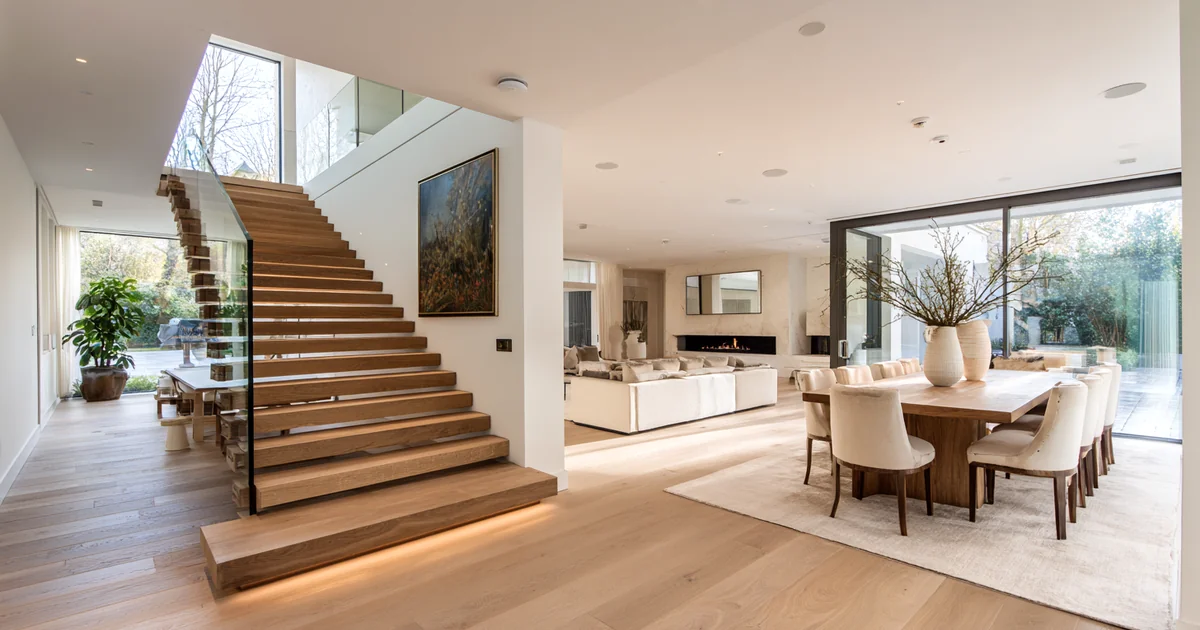
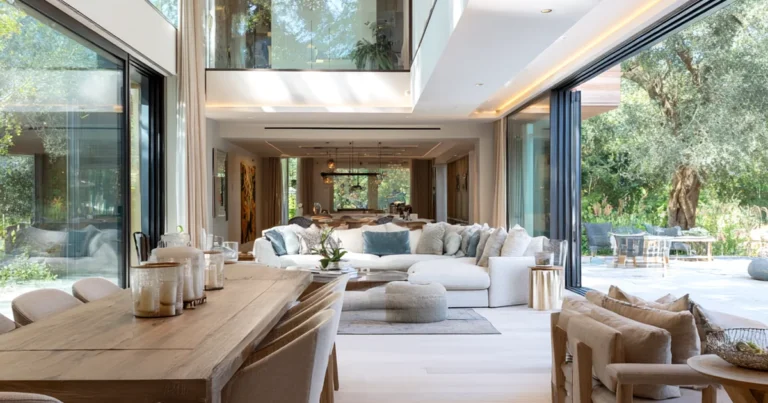
Imagine stepping into a home where light cascades through expansive windows, illuminating a seamless flow between living and dining, all anchored by the majestic presence of a grand staircase. This isn’t just a dream; it’s the essence of modern luxury, perfectly captured through the Warm Transitional Botanical design philosophy. In an era where connection and tranquility are paramount, open-plan living has become the cornerstone of contemporary homes, offering unparalleled spatial freedom and a sense of expansive serenity. When augmented by a grand staircase, it transforms from merely functional to a magnificent architectural statement, a central artery that elevates the entire aesthetic. Our chosen style, Warm Transitional Botanical, is a harmonious blend designed to evoke comfort, sophistication, and a deep connection to the natural world. ‘Warm’ speaks to the inviting color palettes, rich textures, and soft lighting that create an intimate, cozy atmosphere even within a large open space. ‘Transitional’ refers to the artful balance between classic elegance and modern simplicity—clean lines meet timeless forms, avoiding the starkness of pure contemporary or the fussiness of traditional. Finally, ‘Botanical’ infuses the design with organic elements, live plants, natural patterns, and materials that celebrate nature’s beauty, bringing the outside in and fostering a sense of calm and rejuvenation. This article is your comprehensive guide to mastering this complex yet rewarding design challenge. We will delve into practical strategies for harmonizing an open layout with the dramatic presence of a grand staircase, while saturating the space with abundant natural light and infusing it with botanical charm. You’ll discover how to define zones without sacrificing flow, select furniture that balances grandeur with comfort, choose lighting that enhances mood and function, and incorporate natural textures and living elements that breathe life into every corner. Prepare to unlock the full potential of your open-plan living and dining area, transforming it into a cohesive, elegant, and deeply inviting sanctuary that truly reflects the Warm Transitional Botanical ideal.
1. Mastering the Flow: Defining Zones in Open-Plan Living
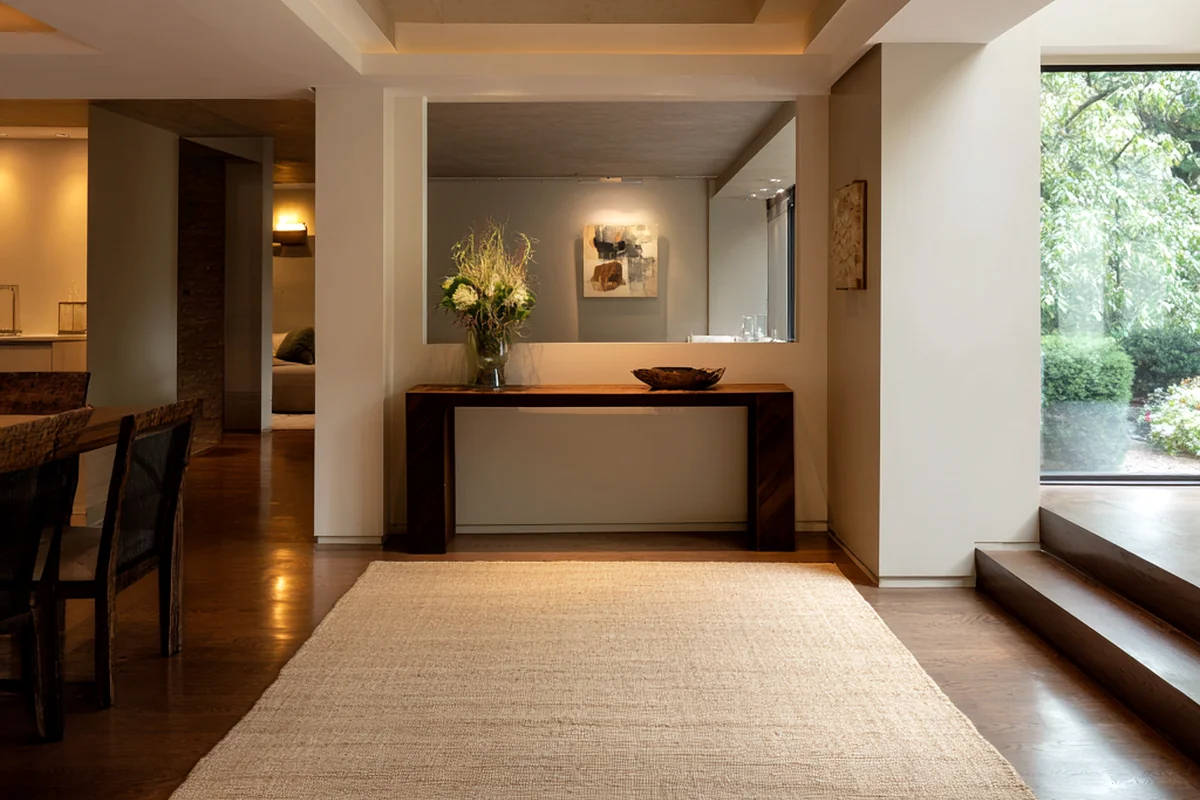
The beauty of an open-plan living and dining area lies in its expansive feel, but without careful planning, it can feel undefined and chaotic. The key to success in a Warm Transitional Botanical space is to create distinct zones that serve different functions while maintaining a seamless, cohesive flow. Begin by strategically placing large area rugs to anchor each zone—a plush, natural fiber rug for the living area and a slightly more durable, perhaps patterned, rug for the dining space. Furniture arrangement is paramount: use the back of a sofa or a console table to subtly delineate the living area from the dining space without erecting physical barriers. Consider a low, open bookshelf or a beautiful console table placed perpendicular to the flow to provide a gentle visual break, offering both storage and display opportunities for botanical elements. For a truly transitional feel, ensure furniture styles complement each other across zones, utilizing a consistent leg style or wood finish. For instance, if your dining chairs feature a refined spindle back, echo that elegance in the living room with occasional chairs that have a similar delicate profile. Spatial arrangement should always prioritize clear pathways, allowing for effortless movement between areas and towards the grand staircase. Think about sightlines; can you see a beautiful botanical arrangement or a piece of art from multiple vantage points? This deliberate placement ensures each zone feels intentional and inviting, rather than merely a collection of furniture. The goal is a visual conversation between spaces, where each area invites exploration while clearly articulating its purpose within the broader open environment.
2. The Grand Staircase: An Architectural Statement and Focal Point
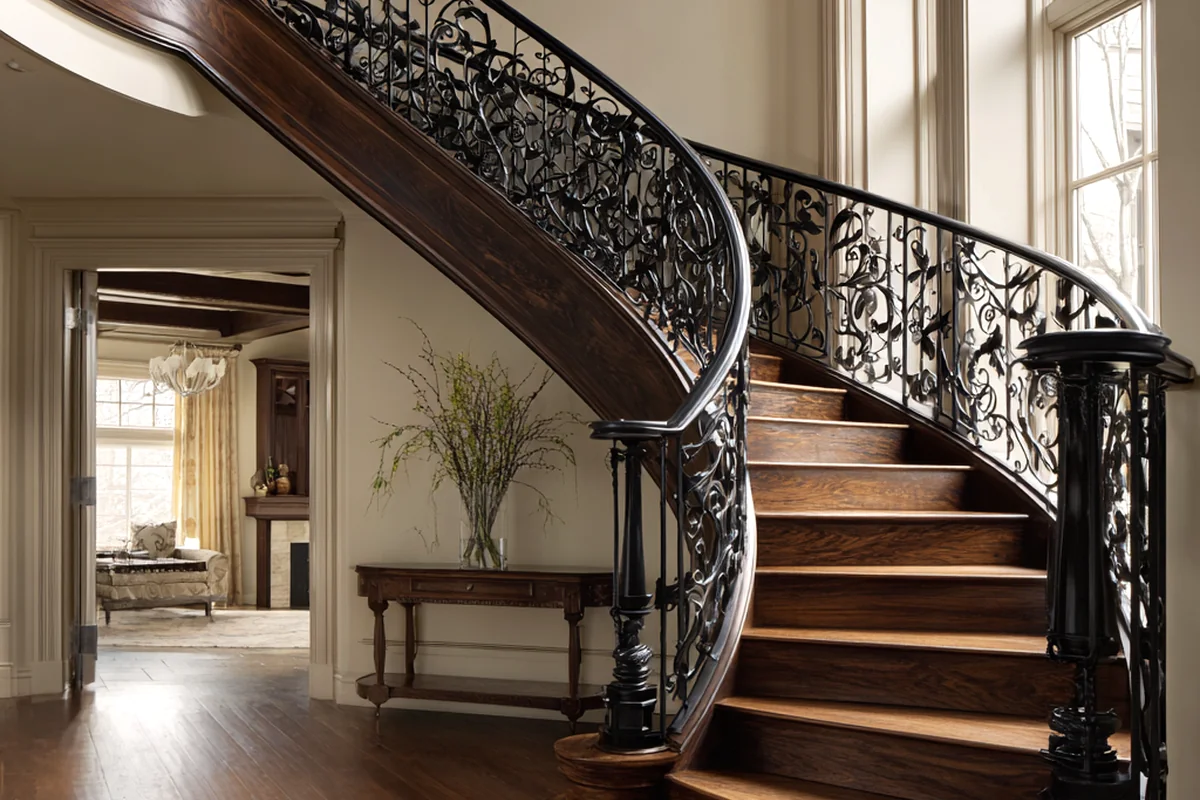
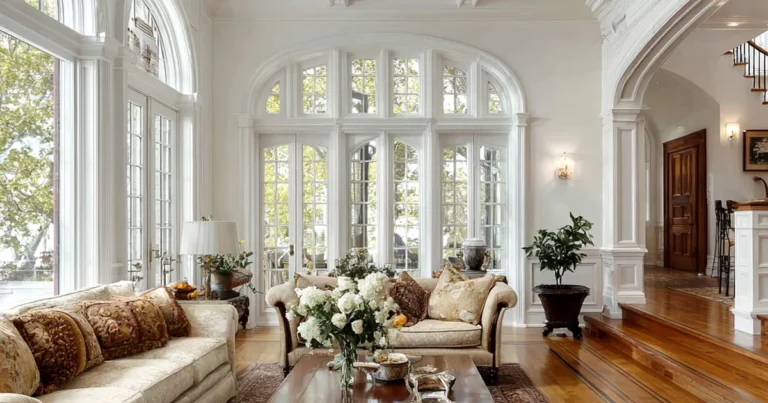
In an open-plan design, the grand staircase is far more than just a means of vertical transit; it’s a powerful architectural statement and often the undisputed focal point of the entire space. To integrate it seamlessly into a Warm Transitional Botanical aesthetic, its design must echo the overall theme. Opt for natural materials like rich, warm-toned hardwoods for treads and handrails, perhaps paired with elegant wrought iron balusters featuring subtle organic curves, or even glass panels for a more contemporary, light-diffusing effect. Avoid overly ornate traditional designs or stark industrial styles; instead, seek a balance that speaks to both classic elegance and modern simplicity. The color of the staircase should complement your overall palette, whether it’s a deep, rich stain that grounds the space or a soft, painted finish that blends with lighter walls. Lighting around the staircase is crucial for both safety and drama. Consider integrated LED strip lighting under each tread for a subtle, ethereal glow, or wall sconces that cast beautiful patterns and highlight the texture of the wall. Above, a statement chandelier can hang majestically, drawing the eye upwards and reinforcing the staircase’s grandeur. Don’t forget the area beneath the staircase; this often-overlooked space can be transformed into a cozy reading nook with a built-in bench and botanical cushions, a curated display of potted plants, or a slim console table adorned with natural elements and cherished decor. This turns a transitional area into an inviting destination, fully embracing the botanical and warm aspects of the design.
3. Harnessing Abundant Natural Light: Illumination & Serenity
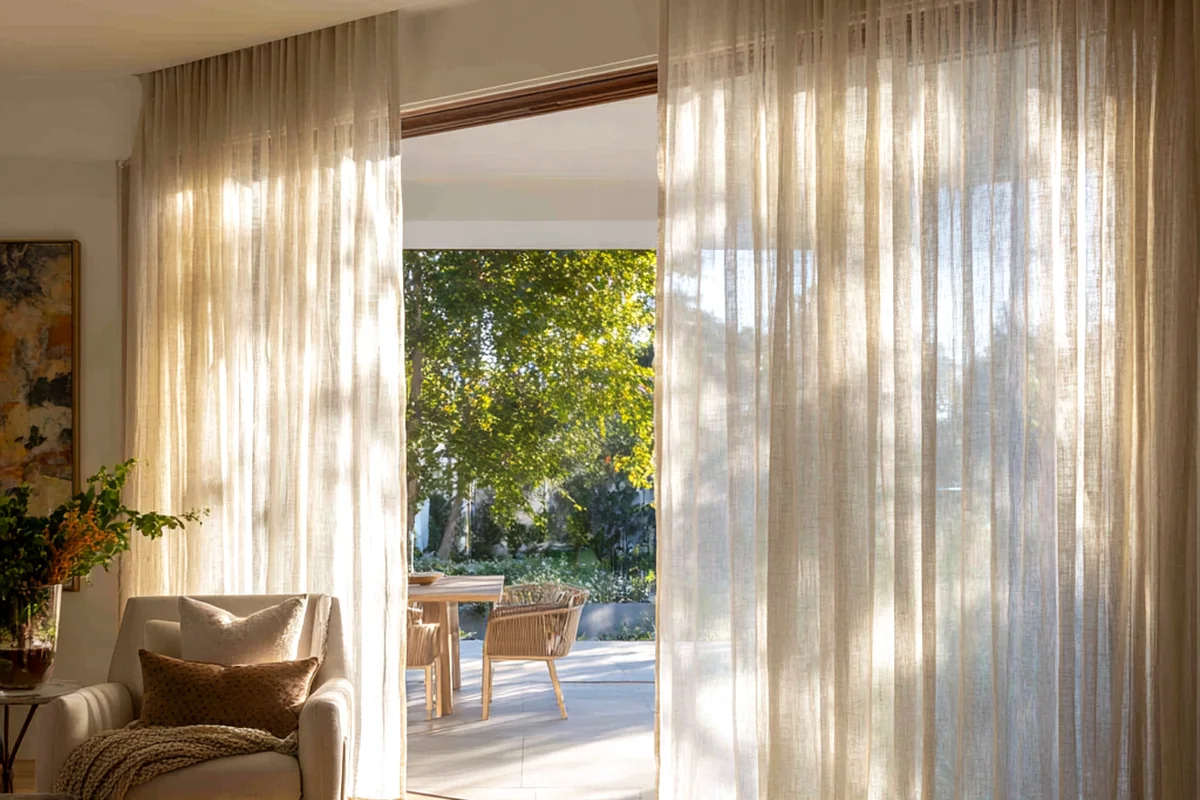
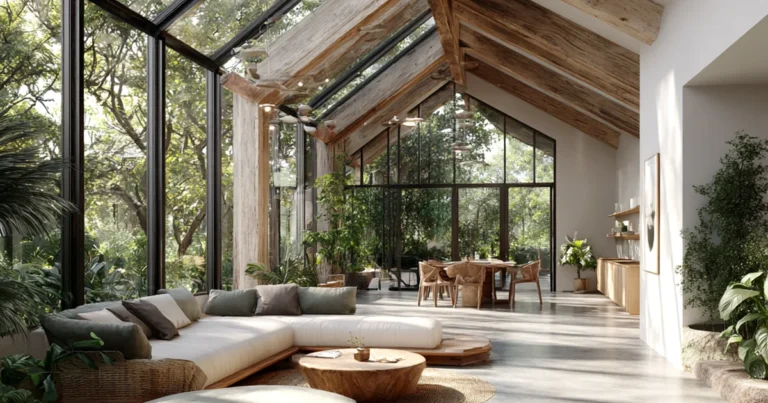
Abundant natural light is a cornerstone of the Warm Transitional Botanical aesthetic, imbuing open-plan spaces with an undeniable sense of airiness, warmth, and vitality. The goal is not just to let light in, but to optimize its presence and distribute it effectively throughout the living and dining areas, and around the grand staircase. Begin by ensuring window treatments are functional yet minimalist. Sheer linen or cotton drapes in soft, neutral tones allow diffused light to filter through, creating a gentle glow while maintaining privacy. For larger windows, consider automated blinds that can be easily adjusted to control glare without fully blocking the view. Reflective surfaces are your allies: strategically placed mirrors, especially opposite windows, can amplify light and visually expand the space, making a room feel larger and brighter. Opt for mirrors with simple, elegant frames that align with the transitional style. Paint choices also play a significant role; light, warm neutrals on walls and ceilings will bounce natural light around, preventing any dark corners. Even the finish of your flooring can contribute—lighter wood tones or polished concrete will reflect more light than darker, matte surfaces. Consider the impact of skylights or even a solarium extension if your architecture allows, bringing in overhead light that can dramatically transform the entire open-plan area. The interplay of light and shadow, especially as it shifts throughout the day, adds an organic, ever-changing dimension to the botanical theme, highlighting textures and colors and enhancing the overall sense of well-being.
4. The Warm Transitional Botanical Color Palette: Earthy Elegance
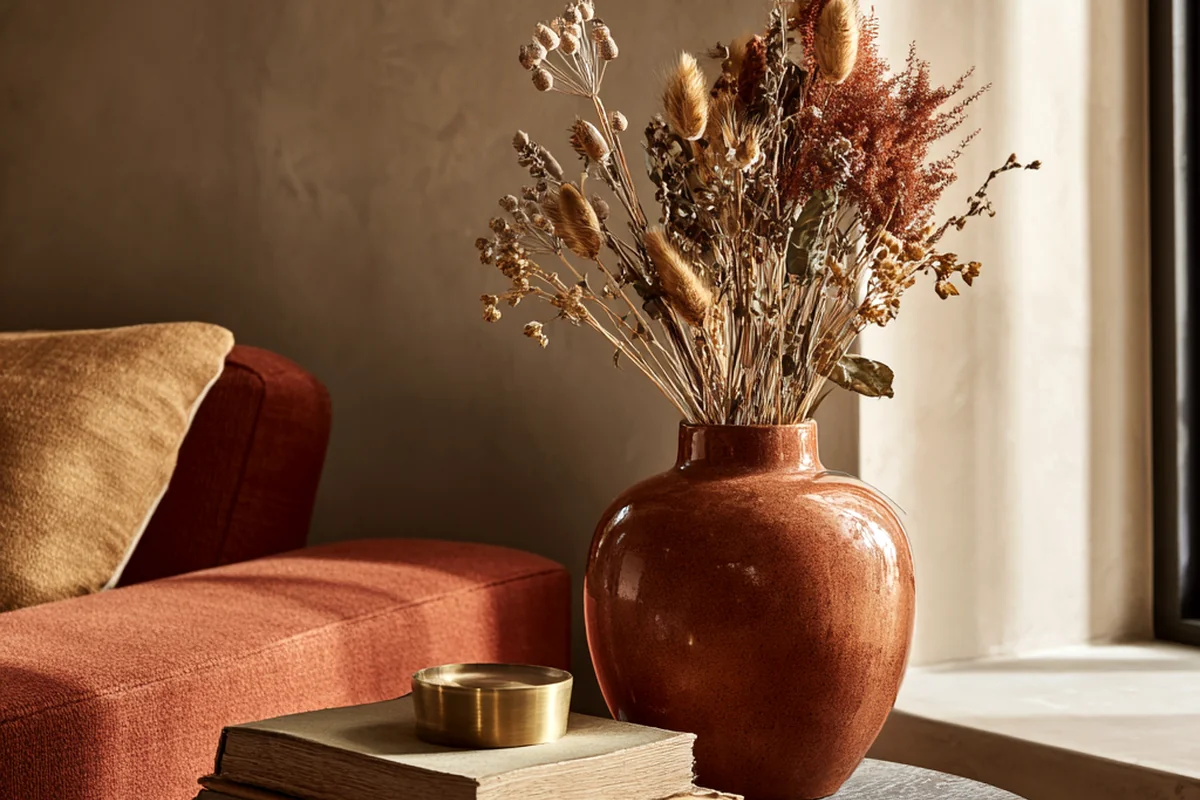
The heart of the Warm Transitional Botanical style lies in its carefully curated color palette, designed to create an atmosphere of earthy elegance and inviting comfort. Move beyond stark whites and embrace a spectrum of warm neutrals as your foundation: think creamy off-whites, soft beiges, muted greys with warm undertones, and gentle taupes. These colors provide a serene backdrop that allows natural light to truly sing and prevents the large open space from feeling cold or cavernous. To introduce warmth and depth, layer in richer, natural hues inspired directly by the botanical world: deep forest greens, soft sage, terracotta, ochre, and even subtle blush or dusty rose tones. These aren’t overwhelming; rather, they appear as accents in upholstery, throw pillows, botanical prints, or ceramic decor. For a cohesive flow across the open-plan living and dining areas, maintain a consistent base palette, then vary your accent colors slightly between zones to provide subtle distinction. For instance, the living area might feature more muted greens and natural wood tones, while the dining area could introduce a touch of terracotta or a deeper botanical pattern. The grand staircase, often a central visual element, should either blend with the wall color for a seamless look or be treated with a rich wood stain that complements the warmer tones in your palette. The key is balance: allow the natural materials—wood, stone, linen—to introduce their own inherent colors, creating a layered, organic feel that is both sophisticated and incredibly welcoming. This palette ensures the space feels warm, grounded, and deeply connected to nature.
5. Integrating Live Plants and Organic Textures
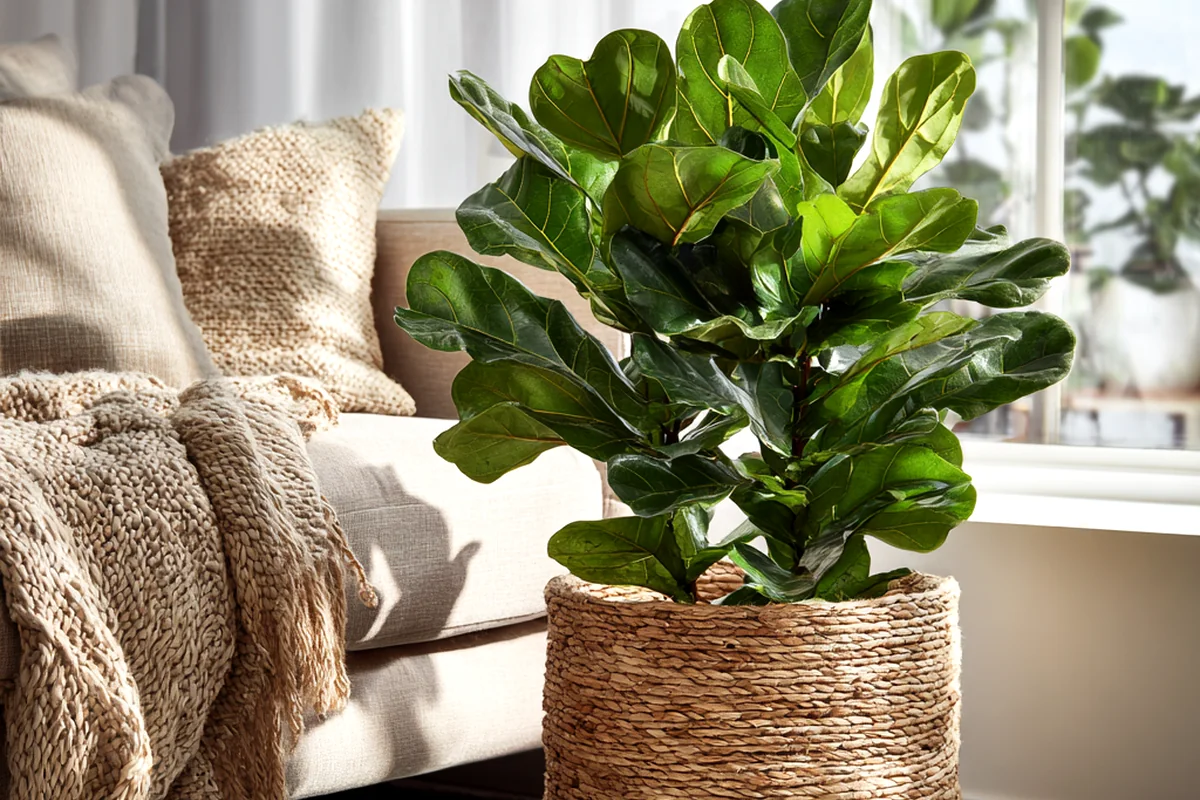
No Warm Transitional Botanical space is complete without a generous embrace of live plants and a diverse array of organic textures. These elements are crucial for breathing life into the open-plan area, softening architectural lines, and fostering a sense of calm and well-being. Strategically place large-scale plants like Fiddle Leaf Figs, Olive Trees, or Bird of Paradise in corners or beside the grand staircase to add vertical interest and a vibrant pop of green. Smaller plants, such as ferns, orchids, or succulents, can adorn console tables, bookshelves, and dining surfaces, bringing delicate natural beauty to eye level. Vary the types of plants and their planters—think terracotta, woven baskets, or simple ceramic pots—to add textural diversity. Beyond living greenery, integrate organic textures through your material choices. Linen drapes, woven jute or sisal rugs, rattan accents (perhaps a chair or a side table), and rough-hewn wooden furniture pieces instantly inject warmth and a tactile quality. Consider upholstery in natural fabrics like cotton, linen, or a performance fabric with a subtle texture. Even decorative items like ceramic vases with an imperfect, handmade feel, or a collection of smooth river stones in a bowl, contribute to this natural aesthetic. The grand staircase itself can feature a runner made of natural fibers like wool or jute, adding both softness underfoot and an additional layer of texture. This deliberate layering of natural elements ensures the space feels grounded, inviting, and truly alive, reflecting the botanical heart of the design.
6. Furniture Selection: Grandeur Meets Comfort
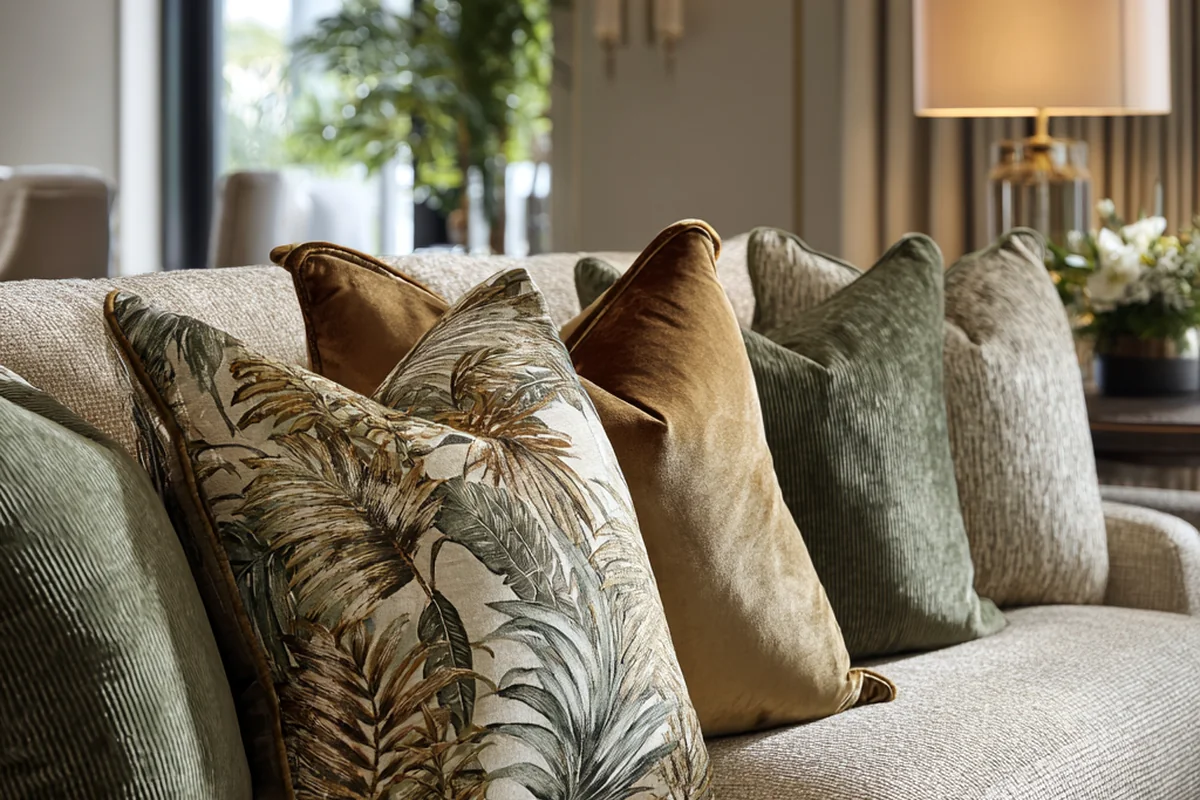
Selecting the right furniture for an open-plan living and dining area with a grand staircase in a Warm Transitional Botanical style requires a delicate balance between grandeur, comfort, and cohesive flow. The scale of your furniture is paramount; in large open spaces, undersized pieces can look lost, while oversized items can overwhelm. Opt for substantial, well-proportioned pieces that command presence without sacrificing an airy feel. For the living area, a generous sectional or a pair of comfortable sofas upholstered in natural, textured fabrics like linen, cotton, or a performance velvet in a warm neutral tone will invite relaxation. Pair these with occasional chairs that feature clean lines and perhaps a subtle botanical print or a natural wood frame. In the dining area, choose a table that can comfortably host gatherings, whether a solid wood farm-style table or a more refined, perhaps round, table with elegant pedestal base. Dining chairs should offer both comfort and style, echoing the transitional aesthetic—think upholstered chairs with simple profiles or classic ladder-back chairs updated with a modern finish. Throughout both zones, aim for furniture with a mix of soft curves and clean lines, avoiding anything too ornate or too stark. Incorporate pieces made from natural materials like oak, walnut, or reclaimed wood for coffee tables, side tables, and consoles, enhancing the ‘warm’ and ‘botanical’ aspects. Ensure there’s ample negative space around furniture to maintain the open, inviting atmosphere, allowing for easy movement and unobstructed views of the grand staircase and natural light.
7. Layered Lighting Design: Setting the Mood and Highlighting Features
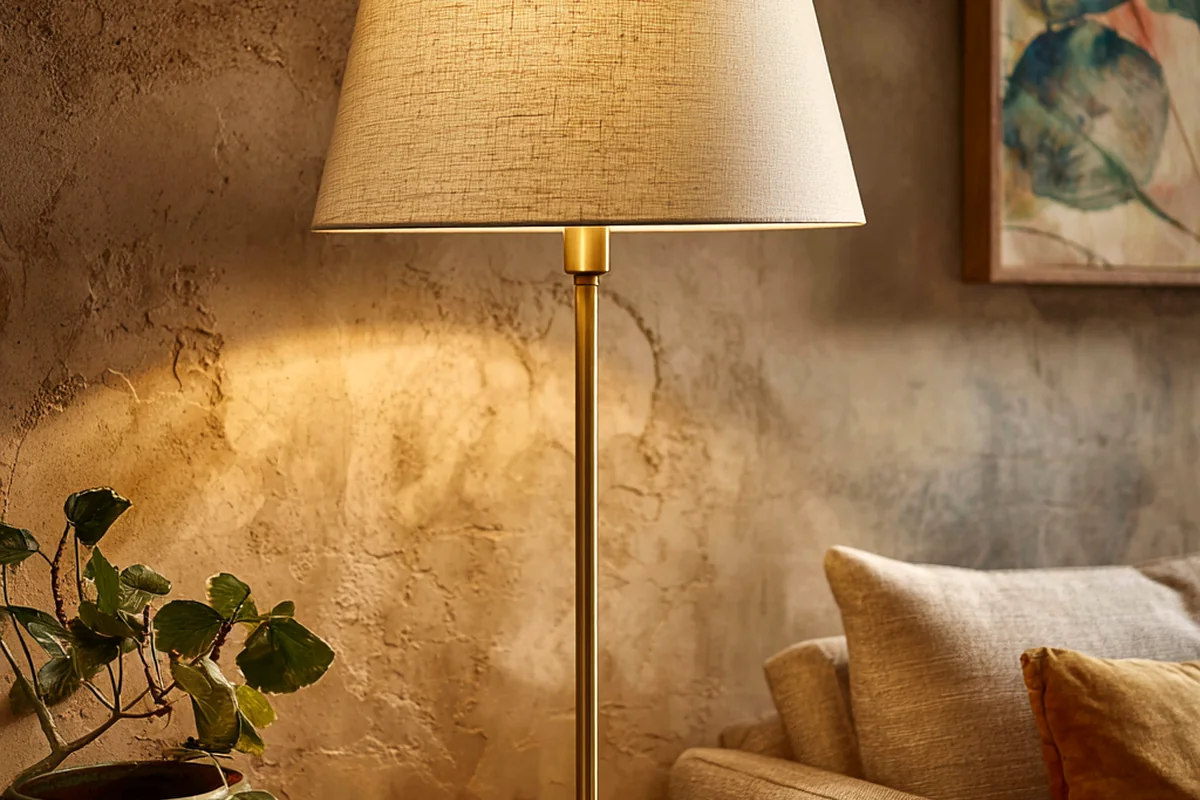
Beyond natural light, a well-executed layered lighting scheme is essential for creating ambiance, defining zones, and highlighting the architectural beauty of an open-plan space with a grand staircase. Begin with ambient lighting, which provides overall illumination. Recessed lighting with dimmers offers flexibility, allowing you to adjust the mood from bright and functional to soft and intimate. For the grand staircase, a statement chandelier hung strategically above or within its void can be a breathtaking focal point, choosing a design that complements the transitional style—perhaps with organic shapes or natural material accents. Alternatively, a series of elegant pendant lights can create a similar dramatic effect. Next, introduce task lighting where needed. In the dining area, a beautiful linear pendant or a pair of larger pendants over the table not only illuminate meals but also serve as a visual anchor for the zone. In the living area, floor lamps and table lamps provide localized light for reading or conversation, adding to the cozy, warm feel. Choose fixtures with natural finishes like brushed brass, matte black, or woven rattan shades to align with the botanical theme. Finally, accent lighting is crucial for highlighting features. Wall sconces can draw attention to a beautiful botanical art piece or add texture to a wall beside the staircase. Integrated LED strips can illuminate shelving or the staircase treads, adding subtle drama. By layering these three types of lighting, you create depth, interest, and ensure every corner of your open-plan space is beautifully lit and functional throughout the day and night.
8. Textiles and Textures for Unmatched Warmth and Comfort

In a Warm Transitional Botanical design, textiles and textures are the unsung heroes, injecting unparalleled warmth, softness, and tactile interest into the expansive open-plan environment. They are vital for grounding the space and preventing it from feeling cold or impersonal. Start with your largest textile: the area rug. Opt for natural fibers like wool, jute, sisal, or a blend, in soft, earthy tones. A textured loop pile or a subtle pattern can add depth without overwhelming the eye. Layering rugs—perhaps a smaller, softer rug over a larger, more durable one—can enhance comfort and define zones even further. Drapes are another opportunity to introduce texture; choose flowing linen or cotton in a sheer or semi-sheer weave to diffuse natural light beautifully, adding a soft, ethereal quality. Upholstery fabrics should prioritize natural materials and comforting textures. Think plush velvets in muted botanical tones, durable linen blends, or a textured bouclé for sofas and accent chairs. Throw pillows and blankets are perfect for introducing pops of color and pattern, with botanical motifs, subtle geometrics, or solid colors in rich, earthy hues. Experiment with different textures: chunky knits, faux fur, silk, or embroidered cotton. Even the small details matter, like the weave of a placemat in the dining area or the texture of a hand-thrown ceramic vase. These thoughtful inclusions soften hard surfaces, absorb sound in the open space, and create a multi-sensory experience that is deeply inviting and undeniably warm, fulfilling the promise of a truly comfortable and botanical sanctuary.
9. Curated Art and Decor: Personalizing Your Botanical Haven
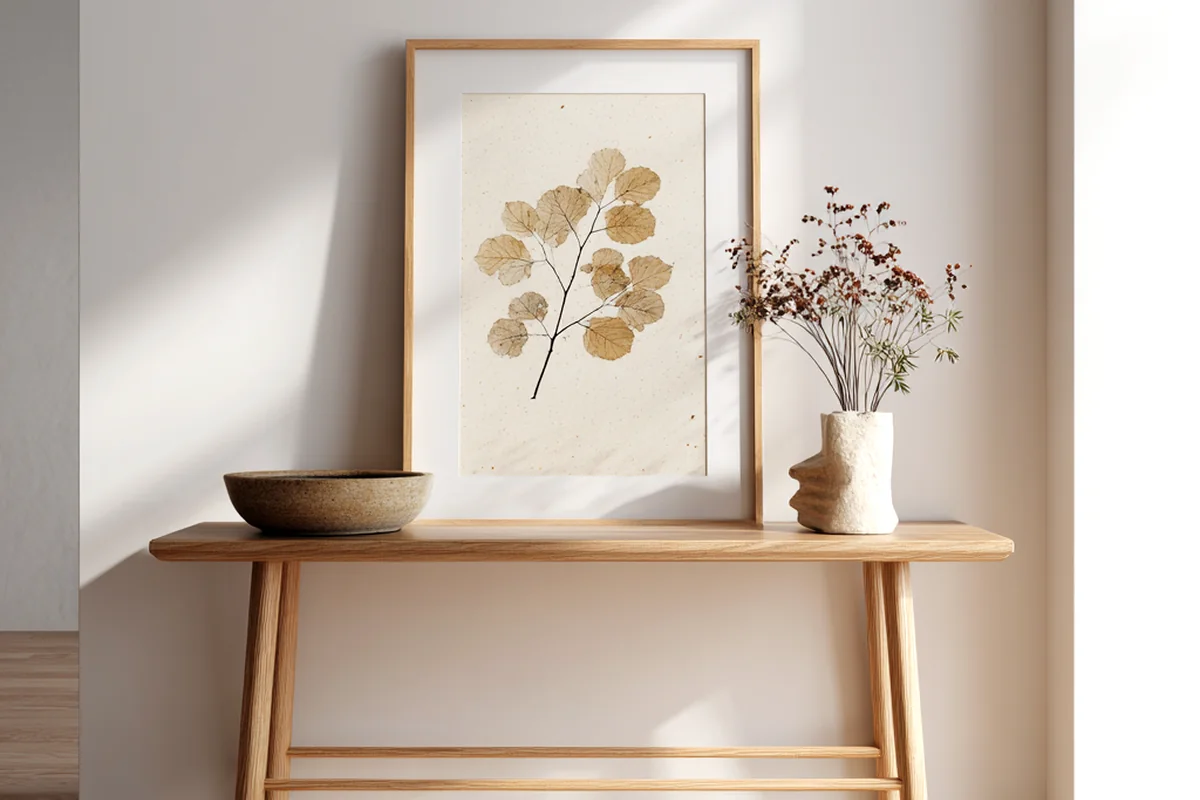
Curated art and decor are the finishing touches that transform an open-plan living and dining area into a personalized Warm Transitional Botanical haven. Avoid clutter; instead, focus on a few meaningful pieces that resonate with the design aesthetic. For wall art, think large-scale botanical prints, framed pressed flowers, abstract landscapes in earthy tones, or contemporary pieces that echo organic forms. These can be strategically placed to anchor a wall in the living area, create a focal point in the dining space, or even line the ascent of the grand staircase, turning the journey into a gallery experience. The frames themselves should be transitional—think natural wood, brushed gold, or simple black to maintain elegance without fussiness. Decorative objects should continue the botanical theme and warm, transitional feel. Ceramic vases in organic shapes and muted colors, wooden bowls, artisanal pottery, and sculptures inspired by nature (leaves, branches, pebbles) are perfect. These items add texture and interest without overpowering the space. On console tables, coffee tables, and dining buffets, group objects in odd numbers for visual appeal, mixing heights and materials. Incorporate personal touches like travel souvenirs or family photos, ensuring they are displayed in frames or settings that blend with the overall design. Remember, every piece should feel intentional, contributing to the narrative of a home that is both sophisticated and deeply connected to the natural world. This careful curation prevents the space from feeling sterile and ensures it reflects the personality of its inhabitants.
10. Seamless Transition from Living to Dining: Cohesive Design Elements
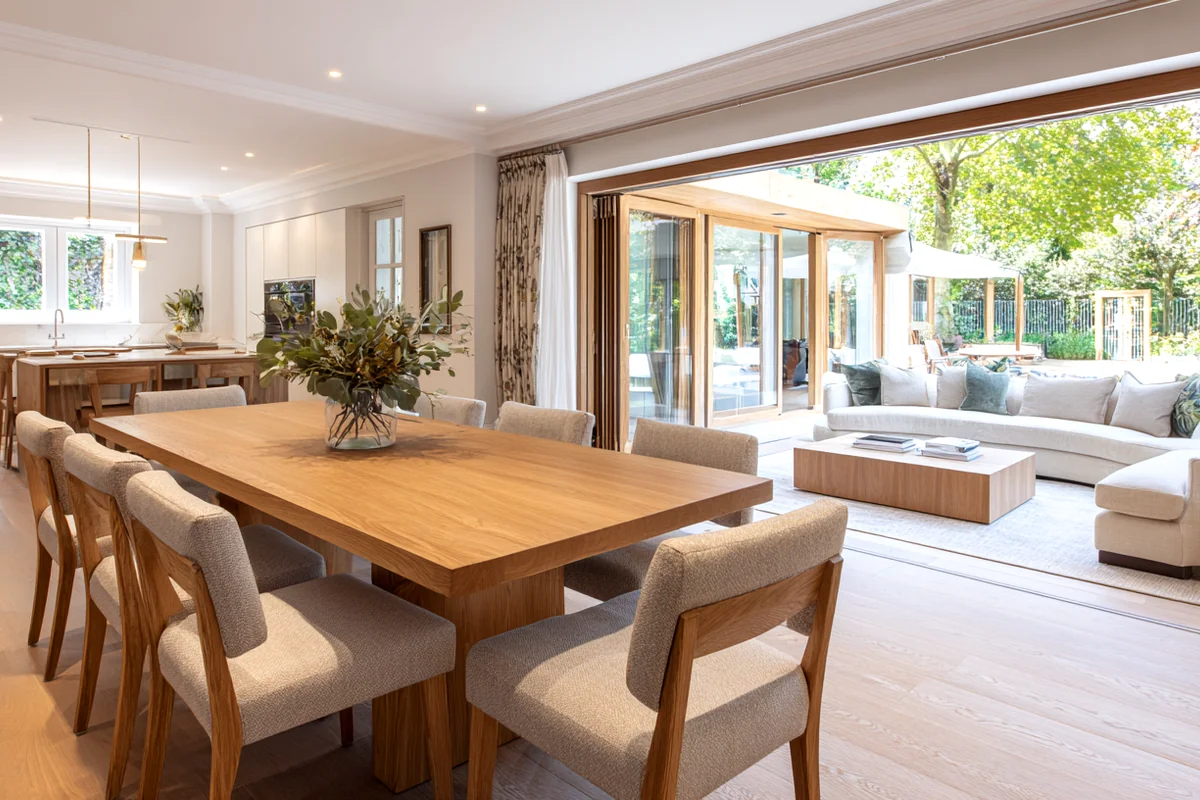
Achieving a truly seamless transition between the living and dining areas in an open-plan space is crucial for both aesthetic harmony and practical flow, especially when a grand staircase acts as a central anchor. The key lies in creating visual cohesion through a continuity of design elements while still allowing each zone to express its individual purpose. Begin with the flooring: maintaining the same material—be it warm wood planks, large-format tiles, or polished concrete—across both areas immediately establishes a unified foundation. If using area rugs to define zones, ensure their styles, colors, or textures complement each other, perhaps drawing from the same underlying palette. Color is another powerful unifying force. While subtle shifts in accent colors can distinguish zones, the overarching warm neutral backdrop should remain consistent. This allows the eye to travel smoothly from one area to the next without abrupt visual breaks. Furniture styles, too, should speak the same language. If your living room features clean-lined sofas, ensure your dining chairs echo this simplicity, perhaps with similar leg styles or wood finishes. Shared botanical motifs in art, textiles, or decorative accents can also bridge the gap. For instance, a particular leaf pattern on throw pillows in the living room could subtly reappear on a piece of dining room artwork or in the detailing of a botanical centerpiece. By thoughtfully repeating and echoing these design elements, you craft an open-plan environment where the living and dining areas, even with the dramatic presence of a grand staircase, feel like distinct yet intimately connected chapters of a single, beautiful story.
Crafting an open-plan living and dining area, gracefully framed by a grand staircase and bathed in natural light, is a design endeavor that promises both challenge and immense reward. By embracing the principles of Warm Transitional Botanical design, you unlock the potential for a home that is not just aesthetically pleasing but deeply comforting and inspiring. We’ve explored how to strategically zone these expansive spaces, allowing for both intimate gatherings and grand entertaining, all while maintaining an effortless flow. The grand staircase, once merely functional, has been elevated to a majestic focal point, integrating seamlessly into the broader design narrative. From harnessing the invigorating power of abundant natural light to curating a color palette that whispers warmth and sophistication, every element plays a crucial role. We delved into the transformative magic of live plants and organic textures, the art of selecting furniture that marries grandeur with everyday comfort, and the nuanced layers of lighting that set the perfect mood. Finally, we considered how thoughtfully chosen art and decor personalize your sanctuary, and how a cohesive approach ensures a seamless transition between living and dining zones. Armed with these insights, you are now equipped to transform your open-plan space into a breathtaking haven. Embrace the journey of design, infuse it with your unique spirit, and watch as your home blossoms into an elegant, inviting, and truly botanical masterpiece that celebrates connection, comfort, and the enduring beauty of nature.