10 Secrets to Mastering the Warm Mediterranean Farmhouse Aesthetic
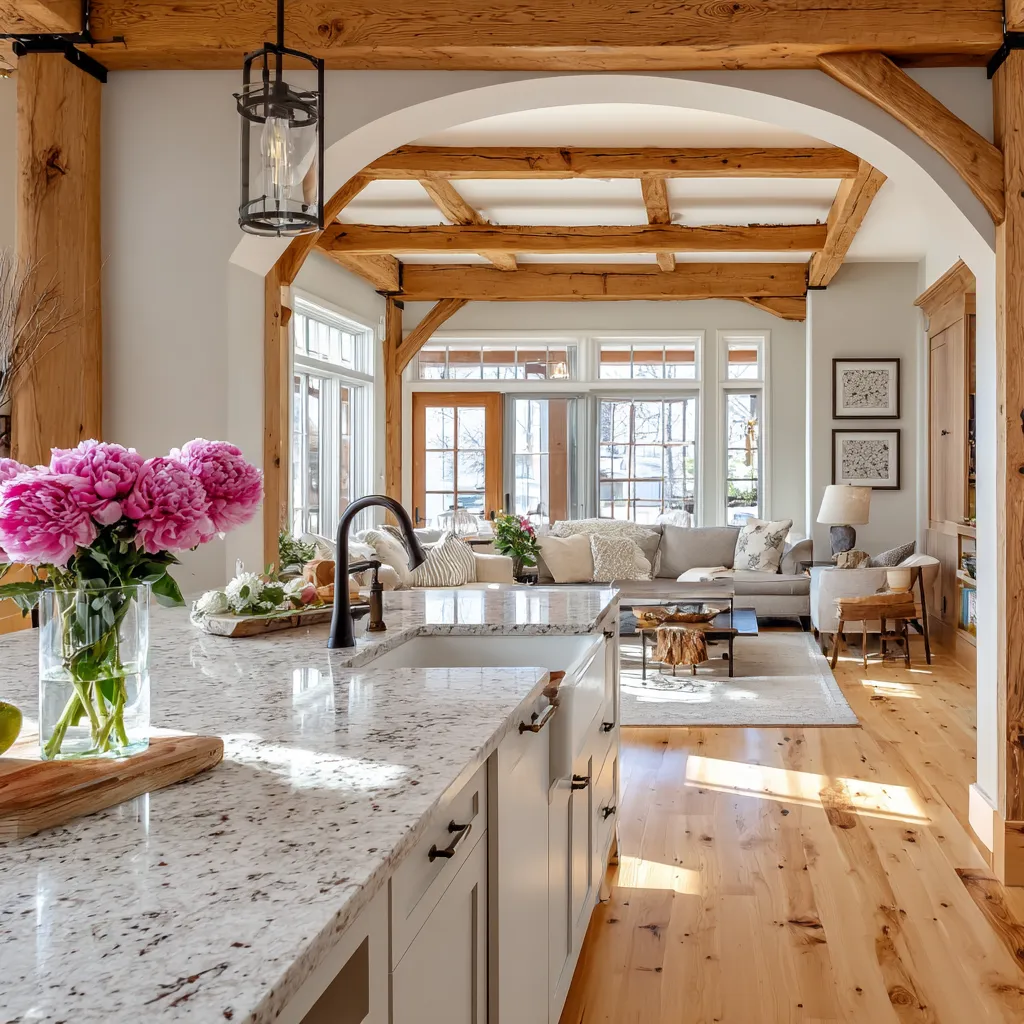
There is a profound shift happening in the world of interior design, moving away from the stark, cold minimalism of the last decade toward something significantly more soulful. We call it the ‘Warm Mediterranean Farmhouse’ aesthetic, a style that perfectly marries the rustic charm of the countryside with the refined elegance of European architecture. It is not just about decorating a room; it is about cultivating a feeling. Imagine walking into a space where the boundaries between the kitchen and living areas dissolve, not just through missing walls, but through a cohesive language of light and texture.
The magic lies in the balance. It is the interplay between the raw, organic nature of exposed timber and the smooth, clean lines of plaster archways. It is the way sunlight is treated not just as illumination, but as a tangible design element that interacts with wide-plank flooring and stone surfaces. This design philosophy prioritizes flow and connection, creating homes that feel expansive yet intimately grounded. In this comprehensive guide, we are going to dissect the specific architectural and decorative elements—from the ‘fifth wall’ above you to the layout of your furniture—that allow you to recreate this timeless, sun-drenched sanctuary in your own home. Whether you are planning a full renovation or looking for styling updates, these ten principles are the foundation of a home that feels like a permanent vacation.
1. The Soft Power of the Archway
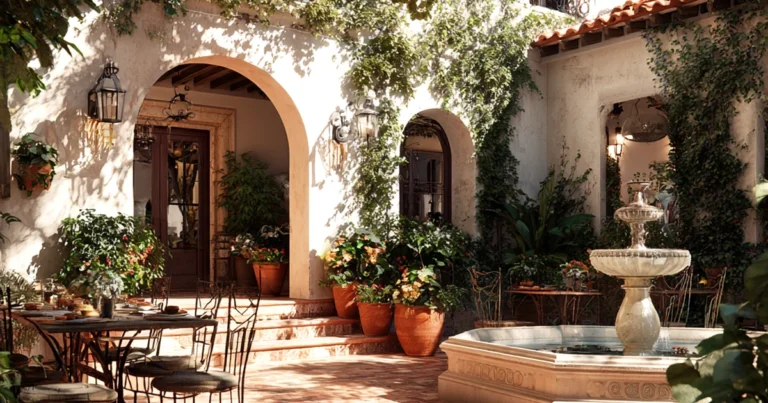
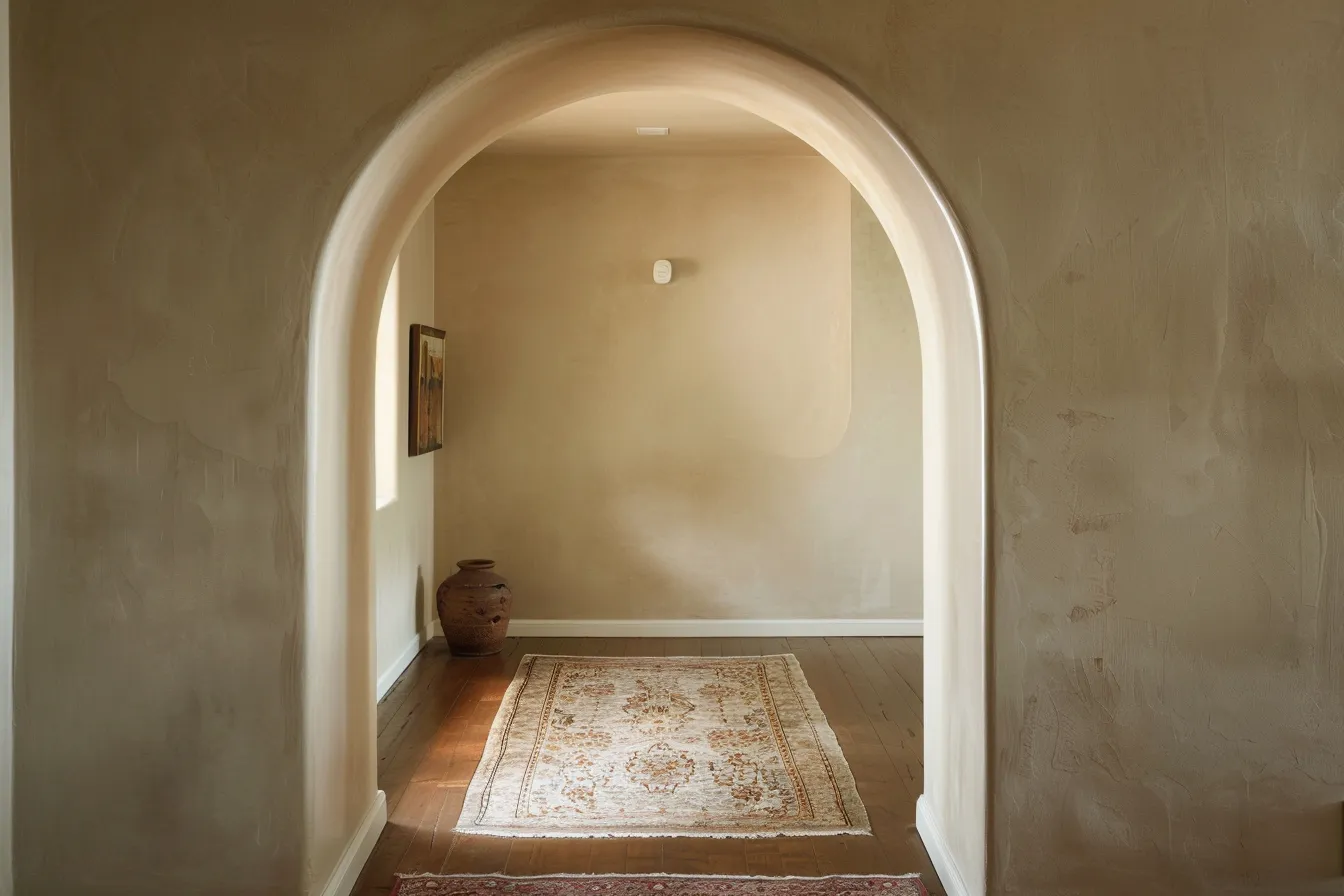
In an era dominated by sharp right angles and boxy rooms, the reintroduction of the archway serves as a revolutionary softening agent. The arch is the hallmark of Mediterranean architecture, but in a modern farmhouse context, it serves a crucial functional purpose: it defines space without enclosing it. When you look at an open floor plan, it can often feel like a gymnasium—too open, too undefined. An archway creates a psychological threshold. It signals to the brain that you are moving from the high-energy culinary zone of the kitchen into the restorative relaxation zone of the living room, all while maintaining clear sightlines.
Structurally, a broad, flattened arch, often referred to as a basket-handle arch, works best in these interiors. It maximizes head height and width, allowing light to penetrate deep into the home. Unlike a standard door frame, an archway frames the view of the next room like a painting. It adds a layer of sophistication and historical weight to a new build. If you cannot structurally alter your walls, consider painting an arch motif or using arched mirrors and bookcases to mimic this architectural curvature and introduce organic flow to linear spaces.
2. The Fifth Wall: Exposed Beams
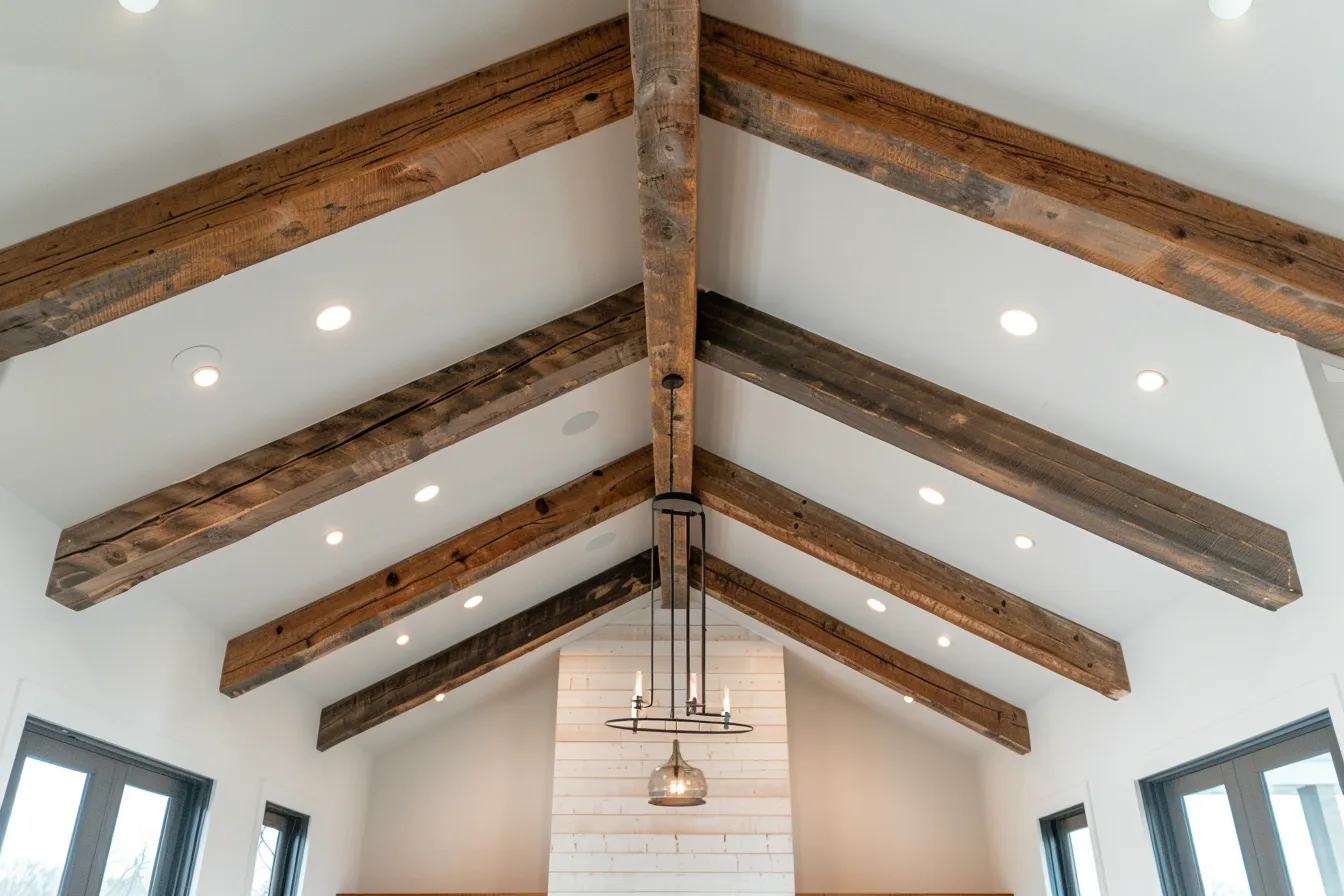
Designers often refer to the ceiling as the ‘fifth wall,’ and in the warm Mediterranean farmhouse style, it is arguably the most important canvas in the room. Exposed wooden beams are the quickest way to inject instant history and texture into a space. They draw the eye upward, emphasizing verticality and making even modest ceilings feel grander. The key here is the finish of the wood. You want to avoid high-gloss lacquers or overly red stains. Instead, opt for raw, reclaimed, or matte-finished timbers in stains like ‘driftwood,’ ‘antique oak,’ or ‘walnut.’
These beams create a visual rhythm that guides the eye through the open concept. In a long rectangular room, beams running perpendicular to the length of the room can make the space feel wider and more proportionate. Furthermore, they provide a crucial textural contrast to the smooth drywall of the ceiling. If your home does not have structural beams, high-quality faux box beams are an excellent, lightweight alternative that can hide electrical wiring for lighting fixtures. The goal is to bring the warmth of nature overhead, enveloping the room in a sense of shelter and rustic permanence that drywall simply cannot achieve.
3. Wide-Plank Wood Flooring
The foundation of this aesthetic is literally under your feet. The choice of flooring sets the temperature for the entire home. To achieve that seamless, airy flow, wide-plank European oak flooring is the gold standard. Narrow strips can make a floor look busy and cluttered, whereas planks that are seven inches or wider create a sense of calm and expanse. They quiet the visual noise, allowing the furniture and architecture to take center stage.
The color tone is critical. You want to aim for ‘greige’ (a mix of gray and beige), honey, or natural blonde wood tones. These lighter, warmer shades bounce light around the room, contributing to that sun-drenched feel, unlike dark floors which can absorb light and make a room feel smaller. The finish should be matte or satin, never glossy. A wire-brushed texture adds durability and hides dust, making it practical for a farmhouse lifestyle while maintaining an elegant aesthetic. When the same flooring runs continuously from the kitchen into the living area without transition strips, it unifies the zones, making the total square footage feel significantly larger and more cohesive.
4. The Kitchen Island as a Social Anchor
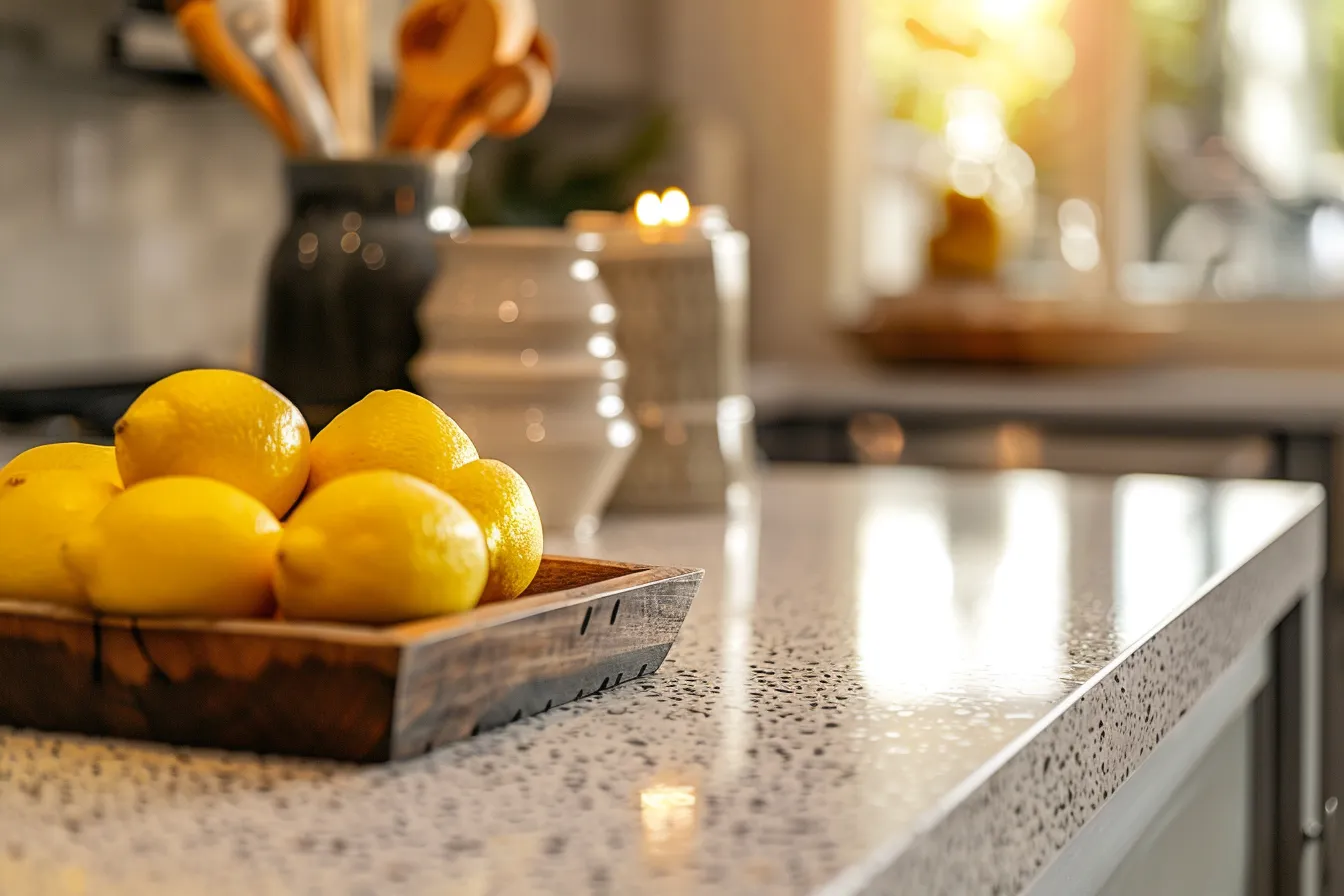
In the open-concept model, the kitchen island is no longer just a prep station; it is the command center of the home. It acts as the physical barrier that separates the culinary work zone from the leisure area, hiding the mess of cooking while keeping the cook connected to the conversation. For this specific aesthetic, the island should feel like a piece of furniture. This is achieved through design details like furniture-style legs, shaker cabinetry, and substantial hardware.
Materiality is key here. A honed granite or quartzite countertop with natural speckling adds organic movement that contrasts beautifully with solid-colored cabinets. The trend is moving away from stark, sterile white islands toward soft taupes, mushrooms, or natural wood tones that ground the space. The island also serves as a primary styling surface. A large ceramic vase with oversized branches or seasonal florals creates a vertical disruption that adds life to the horizontal planes. By placing bar seating on the living-room side, you create an invitation for engagement, turning the kitchen from a utility room into the social heart of the household.
5. Maximizing the Golden Hour
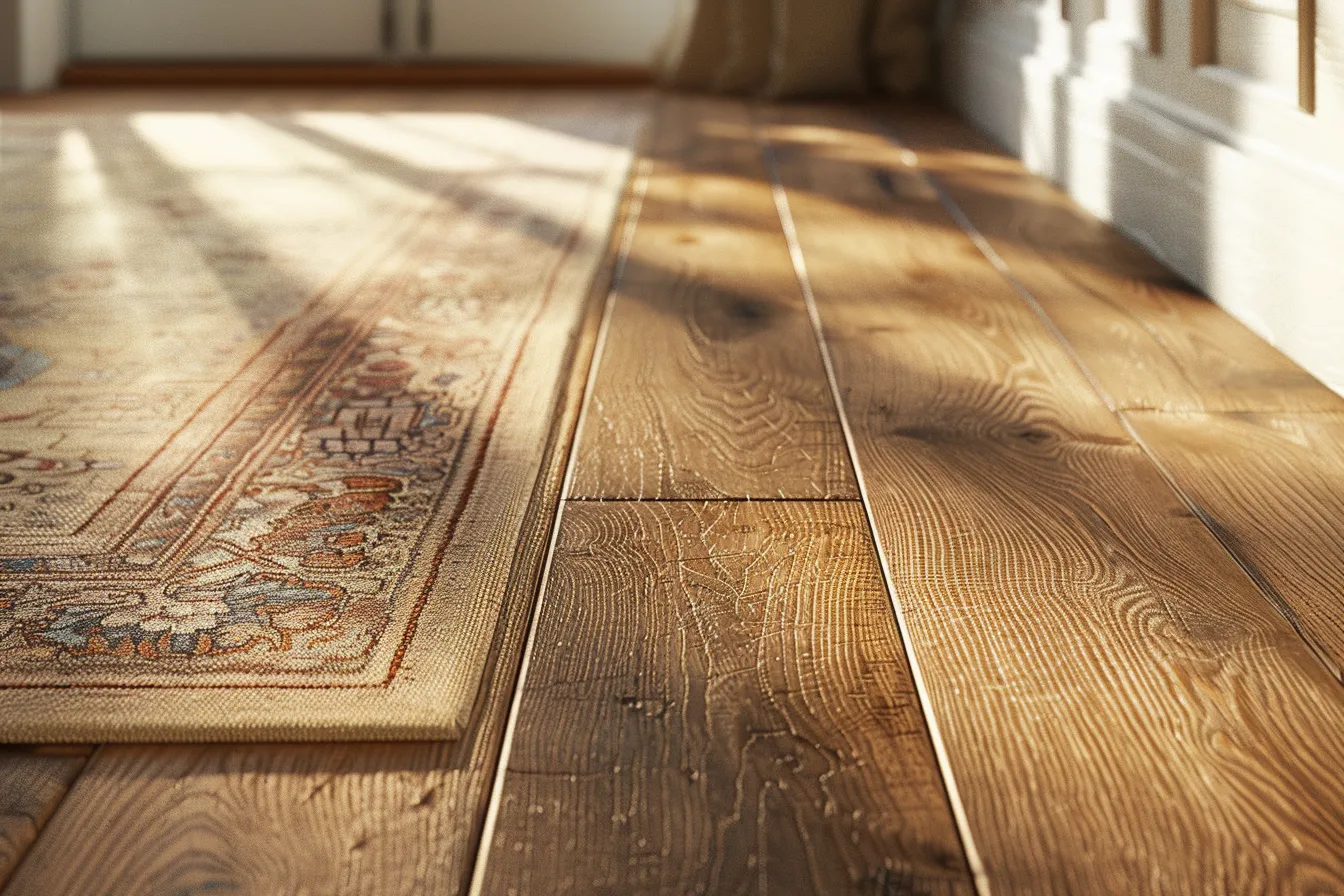
Light is the invisible paint of the interior designer. The ‘Warm Mediterranean’ look relies heavily on the quality of natural light. It is about capturing that ‘golden hour’ glow throughout the day. This isn’t just about having windows; it is about how you treat them. Avoid heavy, opaque drapery that blocks the sun. Instead, opt for sheer linens or leave the windows bare if privacy allows, letting the architecture of the window frames speak for itself.
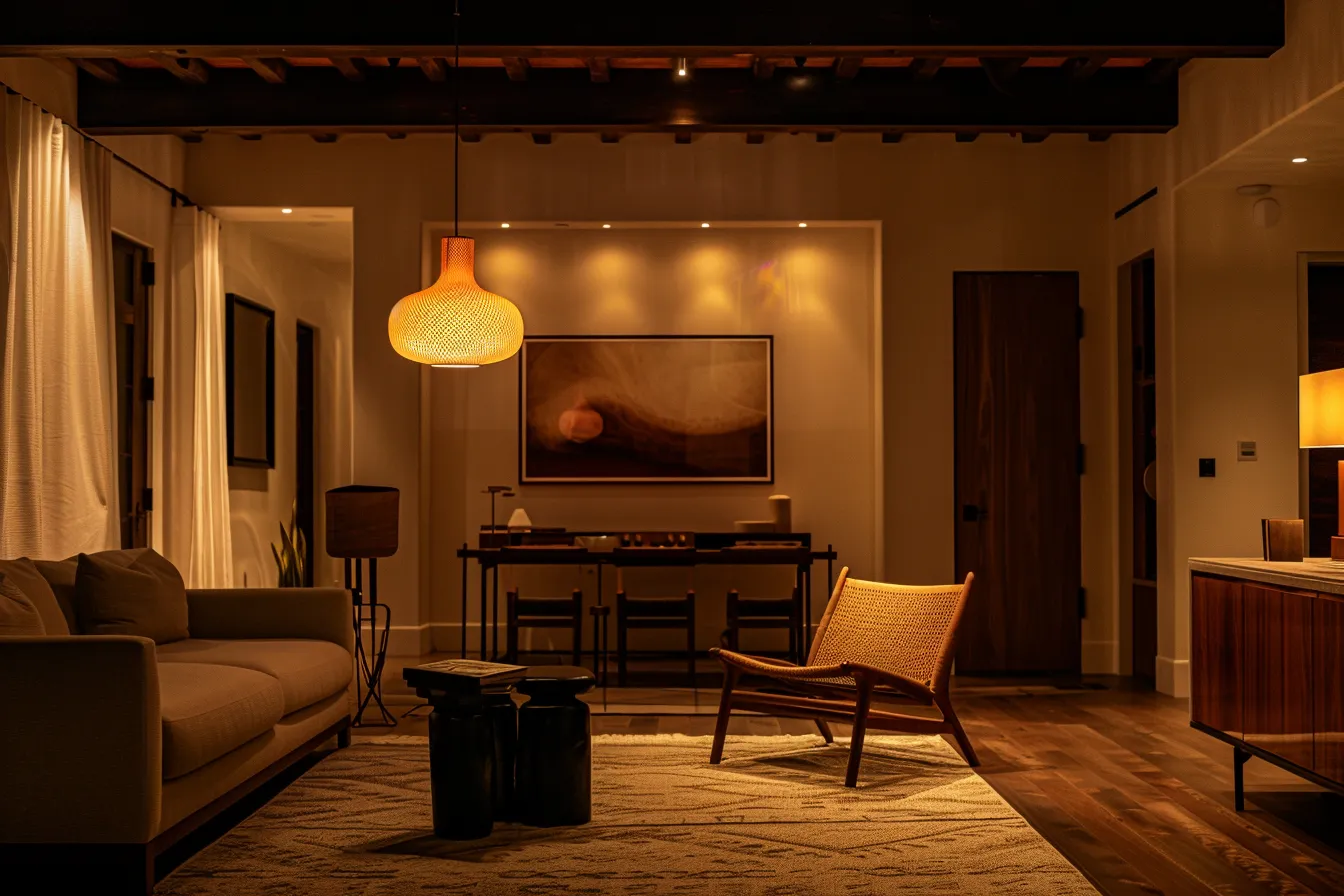
The orientation of your furniture should embrace the light. Positioning a sofa to face the light source, or placing a reading nook near a window, encourages the inhabitants to follow the sun. Additionally, the interior surfaces play a role. Semi-gloss paints on trim and eggshell finishes on walls help reflect sunlight deeper into the room. Reflective surfaces, like the glass on a cabinet or a polished stone hearth, catch these rays and scatter them. The goal is to create a dynamic environment where the mood of the room shifts with the passing clouds and the setting sun, connecting the indoor experience with the circadian rhythms of the outdoors.
6. Architectural Window Definition
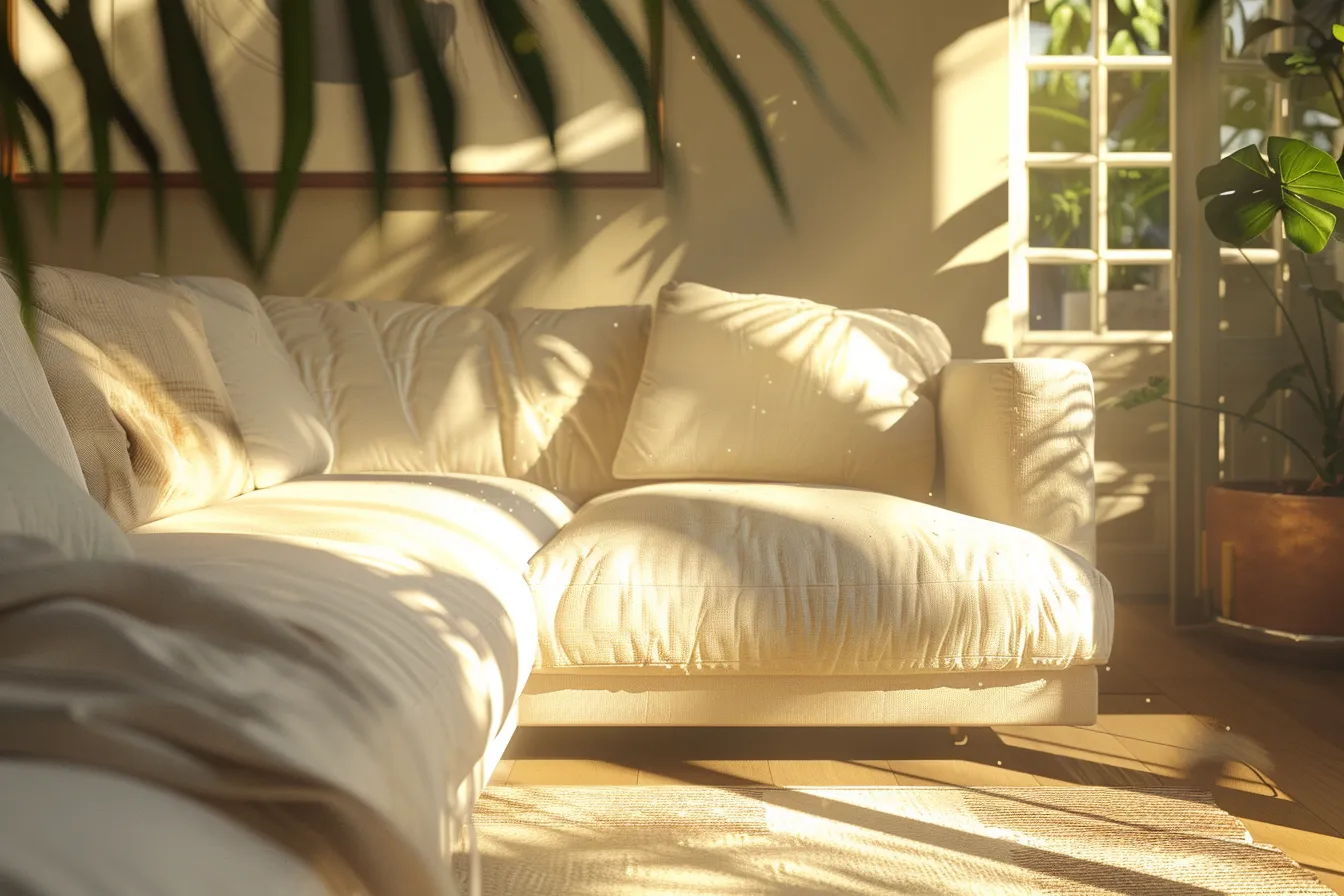
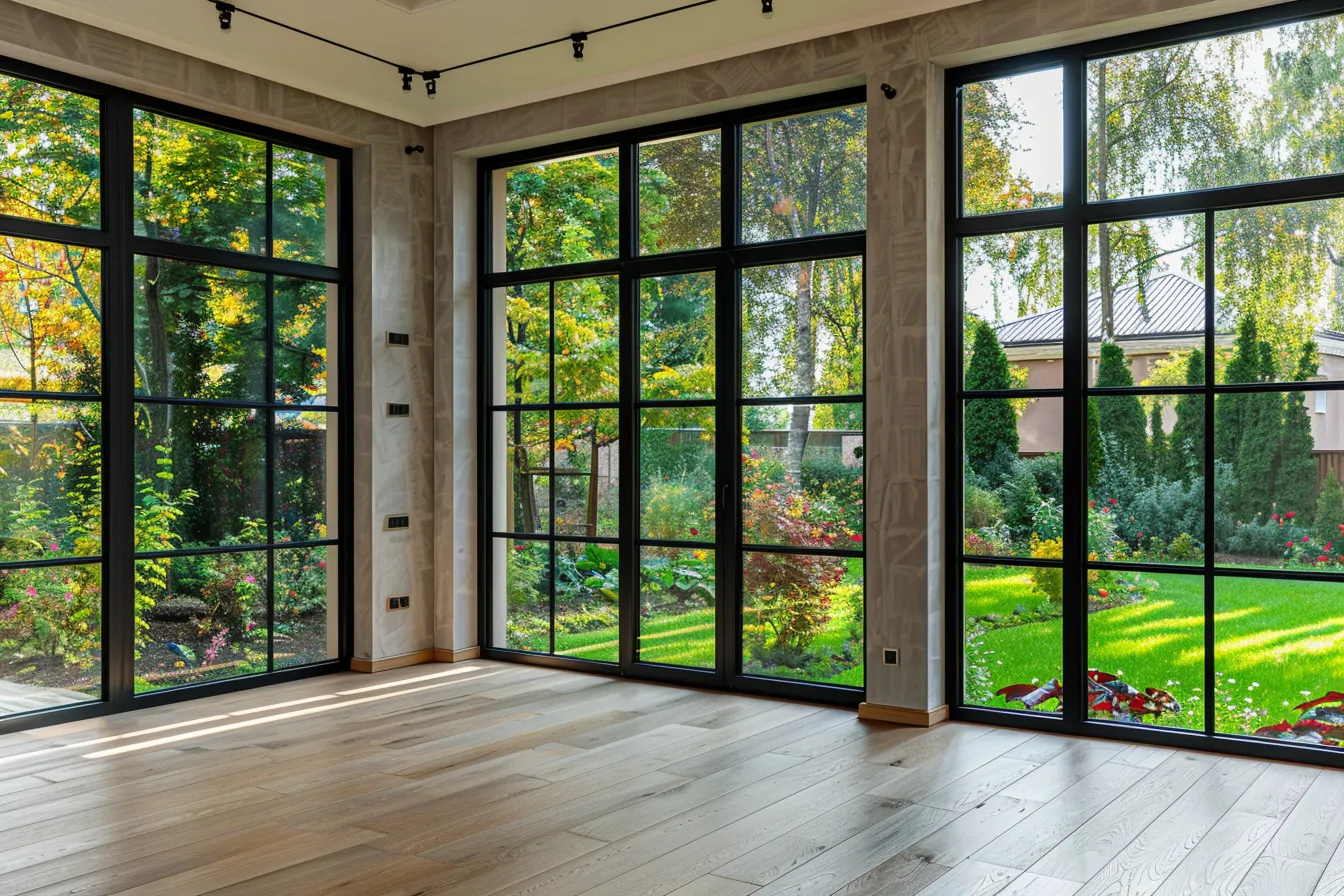
While the walls may be neutral, the windows require definition to prevent the space from looking washed out. Black or dark bronze mullions (the grid within the window) provide a striking graphic contrast against cream walls and wood tones. This is a classic Modern Farmhouse element that frames the outdoor view like a living picture. The darkness of the frames draws the eye outward, blurring the boundary between inside and outside.
If replacing windows isn’t in the budget, painting existing window sashes black is a high-impact DIY upgrade. This high-contrast look acts as ‘eyeliner’ for the room, sharpening the architectural features. It also eliminates the need for fussy window treatments; when the window itself is beautiful, you don’t need to cover it up. Large, floor-to-ceiling windows or French doors are ideal, as they physically open the home to the garden, reinforcing the Mediterranean lifestyle of indoor-outdoor living. This architectural choice adds a touch of industrial edge that keeps the rustic elements from feeling too old-fashioned or country-kitsch.
7. The Hearth as the Focal Point
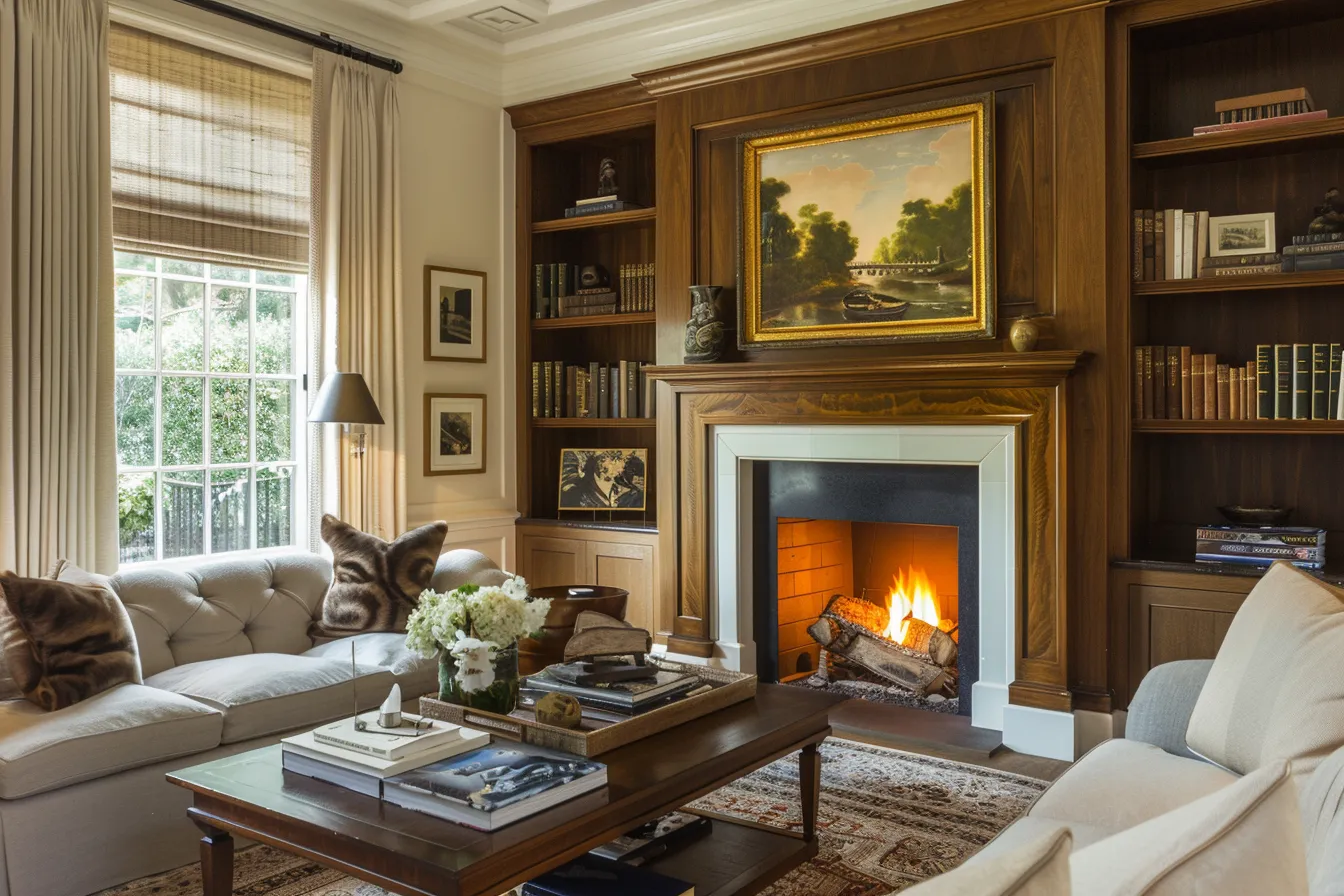
In a large open room, the eye needs a place to rest, and traditionally, that place is the hearth. A fireplace anchors the living zone, providing a vertical interruption in a room often dominated by horizontal furniture. In this aesthetic, the fireplace mantel should strike a balance between traditional and streamlined. A simple timber beam mantel that echoes the ceiling beams ties the room together vertically.
The surround should utilize natural materials—brick painted white, limestone, or plaster. Avoid overly ornate, Victorian-style carvings. The design should be humble yet substantial. Flanking the fireplace with built-in cabinetry or floating shelves adds necessary storage and symmetry, which is pleasing to the human eye. This area becomes the ‘cozy’ counterpoint to the ‘work’ area of the kitchen. Even if the fire isn’t lit, the presence of the hearth suggests warmth and gathering. Styling the mantel with a large, lean-to art piece or a mirror reflects light back into the room and adds a layer of personal curation to the architectural structure.
8. Bringing the Outdoors In: Biophilic Design
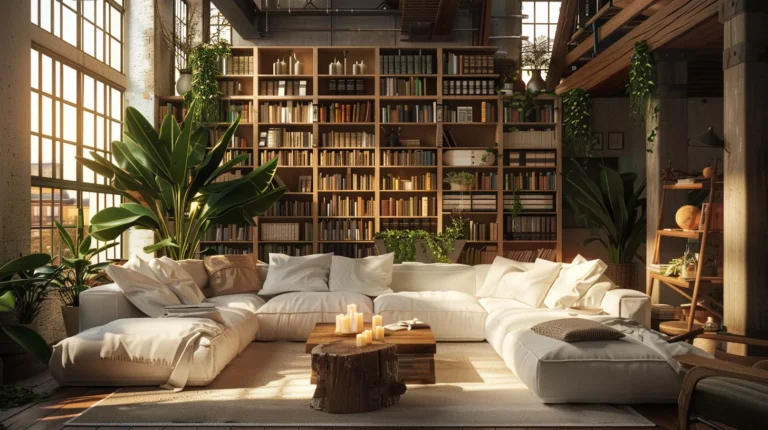
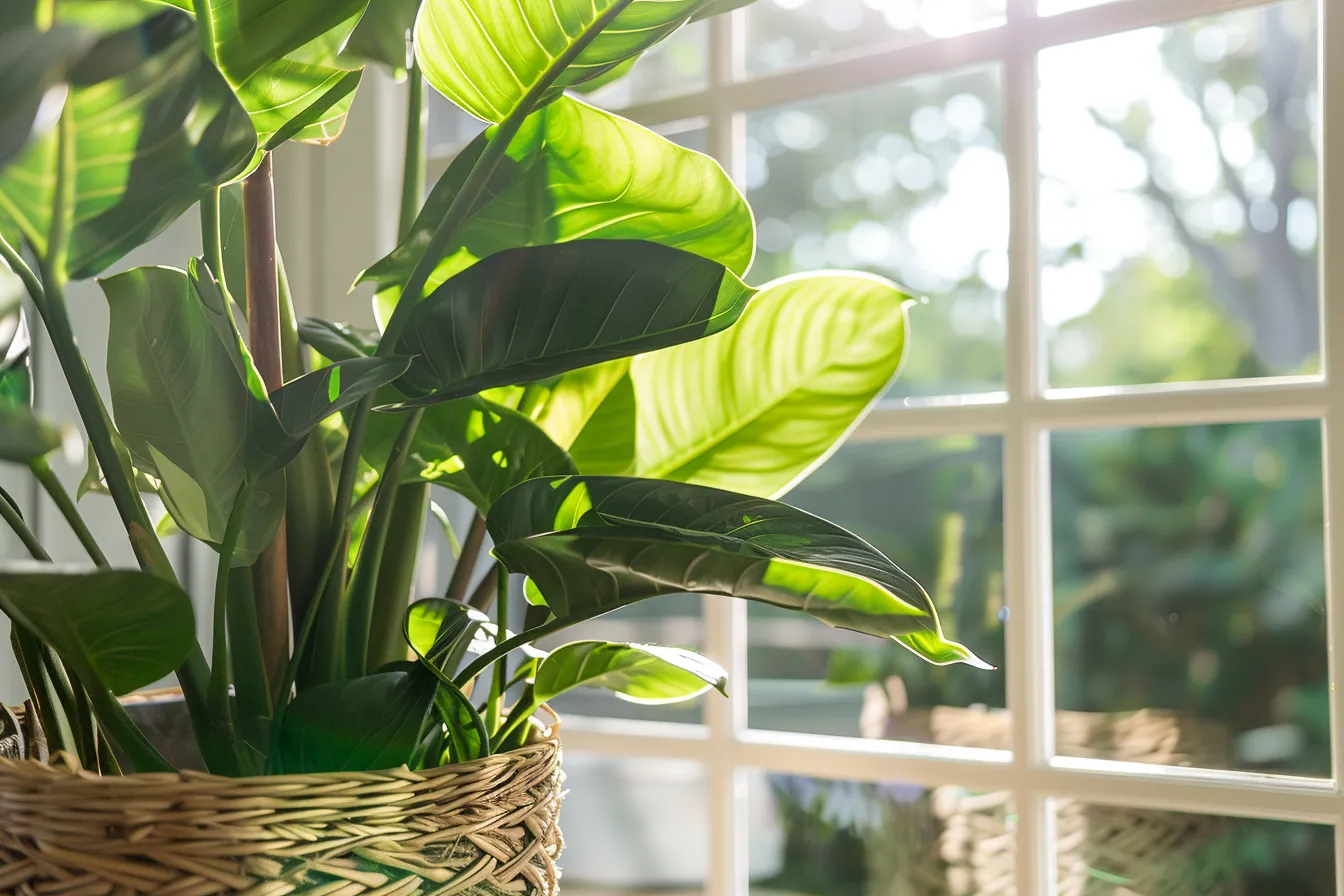
No Mediterranean or Farmhouse space is complete without a dedication to biophilic design—the concept of connecting occupants to the natural environment. This goes beyond a small succulent on a desk. We are talking about architectural plants that command space. A large olive tree, a fiddle leaf fig, or a towering bird of paradise placed in a sunny corner adds sculptural height and a burst of vibrant life to the neutral palette.
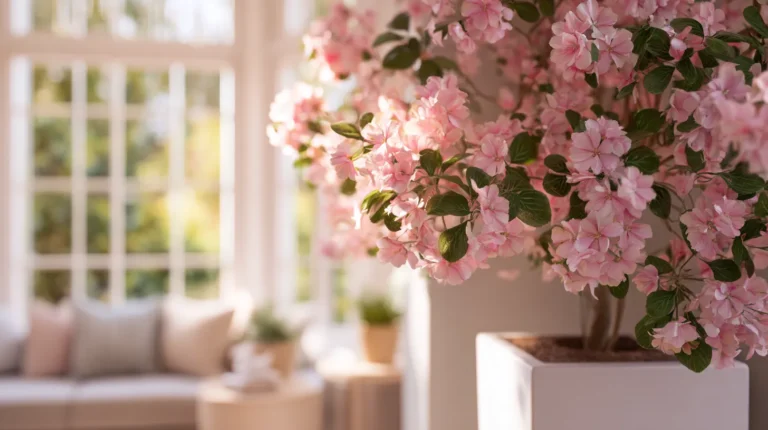
The color green is nature’s neutral; it works with every other color in this design scheme. Beyond plants, biophilic design includes the use of natural textures. Woven seagrass baskets, rattan chairs, and raw pottery reinforce this connection to the earth. Fresh flowers are non-negotiable for the polished look; a vase of bright pink peonies or hydrangeas on the kitchen island provides a necessary pop of color that breaks up the sea of beige and wood. These organic elements soften the hard lines of the architecture and improve air quality, making the home feel not just stylish, but physically healthier and more breathable.
9. The Nuanced Neutral Palette
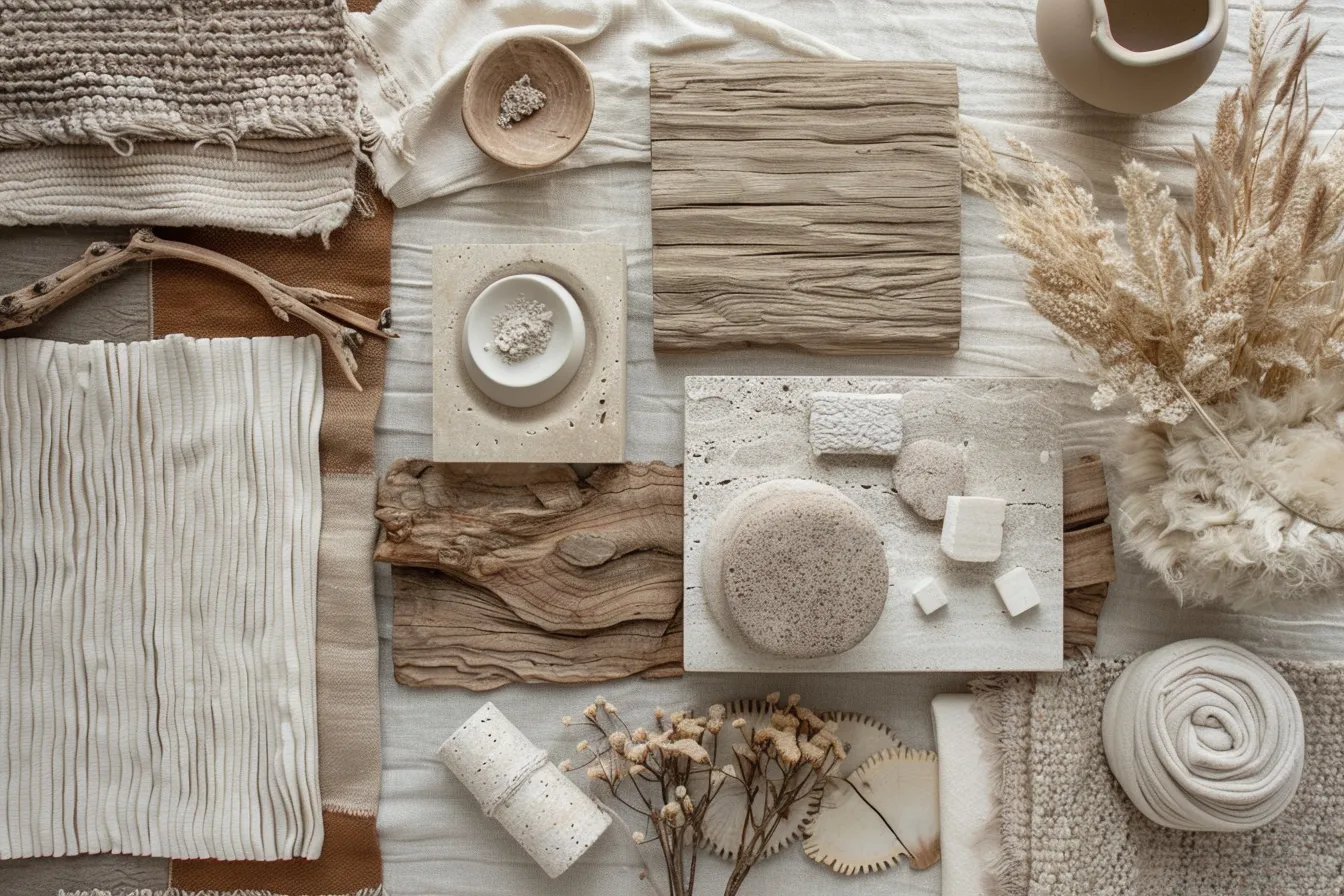
A neutral palette is often mistaken for a boring one, but in the hands of an expert, it is rich and complex. The secret to a successful neutral room is ‘layering.’ You are not just using ‘white.’ You are using cream, oatmeal, ecru, fawn, mushroom, and taupe. When you layer these shades, you create depth. If everything is the exact same shade of white, the room feels clinical. If you vary the tones, the room feels wrapped in warmth.
This palette serves as a calm backdrop for life. It allows the textures—the rough wood, the smooth stone, the nubby linen—to become the heroes of the design. To keep it from feeling flat, ensure you have enough contrast. The black window frames, the bronze hardware on the sink, and the dark legs of a coffee table provide the ‘punctuation marks’ in the sentence of your design. This low-contrast, high-texture approach mimics the natural landscapes of the Mediterranean coast, creating a visceral sense of relaxation that colored walls often struggle to achieve in open-concept spaces.
10. Softening with Textiles
The final layer of the design is what turns a house into a home: textiles. In an open concept space with wood floors and stone counters, sound can bounce around, making the room feel echoey and cold. Rugs are essential for dampening sound and zoning spaces. A vintage-style runner in the kitchen and a large area rug in the living room visually demarcate the separate functions of the floor plan without building walls.
Opt for natural fibers like wool, jute, or cotton. In the living area, toss pillows and throws in linen, velvet, or boucle add tactile comfort. The ‘crumple factor’ is important here—you want fabrics that look better when they are a little lived-in, not stiff or formal. This is ‘casual elegance.’ The juxtaposition of a soft, hand-knotted rug against wide-plank oak floors is the epitome of the warm farmhouse style. These textile elements allow you to introduce subtle patterns—like a faded Persian motif or a simple stripe—that add visual interest without overwhelming the serene atmosphere you have worked so hard to build architecturally.
Conclusion
Achieving the Modern Mediterranean Farmhouse look is less about buying specific items and more about understanding the philosophy of space. It is a design dialect that speaks of heritage, warmth, and an unhurried lifestyle. By knocking down visual barriers with an open floor plan, yet reintroducing structure through beams and archways, you create a home that flows effortlessly. By prioritizing natural light and organic materials, you build a sanctuary that stands the test of time, immune to the rapid cycling of micro-trends.
As you embark on your design journey, remember that the goal is not perfection, but livability. The scuff on the wood floor, the patina on the brass faucet, and the fade on the rug are all part of the story. This aesthetic improves with age and use. Whether you are remodeling a kitchen or simply swapping out throw pillows, every choice should filter through the lens of warmth and connection. Your home should be the place where you exhale, and by following these ten principles, you can craft a space that feels like a deep, restorative breath every time you walk through the door.