Why You’ll Never Want to Leave This Warm Maximalist Urban Sanctuary
In an era of cold, sterile minimalism, the ‘Warm Maximalist’ loft emerges as a defiant celebration of personality, history, and comfort. Imagine walking into a space that doesn’t just house your belongings, but breathes with them. This specific design philosophy, often referred to as ‘Hygge-Modernism,’ focuses on the intersection of industrial architecture and the soft, tactile needs of the human soul. The loft featured in our spotlight today is a masterclass in this balance. It utilizes high ceilings and open floor plans—traditionally cold features—and transforms them into a glowing sanctuary through the strategic use of amber lighting, organic materials, and a literal jungle of indoor greenery. The secret lies in the layering: the way a white linen sofa sits against a backdrop of thousand-book libraries, or how a sharp metal staircase is softened by trailing vines. It is a space designed for the slow life—for long afternoons lost in a novel and evening conversations fueled by candlelight. As we dive into the ten essential elements that make this space a viral sensation, we explore how you can replicate this cozy grandeur in your own home, regardless of your square footage. It is about more than just furniture; it is about creating an ecosystem of comfort that shields you from the frantic pace of the outside world, turning four walls into a living, breathing retreat.
1. The Power of Vertical Interest

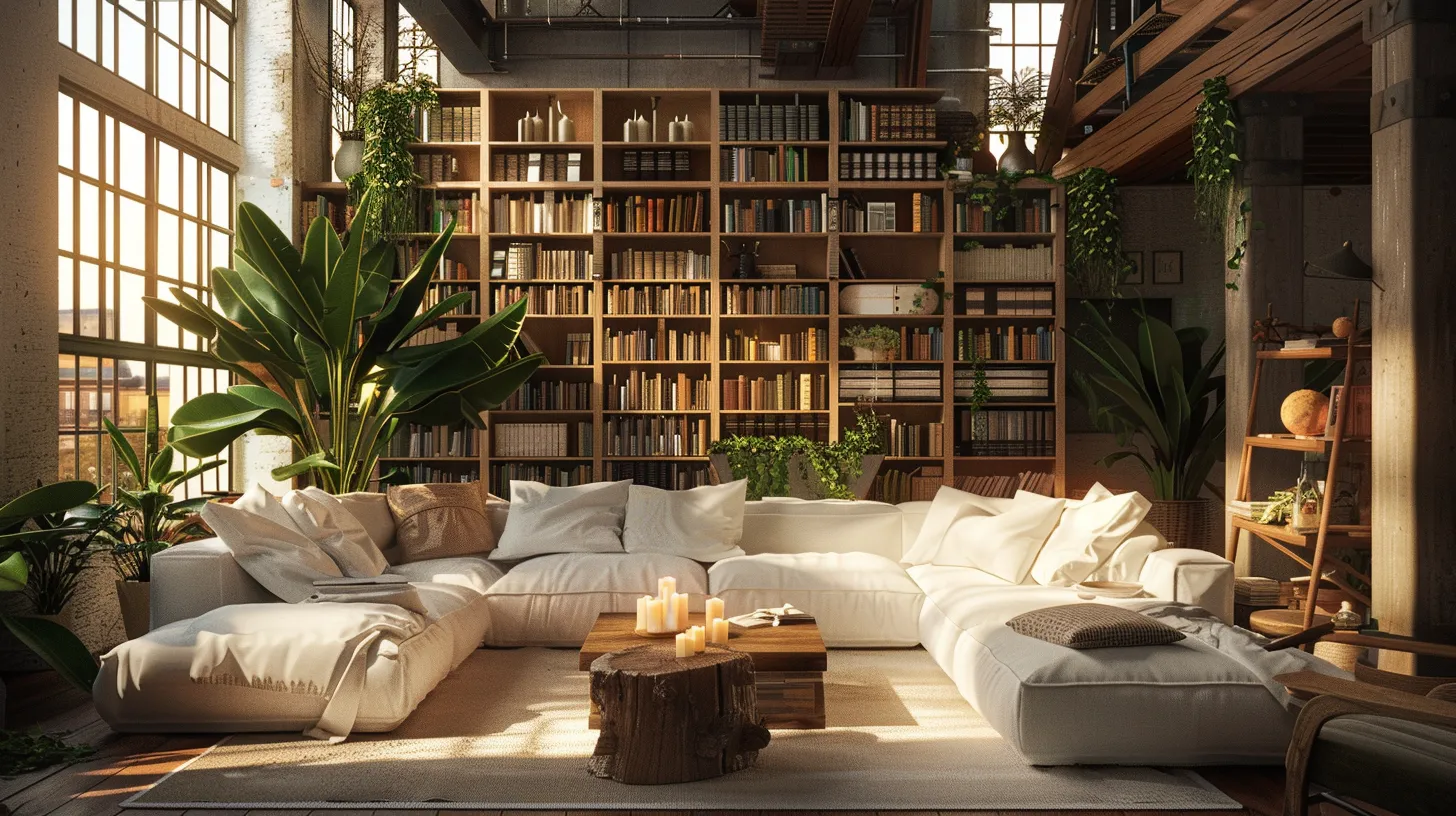
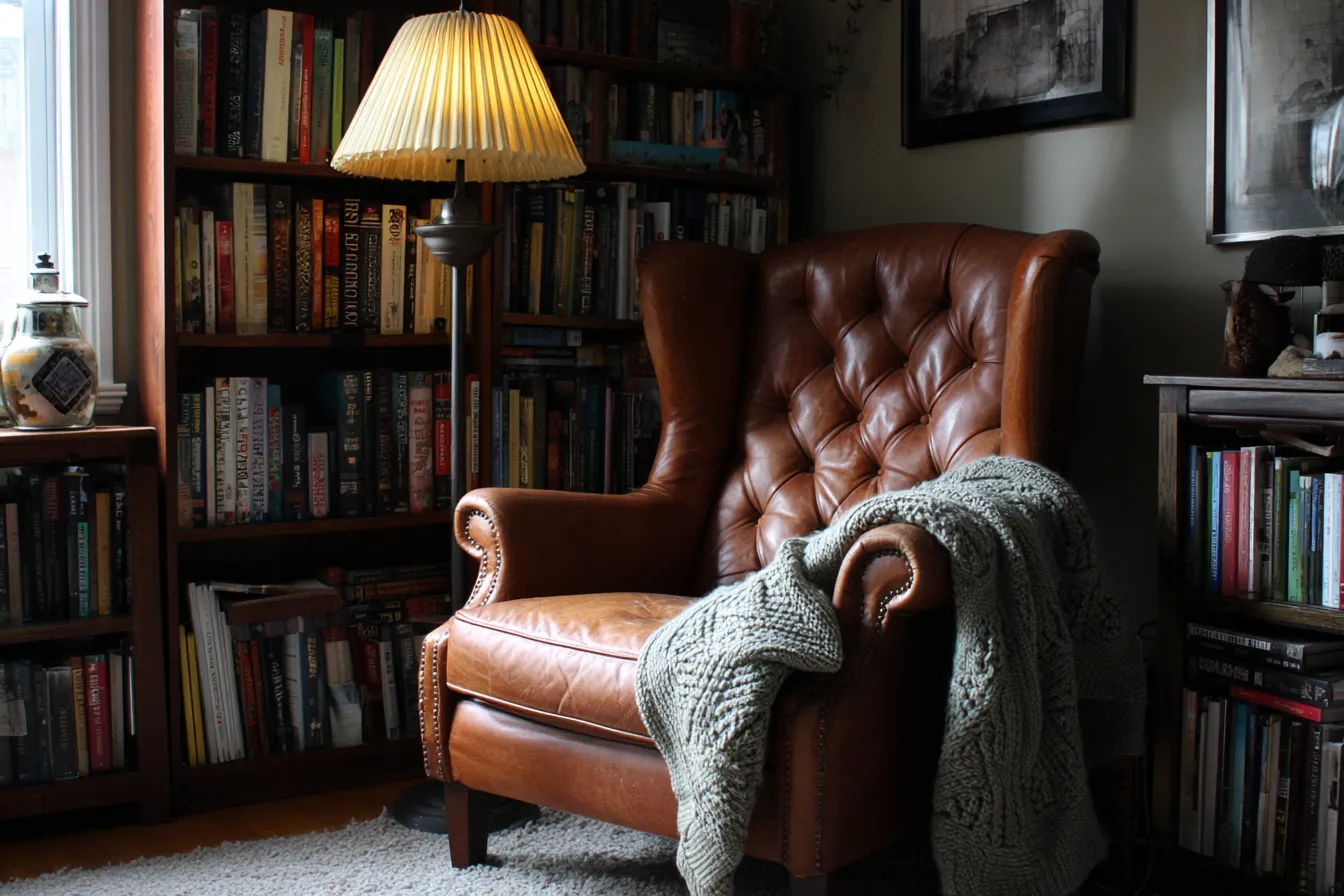
One of the most striking features of this urban loft is the way it utilizes vertical space. Instead of leaving high walls blank, the design incorporates floor-to-ceiling bookshelves that act as both storage and insulation. These ‘book walls’ provide a textured backdrop that absorbs sound, making large rooms feel more intimate. By drawing the eye upward, the design emphasizes the grandeur of the loft while simultaneously making it feel packed with knowledge and history. This verticality is reinforced by the mezzanine level, which creates a layered viewing experience. To achieve this, consider installing floating shelves that reach toward the ceiling, or using tall, slender plants like the Fiddle Leaf Fig to bridge the gap between the floor and the rafters. The goal is to ensure that no part of the room feels empty or cavernous, but rather filled with intentionality and warmth.
2. Layered Lighting and the Amber Glow

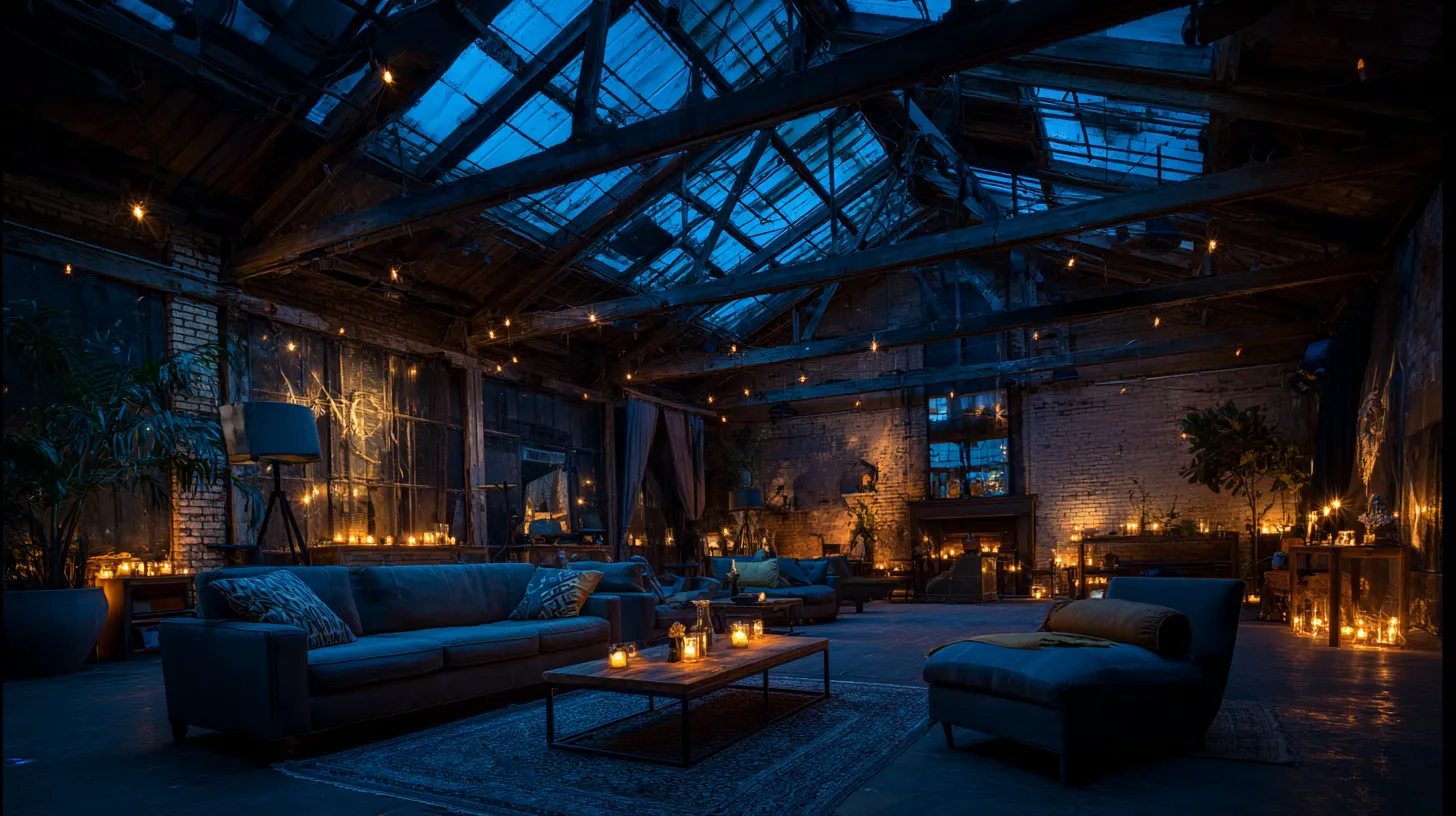
Lighting is the heartbeat of the warm maximalist aesthetic. Rather than relying on a single overhead fixture, this loft employs a ‘layering’ technique using multiple low-intensity light sources. From the integrated shelf lighting to the classic floor lamps and flickering table candles, every light is chosen for its color temperature. Warm, amber tones (2700K or lower) are essential for creating that sunset-hued sanctuary vibe. This approach eliminates harsh shadows and replaces them with a soft, inviting glow that mimics the hearth of a fireplace. When recreating this, avoid ‘daylight’ bulbs which can make a cozy room look clinical. Instead, opt for dimmable smart bulbs and place lamps at varying heights—some on the floor, some on tables, and some tucked into bookshelves—to create a dynamic environment that shifts beautifully as the sun goes down outside.
3. The Indoor Jungle Effect
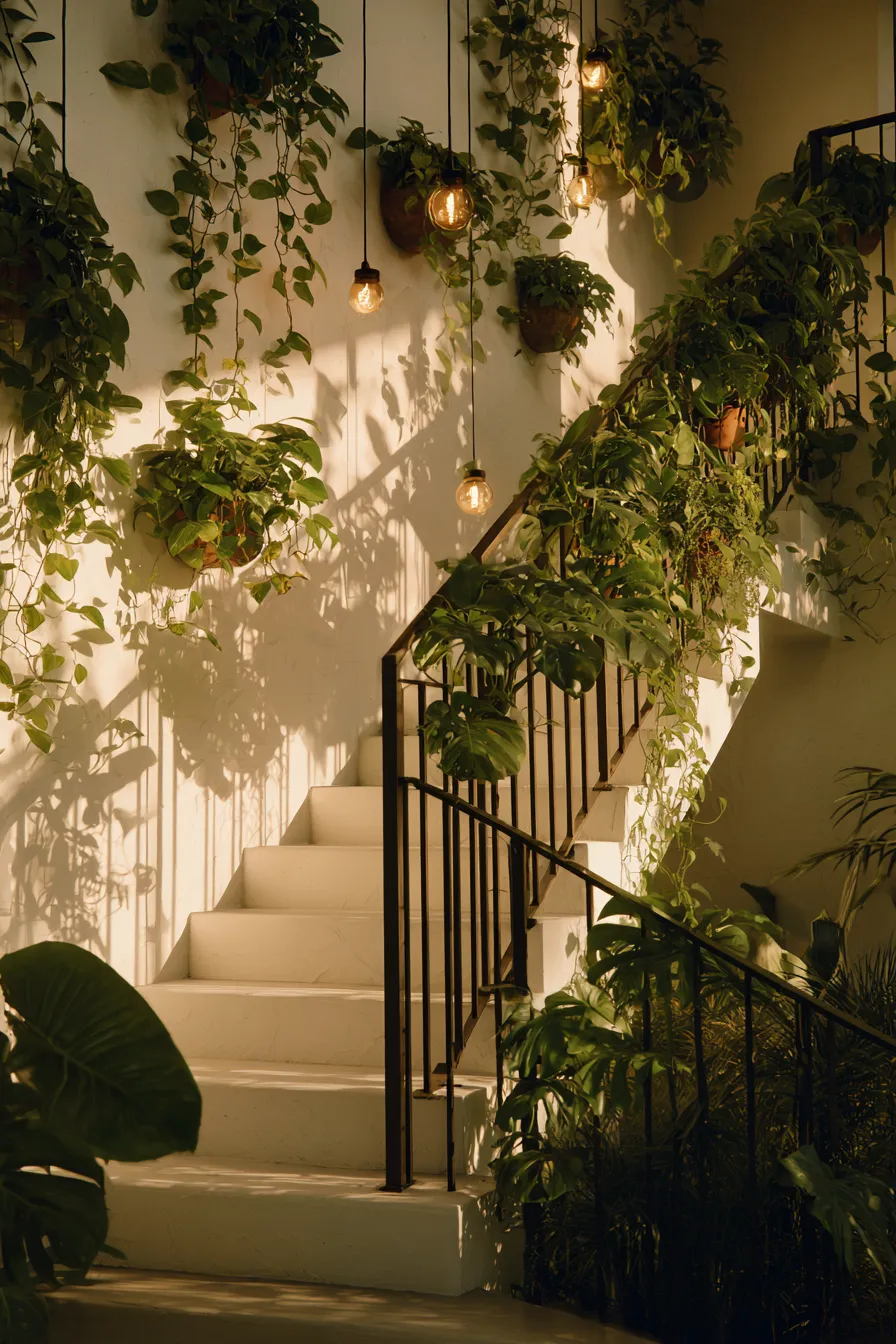
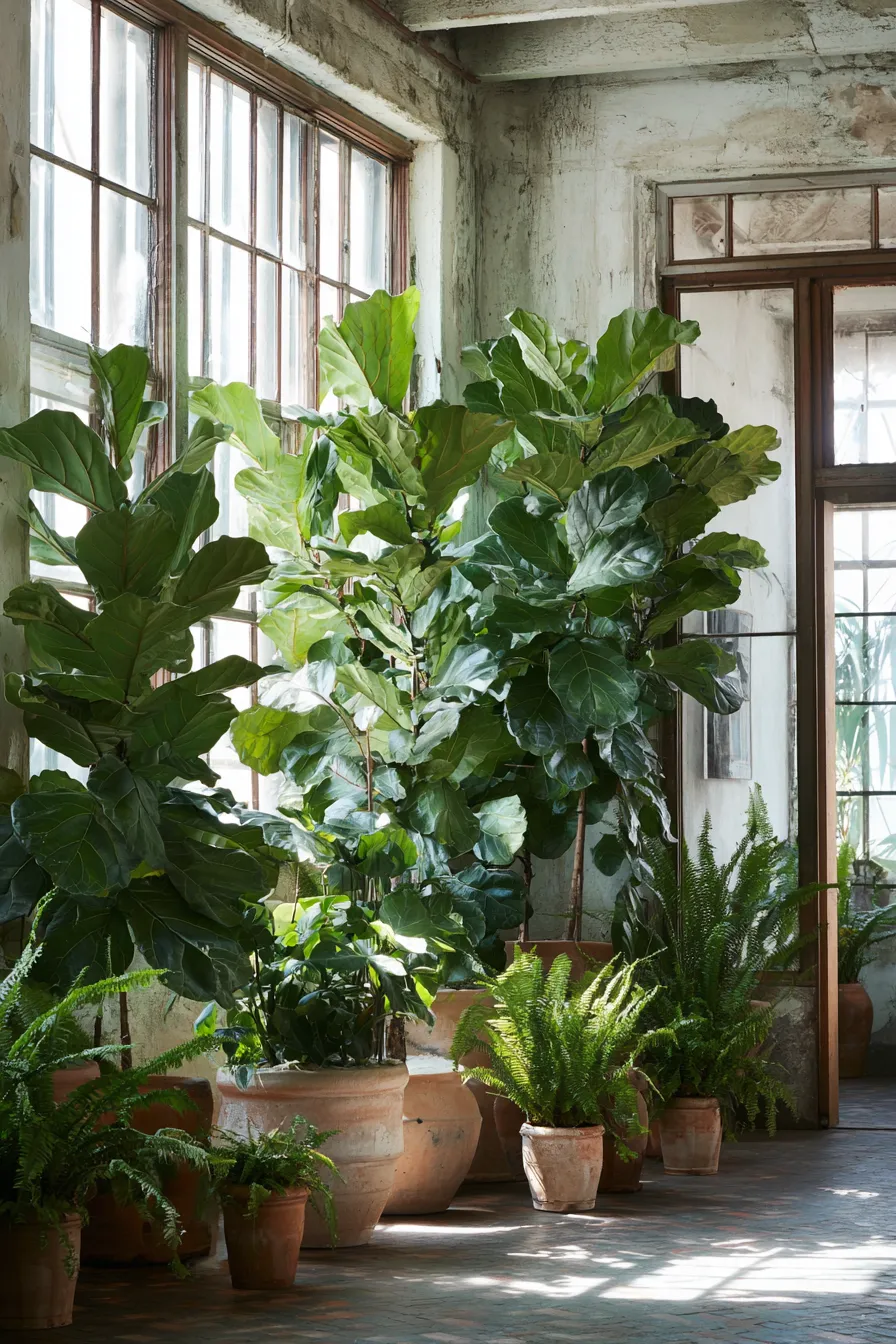
Plants are the lungs of this loft. The presence of lush greenery serves two purposes: it breaks up the straight lines of the industrial architecture and introduces a vibrant, living element to the neutral color palette. In this space, plants aren’t just accessories; they are structural components. They trail down from the staircase, cluster in the corners, and perch on high ledges. This ‘urban jungle’ vibe connects the indoors with the natural world, which is scientifically proven to reduce stress and improve air quality. For those looking to replicate this, start with hardy varieties like Pothos or Philodendrons that can survive in various lighting conditions. Use terracotta or ceramic pots to add earthy textures. The key is variety in scale—mix large, leafy floor plants with delicate, trailing vines to create a sense of organic growth that feels spontaneous rather than staged.
4. Tactile Textures in White Linen
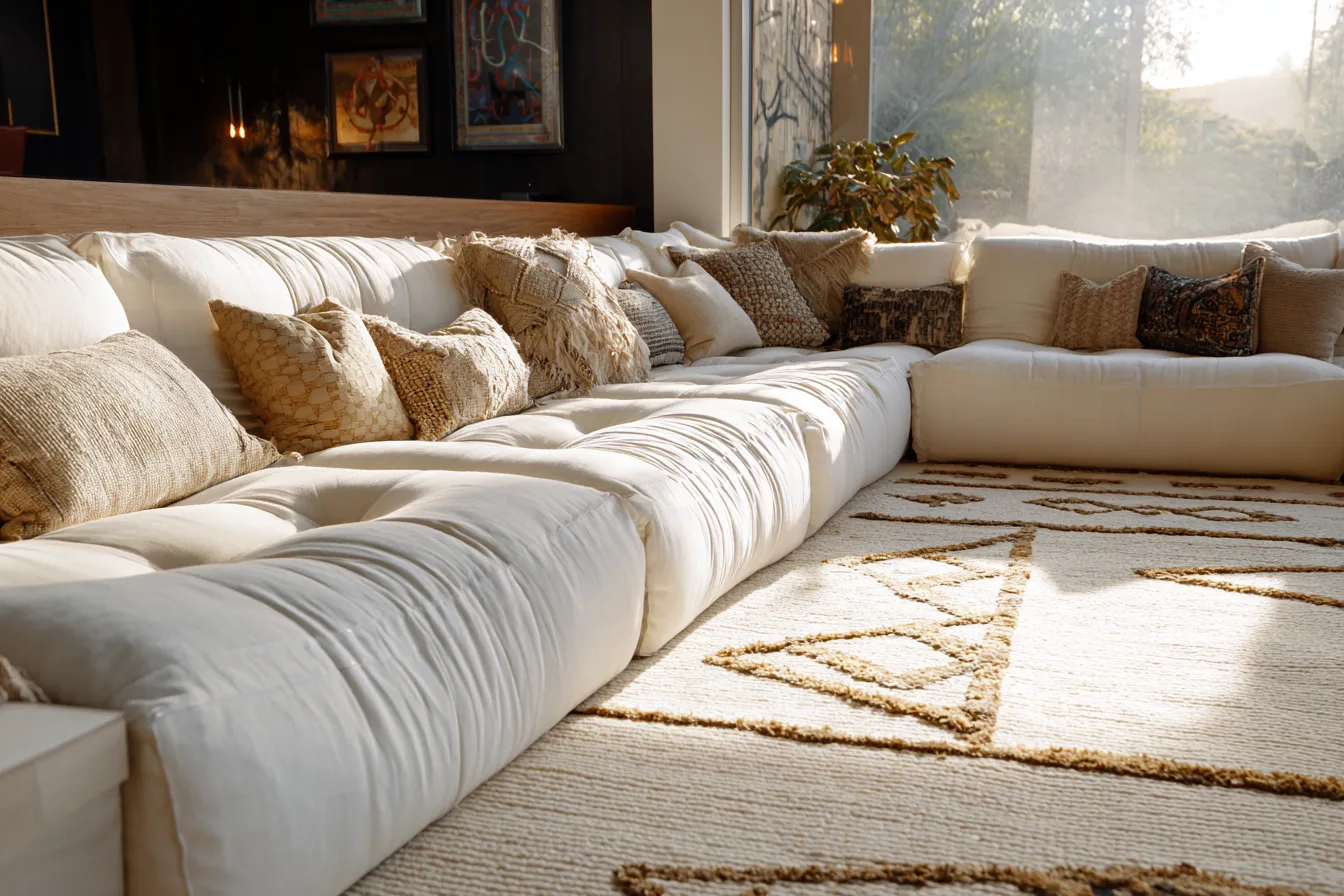
The center of the living area is dominated by a sprawling white linen sectional. While white furniture might seem risky, in a maximalist space, it acts as a necessary visual anchor. The linen fabric provides a soft, breathable texture that contrasts beautifully with the hard wood of the coffee table and the metal of the stairs. It invites you to sink in and stay a while. To prevent the white from looking too stark, it is layered with throw pillows in muted earth tones—beiges, tans, and charcoal grays. This tonal consistency keeps the room feeling cohesive despite the many objects surrounding it. If you’re worried about maintenance, look for slipcovered options that can be easily washed, allowing you to maintain that pristine, cloud-like aesthetic without the stress of everyday life interfering with your design.
5. Curating the Coffee Table Vignette
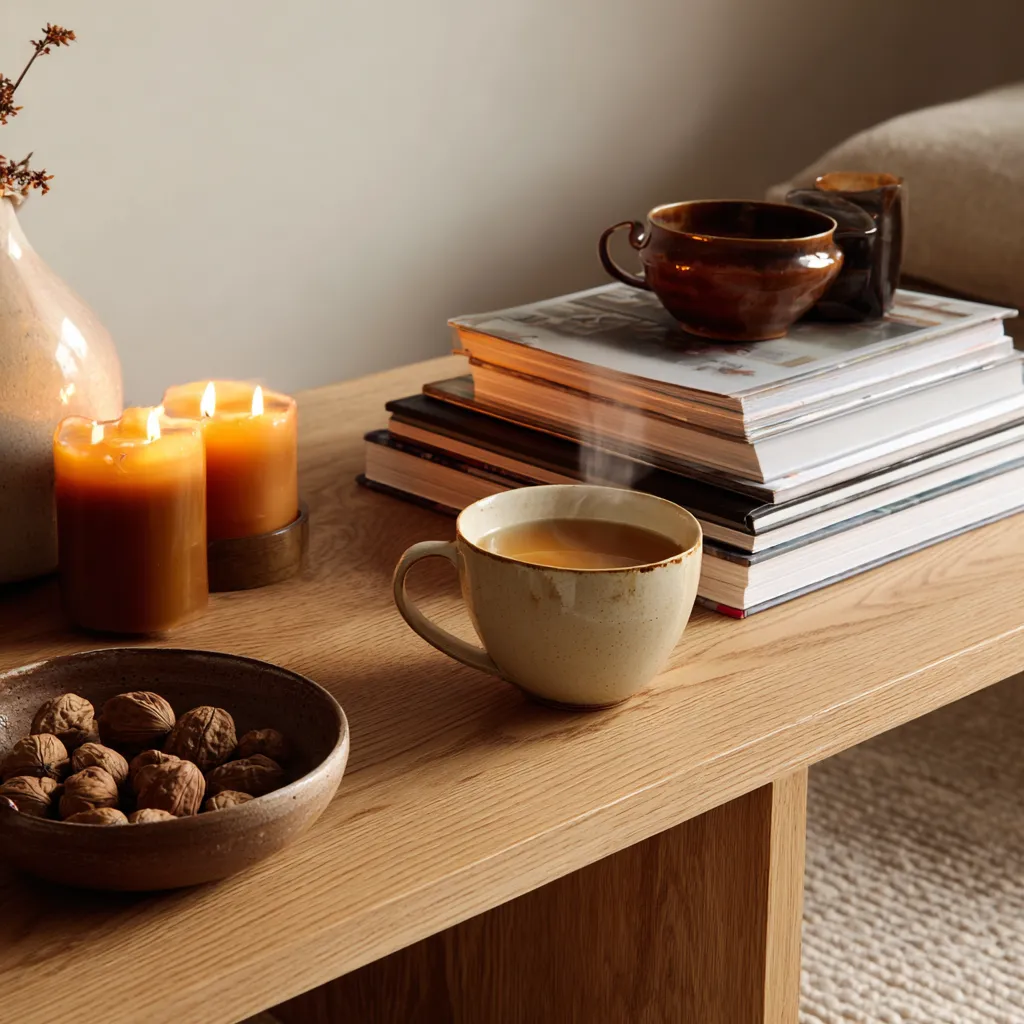
In a maximalist home, the coffee table is a stage for personal expression. This loft features a low, wide wooden table that serves as a focal point for the seating area. It isn’t cluttered; it is curated. Stacks of high-quality art and architecture books provide height, while a simple ceramic bowl and candles provide texture and light. This vignette is an invitation to slow down. It suggests a lifestyle where one sits with a coffee and flips through a book rather than scrolling on a phone. When styling your own table, follow the ‘rule of three’: group items in odd numbers, vary their heights, and leave enough ‘negative space’ so the table remains functional. The use of natural wood grain in the furniture also helps to ground the room, providing a warm organic touch that balances the white upholstery.
6. Architectural Layers and Mezzanines
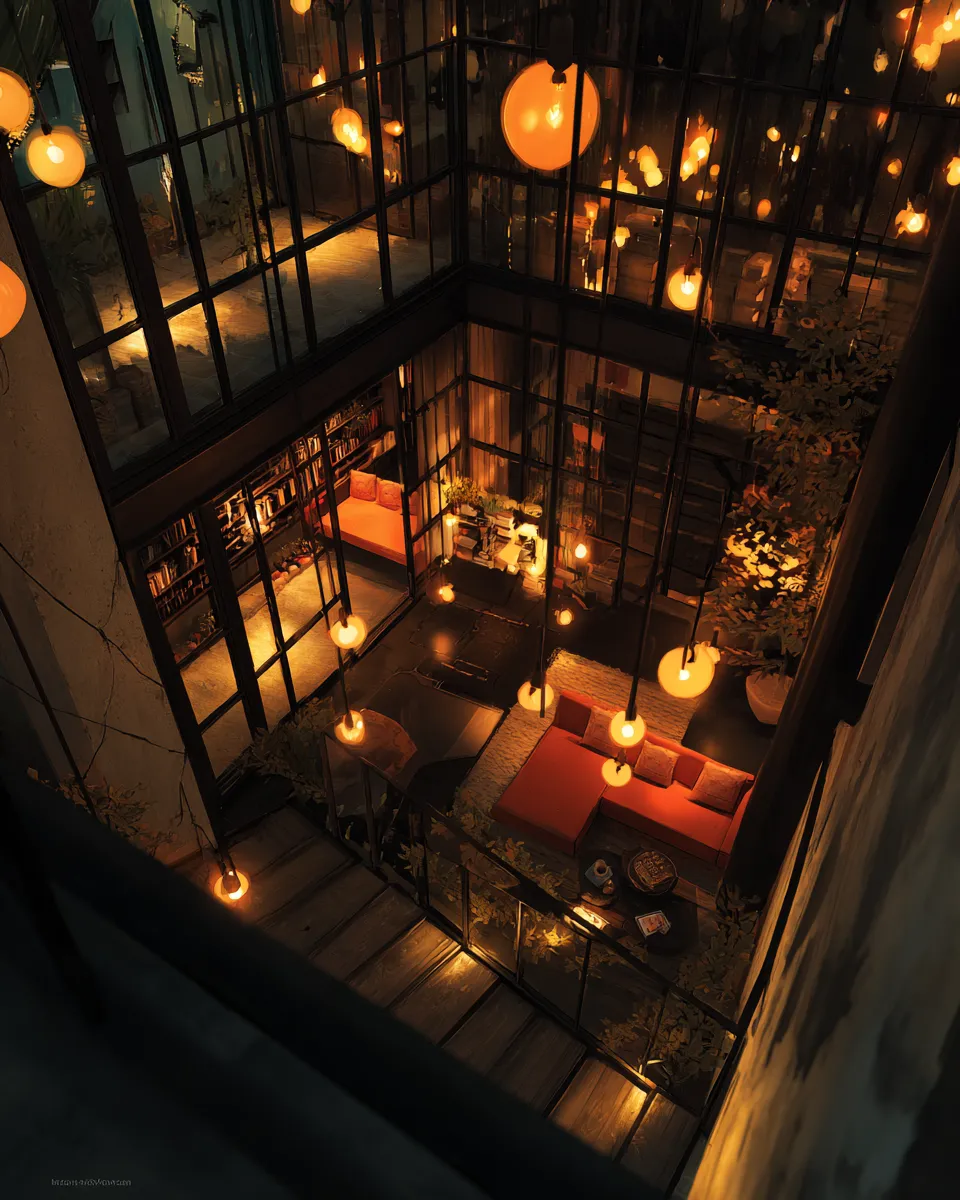
The complexity of the loft’s architecture is one of its greatest strengths. The mezzanine level creates a ‘room within a room’ feel, allowing for different zones of activity without the need for walls. From the living room, you can see the railing of the upper floor, which creates a sense of mystery and depth. This architectural layering is perfect for modern living, where work-from-home spaces and relaxation zones often need to coexist. If your home doesn’t have a built-in mezzanine, you can create a similar effect using tall room dividers, open-backed shelving units, or even just by changing the floor levels with thick rugs. The idea is to create ‘sightlines’—views from one part of the home into another that reveal new details and textures, making the entire space feel like a discovery.
7. The Gallery Wall of Memories
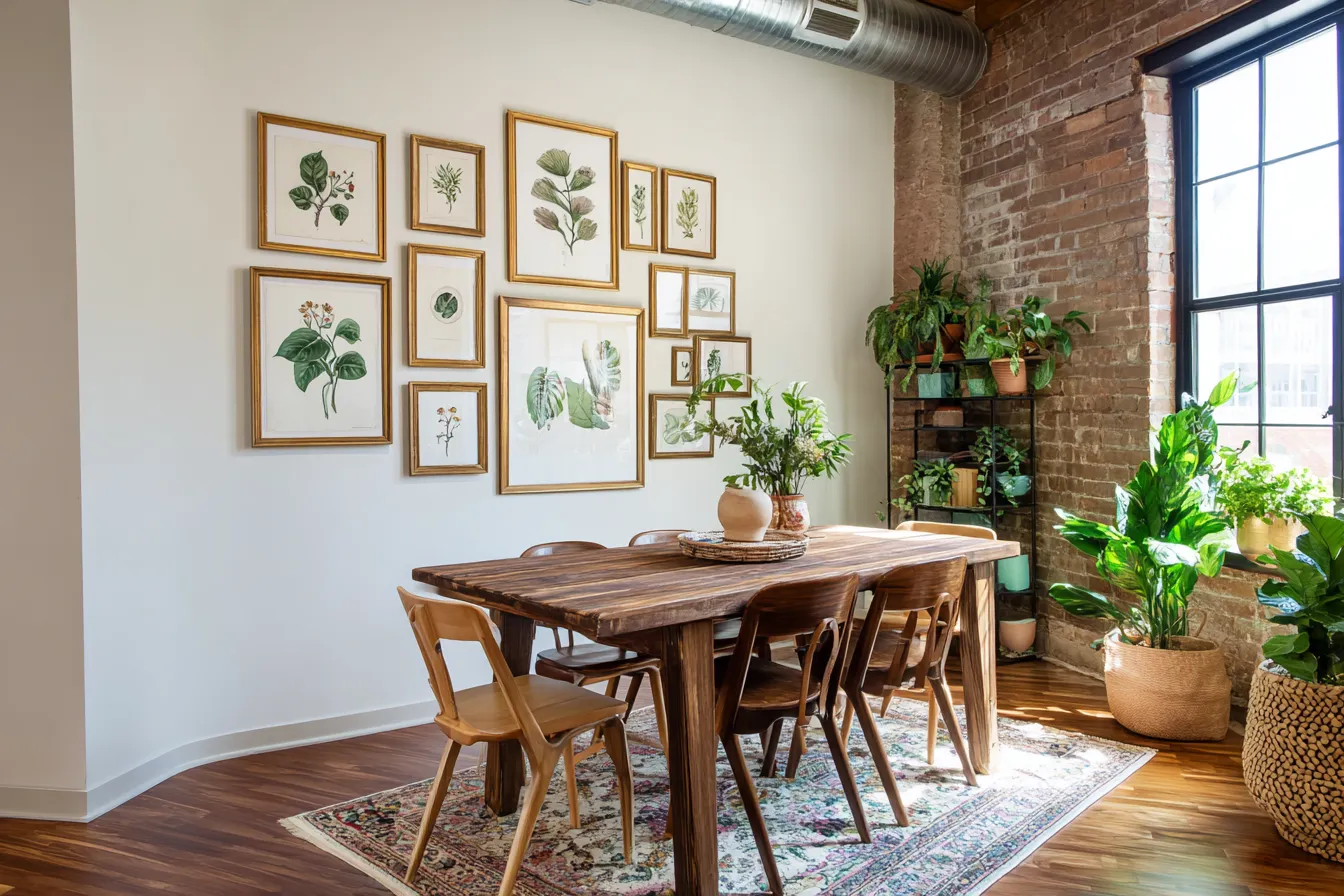
Behind the dining area, a thoughtfully arranged gallery wall provides a window into the inhabitant’s personality. These frames aren’t just filled with generic art; they feel like collected memories, botanical prints, and sketches accumulated over time. The key to a successful gallery wall in a maximalist space is consistent framing. Using similar frames—perhaps all wood or all black—allows the diverse subject matter of the art to feel like a singular, cohesive installation. This prevents the wall from feeling messy or overwhelming. In an open-plan loft, a gallery wall helps to define a specific area, like a dining nook or a workspace, giving it its own identity within the larger room. It is a visual narrative that tells the story of who lives there, adding a layer of soul that a blank wall simply cannot provide.
8. Open-Plan Dining and Socializing
The transition from the living area to the dining area is seamless, facilitated by the shared warmth of the wood and the consistent lighting. The dining table is positioned under a mezzanine, creating a more intimate, ‘caved-in’ feeling that is perfect for dinner parties. The use of mismatched or mid-century modern chairs adds a touch of eclectic charm, reinforcing the idea that this home was built over time rather than bought out of a single catalog. By keeping the dining area open to the living room, the space remains social. Someone can be cooking or eating while still being part of the conversation happening on the sofa. This flow is essential for modern urban living, where the home serves as a multipurpose hub for entertaining, working, and resting all at once.
9. Industrial Accents with a Soft Edge
True to its loft heritage, the space features industrial elements like black metal railings and sharp architectural lines. However, unlike traditional industrial design which can feel cold or ‘factory-like,’ this space softens every edge. The metal railings are draped in plants, and the white plaster walls reflect the warm light. This ‘Soft Industrial’ look is a major trend because it offers the coolness of city living with the comfort of a cottage. You can achieve this by pairing metal furniture with soft textiles—think a steel bed frame with heavy linen sheets, or a metal bookshelf filled with colorful, well-worn books. It’s all about the juxtaposition of materials: the hard against the soft, the old against the new, and the cold against the warm.
10. Creating Zones with Area Rugs
In a large open space, floor coverings are the secret to organization. This loft uses large, neutral-toned area rugs to ‘anchor’ the furniture groups. The rug under the sectional sofa defines the ‘relaxation zone,’ separating it visually from the dining and library areas. Rugs also add another layer of texture and sound dampening, which is crucial in lofts with hard floors. Choosing a rug with a subtle pattern or a high pile can add a sense of luxury and comfort underfoot. When selecting a rug for a maximalist space, size is everything—ensure it is large enough for all the legs of the furniture to sit on it, which creates a sense of ‘islands’ within the room. This makes a large, open floor plan feel structured and intentional rather than scattered.
Conclusion
The Warm Maximalist Urban Loft is more than just a trend; it is a lifestyle choice that prioritizes human comfort and personal expression above all else. By embracing the ‘more is more’ philosophy—more books, more plants, more light sources—you create a home that feels like a warm embrace. This design proves that you don’t have to sacrifice style for comfort. Whether you live in a sprawling industrial loft or a small city apartment, the principles remain the same: layer your textures, curate your collections, and never underestimate the power of a well-placed candle. As we’ve seen, the magic happens in the details—the way the light hits a stack of books or the way a vine curls around a metal rail. It is these small, intentional touches that transform a house into a home. We hope this deep dive has inspired you to look at your own space through a lens of warmth and abundance. After all, your home should be a reflection of your journey, filled with the things that bring you joy and the light that makes you feel safe. Embrace the clutter, find the glow, and build your own sanctuary.