10 Secrets to Crafting a Grand Biophilic Living Room Oasis
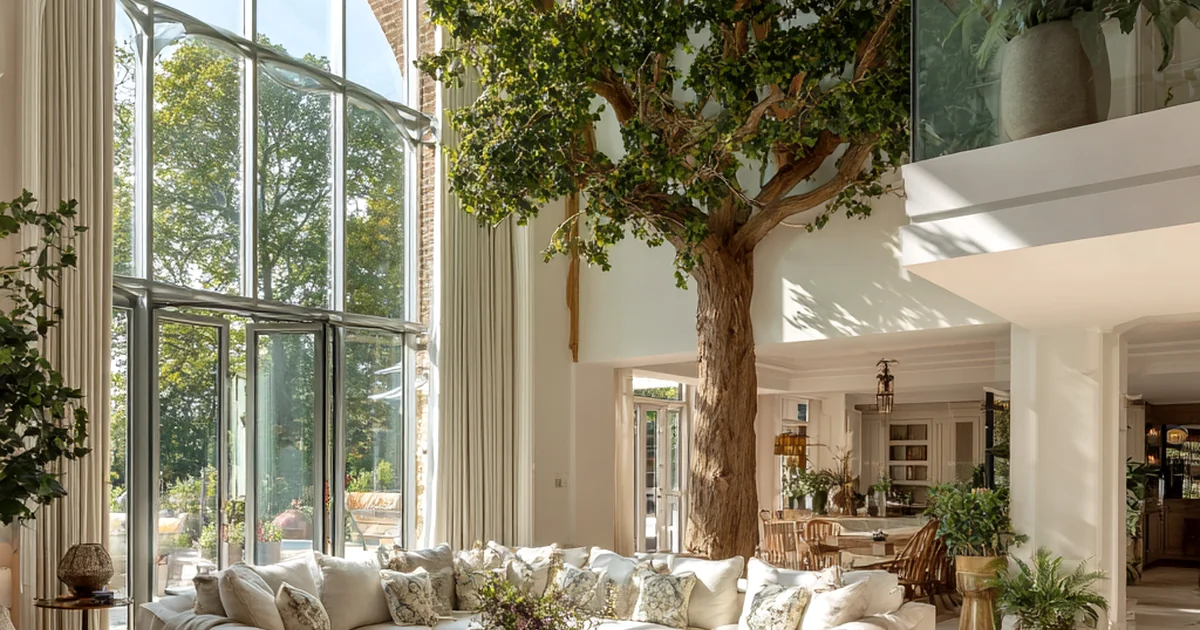
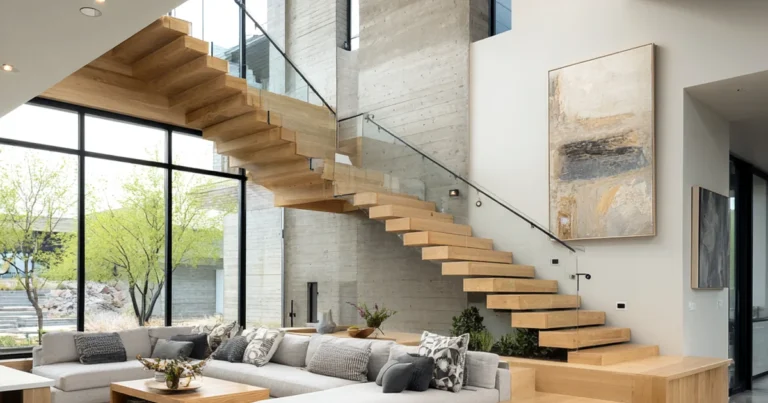
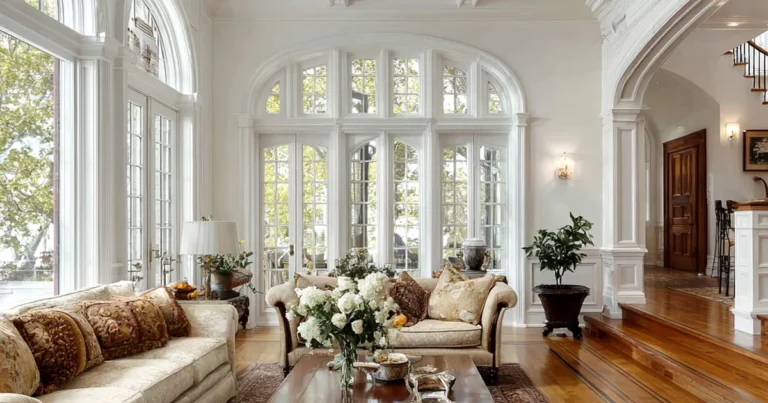
In a world increasingly dominated by digital screens and urban concrete, the yearning for nature’s embrace within our homes has never been stronger. Imagine stepping into a living space that not only exudes sophisticated elegance but also breathes with the restorative power of the natural world. This is the essence of a grand biophilic living room, a sanctuary where expansive natural light dances across rich textures, and a magnificent indoor tree stands as a living sculpture, connecting you deeply to the earth’s rhythm. Biophilic design is more than just adding a few potted plants; it’s a holistic philosophy that integrates natural elements and processes into the built environment to enhance well-being, productivity, and connection to life. For a grand living room, this translates into an aesthetic that is simultaneously majestic and serene, blending the timeless appeal of classic design with the clean lines of transitional style and the organic warmth of nature-inspired elements. It’s about creating a space that feels expansive and luxurious, yet inherently grounded and calming. This article is your definitive guide to transforming your grand living room into such a biophilic haven. We will delve into the strategic choices that elevate a room from merely beautiful to truly transformative. From selecting the perfect prominent indoor tree that commands attention, to artfully maximizing natural light, and curating a palette of natural materials and calming colors, each element plays a crucial role. You’ll discover how to blend classic furniture with organic forms, incorporate subtle water features, and create a seamless transition between your indoor and outdoor environments. Prepare to learn ten actionable strategies that will enable you to design a living room that not only looks breathtaking but also nurtures your soul, offering a daily dose of tranquility and natural splendor. Get ready to unlock the secrets to a living space that truly lives.
1. The Majestic Centerpiece: Your Prominent Indoor Tree
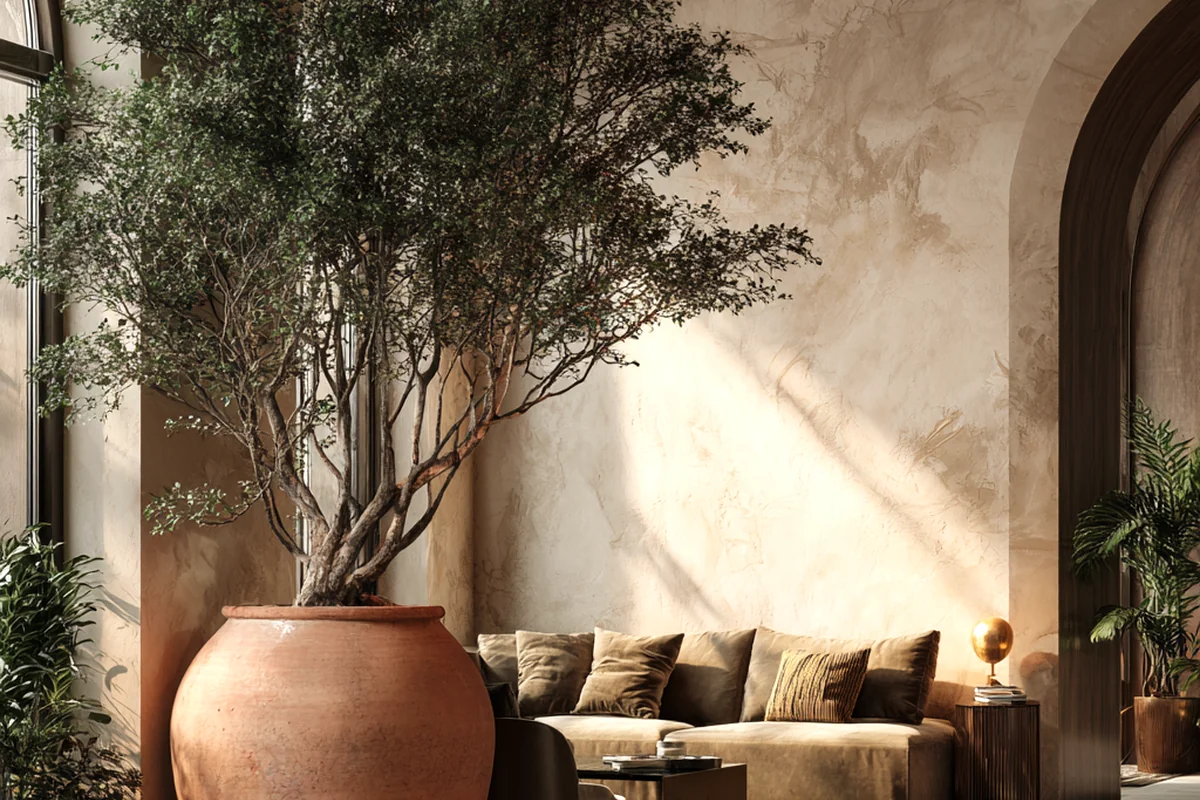
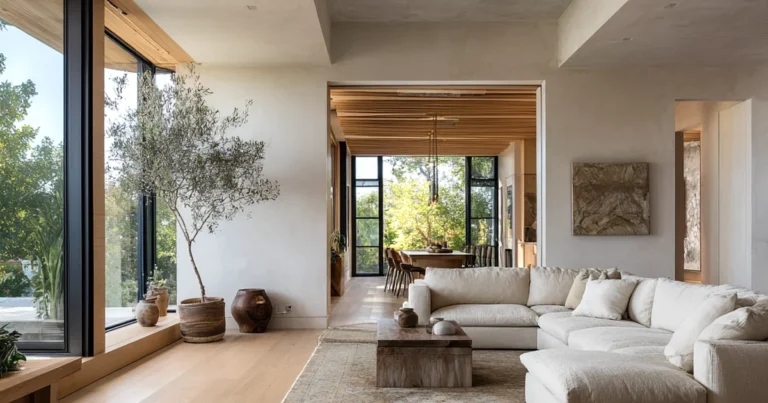
A prominent indoor tree is the undisputed focal point of any grand biophilic living room, serving as a living sculpture that instantly elevates the space. This isn’t just about decor; it’s about inviting a significant piece of nature indoors, acting as a natural air purifier, a source of vibrant greenery, and a powerful symbol of life and growth. When selecting your tree, consider species like the Fiddle Leaf Fig (Ficus Lyrata) for its bold, architectural leaves, the Olive Tree for its timeless elegance and silvery foliage, or a tall Bird of Paradise for its dramatic scale and tropical flair. **The Why:** Beyond aesthetics, a large indoor tree psychologically grounds the space, creating a sense of permanence and connection to the outdoors. It provides a natural vertical element that draws the eye upward, enhancing the room’s perceived height and grandeur. **The How:** Placement is paramount. Position your tree where it receives ample natural light – often near a large window or glass door – ensuring it thrives. The pot choice is equally critical; opt for substantial, high-quality planters made from natural materials like terracotta, glazed ceramic, concrete, or even polished metal to complement the room’s elegant aesthetic. The pot should be proportionate to the tree and the room’s scale. **Practical Styling & Spatial Arrangement:** Allow the tree enough breathing room; don’t overcrowd it with smaller furniture. It should feel like a standalone piece of art. Consider its leaf texture – the broad, glossy leaves of a Fiddle Leaf Fig offer a striking contrast to soft linen upholstery, while the delicate texture of an Olive tree can soften more rigid furniture lines. Ensure adequate drainage and a watering schedule suitable for your chosen species. The tree acts as an anchor, around which your seating arrangement can gracefully unfold, defining zones within the grand space.
2. Harnessing the Power of Expansive Natural Light
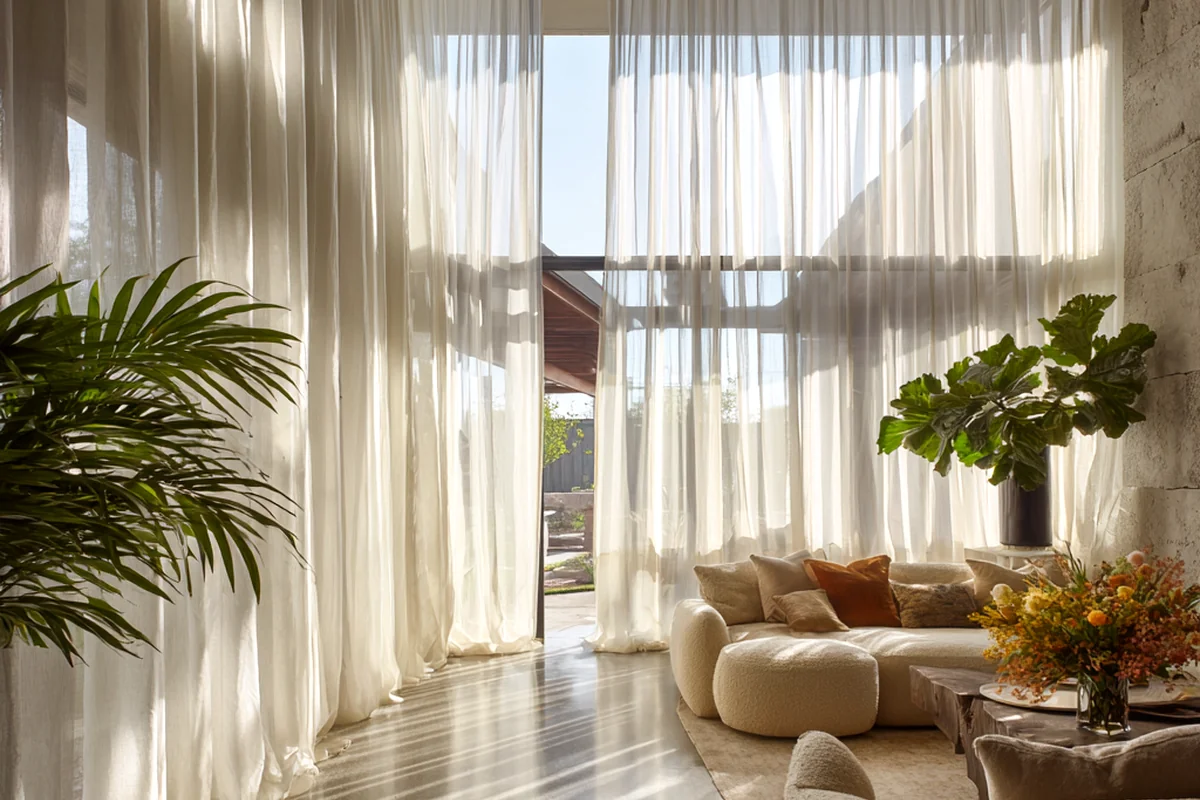
Expansive natural light is the lifeblood of a grand biophilic living room, utterly essential for both the flourishing of your indoor tree and the overall well-being of its inhabitants. It’s a design element that transcends mere illumination, acting as a mood enhancer, a spatial enlarger, and a dynamic storyteller, constantly shifting and revealing the textures and colors within the room. Maximizing natural light is paramount to achieving that serene, airy, and truly connected-to-nature feel. **The Why:** Abundant natural light reduces the need for artificial lighting, lowers energy consumption, and has scientifically proven benefits for human circadian rhythms, mood, and cognitive function. It highlights the natural materials and textures, making them appear more vibrant and authentic. For your biophilic elements, especially the prominent indoor tree, it’s non-negotiable for their health and vitality. **The How:** Begin by minimizing heavy window treatments. Opt for sheer linen drapes that filter harsh light while maintaining privacy and a soft glow, or choose blinds that can be fully recessed when open. Keep window panes sparkling clean to ensure maximum light penetration. Strategically place large mirrors on walls opposite windows to reflect and amplify the incoming light, effectively doubling its presence. Light-colored walls and ceilings in hues like soft whites, creams, or pale greens will further bounce light around the room, making it feel larger and brighter. **Practical Styling & Spatial Arrangement:** Arrange furniture to avoid obstructing windows. Create clear pathways to natural light sources. The interplay of light and shadow can also be a design feature; observe how light changes throughout the day and how it interacts with your tree and other design elements. Reflective surfaces like glass tabletops, polished metallic accents, and glossy ceramics will further catch and spread light, adding sparkle and depth to your grand living space.
3. A Symphony of Natural Materials and Textures
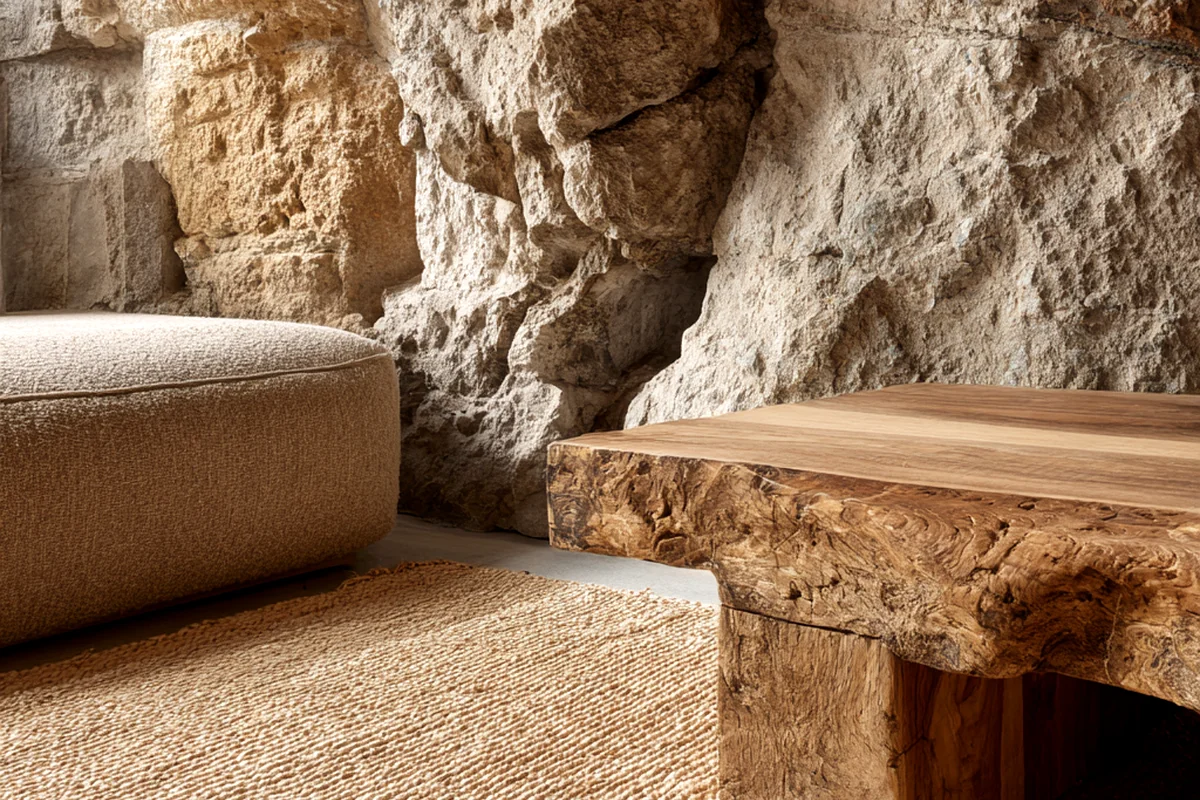
To truly embody biophilic elegance in a grand living room, a deliberate and generous application of natural materials and textures is non-negotiable. This approach moves beyond mere decoration; it’s about creating a tactile and visual landscape that resonates with the inherent beauty and grounding essence of the earth itself. The richness and authenticity of these materials are what give the space its timeless, nature-inspired, and effortlessly luxurious feel. **The Why:** Natural materials like wood, stone, linen, wool, and jute provide a sense of authenticity and durability that synthetic alternatives simply cannot replicate. They connect us to the earth, offering varied tactile experiences and visual warmth. This layering of textures stimulates the senses, adding depth, comfort, and an organic quality that is vital for biophilic design. **The How:** Start with foundational elements: consider wide-plank wood flooring in warm oak or walnut, or large format stone tiles that extend to an outdoor patio. For upholstery, prioritize natural fibers: soft, breathable linen, luxurious wool, textured cotton, or even a subtle velvet made from natural blends. Introduce furniture with exposed natural wood frames, perhaps a live-edge coffee table, or side tables crafted from solid stone. **Practical Styling & Spatial Arrangement:** Layering is key. Pair the smooth coolness of a marble fireplace surround with the rough texture of a jute rug. Contrast the soft drape of linen curtains with the sturdy grain of a wooden console. Use woven baskets for storage, and throw blankets in chunky knits or cashmere. In a grand space, ensure that these textures are distributed evenly, creating visual interest without overwhelming. Allow generous spacing between pieces so that each material’s unique character can be appreciated. The spatial arrangement should facilitate a journey through these tactile landscapes, inviting interaction and appreciation of nature’s artistry.
4. The Biophilic Color Palette: Earth’s Embrace
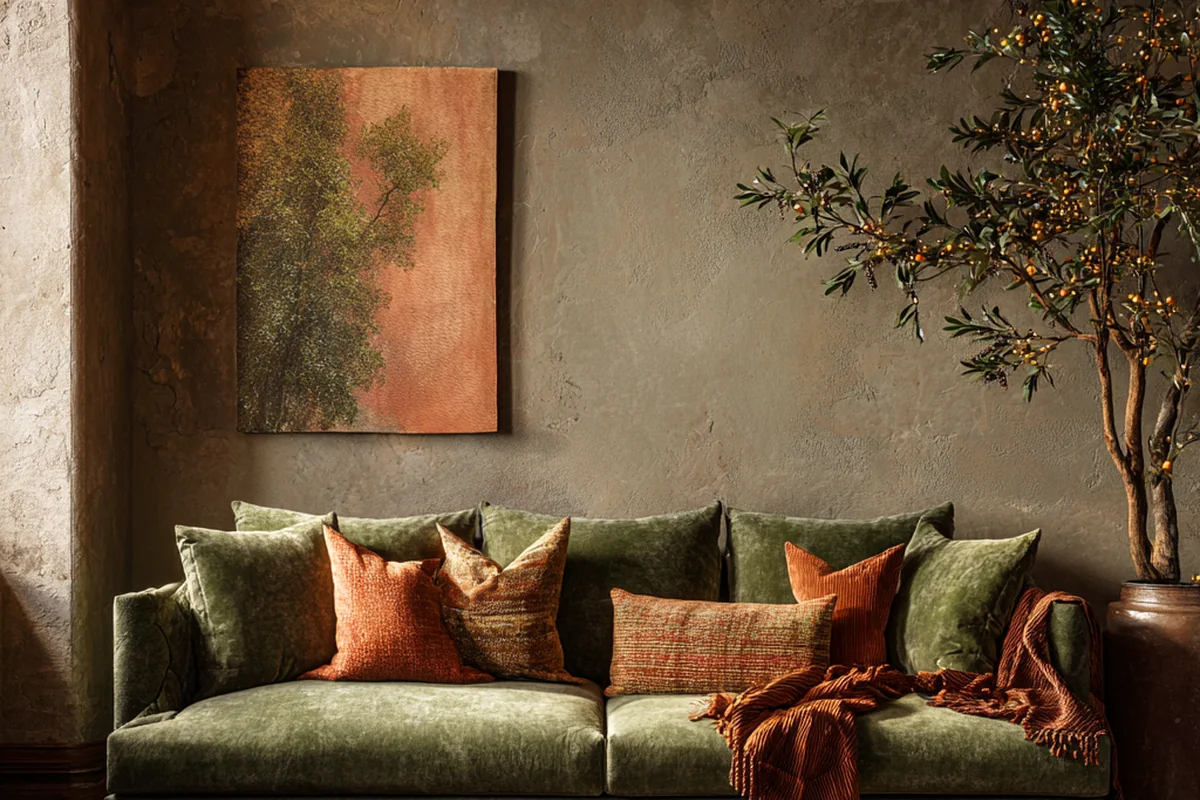
The color palette of your grand biophilic living room is instrumental in creating its tranquil, nature-inspired atmosphere. Moving beyond trendy hues, this palette draws its inspiration directly from the natural world, fostering a sense of calm, balance, and connection to the outdoors. It’s about enveloping the space in colors that evoke forests, skies, oceans, and earthy landscapes, ensuring a harmonious and restorative environment. **The Why:** Colors found in nature are inherently calming and psychologically beneficial. Greens represent growth and renewal, blues evoke serenity and vastness, while warm neutrals provide grounding and comfort. This palette supports the biophilic philosophy by directly mimicking the visual experience of being in a natural setting, reducing stress and promoting a sense of well-being. **The How:** Begin with a foundation of warm neutrals for walls and larger furniture pieces – think soft whites, creamy beiges, gentle taupes, or light greys. These provide a clean, expansive backdrop. Introduce greens through your prominent indoor tree and other plants, but also through fabrics like sage green linen sofas, olive velvet throw pillows, or deep forest green accents. Blues can be woven in through textiles – a sky-blue armchair, a serene navy rug, or subtle patterns on cushions. Earthy browns, terracottas, and ochres can come alive in wood furniture, leather accents, pottery, or natural stone elements. **Practical Styling & Spatial Arrangement:** Use the 60-30-10 rule: 60% dominant neutral, 30% secondary nature-inspired color (e.g., green), and 10% accent color (e.g., a deep blue or a touch of metallic brass). Ensure a natural gradient of color, mimicking how light changes hues in nature. Darker tones can ground the lower half of the room, while lighter tones lift the upper half. Distribute colors evenly throughout the space, using them to define zones or highlight architectural features. The strategic placement of your indoor tree and other botanical elements will naturally integrate various shades of green, further enriching this organic palette and ensuring a cohesive, calming aesthetic.
5. Thoughtful Furniture Selection: Blending Transitional & Classic
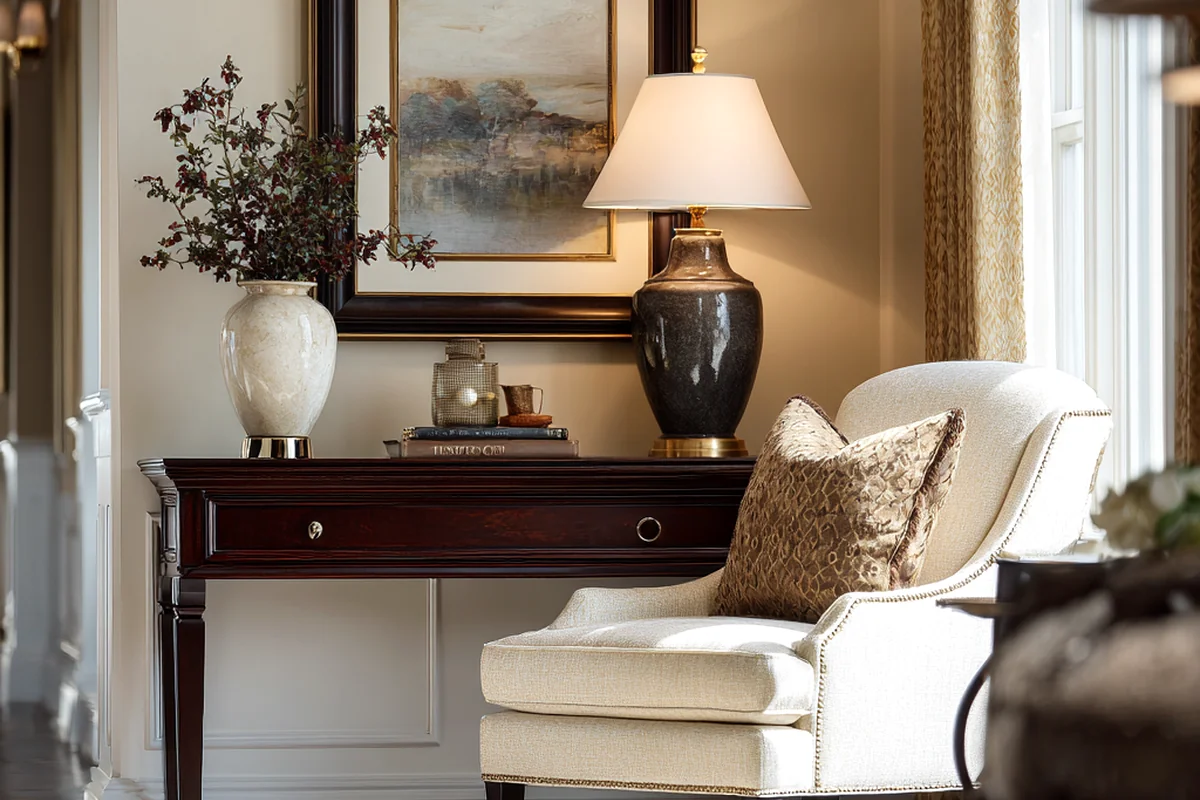
In a grand biophilic living room, the furniture selection is where the ‘transitional’ and ‘classic’ styles truly converge, creating a space that is both sophisticated and inviting. It’s about choosing pieces that offer timeless elegance and robust comfort, while maintaining clean lines that don’t detract from the room’s natural elements. This thoughtful blend ensures the space feels luxurious, refined, and enduring, rather than overly formal or starkly modern. **The Why:** Transitional design bridges the gap between traditional and contemporary, offering a comfortable and classic aesthetic with a modern edge. When paired with classic pieces, it creates a balanced environment that feels both heritage-rich and current. This blend provides the structural integrity and comfort needed for a grand living room, allowing the biophilic elements to breathe and shine without competition from overly ornate or minimalist designs. **The How:** Look for classic silhouettes updated with contemporary fabrics and finishes. A Chesterfield sofa, for example, can be upholstered in a natural linen or a soft, muted velvet instead of traditional leather. Choose armchairs with clean, elegant lines but comfortable proportions. Coffee tables and side tables might feature natural wood tops with simple, refined metal bases or be crafted entirely from solid, subtly textured wood or stone. Avoid overly fussy details; instead, prioritize quality craftsmanship and enduring design. **Practical Styling & Spatial Arrangement:** In a grand room, scale is critical. Opt for generously sized sofas and chairs that can comfortably anchor the space without overwhelming it. Arrange furniture in conversational groupings, creating intimate zones within the larger room. Use area rugs, preferably in natural fibers like wool or jute, to define these zones and add warmth. Ensure clear pathways for movement. The combination of upholstered pieces in natural fabrics with exposed wood or stone elements creates a harmonious textural dialogue, where the softness of textiles complements the solidity of nature-inspired furniture, contributing to both comfort and visual appeal.
6. Curated Botanical Accents Beyond the Tree
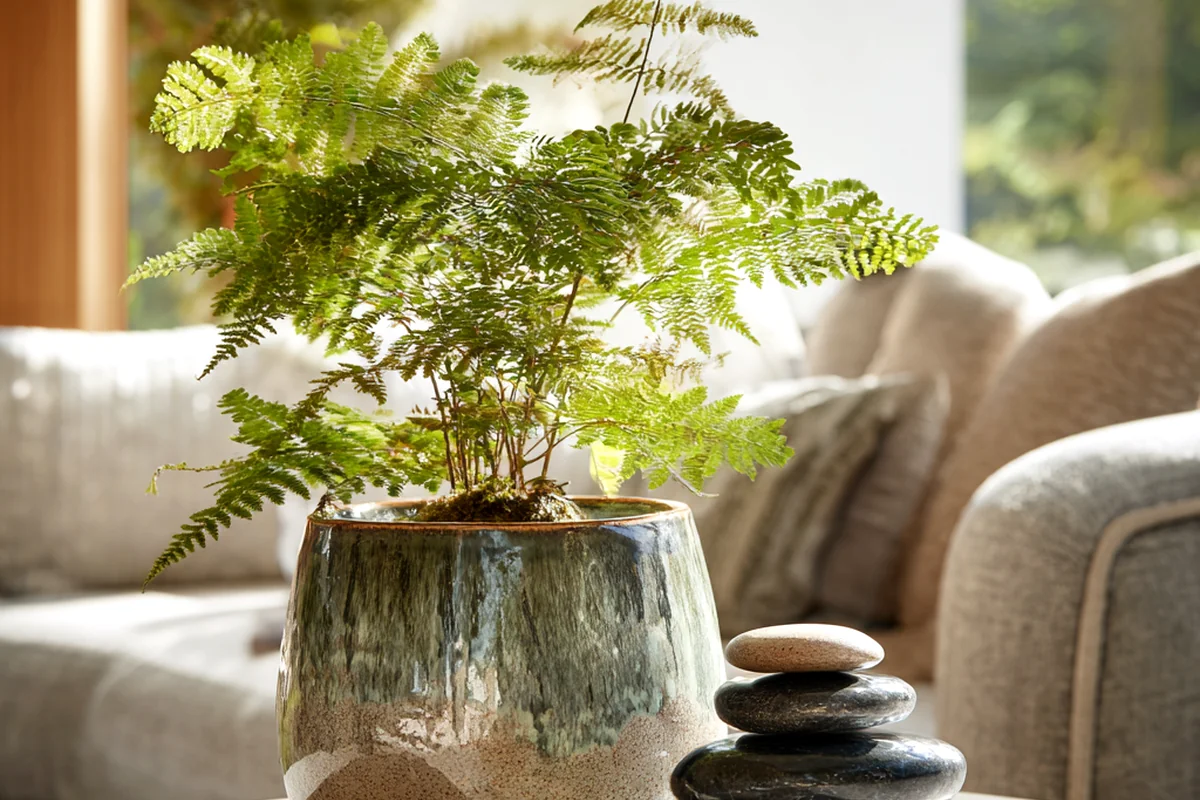
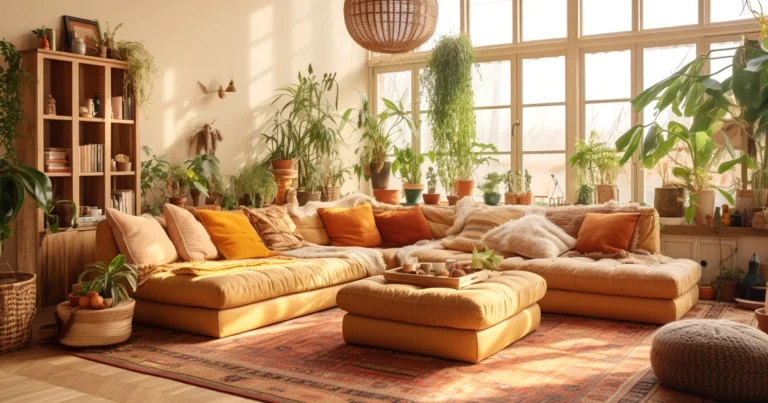
While a prominent indoor tree serves as the majestic anchor, the grand biophilic living room truly blossoms with a thoughtful curation of additional botanical accents. These smaller, strategically placed plants, flowers, and even living walls reinforce the biophilic theme, adding layers of vibrancy, diverse textures, and continuous connection to nature. They are vital for creating a dynamic, oxygen-rich environment that feels truly alive. **The Why:** Multiple botanical elements enhance air quality, reduce indoor toxins, and have a profound positive impact on mental well-being, reducing stress and fostering creativity. They break up monotonous surfaces, add softness to architectural lines, and introduce varied shades of green and natural forms, enriching the visual landscape. **The How:** Diversify your plant selection. Introduce trailing plants like Pothos or Philodendron on shelves or consoles to add a cascading effect. Place smaller, sculptural plants like Monstera or Snake Plants on side tables or pedestals to add architectural interest. Orchids or peace lilies can provide delicate floral accents. Consider a modest living wall on a less dominant wall if space allows, creating a lush, vertical garden. Vary the heights and leaf shapes to create visual interest – pair broad-leafed plants with delicate ferns or spiky succulents. **Practical Styling & Spatial Arrangement:** Group plants in odd numbers for a natural, organic look. Use a variety of planters made from natural materials – terracotta, ceramic, woven baskets, or polished concrete – to complement your chosen aesthetic. Ensure each plant is placed in a location where it can thrive, considering light and humidity requirements. Distribute these botanical accents throughout the room, drawing the eye to different corners and creating a sense of natural immersion. They should complement the scale of the room; don’t let smaller plants get lost. These curated accents soften edges, introduce pockets of natural beauty, and make the grand living room feel more intimate and inviting, a true extension of the natural world.
7. Water Elements for Serenity and Auditory Bliss
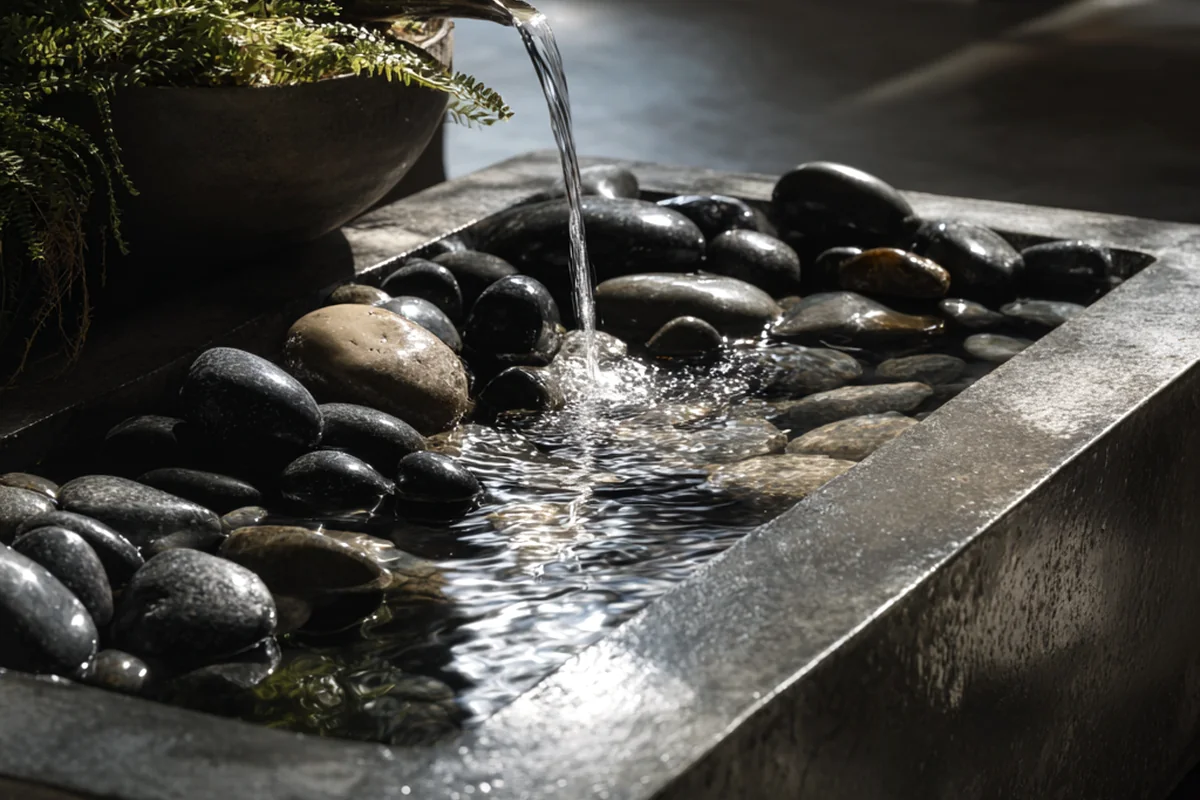
Integrating water elements into a grand biophilic living room introduces a profound layer of sensory experience, elevating the space beyond mere visual appeal to a holistic sanctuary. The gentle murmur of flowing water is one of nature’s most soothing sounds, known for its ability to reduce stress, promote relaxation, and enhance focus. This subtle yet powerful addition significantly contributes to the room’s tranquil and nature-inspired atmosphere. **The Why:** The presence of water is a core biophilic principle, connecting us to vital natural processes. Auditory stimulation from flowing water can mask distracting ambient noises, creating a peaceful soundscape. Visually, water adds a dynamic, reflective quality that can catch and play with natural light, further enhancing the room’s luminosity and sense of vitality. **The How:** For a grand living room, consider a small, self-contained indoor fountain. Options range from minimalist ceramic designs that blend seamlessly with modern aesthetics to more sculptural stone or metal pieces that can act as subtle artistic statements. Ensure the fountain is appropriately scaled for the room – it should be a graceful accent, not an overpowering feature. Tabletop fountains are excellent for consoles or side tables, while larger floor-standing models can anchor a corner. For truly expansive spaces, a custom-designed, low-profile reflection pool or water wall might be considered, though this requires more significant planning. **Practical Styling & Spatial Arrangement:** Place water features in areas where their gentle sounds can be appreciated without being disruptive, perhaps near a seating area or an entrance. Ensure easy access for maintenance, such as refilling and cleaning. The material of the water feature should complement the natural materials already present in the room – stone with stone, ceramic with pottery, metals with other metallic accents. The sight of moving water, especially when enhanced by natural light, adds a living, dynamic texture to the room, creating a sense of continuous flow and natural harmony that truly completes the biophilic experience.
8. Reflective Surfaces and Strategic Mirror Placement
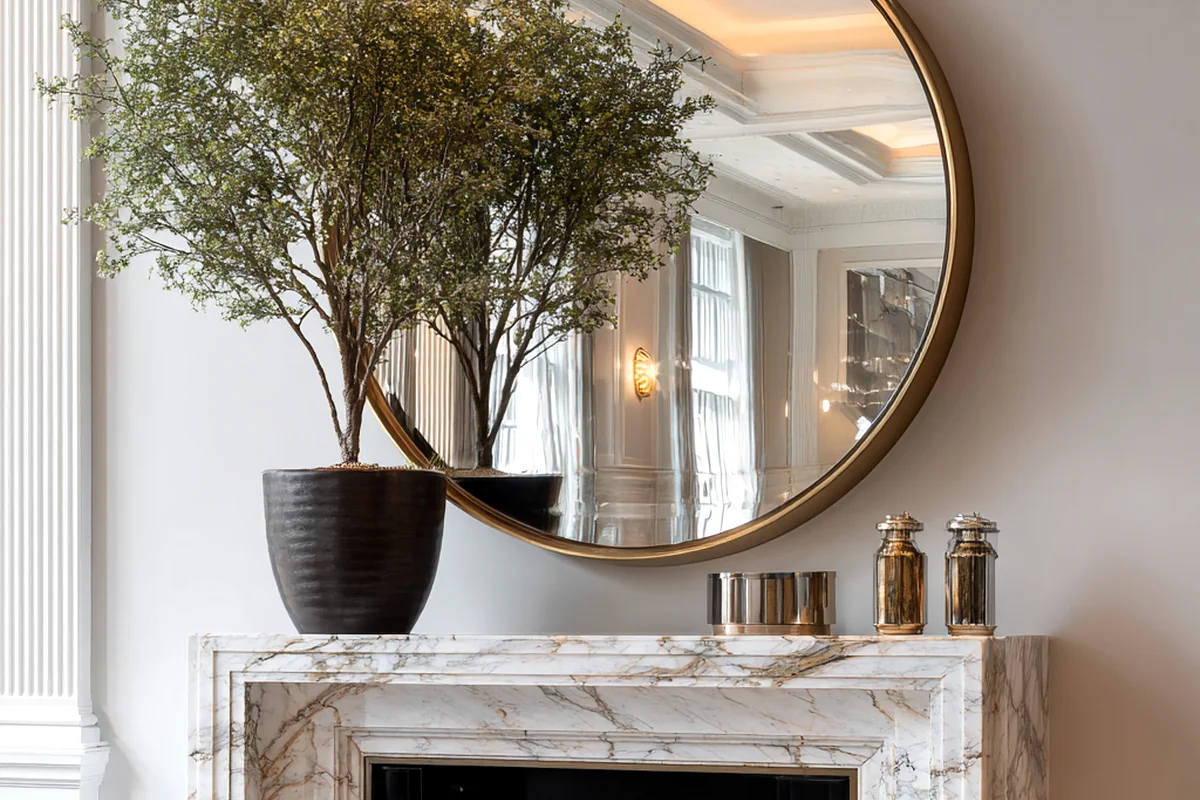
Beyond merely decorating, reflective surfaces and strategically placed mirrors are powerful tools in a grand biophilic living room, expertly designed to amplify natural light, expand perceived space, and introduce an element of sophisticated allure. They are not just functional; they are integral to enhancing the room’s luminosity and its seamless connection with the outdoors, creating an illusion of boundless space and light. **The Why:** Mirrors are unparalleled in their ability to bounce natural light deep into a room, making it feel brighter and more open. By reflecting views of the indoor tree or outdoor landscape, they visually extend the biophilic experience, blurring the lines between inside and out. Polished metals and glass add subtle sparkle and contemporary elegance, preventing the natural aesthetic from feeling overly rustic. **The How:** The most impactful application is a large, statement mirror positioned on a wall opposite or adjacent to a significant window. This maximizes the reflection of natural light and, crucially, captures and repeats the outdoor view or the grandeur of your indoor tree, visually extending these natural elements. Consider mirrors with classic, elegant frames – perhaps ornate gold, brushed brass, or a simple, natural wood frame – to blend with the transitional and classic styles. Beyond mirrors, incorporate other reflective elements: a glass-topped coffee table, polished metallic accents on lighting fixtures (like brushed brass or antique gold), or vases with a subtle sheen. **Practical Styling & Spatial Arrangement:** Ensure mirrors are placed to reflect something beautiful – either the natural light, the prominent indoor tree, or an appealing outdoor vista – rather than a blank wall or cluttered area. In a grand living room, a floor-length mirror leaning against a wall can add a casual elegance while still reflecting light. Grouping smaller, decorative mirrors can also create an interesting visual display. The interplay of these reflective surfaces with the matte textures of natural fabrics and the living greenery creates a dynamic balance, adding depth and a subtle glamour that enhances the overall sense of spaciousness and refined biophilic design.
9. Artisanal Touches and Organic Forms
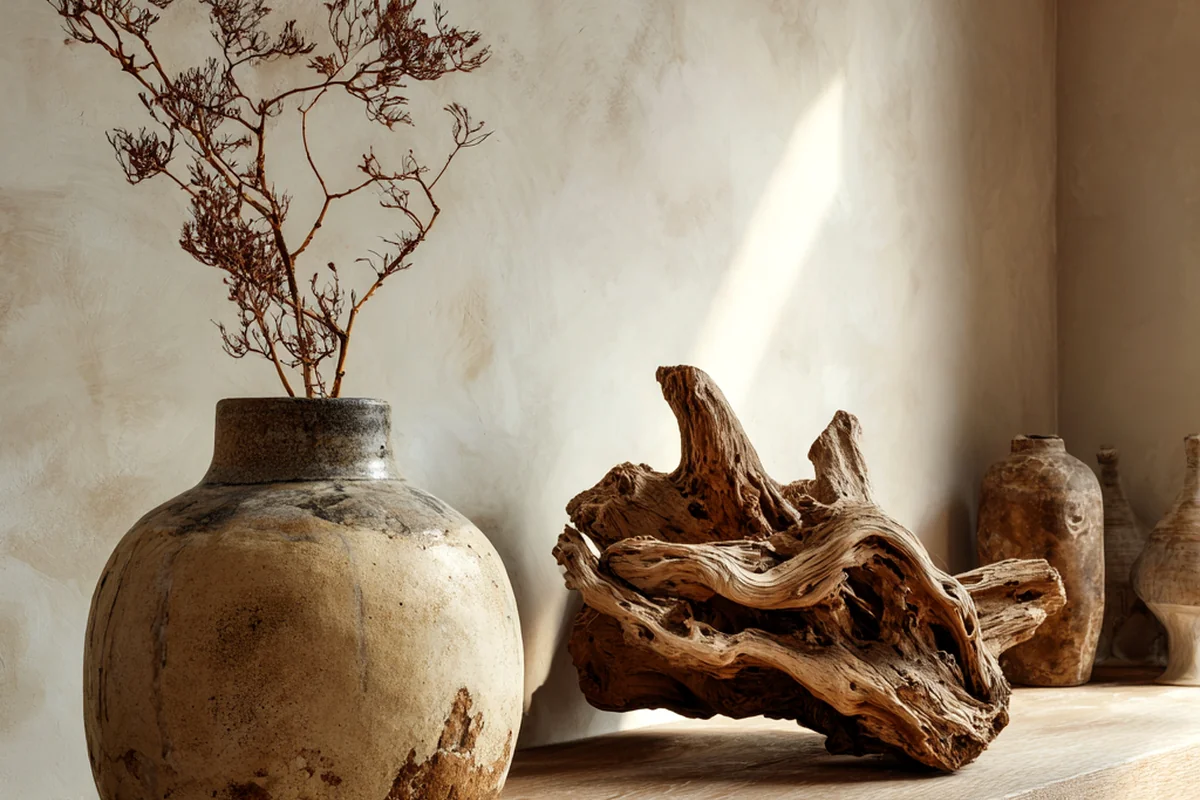
To infuse a grand biophilic living room with soul and individuality, incorporating artisanal touches and organic forms is essential. These elements move beyond mass-produced items, bringing in the human hand, the unique story of creation, and shapes inspired by nature itself. They contribute significantly to the room’s ‘nature-inspired’ and ‘elegant’ styles, adding warmth, character, and a sense of curated authenticity that elevates the overall aesthetic. **The Why:** Artisanal pieces, whether hand-thrown pottery, carved wooden sculptures, or woven textiles, carry an inherent warmth and imperfection that celebrates craftsmanship and individuality. Organic forms, with their gentle curves and irregular shapes, mimic patterns found in nature, providing a soft contrast to the clean lines of transitional and classic furniture, making the space feel more harmonious and less rigid. **The How:** Seek out handcrafted ceramics for vases, decorative bowls, or even lamp bases, featuring earthy glazes or natural, unglazed finishes. Introduce sculptural wooden elements – a carved stool, a freeform wall art piece, or a distinctive side table made from a reclaimed tree stump. Woven baskets made from rattan, jute, or seagrass serve as stylish storage or planters, adding a rich, natural texture. Textiles like hand-dyed throws or cushions with subtle, nature-inspired patterns can also contribute. Consider art that features abstract organic forms or landscape photography that focuses on natural patterns. **Practical Styling & Spatial Arrangement:** Distribute these artisanal pieces thoughtfully throughout the room. A large, hand-coiled ceramic planter for a smaller plant, a cluster of unique pottery on a console table, or a sculptural wooden object placed on a coffee table can become compelling focal points. Ensure these pieces are proportionate to the grand scale of the room; a single small item might get lost. Arrange them in a way that feels natural and unforced, allowing their unique forms and textures to be appreciated. The blend of these handcrafted, organic elements with the refined furniture and lush botanicals creates a layered, sophisticated environment that feels deeply personal and connected to the artistry of both man and nature.
10. Seamless Indoor-Outdoor Connection
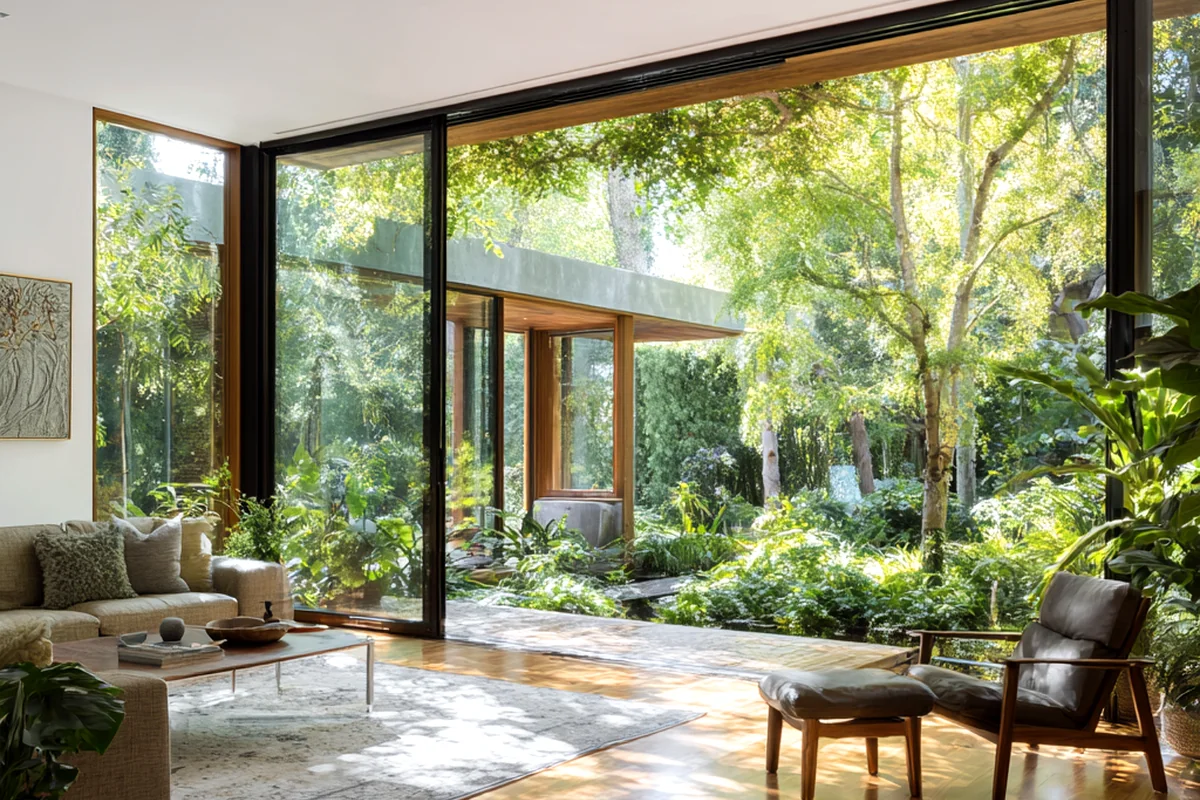
The ultimate expression of a grand biophilic living room lies in its ability to create a seamless, almost imperceptible connection between the indoor sanctuary and the natural world beyond its walls. This deliberate blurring of boundaries extends the living space, floods the interior with natural beauty, and profoundly enhances the sense of openness, tranquility, and integration with nature. It’s about more than just a view; it’s about a continuous flow of environment and energy. **The Why:** An unobstructed indoor-outdoor connection maximizes the psychological benefits of biophilic design. It allows for greater access to natural light and fresh air, provides expansive views of greenery, and psychologically expands the perceived size of the living room. This fluidity reduces feelings of confinement and fosters a deeper appreciation for the surrounding environment. **The How:** Prioritize large openings such as expansive sliding glass doors, elegant French doors, or an entire wall of bifold doors that can be opened completely. These structural choices are fundamental. If remodeling isn’t an option, ensure existing windows are unobstructed by heavy drapes; opt for invisible or sheer treatments. Continue flooring materials from the interior to an adjacent patio or deck – for example, large format stone tiles or wood decking that matches interior wood tones – to create a visual continuation. **Practical Styling & Spatial Arrangement:** Arrange interior furniture to face the outdoor view, making it a natural focal point. Place comfortable outdoor seating directly outside the main opening, using materials and a style that complements the indoor aesthetic to maintain continuity. Frame outdoor views with deliberate landscaping or potted plants that echo the indoor botanicals. Ensure the transition area is clean and inviting. By meticulously designing this threshold, you create an extended living experience where the grandeur of your interior blends effortlessly with the expansive beauty of the outdoors, offering a truly immersive biophilic haven that feels limitless and deeply restorative.
Crafting a grand biophilic living room is an artistic endeavor that harmonizes luxury with the restorative power of nature. By thoughtfully integrating a prominent indoor tree, maximizing expansive natural light, and curating a symphony of natural materials, you transcend mere decoration to create a space that genuinely nurtures the soul. The elegant blend of transitional and classic furniture, enriched by curated botanical accents, the soothing presence of water elements, and the strategic use of reflective surfaces, all coalesce to form an environment of unparalleled serenity and sophistication. Embracing artisanal touches and organic forms infuses your living room with unique character and a human touch, while the seamless indoor-outdoor connection fundamentally transforms the perception of space and freedom. Each of these ten design secrets contributes to an atmosphere where comfort, elegance, and well-being are inextricably linked. Imagine unwinding in a space where the rustle of leaves, the dance of sunlight, and the gentle murmur of water become part of your daily rhythm. This isn’t just a living room; it’s a personal sanctuary, a testament to thoughtful design that prioritizes your connection to the natural world. We encourage you to embark on this transformative design journey, to infuse your grand living room with these biophilic principles, and to experience the profound tranquility and timeless beauty that awaits. Your ultimate oasis of calm and natural splendor is within reach.